

Have you ever wondered if you can plant those charming patio fruit trees directly in the ground? Many people love the idea of fresh fruit right from their backyard but aren’t sure if it’s the right move for their space. You’re not alone in this dilemma.
In this article, we’ll explore the benefits and considerations of planting patio fruit trees in the ground. You’ll learn how to make the most of your outdoor area while enjoying the sweet rewards of homegrown fruit. Whether you’re a seasoned gardener or just starting out, you’ll find practical tips that can help you decide if this is the right choice for your garden.
Key Takeaways
- Patio Fruit Trees Defined: These are dwarf or semi-dwarf varieties designed for small spaces, reaching heights between 3 to 8 feet while still producing full-sized fruit.
- Benefits of Planting in Ground: Growing patio fruit trees allows for space efficiency, minimal maintenance, fewer pest issues, and the enjoyment of fresh, homegrown fruit.
- Suitable Conditions Required: Ensure well-draining soil rich in organic matter, adequate sunlight (6 to 8 hours daily), and awareness of climate and space for root expansion when planting in the ground.
- Maintenance Needs: In-ground patio trees require consistent watering, pest management, and seasonal pruning to thrive and produce fruit successfully.
- Potential Challenges: Be aware of pest susceptibility, extreme weather impacts, and the time needed for trees to establish and bear fruit; patience is key.
- Best Planting Practices: Maintain proper spacing between trees for air circulation, monitor soil moisture regularly, and mulch to retain moisture while protecting against weeds.
Understanding Patio Fruit Trees
Patio fruit trees provide a compact option for growing fresh fruit in limited spaces. These trees thrive in small areas, offering an appealing solution whether in pots or in the ground.
What Are Patio Fruit Trees?
Patio fruit trees are dwarf or semi-dwarf varieties bred to fit smaller spaces. They reach sizes between 3 to 8 feet tall but still yield full-sized fruit. Common varieties include apple, lemon, peach, and cherry trees. These trees fit nicely on balconies, decks, or in small gardens, making them ideal for urban settings or limited outdoor areas.
Benefits of Growing Patio Fruit Trees
Growing patio fruit trees offers several advantages. Some key benefits include:
- Space Efficiency: These compact trees fit in small areas, allowing you to maximize garden space.
- Easy Maintenance: Smaller trees typically require less pruning and care than standard trees.
- Pest Management: Minimal foliage often leads to fewer pest issues, simplifying the gardening process.
- Fresh Produce: Enjoying homegrown fruit straight from your garden adds flavor and satisfaction.
- Variety: A wide range of fruits allows for diverse planting choices, catering to different tastes and culinary needs.
With these benefits, patio fruit trees make it easy to enjoy the advantages of gardening without needing extensive land.
Can You Plant Patio Fruit Trees in the Ground?
Planting patio fruit trees directly in the ground is possible, but certain conditions must be met for successful growth. Understanding these conditions and assessing potential challenges helps you make the right choice.
Recommended Products

Promotes Healthy Growth: True Prilled Sulfur supports overall plant growth, helping to produce superior flowers, vegetables, herbs, and foliage for an abundant harvest.

Enhanced Growth Benefits: Supports optimal plant health with superior aeration, effective drainage, excellent nutrient retention, and a balanced pH – everything citrus plants need to thrive.

Let our professionally formulated plant food help your fruit tree grow healthy, strong AND abundantly producing
Conditions for Planting in the Ground
- Soil Quality: Ensure soil is well-draining and rich in organic matter. Test the pH level; most fruit trees thrive in slightly acidic to neutral soil (pH 6.0 to 7.0).
- Space Availability: Choose a location with enough space for mature trees. Dwarf varieties may reach up to 8 feet in height, so consider the tree’s spread and ensure nearby structures or plants won’t interfere.
- Sunlight Exposure: Select a spot that receives at least 6 to 8 hours of direct sunlight daily. Sunlight is crucial for fruit production and overall tree health.
- Climate Considerations: Consider your local climate. Some varieties perform better in certain zones. Check hardiness zones to select suitable tree types for your area.
- Water Access: Place trees where you can easily water them, especially during dry spells. Regular moisture promotes healthy growth.
- Pest and Disease Management: In-ground trees are more susceptible to pests and diseases. Regular inspections and preventive measures like neem oil can keep them at bay.
- Maintenance Requirements: In-ground trees require more attention than container trees, especially during establishment. Pruning, fertilizing, and watering must fit a seasonal schedule.
- Root Expansion: While patio trees are smaller, roots still need space to grow. Restricted root space can lead to weak trees. Choose an appropriate location to prevent crowding.
- Weather Vulnerability: In-ground trees face more extreme weather conditions. Frost damage or drought can affect production. Consider protection methods such as mulching or adding windbreaks.
- Resilience: Newly planted trees often take time to establish. Patience is essential, as it may take a couple of seasons for trees to bear fruit.
By addressing these conditions and challenges, you can successfully plant patio fruit trees in the ground, enhancing your garden and providing delicious homegrown fruit.
Preparing Your Garden for Patio Fruit Trees
Planting patio fruit trees in the ground can lead to a fruitful and rewarding experience. You’ll need to consider several factors before starting. Focusing on soil and sunlight will set your trees up for success.
Recommended Products

Kindly NOTE: This soil tester can not be applied to test pH value of any other liquid. If the soil is too dry the indicator will not move, and water it before testing.

Comprehensive Soil Analysis: Liquid soil test kits offer a comprehensive analysis of essential soil parameters, including pH, ammonia, nitrogen, phosphorus, and potassium. Having all these measurements in one kit provides a holistic understanding of the soil's fertility and health.

KNOW BEFORE YOU GROW | Grow the healthiest, sustainable lawn and garden with the most accurate and easy to use professional soil test kit on the market
Soil Requirements
Select well-draining, nutrient-rich soil for your patio fruit trees. Sandy or loamy soil types excel at draining excess water while retaining moisture. Test the soil’s pH; it should be between 6.0 and 7.0 for optimal growth. If your soil lacks nutrients, add organic compost or well-rotted manure to enhance fertility. Consider using raised beds if your garden soil isn’t ideal; they promote better drainage and root development for your trees.
Sunlight and Drainage Considerations
Your patio fruit trees thrive in full sunlight, requiring at least 6 to 8 hours of direct sunlight each day. Observe your garden throughout the day to identify the sunniest spots. Ensure no tall structures or trees cast unwanted shadows over your planting area.
Good drainage is critical. If your chosen location retains water, consider amending the soil or adjusting the planting area. You can also plant on a slight slope to aid drainage, preventing soggy roots. Remember, proper sunlight and drainage will help your trees flourish, bringing joy and fresh fruit to your garden.
Best Practices for Planting
Planting patio fruit trees in the ground requires careful planning and attention to detail. Following these best practices ensures healthy growth and fruitful yields.
Recommended Products

SAVE TIME AND EFFORT: This plant watering kit has everything you need to get started with drip irrigation and precisely water up to ten individual plants. Use the kit to build, expand, or repair a drip irrigation system
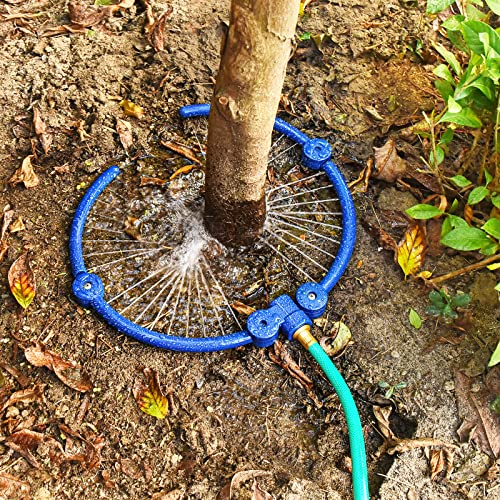
【Specially Designed for Trees and Shrubs】 The Watering Ring is a multi-purpose irrigation ring that attaches to a garden hose to efficiently water young trees shrubs vegetables or flower beds using drip or trickle irrigation.It directs water to the root perimeter of the plant to give them a good start during the first two growing seasons or through periods of drought.
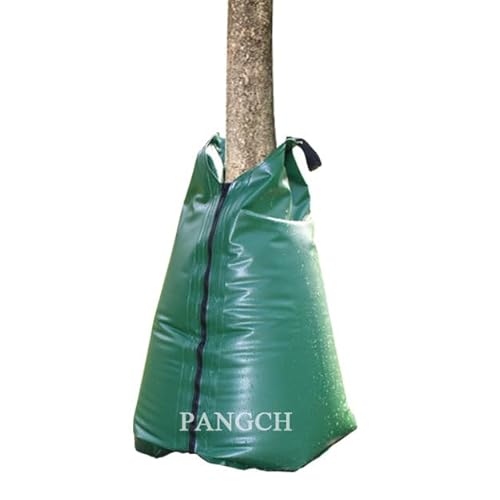
DEEP WATER SATURATION IS KEY - PANGCH tree watering bags deliver water deep below the soil surface, encouraging strong root growth, helping to reduce the effects of transplant & drought shock.Compared to conventional methods, tree watering bag can greatly reduce your watering frequency and save money by eliminating tree replacement and reducing labor costs.
Spacing and Placement
Ensure proper spacing between your patio fruit trees. Space them at least 5 to 10 feet apart to allow adequate air circulation and room for growth. Position trees in a spot that receives at least 6 to 8 hours of direct sunlight daily. Observe your garden throughout the day to identify the sunniest areas. Avoid placing trees too close to structures or other plants that might cast shade or compete for nutrients. Select a well-draining area with nutrient-rich soil, ideally sandy or loamy, to promote optimal root development.
Watering and Maintenance
Water your patio fruit trees regularly, especially during dry spells. Provide about 1 inch of water per week, either from rainfall or supplemental watering. Check the soil moisture by sticking your finger into the ground. If it feels dry an inch down, it’s time to water. Mulch around the base of the trees to retain soil moisture and suppress weeds. Maintain the trees with periodic pruning to shape them and remove dead or diseased branches. Regularly monitor for signs of pests or disease, responding quickly to any issues. This proactive care helps ensure a thriving garden with abundant fruit production.
Conclusion
Planting patio fruit trees in the ground can be a fantastic choice for maximizing your outdoor space. With the right conditions and care you’ll enjoy the satisfaction of homegrown fruit right in your backyard.
Whether you’re an experienced gardener or just starting out there’s plenty of joy to be found in nurturing these trees. By considering factors like soil quality sunlight exposure and regular maintenance you’re setting yourself up for a fruitful gardening adventure.
So go ahead and embrace the idea of planting those patio fruit trees in the ground. You’ll be rewarded with delicious fruit and a beautiful addition to your garden. Happy gardening!
Frequently Asked Questions
What are patio fruit trees?
Patio fruit trees are dwarf or semi-dwarf varieties that are perfect for small spaces. They typically reach heights of 3 to 8 feet but still produce full-sized fruit. Common types include apple, lemon, peach, and cherry trees, making them ideal for urban gardens.
Can I plant patio fruit trees directly in the ground?
Yes, you can plant patio fruit trees directly in the ground. It can enhance their growth and yield if conditions are right, such as having well-draining soil, adequate sunlight, and enough space for root expansion.
What conditions do patio fruit trees need?
Patio fruit trees thrive in well-draining, nutrient-rich soil with lots of sunlight. They also require enough space for growth and regular water access. Local climate and protection from pests and diseases are essential for their success.
How do I prepare my garden for patio fruit trees?
To prepare your garden, ensure good soil drainage and nutrients. Space the trees at least 5 to 10 feet apart to promote air circulation and sunlight exposure. Adding mulch can help retain moisture, which is crucial for healthy growth.
What is the maintenance required for patio fruit trees?
Regular maintenance includes watering about 1 inch per week, pruning for shape and health, and monitoring for pests and diseases. These practices help ensure your patio fruit trees grow well and produce abundant fruit.
