

Have you ever wondered why some trees bear fruit while others don’t? If you’ve tried to grow your own fruit trees or simply enjoy the beauty of nature, you might’ve noticed that not all trees are created equal. Understanding the difference between male and female trees can help you make better choices for your garden or landscape.
Key Takeaways
- Tree Gender Matters: Male trees do not produce fruit; they only provide pollen for fertilizing female trees, which is essential for fruit development.
- Planting Ratios: For optimal fruit production, plant a proper ratio of male to female trees, particularly for dioecious species, such as kiwifruit, which requires one male for every six females.
- Influential Factors: Environmental conditions like temperature, sunlight, and soil quality greatly affect a tree’s ability to produce fruit.
- Pollination Importance: Effective pollination is crucial. Some trees require cross-pollination to yield better fruit quality and size, while others can self-pollinate.
- Gaining Aesthetic and Ecological Benefits: Incorporating female trees into your landscape enhances beauty, attracts pollinators, and contributes to biodiversity and wildlife habitat.
Understanding Tree Gender
Tree gender plays a crucial role in whether a tree produces fruit. Understanding this can help you make informed choices for your garden or orchard.
Difference Between Male And Female Trees
Male trees produce pollen but don’t bear fruit. They contribute to fertilization by pollinating female trees. Female trees, on the other hand, develop flowers that can turn into fruits when pollinated. Some trees are dioecious, meaning individual trees are either male or female. For example, kiwifruit trees require one male tree for every six female trees to ensure adequate pollination. Many fruit-bearing trees, such as apples and pears, have both male and female flowers on the same tree, allowing them to self-pollinate or cross-pollinate with nearby compatible trees.
Importance Of Tree Gender In Reproduction
Tree gender directly impacts fruit production. Pollination is essential for female trees to produce fruit. If you plant only male trees and no female ones, you’ll end up with no fruit. Knowing the gender of your trees helps in planning your garden layout. For optimal fruit production, aim to plant the right ratio of male to female trees. Consider species that require cross-pollination, such as cherries and plums. Keep the proximity of the trees in mind; ideally, they should be within 50 feet of each other for effective pollination.
Do Male Trees Produce Fruit?
Male trees do not produce fruit. They play a crucial role in the reproduction of dioecious species by producing pollen, which is essential for fertilizing the female flowers. Understanding this difference can help you make more informed choices when choosing trees for your garden.
Recommended Products

* 【Size】: The Fruit Tree Pollinator measures 29cm/11.42inch in length
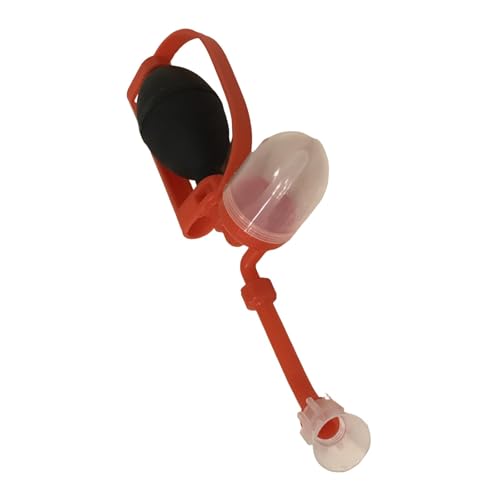
【Size】: The Fruit Tree Pollinator measures 29cm/11.42inch in length

Relieves allergy symptoms
Characteristics Of Male Trees
- Pollen Production: Male trees generate pollen to fertilize the ovules of female trees, enabling fruit development.
- Flower Structure: Male trees often have smaller, less showy flowers compared to female flowers. These flowers focus on efficient pollen release rather than fruit production.
- Growth Patterns: Male trees can exhibit different growth rates compared to female trees. Depending on the species, male trees may grow taller or have different foliage characteristics.
- Assumption of Fruit: Many people incorrectly believe that all trees bear fruit. This misconception overlooks the distinction between male and female trees.
- Pollination Misunderstandings: Some think that male trees contribute to overall fruit production. While they aid in pollination, without female trees, no fruit will develop.
- Visual Appeal: Male trees often get overlooked for their lack of fruit. However, they can offer beautiful foliage or structural diversity in landscapes.
By knowing the characteristics and misconceptions about male trees, you can make better choices for your garden and understand the importance of including both male and female trees for successful fruit production.
Do Female Trees Produce Fruit?
Female trees produce fruit after receiving pollen from male trees. The process involves flowers developing into fruits once pollinated, showcasing the vital role of female trees in reproduction.
Recommended Products
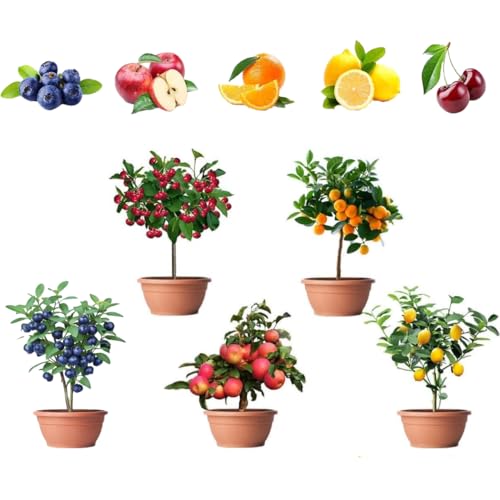
Variety Pack of 5 Fruits: Includes 40 Lemon seeds, 40 Orange seeds, 40 Apple seeds, 20 Cherry seeds, and 20 Blueberry seeds for a colorful and diverse home garden

4 kinds of the most popular fruits, individually packaged, 50pcs Lemon seeds 50pcs Cherry seeds 50pcs Orange seeds 50pcs Apple seeds Fresh seeds, all fruit seeds are packed in tear and moisture resistant zipper sealed bags for your long term storage.

🌳 3-Pack Fruit Tree Bundle Includes live apple, blueberry, blackberry trees—perfectly paired for a diverse and productive backyard orchard.
Characteristics Of Female Trees
Female trees possess distinctive features that facilitate fruit production. Their flowers often showcase vibrant colors and appealing aromas to attract pollinators. Examples include apple and cherry trees, which feature noticeable blossoms that aid in attracting bees and other insects for pollination. Female trees generally exhibit larger fruits compared to male trees, and their growth patterns may vary. For instance, some female trees, like the black walnut, grow denser canopies, enhancing shade and aesthetic appeal in landscapes.
Benefits Of Female Trees In Landscaping
Female trees offer numerous benefits in landscaping. They produce visually appealing flowers and fruits that enhance garden aesthetics. Trees like magnolias and dogwoods not only provide beauty during flowering seasons but also contribute to biodiversity by attracting various pollinators. Additionally, many female trees yield fruits that are edible, like figs and avocados, adding value for homeowners interested in home gardening. They also provide habitat for wildlife, thus promoting a balanced ecosystem in your yard or garden.
By incorporating female trees into your landscape, you gain beauty, functionality, and ecological benefits, making your outdoor space more vibrant and productive.
Factors Influencing Fruit Production
Understanding the factors influencing fruit production helps you make informed choices in gardening and tree selection. Two primary elements play a significant role: environmental conditions and pollination requirements.
Environmental Conditions
Environmental conditions directly impact a tree’s ability to produce fruit. Temperature, sunlight, and soil quality are key aspects.
- Temperature: Many fruit trees require a specific temperature range during flowering and fruit development. For instance, apple trees thrive in regions with cold winters and warm summers. Too much heat can lead to fruit drop, while insufficient warmth can delay blooming.
- Sunlight: Most fruiting trees need full sun exposure, ideally 6-8 hours of direct sunlight daily. Insufficient light may result in weak growth and reduced yields.
- Soil Quality: Well-draining soil rich in organic matter supports healthy root systems. Soil pH should typically range from 6.0 to 7.0 for optimal nutrient uptake. Regular soil testing helps maintain the right conditions.
Pollination Requirements
Pollination requirements are crucial for fruit production, especially for dioecious species.
- Male-Female Ratios: As mentioned, certain trees, like kiwifruit, require a specific ratio of male to female trees for effective pollination. Planting one male for every six females enhances fruit yield.
- Self-Pollination: Some trees, like apple and pear, have both male and female flowers, enabling self-pollination. However, cross-pollination may improve fruit size and quality. Positioning different varieties close together increases chances for successful pollination.
- Pollinator Attraction: Female trees attract pollinators through vibrant flowers and fragrances. Planting flowers nearby can enhance pollinator activity, boosting the chances of successful fruit set.
By considering these factors, you can enhance fruit production and create a thriving garden space.
Conclusion
Understanding the differences between male and female trees can make a big difference in your gardening success. If you’re aiming for fruit production you’ll want to focus on planting female trees alongside the right number of male trees for effective pollination.
Remember that male trees are essential for providing pollen but won’t bear any fruit themselves. By considering the specific needs of each tree type and the environmental factors at play you can create a thriving garden filled with beautiful blooms and delicious fruits. So go ahead and plan your tree selection wisely to enjoy the full benefits of your outdoor space.
Frequently Asked Questions
What is the difference between male and female trees?
Male trees produce pollen but do not bear fruit, while female trees develop flowers that can turn into fruit when pollinated. Understanding this distinction is essential for effective gardening and fruit production.
Why do some trees not produce fruit?
Not all trees bear fruit because some are male, and their primary role is to produce pollen for fertilizing female flowers. It’s important to plant the appropriate male-to-female ratio for fruit-bearing trees.
What are dioecious trees?
Dioecious trees have distinct male and female individuals. For effective pollination and fruit production, a specific male-to-female ratio is required, such as one male to six female kiwifruit trees.
Can male trees contribute to fruit production?
No, male trees do not bear fruit. However, they are essential for the reproduction of dioecious species by providing pollen necessary to fertilize female flowers.
What factors influence fruit production in trees?
Environmental conditions like temperature, sunlight, and soil quality influence fruit production. Effective pollination is also crucial, especially for dioecious species with specific male-to-female ratios.
Do all trees have both male and female flowers?
No, not all trees have both types of flowers. Some trees are dioecious and have distinct male and female trees, while others, like apple and pear trees, can have both types and achieve self-pollination or cross-pollination.
How can gardeners ensure effective pollination?
To ensure effective pollination, gardeners should consider the right male-to-female tree ratios and ensure trees are planted close enough to facilitate pollen transfer. Choosing attractive flowering trees also helps attract pollinators.
What are the benefits of planting female trees?
Female trees enhance landscaping with their vibrant flowers and can produce edible fruits. They also provide crucial habitats for wildlife, promoting biodiversity in garden ecosystems.
