

Have you ever wondered why your apple trees aren’t bearing fruit? You’re not alone. Many gardeners face this frustrating issue, pouring time and care into their trees only to be met with empty branches.
Key Takeaways
- Pollination is Essential: Apple trees require cross-pollination for fruit production; ensure compatible varieties are nearby and encourage pollinator activity by planting flowers.
- Environmental Requirements: Plant apple trees in areas with 6-8 hours of sunlight daily, and protect them from extreme temperatures and moisture stress to promote healthy fruiting.
- Tree Health Management: Regularly inspect for diseases and pests, implement sanitation practices, and apply appropriate treatments to maintain tree health and prevent fruit production issues.
- Nutrient Levels Matter: Conduct soil tests to check for nutrient deficiencies and amend the soil with fertilizers or organic materials to support apple tree growth and fruiting.
- Proper Care Techniques: Pruning, watering, and fertilization play crucial roles in enhancing apple tree productivity—remove dead branches, establish a consistent watering schedule, and use balanced fertilizers.
- Consider Seasonal Influences: Age and weather significantly impact apple tree fruiting; ensure trees are mature enough and monitor local weather conditions to protect against frost and heat stress.
Common Reasons for Non-Production
Several factors contribute to apple trees not producing fruit. Understanding these reasons can help you address the issues and encourage fruit-bearing.
Poor Pollination
Poor pollination often leads to non-fruit production. Apple trees require cross-pollination from another tree to set fruit. If your tree is alone, find a compatible variety nearby. Also, bees and other pollinators play a crucial role. If you notice few bees in your garden, consider planting flowers that attract them. Providing a diverse array of plants can enhance pollinator activity, increasing your chances of fruit set.
Environmental Factors
Environmental factors significantly impact fruit production. Insufficient sunlight reduces photosynthesis, limiting energy for fruit growth. Aim to plant your apple trees in areas that receive 6 to 8 hours of sunlight daily. Similarly, extreme temperatures can hinder fruiting. Frost during flowering can damage blooms, while high temperatures may stress the tree. Regular watering helps alleviate stress during dry spells, ensuring enough moisture for fruit development. Check soil quality, too—well-draining soil supports healthy root systems.
Tree Health Issues
Tree health significantly influences your apple trees’ ability to produce fruit. Understanding and addressing these health issues can lead to a bountiful harvest.
Recommended Products

FUNGUS CONTROL WITH LASTING FIGHTING POWER: Gravex 20 EW Fungicide contains 19.7% myclobutanil; the same active ingredient as Eagle 20EW specialty fungicide, a trustworthy partner for broad-spectrum fungus takedown.

MAXIMIZE YIELDS – This outdoor and indoor plant fungicide kills and prevents common plant pathogens, including powdery mildew, alternaria blight root rot, crown rot, and stem rot. When unavailable, use Earth’s Ally Disease Control, which provides the same proven fungicide protection.

TREATS AND CONTROLS PLANT DISEASE - Maintain the health of your plants with Earth’s Ally fungicide spray. Tackle common plant diseases including powdery mildew, downy mildew, blight, canker, black spot and leaf spot. Also functions as a complete fungicide, giving your plants all-in-one disease protection.
Diseases and Pests
Diseases and pests can impede fruit production in apple trees. Watch out for common diseases like apple scab, powdery mildew, and fire blight. These can cause leaf drop, reduced vigor, and even tree death if untreated. Inspect leaves and branches regularly for signs of infestations, such as aphids, spider mites, or caterpillars. If you notice any issues, consider applying fungicides or insecticides according to the manufacturer’s instructions. Additionally, implementing good sanitation practices, like cleaning up fallen leaves, helps reduce disease spread.
Nutrient Deficiencies
Nutrient deficiencies can stunt your apple trees’ growth and fruiting. Essential nutrients include nitrogen, phosphorus, and potassium. For instance, a lack of nitrogen leads to poor leaf development, hindering photosynthesis and fruit production. Conduct a soil test to identify nutrient levels and pH balance. If your soil is deficient, amend it with appropriate fertilizers. Organic options like compost or well-rotted manure are beneficial, providing a steady nutrient supply. Follow application rates carefully for the best results, ensuring your trees receive what they need to thrive.
Care and Maintenance Practices
Proper care and maintenance practices significantly enhance apple tree productivity. By focusing on pruning, watering, and fertilization, you can create an environment conducive to fruitful growth.
Recommended Products
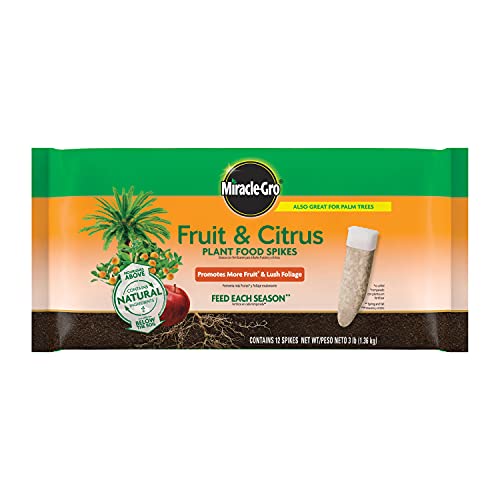
FORMULATED FOR CITRUS AND FRUIT TREES: Use these citrus fertilizer spikes on apple, orange, lemon, lime, and avocado trees; this formula is also great for feeding palm trees

Down to Earth Fruit Tree is a five pound box of all natural fertilizer with 6-2-4 formula and is listed by the Organic Materials Review Institute (OMRI) for use in organic production

2X MORE VALUE: The 16 oz Apple Fertilizer for fruit trees makes 16 gallons of apple tree spray, while the bigger size 32 oz bottle makes 32 gallons for your apple trees live plants.
Pruning Techniques
Pruning affects fruit production directly. Use these techniques:
- Remove Dead or Diseased Branches: Cut away any dead or unhealthy wood to prevent diseases like apple scab from spreading.
- Thin Out Excess Branches: Reduce overcrowding by removing branches that cross or compete for space. This allows more sunlight to reach the leaves.
- Shape the Canopy: Maintain an open canopy to improve air circulation. An open structure prevents moisture buildup, reducing the risk of fungal diseases.
- Timing Matters: Prune during late winter or early spring before new growth starts. This timing encourages healthy new shoots that bear fruit.
Watering and Fertilization
Watering and fertilization are crucial for apple tree health. Follow these guidelines:
- Establish a Watering Schedule: Water deeply, aiming for at least 1 inch of water per week during dry spells. Consistent moisture prevents stress and encourages fruit set.
- Check Soil Moisture: Use your finger to assess the soil a few inches down. If it feels dry, it’s time to water.
- Choose the Right Fertilizer: Use a balanced fertilizer formulated for fruit trees, like a 10-10-10 mix. Apply in early spring to support vigorous growth.
- Monitor Nutrient Levels: Conduct soil tests every few years to check levels of nitrogen, phosphorus, and potassium. Adjust based on the results to ensure that your trees receive optimal nutrients.
Implementing these care and maintenance practices effectively can maximize your apple trees’ fruit production.
Seasonal Considerations
Understanding seasonal factors is crucial to diagnosing why your apple trees might not produce fruit. Specific elements, such as the age of the tree and weather conditions, play significant roles in fruiting.
Age of the Tree
Tree age affects fruit production. Young apple trees often require several years to mature before they start to bear fruit. Generally, most apple trees begin fruiting between three to five years after planting. Trees younger than three years may produce few or no apples due to immaturity. On the other hand, older trees may experience diminished production due to factors like disease or inefficient pollination. For the best results, ensure your apple trees are at an appropriate age for optimal fruiting.
Weather Impact
Weather significantly influences apple tree productivity. Frost during flowering can damage blossoms, leading to reduced fruit set. Temperatures below 30°F (-1°C) during this critical period can cause significant losses. Additionally, insufficient sunlight affects growth; apple trees require at least six to eight hours of sunlight daily for healthy fruit development. Extreme heat can also stress trees, inhibiting fruiting. Monitor local weather patterns and protect blossoming trees from late frosts. You can use frost cloths or wind machines to shield trees during unexpected cold snaps. Adjusting to seasonal changes is key to nurturing healthy, fruit-bearing apple trees.
Conclusion
Getting your apple trees to bear fruit can be a bit of a journey. It’s all about understanding what they need and addressing any challenges they face. By ensuring proper pollination soil health and seasonal care you can boost your chances of a fruitful harvest.
Remember to keep an eye out for pests and diseases that can hinder production. With a little patience and attention your apple trees can thrive and reward you with delicious fruit. Enjoy the process and happy gardening!
Frequently Asked Questions
Why are my apple trees not producing fruit?
Many factors can contribute to apple trees failing to bear fruit, including poor pollination, environmental conditions, pests, diseases, and insufficient nutrients. Ensuring cross-pollination and maintaining the tree’s health are critical for improving fruit production.
How can I improve pollination for my apple trees?
To enhance pollination, plant at least two different apple tree varieties nearby, as cross-pollination is often necessary. Additionally, attract pollinators like bees by planting flowers and reducing pesticide use during blooming seasons.
What environmental factors affect apple fruit production?
Apple trees require at least six to eight hours of sunlight daily. Additionally, extreme temperatures, poor soil quality, and insufficient watering can negatively impact fruit production. Managing these environmental factors is crucial for healthy trees.
How do I maintain soil health for my apple trees?
Conduct soil tests to determine nutrient levels and amend your soil with fertilizers, including organic options like compost. Good drainage, proper pH levels, and ensuring adequate nitrogen, phosphorus, and potassium can promote healthy growth.
What are common diseases that affect apple trees?
Common diseases include apple scab, powdery mildew, and fire blight, which can affect tree vigor and fruit production. Regular inspections and using proper treatments like fungicides can help manage these diseases effectively.
What pests should I watch for on my apple trees?
Aphids and spider mites are common pests that can damage apple trees. Regular monitoring and incorporating treatments such as insecticides or natural predators can help control these pests and protect your trees.
How can pruning help my apple trees produce fruit?
Pruning removes dead or diseased branches, allowing for better sunlight exposure and air circulation. Thinning excess branches also helps balance the tree’s energy, leading to improved fruit production.
What is the best time to prune apple trees?
The best time to prune apple trees is during late winter or early spring while the trees are still dormant. This timing helps minimize stress and encourages robust growth and fruit set in the growing season.
How do weather conditions impact apple tree fruiting?
Weather plays a crucial role in apple fruiting. Late frosts can damage blossoms, and extreme heat can inhibit fruit development. Gardeners should monitor weather forecasts and protect trees during critical flowering periods.
How long does it take for apple trees to bear fruit?
Young apple trees typically take three to five years to mature and start producing fruit. Mature trees may produce fruit consistently unless affected by environmental stress, diseases, or poor pollination.
