

Have you ever wondered when your fig tree will start rewarding you with delicious fruit? If you’re new to gardening or just added a fig tree to your yard, you’re not alone in this curiosity. Fig trees can be a bit tricky, and understanding their fruiting timeline can make all the difference in your gardening experience.
Key Takeaways
- Fruit Production Timeline: Fig trees typically begin producing fruit 2-3 years after planting, with optimal yields occurring between 3-5 years of age.
- Environmental Conditions: Full sun (6-8 hours daily) and well-drained, nutrient-rich soil are crucial for healthy growth and fruitful harvests.
- Impact of Tree Variety: Different fig varieties have unique fruiting timelines; Common Figs often produce sooner than Smyrna Figs, which require pollination.
- Climate Considerations: Warmer climates (USDA Zones 8-10) promote earlier fruit production, while cooler regions may extend the timeline by 1-2 years.
- Patience and Care: Young trees may drop immature figs; patience and consistent care will lead to increased fruit production as the tree matures.
- Life Cycle Understanding: Familiarizing yourself with the growth stages of fig trees helps optimize care practices for better fruit yield.
Overview of Fig Trees
Fig trees belong to the Moraceae family and are known for their sweet fruits. These trees thrive in warm, temperate to subtropical climates, making them popular in many home gardens.
Characteristics of Fig Trees
- Growth Habit: Fig trees can grow up to 30 feet tall. They may spread wide, making space important when planting.
- Leaves: The large, lobed leaves can grow up to a foot long. They provide a lush canopy, offering shade underneath.
- Bark: The smooth bark starts as gray and becomes more textured with age. Mature trees may show peeling patches.
Types of Fig Trees
- Common Figs: These figs are the most cultivated. Varieties include Brown Turkey and Celeste. They require less maintenance and produce sweet fruit.
- Smyrna Figs: Known for their rich flavor, these figs need pollination from wasps. They’re less common in home gardens due to their specific requirements.
- Edible Fig: These are fruit-bearing trees ideal for home gardens. They vary in size and sweetness.
Growing Conditions
- Sunlight: Fig trees require full sun, at least 6-8 hours daily. Position them in a location with ample sunlight.
- Soil: Well-drained soil is crucial. Sandy loam or clay loam works best. You’ll notice healthier trees in nutrient-rich soil.
- Water: Regular watering encourages strong growth. However, avoid overwatering, which can lead to root rot.
- Young Trees: Fig trees typically start producing fruit within 2-3 years after planting. Patience is essential during this growth period.
- Ideal Conditions: Trees in ideal conditions may produce a crop in the first year. Expect more fruit in subsequent years as the tree matures.
With the right care and environment, you can enjoy sweet figs right from your garden, enhancing your home gardening experience.
Life Cycle of Fig Trees
Fig trees undergo a fascinating life cycle that spans from seed germination to fruit production. Understanding each stage helps you nurture your fig trees effectively.
Seed Germination
Fig seeds require warmth and humidity for germination. Plant seeds in a well-draining potting mix, maintaining moisture but avoiding waterlogging. Typically, seeds sprout within 2-3 weeks. Once seedlings emerge, provide strong light for healthy growth. Thin out weaker seedlings, leaving only the strongest to thrive.
Growth Stages
Fig trees progress through several growth stages:
- Juvenile Stage: This stage lasts 1-2 years. You’ll see rapid leaf and root development. Minimal to no fruit appears during this time.
- Mature Stage: After 2-3 years, fig trees enter maturity. You may start to see small figs, but they might drop before ripening.
- Fruit-Bearing Stage: Around 3-5 years post-planting, fig trees produce their first harvest-ready fruit. Optimal sunlight and watering during this phase enhance fruit production.
- Established Stage: Fig trees reach full production around 5-7 years. Regular care leads to abundant annual harvests.
By nurturing your fig trees through these life cycle stages, you can enjoy a fruitful gardening experience.
Factors Affecting Fruit Production
Several factors influence when fig trees start producing fruit. Understanding these can help you optimize growth and yield.
Climate Conditions
Temperature and humidity significantly impact fruit production. Fig trees thrive in warm environments, ideally between 75°F and 85°F. Cold temperatures or frost can damage young figs or prevent them from forming. Additionally, consistent moisture aids growth. Ensure your fig tree gets plenty of sunlight, as a minimum of six hours per day encourages healthy fruit development.
Tree Age
The age of your fig tree plays a crucial role in fruiting. Generally, a fig tree begins producing fruit around 2-3 years after planting. However, the most substantial yields typically occur when the tree reaches 3-5 years old. During this time, you may notice small figs that drop off; this is normal. Be patient as your tree matures and learns to bear fruit consistently.
Variety of Fig Tree
Different fig tree varieties produce fruit at various rates. Common Fig varieties often grow quicker than Smyrna Figs, which require pollination to bear fruit. Edible Figs may begin producing sooner due to their adaptability. Research your specific variety to anticipate its fruiting timeline and care needs. Recognizing these differences helps you manage expectations and care routines effectively.
When Do Fig Trees Start Producing Fruit?
Fig trees typically start producing fruit after a certain period of growth. Knowing this timeframe helps you manage expectations and plan for the upcoming harvest.
Recommended Products

Grow Your Own Fruit-Bearing Tree: Plant these 50 fig seeds and cultivate your very own productive fig tree. With proper care, these seeds will develop into trees that yield sweet, edible figs, perfect for home gardens and fresh harvesting.

🌇 live Chicago Hardy Fig tree 1 gallon is self-pollinating, comes with easy to use Fig food, and produces fresh Fig fruit every Year
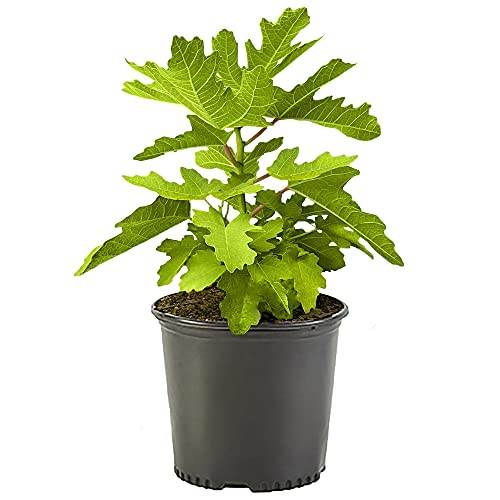
Thrives in USDA zones 7-9
Typical Timeframes
Young fig trees commonly begin to bear fruit around 2-3 years after planting. During this period, fruit development can vary based on care and environmental factors. In optimal conditions, such as consistent warmth and adequate moisture, some trees might produce small figs within their second year. As the tree matures, expect more reliable yields around 3-5 years. By the fifth year, trees usually reach their full production capability.
Variations by Region
The region where you grow your fig tree significantly affects its fruiting timeline. In warmer climates, such as USDA Zones 8-10, fig trees thrive and generally produce fruit earlier. For instance, they might start yielding fruit in their second year. In cooler regions or areas with short growing seasons, figs may take longer to mature. Here, trees often require an additional year or two before significant fruit production begins.
Conclusion
Growing fig trees can be a rewarding journey filled with anticipation. With the right care and conditions you can enjoy the sweet fruits of your labor in just a few years. Remember that patience is key as your tree matures and begins to produce.
By understanding the specific needs of your fig tree variety and the climate you’re in you’ll set yourself up for success. So keep nurturing your tree and soon enough you’ll be able to savor the delicious figs you’ve been waiting for. Happy gardening!
Frequently Asked Questions
When do fig trees start producing fruit?
Fig trees typically begin to produce fruit within 2-3 years after planting. Some trees may yield small figs in their second year under optimal conditions.
What conditions do fig trees need to thrive?
Fig trees thrive in warm, temperate to subtropical climates. They require full sunlight, well-drained soil, and consistent moisture for healthy growth and fruit production.
What are the main types of fig trees?
The main types of fig trees include Common Figs, Smyrna Figs, and Edible Figs. Each has unique traits and growing requirements, influencing their fruit production rates.
How does climate affect fig tree fruiting?
Climate significantly affects fig tree fruiting. In warmer climates (USDA Zones 8-10), trees typically produce fruit earlier, while those in cooler regions may take 1-2 additional years to mature.
What factors influence when fig trees bear fruit?
Factors influencing fig tree fruiting include tree age, variety, and climate conditions. Generally, substantial yields occur when the tree is 3-5 years old, and different varieties produce fruit at varying rates.
