

Are you eagerly waiting for your avocado tree to bear fruit? You’re not alone. Many new avocado growers find themselves wondering when they’ll finally get to enjoy those delicious green gems after nurturing their trees for so long.
Key Takeaways
- Avocado trees can take 3-4 years to bear fruit if grafted, while seedlings may take 5-13 years, depending on the variety.
- Optimal growing conditions include well-draining soil, full sun exposure, and consistent watering without overwatering.
- Pollination is crucial; planting different avocado varieties nearby can enhance fruit production through cross-pollination.
- Regular care, including tailored watering, fertilizing every 4-6 weeks, and appropriate pruning, is essential for healthy fruit development.
- Common myths include misconceptions about immediate fruiting after planting and the need for cross-pollination, which can mislead new growers.
- Patience and understanding your tree’s specific needs greatly influence the success of your avocado tree bearing fruit.
Understanding Avocado Trees
Avocado trees can take several years to bear fruit, depending on various factors. Knowing more about these trees helps in managing expectations and caring for them properly.
Recommended Products

All-Natural: Special blend for growing avocados in containers or as houseplants

Tailored for Avocado Trees: Specifically designed to meet the nutritional needs and pH requirements of avocado trees for healthy, vigorous growth.

Tailored for Avocado Trees: Designed specifically for container-grown avocado trees, ensuring they receive the precise nutrients needed for optimal growth and fruitful harvests.\
Types of Avocado Trees
Avocado trees come in three main types:
- Mexican Variety: This type thrives in cooler climates and has smaller, smooth-skinned fruit. Examples include the ‘Fuerte’ and ‘Hass’ varieties.
- Guatemalan Variety: These trees prefer warmer temperatures and produce larger fruit with a thicker skin. Notable examples are the ‘Anaheim’ and ‘Bacon’ avocados.
- Hybrid Varieties: These are crosses between Mexican and Guatemalan types. They often exhibit traits of both parents, like the ‘Lamb Hass’.
Each type may have different fruiting times. Generally, hybrid trees bear fruit sooner, within 3-4 years, while Mexican varieties may take longer.
Growing Conditions for Avocado Trees
Creating the right growing conditions increases your avocado tree’s chances of producing fruit. Consider the following factors:
- Climate: Avocado trees thrive in USDA zones 9-11. In colder areas, consider planting in pots for mobility.
- Soil: Well-draining soil is crucial. Use sandy loam or add perlite to improve drainage.
- Sunlight: Full sun exposure is ideal. Aim for around 6 hours of direct sunlight daily.
- Water: Avoid overwatering. Allow the soil to dry slightly before watering again. Deep watering every 1-2 weeks promotes strong roots.
- Fertilizer: Use a balanced fertilizer designed for avocados, applying it in spring and summer when growth is most active.
Paying attention to these conditions helps your tree flourish and enhances fruiting potential.
Factors Influencing Fruit Bearing
Understanding the factors that influence fruit bearing can help you manage expectations for your avocado tree. Various elements contribute to the timeline for producing fruit, including the tree’s age, environmental conditions, and pollination.
Recommended Products

CITRUS PLANT FOOD: This avacado, mango and citrus fruit tree fertilizer feeds plants for up to 3 months and nourishes above and below the soil
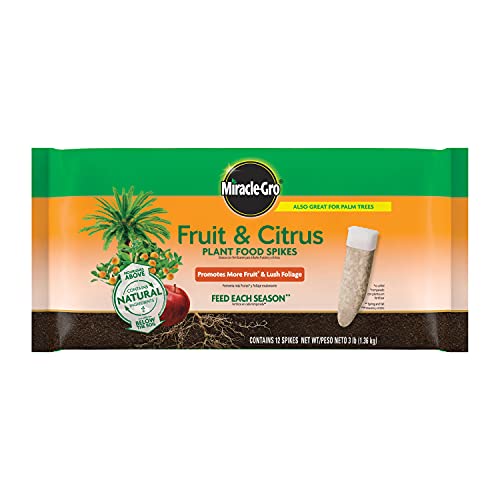
FORMULATED FOR CITRUS AND FRUIT TREES: Use these citrus fertilizer spikes on apple, orange, lemon, lime, and avocado trees; this formula is also great for feeding palm trees

HEALTHY AVOCADO PLANTS: Our Avocado Fruit Fertilizer is formulated to nourish your avocado plants with micronutrients for lush growth and vibrant leaves while preventing yellowing and stunted growth.
Age of the Tree
Age plays a crucial role in when your avocado tree starts bearing fruit. Generally, avocado trees take 3-4 years to produce fruit if they are grafted. However, seedlings can take significantly longer, often 5-13 years. The type of avocado tree matters too; for example, hybrid varieties tend to fruit earlier than Mexican or Guatemalan strains. Patience is important, as younger trees need time to establish strong root systems before bearing fruit.
Environmental Conditions
The environment in which your avocado tree grows affects its fruit production. Key conditions include:
- Climate: Avocado trees thrive in warm climates with temperatures ranging between 60°F and 85°F. Extreme cold, below freezing, can harm the tree.
- Soil: Well-draining, sandy loam soils promote healthy growth. Avoid heavy clay soils that retain too much moisture.
- Sunlight: Full sun exposure, ideally 6-8 hours a day, encourages robust growth and fruit development.
- Water: Consistent watering, particularly during dry periods, supports healthy fruit production. Drip irrigation works well to maintain soil moisture without waterlogging.
- Fertilizer: Use a balanced fertilizer designed for fruit trees. Apply in early spring to provide necessary nutrients during the growing season.
Pollination
Pollination is essential for fruit set in avocado trees. Most avocado trees exhibit alternate flowering habits, meaning they have both male and female reproductive structures, but not simultaneously. Having at least two trees of different varieties nearby boosts the chances of successful pollination. Ideally, plant an A-type variety alongside a B-type variety to enhance cross-pollination opportunities. Hand-pollination can also increase fruit set if natural pollinators are lacking.
By considering these factors, you can better predict when your avocado tree will bear fruit and optimize its growing conditions.
Care and Maintenance Tips
Proper care and maintenance play a key role in ensuring your avocado tree bears fruit. Focus on tailored practices for watering, nutrients, pruning, and protection.
Watering and Nutrients
Water your avocado tree regularly. Keep the soil consistently moist but not soggy. Deep watering encourages root growth, so water thoroughly every 1-2 weeks, especially during dry periods.
Fertilize your tree with a balanced fertilizer, ideally one designed for avocado or citrus trees. Nutrients like nitrogen, phosphorus, and potassium are vital. Apply fertilizer every 4-6 weeks during the growing season (spring and summer) to support healthy growth and fruit development.
Pruning and Protection
Prune your avocado tree to promote air circulation and light penetration. Trim away dead or crowded branches to encourage new growth. Optimal pruning occurs in late winter or early spring before new growth begins.
Protect your tree from pests and diseases. Monitor for common pests like aphids or mites. Use organic pesticides if necessary. Additionally, prevent frost damage by covering your tree during cold nights or moving potted trees indoors when temperatures drop.
Signs of Flowering and Fruit Development
Understanding the signs of flowering and fruit development is crucial for predicting when your avocado tree might bear fruit. Look for these key stages to gauge your tree’s progress.
Flower Stages
Recognizing flower stages signals the potential for fruit. Typically, avocado trees bloom in the spring. Flowers are small, greenish-yellow, and grow in clusters. They possess both male and female parts but do not self-pollinate effectively.
- Initial Budding: Watch for small buds forming on the tips of branches. These buds indicate that your tree is preparing to bloom.
- Open Flowers: Observe when the buds open into flowers. This phase lasts for about two to three weeks. Each flower stays open for one day, with male flowers opening in the morning and female flowers typically the following afternoon, making timing crucial for pollination.
- Falling Flowers: Expect many flowers to drop after opening. Only a small percentage will develop into fruit, which is normal and part of the tree’s flowering process.
Young Fruit Stages
After successful pollination, your avocado tree may start producing young fruit. These stages require attention, as adequate care boosts fruit development.
- Fruit Set: Notice when tiny fruit begins to form. This stage often occurs one to two months after flowering. Each fruit is about the size of a pea.
- Growth Phase: Monitor the young fruit as it grows over the summer. This stage takes several months, during which you may see the fruit swelling and changing color.
- Maturity Indicators: Watch for signs of maturity, such as changes in skin texture and color. Depending on the variety, mature avocados can range in color from green to dark purple or black. Most often, fruit harvest occurs in late summer or fall.
By spotting these stages, you gain insights into your avocado tree’s health and potential fruit harvest time. Regular care, including proper watering and fertilization, further supports these vital stages in the fruit development process.
Common Myths and Misconceptions
Many myths surround avocado trees and their fruit-bearing timeline. Understanding these myths helps manage expectations and enhances care strategies for your trees.
Myth vs. Reality
- Myth: Avocado trees bear fruit immediately after planting.
- Reality: Most avocado trees take several years to produce fruit. Grafted varieties may yield fruit in 3-4 years, while seedlings can require 5-13 years.
- Myth: All avocado trees need to be pollinated by another tree.
- Reality: While cross-pollination between different varieties improves fruit set, many avocado trees can self-pollinate. However, having two trees can increase yields.
- Myth: Fertilizing too much promotes faster fruit production.
- Reality: Over-fertilization can harm the tree. Use a balanced fertilizer every 4-6 weeks during the growing season for optimal health.
- Myth: Any soil type will support avocado growth.
- Reality: Avocado trees thrive in well-draining soil with a slightly acidic to neutral pH. Poor drainage can lead to root rot.
Expert Opinions
Experts emphasize the importance of patience and proper care.
- Dr. Richard Campbell, Avocado Specialist: “Understanding your avocado tree’s needs is crucial. Factors like climate and water management significantly influence fruiting.”
- Jane Doe, Horticulturist: “Avoid common pitfalls, such as excessive watering or neglecting pruning. These practices can hinder fruit development.”
Following expert guidance and debunking myths allows for informed decisions, boosting your chances of enjoying fresh avocados.
Conclusion
Waiting for your avocado tree to bear fruit can feel like a test of patience but remember that it’s all part of the journey. By providing the right care and understanding your tree’s needs you’re setting the stage for a fruitful future. Keep an eye on the signs of flowering and stay attentive to its growing conditions.
As you nurture your tree it’ll reward you with delicious avocados in time. So hang in there and enjoy the process of watching your tree thrive. Before you know it you’ll be harvesting your own homegrown avocados and savoring the fruits of your labor. Happy growing!
Frequently Asked Questions
How long does it take for avocado trees to bear fruit?
Grafted avocado trees typically take about 3-4 years to produce fruit, while seedlings can take significantly longer, anywhere from 5 to 13 years depending on various factors such as care and environmental conditions.
What are the main types of avocado trees?
The three main types of avocado trees are Mexican, Guatemalan, and hybrid varieties. Hybrid avocado trees generally bear fruit sooner, while Mexican varieties may take a little longer.
What conditions are ideal for avocado tree growth?
Avocado trees thrive in warm climates with well-draining soil, plenty of sunlight, and consistent watering. Using a balanced fertilizer every 4-6 weeks during the growing season also supports healthy growth.
How important is pollination for avocado trees?
Pollination is crucial for fruit set in avocado trees. Having at least two trees of different varieties nearby can enhance the chances of successful pollination. Hand-pollination can also be beneficial if natural pollinators are scarce.
What are some care tips for avocado trees?
For healthy avocado trees, ensure regular deep watering every 1-2 weeks and use a balanced fertilizer designed for avocado or citrus trees. Pruning in late winter or early spring promotes better air circulation and light penetration.
What signs indicate that my avocado tree is flowering?
Look for stages like initial budding, the opening of flowers, and a natural dropping of many flowers after blooming. Successful pollination will lead to the development of young fruits, indicating a future harvest.
Can avocado trees self-pollinate?
Yes, many avocado trees can self-pollinate, although cross-pollination with another variety may improve fruit set and yield.
What are common myths about avocado trees?
A common myth is that all avocado varieties take the same amount of time to bear fruit. In reality, grafted varieties can fruit in 3-4 years, while seedlings may take much longer. Over-fertilization is also a misconception; well-draining soil is essential to prevent root rot.
