

Have you ever wondered when loquat trees bear their delicious fruit? If you’ve planted one in your yard or are thinking about it, knowing the timing can really help you plan for that sweet harvest.
Key Takeaways
- Fruiting Timeline: Loquat trees bear fruit between late spring and early summer, typically 90 to 120 days after blooming in late winter to early spring.
- Soil Conditions: Well-drained, fertile soil with a pH of 6.0 to 6.5 is crucial for optimal growth and fruiting success.
- Watering Needs: Maintain consistent moisture for young trees, while mature loquats require less frequent watering to thrive.
- Pollination Importance: Successful pollination, aided by pollinators like bees, is essential for fruit development after flowering.
- Signs of Ripeness: Look for a yellow-orange skin color and slight softness when gently squeezed to determine when loquats are ready for harvest.
- Harvesting Techniques: Use clean, sharp tools and support the branch when harvesting to minimize damage and ensure a successful pick.
Overview of Loquat Trees
Loquat trees (Eriobotrya japonica) thrive in subtropical and mild temperate regions. These evergreen trees can reach heights of 10 to 25 feet. Their glossy, dark green leaves add aesthetic appeal to any landscape.
Growth and Care
- Soil Requirements: Loquat trees prefer well-drained, fertile soil. Ensure pH levels range from 6.0 to 6.5 for optimal growth.
- Watering Needs: Water regularly, especially during dry spells. The young trees need consistent moisture, while mature trees require less frequent watering.
- Sunlight: Full sun exposure promotes healthy growth. Plant your tree in a location where it receives at least six hours of sunlight daily.
Flowering Time
Loquat trees bloom in late winter to early spring. Flowers appear as clusters of small, white to cream-colored blossoms. These blossoms attract pollinators, such as bees, enhancing fruit production.
Fruit Development
Fruit typically forms after successful pollination. It takes about 90 to 120 days for the fruits to mature. You can expect a harvest between late spring and early summer. The fruits are oval-shaped, with a smooth skin that turns from green to yellow or orange when ripe.
- Golden Nugget: Offers sweet, juicy fruit and is resistant to pests.
- Large White: Known for its large, flavorful fruits, this variety is popular among home gardeners.
- CT Evergreens: Grows well in colder climates and produces a bountiful fruit crop.
Understanding the growing and fruiting timeline of loquat trees helps you anticipate your harvest and care routines, leading to a fruitful outcome.
Growth Stages of Loquat Trees
Understanding the growth stages of loquat trees (Eriobotrya japonica) is essential for successful cultivation. This section outlines the key stages in their development, helping you anticipate their fruiting potential.
Recommended Products

NUTRIENT-RICH, NATURAL, AND ORGANIC SOIL: Grow a bountiful garden in your home with the Back to the Roots All-Purpose Natural and Organic Peat-Free 3-in-1 Seed Starting Mix, packed with the nutrients needed for your plants, flowers, and vegetables to thrive
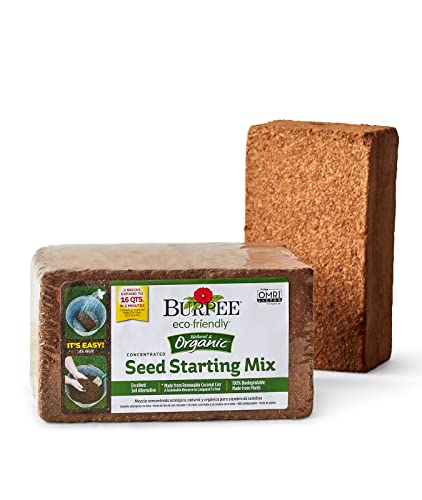
ORGANIC COCONUT COIR: Made from recycled coconut husks, coir is a light, sustainable growing medium that holds the perfect amount of moisture for starting seeds. 100% biodegradable soil alternative. Environmentally-friendly and a renewable alternative to peat moss. OMRI listed and certified organic.

Package Includes: You will get 100pcs 30mm seed starter pods. Once the seedlings have grown, simply insert the entire seed starter or seedling into an outdoor terrace, deck planter or backyard garden. Since there is no root disturbance, it is easy to build plants. It could't be easier!
Germination Period
Loquat seeds typically germinate within 2 to 4 weeks under optimal conditions. The seeds require a warm environment and moist, well-draining soil. Ensure temperatures range between 70°F and 85°F for successful germination. Some tips for germinating loquat seeds include:
- Soak seeds in water for 24 hours before planting to enhance moisture absorption.
- Plant the seeds about 1 inch deep in a pot filled with seed-starting mix.
- Keep the soil consistently moist but not waterlogged to prevent rot.
Early Development
After germination, loquat seedlings enter the early development stage. This stage lasts around 4 to 12 months. During this time, seedlings require specific care to thrive:
- Light Exposure: Provide full sun for at least 6 hours daily to promote strong growth.
- Watering Needs: Water regularly while allowing the soil to dry slightly between sessions to encourage root strength.
- Fertilization: Use a balanced, slow-release fertilizer every 4 to 6 weeks to support healthy growth.
Monitoring the seedlings closely during this stage ensures they develop into robust young trees ready for transplanting. With proper care, your loquat trees will grow stronger and set the stage for fruitful harvests in the future.
Factors Influencing Fruiting
Several factors affect when loquat trees fruit. Understanding these elements helps maximize your chances of a successful harvest.
Climate Requirements
Climate plays a significant role in fruiting. Loquat trees thrive in subtropical and mild temperate climates. Ideal temperatures range from 20°F to 95°F. Regions with frost-free winters ensure healthy growth, as cold temperatures can damage blooms. If you live in an area prone to late frosts, consider planting your loquat in a sheltered spot. Consistent rainfall or irrigation also promotes healthy fruit development. You might face challenges in areas with extreme temperatures or prolonged dry spells.
Soil Conditions
Soil conditions significantly impact fruiting as well. Loquat trees prefer well-draining, loamy soils with a pH level between 6.0 and 7.5. Sandy or clay soils may lead to water retention issues, affecting root health. If your soil is not ideal, consider amending it with organic matter or compost to improve drainage and nutrient content. Regular soil testing can help ensure your soil remains balanced. Adding mulch around the base can also promote moisture retention while preventing weeds, leading to healthier trees that fruit more readily.
Typical Fruiting Seasons
Loquat trees typically bear fruit between late spring and early summer. The exact timing depends on your local climate and specific tree variety. Here’s a breakdown of when to expect fruit in different conditions:
Blooming Timeline
- Late Winter to Early Spring: Loquat trees bloom with white to cream-colored flowers. During this time, ensure pollinators can access your trees. Pollinators like bees play a crucial role in fruit set.
Fruit Development
- 90 to 120 Days: After pollination, allow 90 to 120 days for the fruit to mature. This timeline can vary slightly based on environmental factors, including temperature and moisture levels.
Regional Variations
- Subtropical Regions: In warmer areas, fruiting may begin earlier, as mild winters can promote faster growth.
- Mild Temperate Regions: In cooler climates, expect fruiting dates to shift later into the season.
Example: For a loquat tree in a subtropical region, the harvest might begin in late April. In contrast, a tree in a cooler area might not yield fruit until mid-June.
- Color Change: Look for fruit turning from green to yellow-orange. This color change indicates ripening.
- Softness: Gently squeeze the fruit. A slight softness signals it’s ready for harvest.
By monitoring these indicators and understanding the fruiting season, you can maximize your loquat’s yield. Prepare to enjoy your sweet harvest during the warm summer months.
Harvesting Loquats
Harvesting loquats requires timing and careful observation. Loquats generally ripen between late spring and early summer. An important detail is that ripening occurs about 90 to 120 days after blooming, which typically happens in late winter to early spring.
Recommended Products

Reduce Hand Strain: These micro tip snips are made to reduces hand fatigue which makes them great for those with arthritis, carpal tunnel, hand or wrist issues; Comfortable “grip” handles will make it easy to work for long-time use without making you feel hand pain

CLEAN CUTS FOR LIVE GROWTH: Bypass blade design is ideal for pruning delicate flower stems and green growth, helping reduce crushing and plant damage while cutting stems and small branches up to 5/8” in diameter

HERB GARDENING ESSENTIAL: Stainless steel blade plant shears with sheath ideal for harvesting herbs outdoors or with a window herb garden for kitchen; encourages overall lawn and garden health, or perfect gift to go with any indoor herb garden kit
Signs of Ripeness
You can identify ripe loquats by their color and texture. Look for a yellow-orange hue, indicating maturity. Gently squeeze the fruit; ripe loquats yield slightly to pressure. Avoid harvesting when they’re still green, as the flavor won’t be optimal.
Picking Techniques
To harvest loquats, consider these techniques:
- Use Clean Tools: A sharp pair of garden scissors or pruning shears works best. Ensure they’re clean to prevent disease.
- Support the Branch: Hold the branch with one hand while cutting to avoid breaking it.
- Cut at the Stem: Cut the stem close to the point where it attaches to the fruit, minimizing damage.
Post-Harvest Care
After harvesting, handle the fruit with care. Place loquats in a single layer in a breathable container. Avoid stacking them to prevent bruising. Store in a cool area away from direct sunlight for up to a week.
Uses for Loquats
Enjoy your freshly harvested loquats in various ways:
- Raw Consumption: Eat them fresh to enjoy their unique flavor.
- Cooking: Use them in pies, jams, or sauces.
- Beverages: Add them to smoothies or make loquat juice.
By keeping an eye on ripeness indicators and applying proper harvesting techniques, you can maximize your loquat yield and enjoy this delicious fruit throughout the summer.
Conclusion
Understanding when your loquat tree fruits can make all the difference in your gardening experience. By knowing the blooming and fruiting timeline you can plan your care routine and maximize your harvest. Keep an eye on the signs of ripeness so you can enjoy those sweet, juicy fruits at their best.
Whether you’re new to loquat trees or a seasoned grower it’s all about patience and observation. With the right conditions and care your loquat tree will reward you with a bountiful harvest to savor all summer long. Happy gardening and enjoy those delicious loquats!
Frequently Asked Questions
What is a loquat tree?
A loquat tree (Eriobotrya japonica) is a subtropical fruit tree known for its glossy, dark green leaves and delicious fruit. It typically grows between 10 to 25 feet tall and is valued for its aesthetic appeal as well as its fruit.
When do loquat trees bloom?
Loquat trees bloom in late winter to early spring, producing clusters of small white to cream-colored flowers. These flowers are essential for attracting pollinators, which assist in fruit development.
How long does it take for loquat fruit to mature?
After pollination, loquat fruit typically matures in 90 to 120 days. This means harvest can be expected between late spring and early summer, depending on the climate and variety of the tree.
What are the ideal growing conditions for loquat trees?
Loquat trees thrive in subtropical and mild temperate climates, preferring temperatures between 20°F and 95°F. They require well-draining, loamy soil with a pH level between 6.0 and 7.5 to support healthy growth.
How can I help my loquat seeds germinate?
To ensure successful germination, soak loquat seeds before planting and maintain consistent moisture in warm, well-draining soil. Under optimal conditions, seeds typically germinate within 2 to 4 weeks.
What signs indicate loquats are ripe for harvest?
Ripe loquats turn a yellow-orange color and feel slightly soft when squeezed. Harvest them when they reach this stage for the best flavor and texture.
How should I store loquats after harvesting?
After picking, store loquats in a single layer in a breathable container away from direct sunlight. This helps maintain their freshness and prevents spoilage.
What can I use loquats for?
Loquats are versatile fruits that can be eaten raw, cooked in dishes, or used in beverages. Enjoying them fresh or incorporating them into recipes allows you to savor the harvest throughout summer.
