

Are your fruit trees struggling to produce the delicious harvest you dream of? Timing is everything when it comes to fertilizing these trees, especially in Arizona’s unique climate. Knowing when to feed your trees can make a world of difference in their growth and fruit production.
Key Takeaways
- Timing is Crucial: Fertilize in early spring, late spring, and fall to optimize growth and fruit production in Arizona’s climate.
- Key Nutrients: Focus on nitrogen for leaf growth, phosphorus for root and flower development, and potassium for fruit quality and resilience.
- Soil Testing: Conduct soil tests to identify nutrient levels, allowing for tailored fertilization and effective application.
- Watch for Symptoms: Monitor trees for signs of nutrient deficiencies, such as yellowing leaves or poor fruit production, to adjust fertilization accordingly.
- Method of Application: Use granular, liquid, or organic fertilizers based on your trees’ needs, ensuring proper watering for nutrient absorption.
Understanding Fruit Trees Fertilization
Fertilizing fruit trees in Arizona requires a keen understanding of their specific needs. Closely monitor your trees and adapt your fertilization practices accordingly.
Key Nutrients for Fruit Trees
- Nitrogen: Essential for leaf growth and overall vigor. Look for nitrogen-rich fertilizers for robust foliage.
- Phosphorus: Crucial for root development, flowering, and fruit set. Choose balanced fertilizers containing phosphorus for enhanced fruit production.
- Potassium: Helps improve fruit quality and tree resilience. Use fertilizers with potassium to promote healthy, flavorful fruit.
Best Times to Fertilize
- Early Spring: Apply fertilizer just as trees begin to bud. This timing supports new growth and sets the stage for a fruitful season.
- Late Spring or Early Summer: A second application can help sustain growth during fruit development. Ensure this application is lighter to avoid burning young roots.
- Fall: When trees begin to prepare for dormancy, apply a slow-release fertilizer to provide nutrients through winter.
Fertilization Methods
- Granular Fertilizers: Spread them evenly around the base of the tree. Ensure you follow package instructions for correct application rates.
- Liquid Fertilizers: Mix according to directions and apply during watering sessions. This method helps deliver nutrients quickly to the roots.
- Organic Options: Compost or well-rotted manure can serve as excellent slow-release fertilizers. Incorporate them into the soil for sustained benefits.
Signs Your Trees Need Fertilization
- Poor Growth: If your trees show stunted growth or yellowing leaves, these can indicate nutrient deficiencies.
- Low Fruit Production: Sparse or small fruits suggest the need for additional nutrients. Evaluate your fertilization routine and adjust as necessary.
- Soil Testing: Conduct soil tests to determine existing nutrient levels. This knowledge helps tailor your fertilization approach.
- Watering: Water trees well before and after applying fertilizers to facilitate nutrient absorption and reduce root burn.
- Observation: Keep an eye on tree health throughout the growing season. Adjust your fertilization strategy based on their responses.
By understanding proper fertilization techniques and timing, you can help your fruit trees thrive in Arizona’s climate, ensuring a fruitful harvest each season.
Best Time to Fertilize in Arizona
Proper timing for fertilizing fruit trees in Arizona promotes healthier growth and better fruit production. Fertilize at the right times to meet the trees’ nutritional needs and adapt to local climate conditions.
Recommended Products

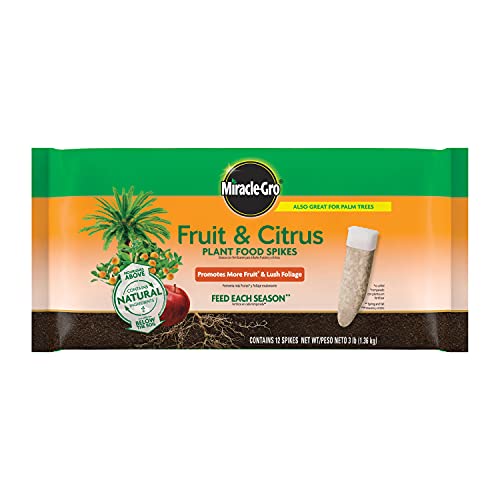
FORMULATED FOR CITRUS AND FRUIT TREES: Use these citrus fertilizer spikes on apple, orange, lemon, lime, and avocado trees; this formula is also great for feeding palm trees

Made for Lemon & Citrus Trees – Formulated to support healthy growth in lemon and citrus plants.
Spring Fertilization
Fertilize in early spring, typically when trees begin to bud. This timing supports new growth and sets the foundation for fruitful seasons. Use nitrogen-rich fertilizers to enhance leaf development. Incorporate organic options such as compost for added nutrients and soil health.
Monitor tree health for signs like yellowing leaves or stunted growth, indicating a need for nutrients. Apply fertilizer following manufacturer instructions to avoid over-fertilization. Water the trees well after applying to help nutrients penetrate the soil.
Fall Fertilization
Fall fertilization occurs between late September and early November, preparing trees for winter dormancy. This application focuses on root health and ensures trees store essential nutrients for the next growing season. Apply fertilizers high in phosphorus and potassium to boost root development and enhance fruit quality.
Conduct soil tests before this application to refine nutrient choices. Observe tree vigor throughout the season; weak trees may benefit from fall feeding. As with spring fertilization, water thoroughly after applying to promote nutrient absorption. Maintain a consistent schedule to support ongoing tree health.
Factors Influencing Fertilization Timing
Several factors influence when you should fertilize fruit trees in Arizona. Understanding these aspects helps ensure optimal growth and fruit production.
Recommended Products

Produce abundant and vibrant fruit and blooms! This product works by strengthening your plant's roots to increase nutrient uptake… enabling it to bloom and produce like you've never seen!

Let our professionally formulated plant food help your fruit tree grow healthy, strong AND abundantly producing

🍋 EXPLOSIVE HARVEST: GardenWise ignites a remarkable yield boost. Its scientific blend, featuring 6% nitrogen for growth, 4% phosphorus for flowering, and 6% potassium for fruit quality, culminates in an abundance of flavorful, aromatic fruits. This is more than growth; it's a nutrient-powered revolution in your citrus yield.
Type of Fruit Tree
Different types of fruit trees require different nutrient compositions and timing for fertilization. For instance, citrus trees benefit from a nitrogen-rich fertilizer applied in early spring, while stone fruit trees, such as cherries and peaches, thrive with a balanced fertilizer in late spring. Always consider the specific needs of your fruit trees.
Soil Conditions
Soil conditions also play a vital role in determining fertilization timing. Well-drained soils with good organic matter may not require as much fertilizer, while sandy soils often need more frequent applications to retain essential nutrients. Test your soil regularly to identify nutrient deficiencies. If the soil lacks nitrogen, apply a nitrogen-based fertilizer at the start of the growing season. Adjust your fertilization schedule based on soil test results and specific tree requirements.
Recommended Fertilizers for Arizona
Selecting the right fertilizer is essential for maintaining the health of your fruit trees in Arizona. Here are some recommended options:
Nitrogen-Rich Fertilizers
- Urea: Contains 46% nitrogen, promoting vigorous leaf growth. Use it in early spring.
- Ammonium Nitrate: Offers 34% nitrogen, great for a quick nutrient boost. Apply in early spring as trees begin to bud.
- Blood Meal: A natural option with about 12-15% nitrogen. It also improves soil structure. Sprinkle around the base of the trees.
Phosphorus and Potassium-Rich Fertilizers
- Superphosphate: This fertilizer has high phosphorus levels, essential for enhancing root development and flowering. Use this during fall.
- Potassium Sulfate: Provides 50% potassium, improving fruit quality and enhancing tree resilience. Apply in fall to help trees store nutrients for winter.
- Bone Meal: A natural source of phosphorus, it’s perfect for organic growing. Mix it into the soil in early spring.
Organic Options
- Compost: Rich in nutrients, compost can be incorporated into the soil during spring. It promotes overall soil health.
- Fish Emulsion: A good alternative for nitrogen, this fertilizer also supplies trace minerals. Mix with water and apply in early spring.
- Worm Castings: These add beneficial microorganisms to the soil. You can use them anytime for a nutrient boost.
Application Tips
- Soil Testing: Before applying fertilizers, conduct a soil test. This helps you tailor your fertilization based on existing nutrient levels.
- Read Instructions: Always follow manufacturer guidelines for application rates. Avoid over-fertilization to prevent tree damage.
- Watering: Water trees after applying fertilizers. This helps nutrients penetrate the soil.
- Spring Applications: Focus on nitrogen to support new growth. Fertilize when trees show signs of budding.
- Fall Applications: Prioritize phosphorus and potassium for root health. Fertilize before colder months to prepare trees for dormancy.
These fertilizer options and application tips will help ensure robust fruit tree growth and a fruitful harvest in Arizona’s unique climate.
Conclusion
Taking the time to properly fertilize your fruit trees can make a world of difference in their growth and productivity. By understanding the specific needs of your trees and the best times to apply nutrients you can set your garden up for success.
Keep an eye on your trees and their health throughout the year. Regular monitoring and soil testing will help you adjust your fertilization routine as needed. With a little care and attention you’ll enjoy a bountiful harvest season after season. Happy gardening!
Frequently Asked Questions
What is the best time to fertilize fruit trees in Arizona?
Fertilize fruit trees in Arizona during early spring when buds start to form, again in late spring or early summer, and in the fall between late September and early November. This timing supports growth, flowering, and prepares trees for winter.
What nutrients do fruit trees need?
Fruit trees primarily need nitrogen for leaf growth, phosphorus for root development and flowering, and potassium to enhance fruit quality and tree resilience. Each nutrient plays a specific role in promoting healthy tree development.
How do I know if my fruit tree needs fertilizer?
Signs of nutrient deficiency include yellowing leaves, stunted growth, or poor fruit production. Regular monitoring of your tree’s health will help you identify when fertilization is necessary.
What types of fertilizer are recommended for fruit trees in Arizona?
In Arizona, use nitrogen-rich fertilizers like urea and ammonium nitrate in spring, and phosphorus and potassium-rich options like superphosphate and potassium sulfate in fall. Organic options like compost and worm castings are also beneficial.
Why is soil testing important before fertilizing?
Soil testing helps determine the specific nutrient needs of your fruit trees and any deficiencies present in the soil. This ensures you apply the right type and amount of fertilizer for optimal growth and fruit production.
How should I apply fertilizer to my fruit trees?
Fertilizers can be applied through granular, liquid, or organic methods. Follow manufacturer instructions for application rates and methods to prevent over-fertilization and ensure effective nutrient absorption.
What should I do after fertilizing fruit trees?
After applying fertilizer, water your trees thoroughly to help nutrients penetrate the soil and reach the roots. This practice enhances nutrient absorption and supports healthy tree growth.
