

Have you ever planted a fruit tree and wondered when you’ll finally get to enjoy its delicious harvest? You’re not alone. Many gardeners face the same excitement and impatience as they nurture their trees, eagerly anticipating the day they can pick fresh fruit right from their backyard.
Key Takeaways
- Fruit Tree Maturity: Different fruit tree species have varying maturity timelines; for example, apple trees typically yield fruit in 3 to 5 years, while cherry trees may take 4 to 7 years.
- Influence of Rootstock: The rootstock used in planting can significantly affect how quickly a tree bears fruit. Dwarf rootstocks often enable earlier fruiting, within 2 to 4 years.
- Essential Growing Conditions: Optimal soil quality, adequate sunlight, and proper watering are crucial for reducing maturity time and promoting healthy fruit production.
- Care Practices Matter: Regular pruning, fertilizing, and inspecting for pests are essential maintenance practices that can positively impact the fruit yield and health of the trees.
- Seasonal Variations: Spring weather, including temperature fluctuations and water availability, significantly influences fruit set and harvest timing.
- Understanding Environmental Factors: Selected climate conditions, soil quality, and management practices play key roles in the successful fruiting of trees, so consider these factors for better outcomes.
Understanding Fruit Tree Maturity
Fruit trees take time to reach maturity, affecting when they bear fruit. Various factors and tree types influence this timeline.
Factors Influencing Maturity
- Tree Species: Different species mature at different rates. For instance, apple trees typically bear fruit in 3 to 5 years, while cherry trees may take 4 to 7 years.
- Rootstock: The rootstock used can significantly impact growth speed. Dwarf rootstocks promote earlier fruiting, often within 2 to 4 years.
- Growing Conditions: Soil quality, watering, and sunlight availability play crucial roles. Optimal conditions can reduce maturity time.
- Care Practices: Pruning and fertilizing promote healthy growth and can accelerate fruiting timelines. Consistent care leads to stronger trees.
| Fruit Tree Type | Typical Years to Fruit | Lifespan (Years) |
|---|---|---|
| Apple | 3-5 | 50-100 |
| Pear | 4-6 | 30-40 |
| Cherry | 4-7 | 20-30 |
| Peach | 3-6 | 15-30 |
| Plum | 3-6 | 15-30 |
Understanding the specific type of fruit tree helps set expectations. Each type yields fruit at various intervals, impacting your gardening strategies and planning for harvests.
Timeline for Fruit Bearing
Understanding when fruit trees bear fruit involves exploring various factors like tree species, care practices, and environmental conditions. Here’s a breakdown of what to expect as your trees grow.
Recommended Products

Product Quantity: 180+ premium bonsai fruit seeds across 5 varieties; Individual packs contain 40+ apple, 40+ lemon, 40+ orange, 20+ blueberry, and 40+ cherry seeds; Perfect for starting a diverse miniature orchard

4 kinds of the most popular fruits, individually packaged, 50pcs Lemon seeds 50pcs Cherry seeds 50pcs Orange seeds 50pcs Apple seeds Fresh seeds, all fruit seeds are packed in tear and moisture resistant zipper sealed bags for your long term storage.
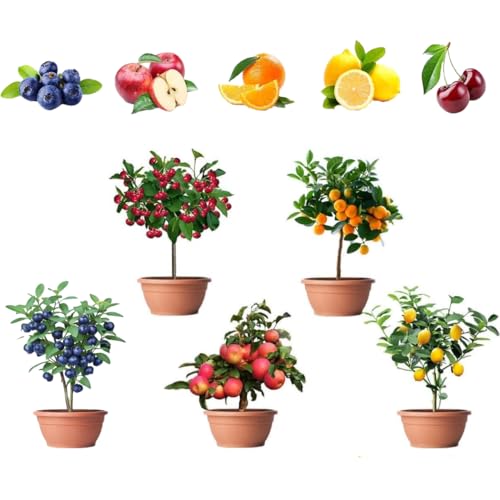
Variety Pack of 5 Fruits: Includes 40 Lemon seeds, 40 Orange seeds, 40 Apple seeds, 20 Cherry seeds, and 20 Blueberry seeds for a colorful and diverse home garden
Common Fruit Trees and Their Bearing Age
- Apple Trees: Generally bear fruit in 3 to 5 years. Varieties like Fuji and Gala may mature faster than Granny Smith.
- Cherry Trees: Expect fruit in 4 to 7 years, with sweet cherries typically taking longer than sour cherries.
- Peach Trees: Usually produce fruit in 3 to 4 years, with early varieties like Redhaven bearing sooner.
- Pear Trees: Fruit appears in 4 to 6 years. Asian varieties tend to bear earlier than European types.
- Plum Trees: Look for fruit in 3 to 6 years, depending on the specific variety and rootstock used.
Seasonal Variations in Fruit Production
Seasonal factors significantly impact fruit production. Here are key points to consider:
- Spring Blossoms: Most fruit trees blossom in spring, setting the stage for fruit development.
- Temperature Effects: Warmer spring temperatures can accelerate blooming, while late frosts may damage blossoms, affecting yields.
- Growing Seasons: Trees in warmer climates may bear fruit earlier compared to those in cooler regions due to longer growing seasons.
- Water Availability: Adequate water during flowering promotes better fruit set, while drought stress can reduce yields.
By recognizing these timelines and seasonal variations, you can effectively plan your care practices and manage your expectations for fruit harvests.
Environmental Conditions Affecting Fruit Bearing
Various environmental conditions significantly affect when fruit trees bear fruit. Understanding these factors helps improve your chances of a successful harvest.
Recommended Products

Accurate Soil pH Testing: Dewildetradingco Soil pH Test Strips offer measurements of soil pH levels (pH 3.5-9). As an essential tool for every gardener and grower, these test strips help determine the optimal pH for various plants, such as outdoor plants, indoor plants, gardens, grass lawns, fruit trees, flowers, vegetables, and forest shrubs.

Kindly NOTE: This soil tester can not be applied to test pH value of any other liquid. If the soil is too dry the indicator will not move, and water it before testing.

✅ 1Dial & 1 LCD Screen - Replace/install all 3 batteries each time. Put button to %RH/°F to - Turn On, and put to LIGHT to - Turn Off. Read the LCD results in 3-5 mins. (Not Water Moisture Meter, so, please don't test liquid)
Soil Quality and Nutrients
Soil quality directly influences healthy fruit tree growth. Nutrient-rich soil provides essential elements like nitrogen, phosphorus, and potassium. Ensure your soil has good drainage, as overly wet conditions can harm roots and delay fruit production. Test your soil’s pH, aiming for a range of 6.0 to 7.0, which is generally optimal for most fruit trees.
To enhance soil quality:
- Add organic matter: Incorporate compost or well-rotted manure.
- Fertilize appropriately: Use balanced fertilizers during the growing season.
- Perform soil tests regularly: Monitor nutrient levels and adjust as needed.
Climate and Weather Impact
Climate and weather patterns shape how fruit trees blossom and bear fruit. Temperature, humidity, and precipitation affect growth cycles. Most fruit trees require a chilling period with temperatures below 45°F during winter to promote blooming in spring. For example, apples and pears thrive in cooler climates, while citrus trees flourish in warmer areas.
Stay vigilant regarding:
- Frost damage: Late frosts can kill blossoms, resulting in a reduced or failed harvest.
- Watering: During dry spells, consistent watering supports fruit development.
- Sunlight exposure: Ensure trees receive at least 6 to 8 hours of direct sunlight daily for optimal fruiting.
By considering soil quality and climate factors, you can foster an environment conducive to fruit bearing and maximize your fruit tree harvests.
Care and Maintenance of Fruit Trees
Caring for fruit trees is essential to ensure healthy growth and fruitful harvests. Proper care enhances tree maturity, boosts yield, and helps you enjoy bountiful produce.
Recommended Products
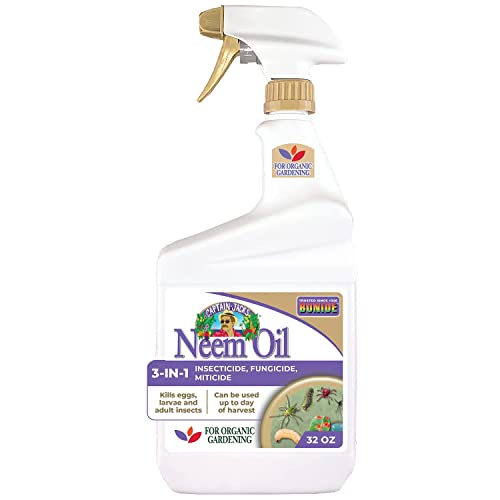
Protect your oasis with 3 garden products in 1 from Captain Jack’s; Bonide Captain Jack’s Ready-to-Use Neem Oil spray for plants is a multi-purpose fungicide, insecticide and miticide for your lawn & garden

Cold-Pressed Neem Oil is a potent natural solution, ideal for maintaining healthy plants

FOR ORGANIC GARDENING: Use in & around the home & garden on roses, flowers, houseplants, ornamental trees & shrubs, fruits & vegetables
Pruning for Better Yield
Pruning fruit trees improves air circulation and sunlight exposure. It promotes better fruit quality and encourages new growth. Use sharp, clean pruning tools to avoid injury to the tree.
- Timing: Prune during the dormant season, typically late winter or early spring, before new growth begins.
- Technique: Remove dead or diseased branches first. Then, thin out overcrowded areas to prevent disease spread.
- Shaping: Aim for an open center structure, which allows more light to reach all parts of the tree.
- Annual Check: Inspect trees each year for branches that need trimming, doing so gradually to avoid shock.
Pest and Disease Management
Effective pest and disease management safeguards your fruit trees. Healthy trees withstand pests better, ensuring fruitful harvests.
- Regular Inspections: Check trees weekly for signs of pests or disease. Common issues include leaf spot, aphids, and fruit rot.
- Natural Treatments: Use organic pesticides if pests are present. Neem oil is effective for many common pests and diseases.
- Fungicide Use: Apply fungicides in early spring to prevent diseases, particularly in humid conditions.
- Sanitation Practices: Clear fallen leaves and debris under trees to eliminate breeding grounds for pests. Dispose of any infected plant material promptly.
- Companion Planting: Introduce beneficial plants next to your fruit trees to deter pests naturally. Marigolds and chives repel some harmful insects.
These care methods ensure your fruit trees thrive, leading to delicious, homegrown fruit.
Conclusion
Growing fruit trees is a rewarding journey filled with anticipation and joy. By understanding the timelines and factors that influence when your trees will bear fruit you can better prepare for the sweet rewards of your hard work.
Remember to pay attention to the specific needs of your trees and the environment around them. With proper care and patience you’ll soon enjoy the fruits of your labor right from your own backyard. Happy gardening and may your harvests be plentiful!
Frequently Asked Questions
How long does it typically take for fruit trees to bear fruit?
Most fruit trees will start producing fruit within 3 to 7 years, depending on the species. For instance, apple trees generally bear fruit in 3 to 5 years, while cherry trees may take 4 to 7 years to produce their first harvest.
What factors influence the maturity of fruit trees?
Maturity in fruit trees is influenced by several factors, including the type of species, rootstock variety, soil quality, climate conditions, and overall care practices. Each of these elements plays a significant role in determining when a tree will bear fruit.
What care practices are necessary for healthy fruit tree growth?
Essential care practices include regular pruning to improve air circulation and sunlight exposure, inspecting for pests and diseases, and ensuring proper watering, especially during dry spells. Maintaining nutrient-rich soil with good drainage is also vital for healthy growth.
How do seasonal variations affect fruit production?
Seasonal variations can significantly impact fruit production by influencing blooming times and fruit development. Changes in temperature, humidity, and precipitation can alter the growth cycle, making it crucial for gardeners to align their care practices with seasonal changes.
What is the importance of soil quality for fruit trees?
Soil quality is crucial for healthy fruit tree growth. Nutrient-rich soil with good drainage promotes strong roots and overall plant health. Regular soil testing is recommended to maintain optimal pH levels and ensure trees receive essential nutrients.
How can I protect my fruit trees from frost damage?
To protect fruit trees from frost damage, consider planting them in sheltered areas, covering young trees on frosty nights, and ensuring they receive adequate water. It’s also important to monitor temperature fluctuations to take preventive measures effectively.
When should I prune my fruit trees?
Pruning should ideally be done during the dormant season, which is typically late winter. This timing helps to improve air circulation, sunlight exposure, and overall tree health, leading to better fruit production in the growing season.
