

Are you dreaming of harvesting fresh fruit right from your own backyard? If you live in New York, you’re in luck! The climate here supports a variety of fruit trees that can thrive and produce delicious yields.
Key Takeaways
- Diverse Fruit Tree Options: New York’s climate supports various fruit trees, including apples, pears, cherries, peaches, and plums, suitable for USDA Hardiness Zones 3 to 7.
- Optimal Planting Conditions: For successful growth, ensure trees receive at least 6-8 hours of direct sunlight and are planted in well-drained soil with a pH between 6.0 and 7.0.
- Maintenance Practices: Regular watering, mulching, annual pruning, and monitoring for pests are essential to ensure the health and productivity of fruit trees.
- Seasonal Planting: The best times to plant fruit trees in New York are early spring or fall, allowing roots to establish before summer heat or winter dormancy.
- Spacing and Airflow: Proper tree spacing (typically 15-30 feet apart) is crucial for air circulation, which helps prevent disease and supports healthy growth.
- Companion Planting: Consider including berry bushes like blueberries and raspberries alongside fruit trees to enhance pollination and diversify your harvest.
Overview of Fruit Trees in New York
New York’s diverse climate allows for the successful cultivation of various fruit trees. Many homeowners can grow trees that thrive in USDA Hardiness Zones 3 through 7, accommodating different species based on local conditions.
Apple Trees
Apple trees stand out as a popular choice. They flourish in well-drained soil with full sun exposure. Choose disease-resistant varieties like ‘Liberty’ or ‘Honeycrisp’ for better yields. Plant them in early spring or fall.
Pear Trees
Pear trees also thrive in New York. Varieties such as ‘Bartlett’ and ‘Bosc’ offer sweet, juicy fruit. They like full sun and need well-drained soil. Prune them annually to maintain shape and health.
Cherry Trees
Cherry trees, particularly sour varieties, grow well in many areas. ‘Montmorency’ and ‘North Star’ are excellent options. These trees require a sunny location and are best planted in fall or spring.
Peach Trees
Peach trees can be a great addition to your yard. Opt for hardy varieties such as ‘Reliance’ or ‘Red Haven’. They prefer full sun and need regular watering, especially during dry spells.
Plum Trees
Plum trees thrive with minimal care. Varieties like ‘Methley’ and ‘Santa Rosa’ produce delicious fruit. Plant in full sun and avoid overly wet soil to prevent root rot.
Berry Bushes
Consider adding berry bushes alongside your fruit trees. Blueberries, raspberries, and blackberries are excellent companions. They attract pollinators and allow for a diverse harvest.
Planting Tips
- Location: Ensure adequate sunlight, at least 6-8 hours a day.
- Soil: Test soil pH; most fruit trees prefer a pH of 6.0 to 7.0.
- Spacing: Space trees properly to prevent overcrowding.
- Mulching: Use mulch to retain moisture around the base.
Maintenance Considerations
Regular maintenance ensures healthy fruit trees. Water trees deeply during dry periods, and prune in late winter to encourage growth. Keep an eye out for pests and diseases by inspecting leaves and fruit regularly.
By selecting the right varieties and providing proper care, you can enjoy a fruitful harvest from your backyard in New York.
Factors Influencing Fruit Tree Growth
Growing fruit trees in New York depends on various factors. Understanding these elements can help maximize your tree’s health and fruit production.
Recommended Products

USDA Growing Zones 5-9, no ship to CA

Suitable for hedges, borders, wildlife gardens, or container planting

Suitable for Zones 5–8, thriving in areas with cool winters and warm growing seasons. No Ship to CA
Climate Considerations
Climate plays a crucial role in fruit tree growth. New York experiences a temperate climate with cold winters and warm summers. This variation supports diverse fruit trees. Choose varieties that thrive in USDA Hardiness Zones 3 to 7, such as apples and pears.
Check the average frost dates for your area. Planting after the last frost ensures that new blossoms aren’t damaged. For example, early varieties of apples bloom in late April, while peach trees may need protection from late frosts during their flowering season. Aim for sufficient sunlight—fruit trees need at least 6 to 8 hours of direct sunlight for optimal growth.
Soil Conditions
Soil quality directly impacts fruit tree growth. Well-drained soil enriches root development. Test your soil’s pH. Most fruit trees prefer a pH between 6.0 and 7.0. Consider amending your soil with organic matter to improve its structure and fertility.
Assess drainage by checking how quickly water absorbs. If water pools, mix in compost or sand to enhance drainage. For example, apple trees thrive in loamy soils, while blueberries prefer acidic conditions. Maintain proper spacing between trees to ensure airflow and reduce disease risks.
Best Fruit Trees for New York
New York offers a diverse climate, perfect for growing several fruit trees in your backyard. Here are some of the best options.
Recommended Products

Product Quantity: 180+ premium bonsai fruit seeds across 5 varieties; Individual packs contain 40+ apple, 40+ lemon, 40+ orange, 20+ blueberry, and 40+ cherry seeds; Perfect for starting a diverse miniature orchard

BEGINNER-FRIENDLY & EASY TO GROW – Perfect for first-time bonsai growers, simple planting and care instructions

🌳 3-Pack Fruit Tree Bundle Includes live apple, blueberry, blackberry trees—perfectly paired for a diverse and productive backyard orchard.
Apple Trees
Apple trees thrive in New York’s climate, particularly varieties like Honeycrisp and McIntosh. Choose a location with full sun, ensuring at least 6-8 hours daily. Space trees 20-30 feet apart for optimal air circulation. Regular pruning in winter promotes stronger branches and better fruit production. Ensure proper watering during dry spells to maintain soil moisture.
Pear Trees
Pear trees, such as Bartlett and Bosc, grow well in New York and require similar conditions to apple trees. Plant in well-drained soil and provide full sunlight. Space them 15-20 feet apart. Monitor for pests like aphids, and consider applying a dormant spray in early spring. Thinning fruit in early summer enhances size and quality.
Cherry Trees
Sweet and tart cherry trees, like Bing and Montmorency, flourish in New York’s temperate climate. Plant in a sunny spot with well-drained soil. For sweet cherries, ensure cross-pollination by planting 2-3 different varieties within 50 feet of each other. Prune during winter to encourage a strong structure and improve air circulation, reducing disease risk.
Peach Trees
Peach trees, particularly Redhaven and Elberta, perform well in New York. Select a site with full sun and good drainage. Space them 15-20 feet apart. Regular thinning of peaches during growth promotes healthier fruit. Protect blossoms from late frost by covering trees with blankets on cold nights. Use mulch to retain soil moisture during hot summers.
Planting and Care Tips
Planting and caring for fruit trees in New York requires attention to timing and maintenance. Follow these tips to ensure your trees thrive.
Recommended Products
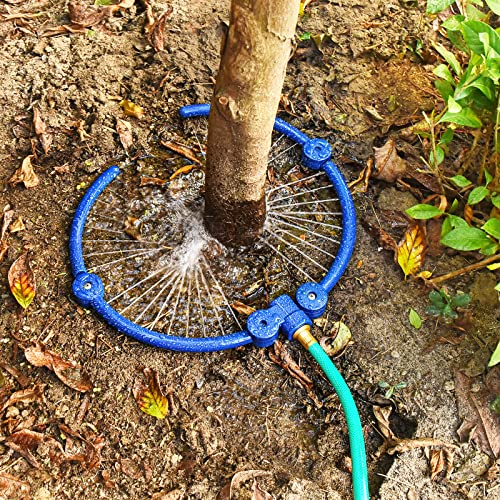
【Specially Designed for Trees and Shrubs】 The Watering Ring is a multi-purpose irrigation ring that attaches to a garden hose to efficiently water young trees shrubs vegetables or flower beds using drip or trickle irrigation.It directs water to the root perimeter of the plant to give them a good start during the first two growing seasons or through periods of drought.

【Unique Design Deep Root Tree Watering Tool】 Our root watering tool have four exit hole for the water,won't got clogged easily,It made of stainless steel,not rusting from the inside out.It can leave in the soil and is strong enough to drive through gravel,help your plants build a strong root system .
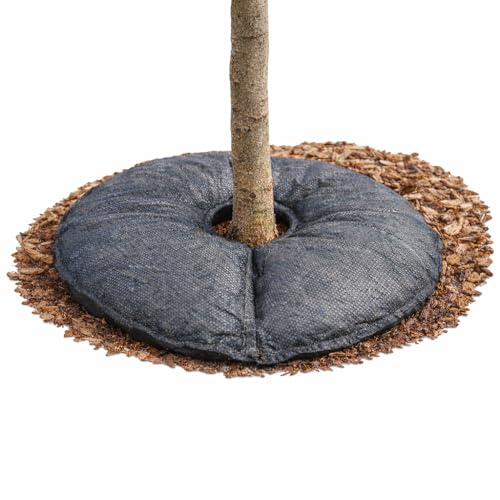
For Plants and Trees that with root balls about 12” in dia., (11-15”, e.g. 3-10 Gallon Container Sizes have top diameters between 11-15”) - Uses 99% LESS WATER than traditional tree bag over the course of multiple seasons for better establishment of the newly planted trees and shrubs! When the plant root ball is larger than 15”, the 36”, 48”, or multiple units of these larger sized SteadySpring Tree Mats are recommended to cover an area double of the root ball size or at least 20” larger than the root ball.
Optimal Planting Time
Select early spring or fall as the best times for planting fruit trees. In early spring, soil temperatures warm up, promoting root growth before summer. Fall planting allows trees to establish roots before winter dormancy. Aim for at least 6 weeks before the first frost when planting in fall.
Maintenance Practices
Prioritize these maintenance practices to keep your fruit trees healthy:
- Watering: Deeply water new trees twice weekly for the first month. After that, water once a week unless it rains. In hot, dry spells, increase frequency.
- Mulching: Apply a 3-inch layer of mulch around the base of each tree. Use organic materials like wood chips or straw to retain moisture and suppress weeds.
- Fertilizing: Fertilize your fruit trees with a balanced fertilizer in early spring. Follow package instructions based on the age and type of tree.
- Pruning: Prune during late winter or early spring before new growth starts. Remove dead, damaged, or crossing branches to maintain shape and airflow.
- Pest Control: Monitor for pests regularly. Use organic methods like neem oil or insecticidal soap for treatment if needed. Check leaves and fruit for signs of trouble.
These practices ensure your fruit trees grow strong and produce bountiful harvests in your New York backyard.
Conclusion
Growing fruit trees in New York can be a rewarding experience that brings fresh produce right to your doorstep. With the right selection and care, you can enjoy a variety of delicious fruits throughout the seasons. Remember to consider factors like sunlight, soil quality, and proper spacing to ensure your trees thrive.
Whether you’re planting apples, pears, cherries, or peaches, each tree offers its unique charm and flavor. By following the tips for maintenance and care, you’ll set yourself up for a fruitful garden. So grab your gardening tools and get ready to enjoy the sweet rewards of your hard work!
Frequently Asked Questions
Can I grow fruit trees in New York?
Yes, you can grow a variety of fruit trees in New York. The temperate climate, with cold winters and warm summers, is ideal for fruit cultivation, especially in USDA Hardiness Zones 3 to 7.
What types of fruit trees are suitable for New York?
Popular fruit trees for New York include apple, pear, cherry, and peach trees. Each type has specific needs for sunlight, soil, and care, making them great choices for local gardens.
How much sunlight do fruit trees need?
Fruit trees generally require at least 6 to 8 hours of direct sunlight daily for optimal growth and fruit production. This ensures healthy branches and plentiful fruiting.
When is the best time to plant fruit trees in New York?
The optimal planting times for fruit trees in New York are early spring or fall. Planting during these seasons helps ensure strong root establishment and healthy growth.
How do I maintain my fruit trees?
Regular maintenance involves deep watering, mulching, fertilizing, and pruning. Additionally, monitor for pests and diseases to keep your trees healthy throughout the growing season.
What soil conditions do fruit trees need?
Fruit trees prefer well-drained soil with good quality. It’s advisable to test the soil pH and improve drainage to support robust root development.
What are some tips for protecting fruit trees from frost?
To protect fruit trees from frost, consider covering young blossoms with cloth or using mulch to retain ground warmth. Additionally, monitor local frost dates to prepare accordingly.
How can I incorporate berry bushes with my fruit trees?
Incorporating berry bushes alongside fruit trees can enhance your garden’s diversity. Berries like blueberries and raspberries thrive in similar conditions, providing a variety of fresh produce.
