

Have you ever wondered how some fruit trees seem to thrive without a partner? Self-pollinating fruit trees have a special ability to produce fruit on their own, making them a fantastic option for your garden. Imagine enjoying fresh apples or cherries without needing to plant multiple trees or rely on bees for pollination.
Key Takeaways
- Definition of Self-Pollinating Fruit Trees: These trees can produce fruit independently by fertilizing their own flowers, which is beneficial for gardeners with limited space.
- Examples of Varieties: Popular self-pollinating trees include ‘Granny Smith’ and ‘Gala’ apples, ‘Stella’ and ‘Lapins’ cherries, and ‘Redhaven’ peaches.
- Benefits of Self-Pollination: They offer space efficiency, easier maintenance, and consistent yields without the need for additional trees or pollinators.
- Growth Factors: Conditions like temperature, humidity, and flower structure significantly affect the success of self-pollination in fruit trees.
- Gardening Tips: Ensure proper planting, regular pruning, and wise fertilization to promote healthy growth and fruitful harvests.
- Diverse Uses: The fruits from self-pollinating trees are versatile for fresh eating, baking, or preserves, making them a valuable addition to any garden.
What Is a Self Pollinating Fruit Tree
A self-pollinating fruit tree can produce fruits without needing pollen from another tree. These trees contain both male and female reproductive organs, allowing them to fertilize their own flowers. This trait is advantageous for gardeners who may have limited space or live in areas with few pollinators.
Recommended Products

Product Quantity: Five+ dwarf peach tree seeds per packet; Premium selection for optimal viability; Perfect for starting your own backyard orchard
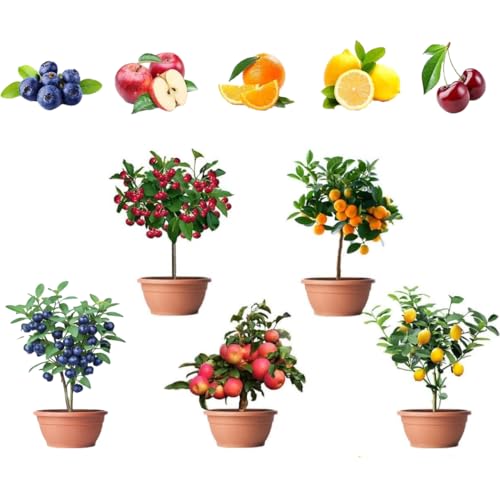
Variety Pack of 5 Fruits: Includes 40 Lemon seeds, 40 Orange seeds, 40 Apple seeds, 20 Cherry seeds, and 20 Blueberry seeds for a colorful and diverse home garden

4 kinds of the most popular fruits, individually packaged, 50pcs Lemon seeds 50pcs Cherry seeds 50pcs Orange seeds 50pcs Apple seeds Fresh seeds, all fruit seeds are packed in tear and moisture resistant zipper sealed bags for your long term storage.
Examples of Self Pollinating Fruit Trees
- Apple Trees: Certain varieties, like ‘Granny Smith’ and ‘Gala’, can set fruit independently.
- Cherry Trees: Types such as ‘Stella’ and ‘Lapins’ are known for their self-pollinating abilities.
- Peach Trees: Varieties like ‘Redhaven’ and ‘Elberta’ can bear fruit without cross-pollination.
- Fig Trees: Many common fig types can produce fruit without another tree nearby.
Benefits of Self Pollinating Fruit Trees
- Space Efficiency: You can grow one tree in small gardens or patios.
- Reduced Maintenance: No need to plant multiple trees or manage pollinator habitats.
- Consistent Yields: Self-pollination leads to reliable fruit production each season.
- Choose the Right Variety: Research which trees are self-pollinating in your area.
- Proper Planting: Ensure trees have adequate sunlight and well-drained soil for optimal growth.
- Regular Pruning: Maintain shape and remove dead or diseased branches to promote air circulation and health.
- Fertilize Wisely: Use balanced fertilizers to provide necessary nutrients throughout the growing season.
Benefits of Self Pollinating Fruit Trees
Self-pollinating fruit trees offer several advantages for gardeners. With their ability to fertilize their own flowers, they make fruit growing accessible and convenient.
Recommended Products

Each offer includes one plant grown in a 4 inch pot

Large, Sweet Cherries - Yields large, dark red to mahogany cherries with a rich, juicy, and well-balanced taste.

Sweet, Classic Cherry Flavor - Enjoy firm, juicy cherries with a rich, sweet taste and low acidity, ideal for fresh snacking straight from the tree or incorporating into recipes.
Increased Yield
Self-pollinating trees often produce a larger harvest since they can set fruit without requiring another tree for cross-pollination. For example, a single ‘Stella’ cherry tree can yield up to 20–30 pounds of cherries. This means you can enjoy a consistent supply of fresh fruit every growing season without needing to plant multiple trees.
Easier Maintenance
Self-pollinating fruit trees simplify maintenance. You won’t need to worry about the presence of pollinators or the timing of their visits. Additionally, fewer trees result in less pruning and reduced space requirements. For instance, maintaining one ‘Granny Smith’ apple tree involves straightforward care practices such as regular watering, annual pruning, and occasional fertilization, making it an excellent choice for busy gardeners.
Types of Self Pollinating Fruit Trees
Self-pollinating fruit trees come in various types, each offering unique benefits and flavors. Here are some common varieties and their distinct features.
Recommended Products

🌱 4 Unique Fruit Bonsai Varieties: Includes 40 total seeds: 10 Papaya, 10 Peach, 10 Cherry, and 10 Banana seeds. A fun and unique collection for growing miniature fruit trees and experimenting with bonsai growing techniques.

These are ready to plant and should be put in the ground according to the included instructions upon arrival. All pictures are of fully grown plants. Sizes shipped are in the title and description. Deciduous plants do not have leaves in the winter.

BEGINNER-FRIENDLY & EASY TO GROW – Perfect for first-time bonsai growers, simple planting and care instructions
Common Varieties
- Apple Trees: Varieties like ‘Gala’ and ‘Granny Smith’ thrive in numerous climates. They produce crisp, delicious apples and require minimal maintenance.
- Cherry Trees: ‘Stella’ and ‘Lapins’ are popular self-pollinating cherry options. They yield sweet cherries, perfect for fresh eating or baking.
- Peach Trees: Varieties such as ‘Redhaven’ and ‘Elberta’ provide juicy peaches. These trees adapt well to different conditions and produce abundantly.
- Fig Trees: Many fig varieties, including ‘Brown Turkey’ and ‘Celeste’, self-pollinate. These trees offer lush foliage and sweet, nutritious figs.
- Compact Growth: Many self-pollinating trees stay smaller than their counterparts, ideal for urban gardens or limited spaces.
- Reliable Harvest: These trees typically yield consistent crops. Due to their ability to self-fertilize, you can expect fruit every season without cross-pollinators.
- Diverse Uses: Self-pollinating fruit trees provide plenty of fruits for fresh consumption, preserves, or baking. They cater to various gardening needs.
- Low Maintenance: With minimal pollinator dependence, maintenance tasks decrease. You focus on regular watering and occasional pruning to keep your trees healthy.
Choosing the right type of self-pollinating fruit tree enhances your gardening experience and ensures delicious harvests year after year.
How Self Pollination Works
Self-pollination in fruit trees involves a straightforward mechanism where the tree’s flowers receive pollen from its own male reproductive parts. This process ensures fertilization occurs without the need for external pollen sources. The flowers contain both anthers, which produce pollen, and stigmas, which receive the pollen, making self-fertilization possible.
Pollination Process
During blooming, the tree’s flowers evolve to attract pollinators or simply rely on their own pollen. Pollen from the anthers lands on the stigma of the same flower, leading to fertilization. This allows the tree to produce fruit without relying on other trees for assistance. For example, a ‘Granny Smith’ apple tree can effectively pollinate itself, resulting in fruit production even in isolated conditions.
Factors That Affect Pollination
Several factors influence self-pollination in fruit trees.
- Temperature: Optimal temperatures promote flower development and enhance pollen viability.
- Humidity: Adequate moisture levels help pollen adhere to stigmas, increasing fertilization chances.
- Timing: The synchronization of flower opening plays a critical role; flowers must be receptive to pollen at the same time they’re releasing it.
- Flower Structure: Variations in flower anatomy can impact the likelihood of successful self-pollination; accessible stigmas facilitate easier pollen transfer.
Understanding these factors ensures successful fruit production in self-pollinating trees, aiding in the gardening process.
Conclusion
Self-pollinating fruit trees are a fantastic option for any gardener looking to enjoy fresh fruit with minimal fuss. With their ability to produce fruit on their own you can maximize your harvest even in limited space.
By choosing the right varieties and providing them with the care they need you can look forward to bountiful yields year after year. Whether you’re savoring sweet cherries or juicy peaches the satisfaction of growing your own fruit is truly rewarding. So why not consider adding a self-pollinating tree to your garden? You’ll be glad you did!
Frequently Asked Questions
What are self-pollinating fruit trees?
Self-pollinating fruit trees are trees that contain both male and female reproductive organs, allowing them to fertilize their own flowers and produce fruit independently. This characteristic makes them ideal for gardeners who may have limited space or fewer pollinators available.
Which fruit trees are self-pollinating?
Some popular self-pollinating fruit trees include apple varieties like ‘Granny Smith’ and ‘Gala’, as well as cherries such as ‘Stella’ and ‘Lapins’. Other examples include peach varieties like ‘Redhaven’ and ‘Elberta’, along with various fig types.
What are the benefits of self-pollinating trees?
Benefits of self-pollinating trees include space efficiency, reduced maintenance, and consistent yields. They can produce larger harvests without needing another tree for cross-pollination, making them a practical choice for many gardeners.
How does self-pollination work?
Self-pollination occurs when a tree’s flowers receive pollen from its own male reproductive parts, leading to fertilization without the need for external pollinators. This straightforward process ensures fruit production even when pollinators aren’t present.
What factors influence self-pollination?
Factors affecting self-pollination include temperature, humidity, timing, and flower structure. These elements are critical in ensuring successful fertilization and fruit production, making them essential for gardeners to consider.
How can I successfully grow a self-pollinating tree?
To grow a self-pollinating tree successfully, select the right variety for your climate, ensure adequate sunlight and well-drained soil, regularly prune the tree, and fertilize to provide necessary nutrients throughout the growing season.
Do self-pollinating trees need other trees for pollination?
No, self-pollinating trees do not require other trees for pollination, as they can fertilize their own flowers. This makes them suitable for gardeners with limited space or fewer pollinators nearby.
Can self-pollinating trees produce a large harvest?
Yes, many self-pollinating trees can yield significant harvests on their own. For example, a single ‘Stella’ cherry tree can produce up to 20–30 pounds of cherries without needing another tree to cross-pollinate.
