

Are you dreaming of a backyard filled with fresh fruit? If you live in South Alabama, you’re in luck! The warm climate and rich soil create the perfect environment for a variety of fruit trees to thrive.
Key Takeaways
- Ideal Climate for Growth: South Alabama’s humid subtropical climate, with long growing seasons and mild winters, supports the thriving of various fruit trees.
- Recommended Fruit Varieties: Fruit trees such as citrus (oranges, lemons, and satsumas), stone fruits (peaches and plums), and berries (blueberries, raspberries, and strawberries) are well-suited for the region.
- Soil Preparation: Conduct a soil test to determine pH and nutrient levels, aiming for a pH of 6.0 to 6.8, and amend with organic matter for optimal soil conditions.
- Watering and Fertilization: Implement deep watering techniques and use balanced fertilizers based on soil test results to ensure healthy growth and prevent stress in fruit trees.
- Pest Management: Choose resistant varieties, maintain tree health, and use organic methods like insecticidal soap and neem oil to combat pests and diseases effectively.
- Planting Best Practices: Follow proper planting techniques, including adequate spacing and regular pruning, to promote air circulation and maximize fruit production.
Overview of South Alabama Climate
South Alabama features a humid subtropical climate with long, hot summers and mild winters. Temperatures during the summer months often exceed 90°F, while winter temperatures usually range from 40°F to 60°F. This warm climate supports a growing season lasting about 200 days, providing ample time for fruit trees to thrive.
Rainfall averages 54 inches annually, with most precipitation occurring from March to November. Adequate moisture is essential for the health of fruit trees, but this region occasionally experiences drought conditions. Choosing drought-resistant varieties or managing irrigation effectively can mitigate these challenges.
Frost typically occurs in late winter or early spring, but it’s rare beyond late March. Selecting fruit trees with low chill hour requirements can enhance your success rate. Fruit trees suited for the climate include fig, peach, and blueberry, which adapt well to the region’s conditions.
Soil in South Alabama is predominantly sandy loam, offering good drainage and nutrient availability. Conducting a soil test helps determine pH levels and any necessary amendments. Ensuring proper soil conditions contributes to healthier fruit trees and improved yields.
Familiarity with climatic factors will assist in selecting suitable fruit tree varieties for your garden. Understanding your local microclimate, including exposure to wind and sun, further supports successful cultivation. By considering these elements, you’ll create an environment where fruit trees can flourish.
Popular Fruit Trees in South Alabama
South Alabama boasts an ideal climate for a variety of fruit trees. Choosing the right types maximizes your harvest and enhances your gardening experience.
Recommended Products

For sale is one Ruby Red Grapefruit seedling that is approximately 2 to 5 inches tall and shipped in a pot


Fragrant Flowers: Bloom blossoms that provide precious nectar for pollinators like bees, creating your own romantic orchard with heavy fruit and rich flavor
Citrus Trees
Citrus trees thrive in South Alabama’s warm conditions. Varieties like oranges, lemons, and satsumas excel due to low chill hour requirements.
- Navel Oranges: These sweet oranges mature in late fall and are perfect for fresh eating.
- Meyer Lemons: A cross between a lemon and a mandarin, these lemons are less tart and great for cooking.
- Satsuma Mandarins: They offer easy peeling and a deliciously sweet flavor, making them popular among families.
Plant citrus trees in well-draining soil, ideally near a southern exposure for maximum sunlight. Water them regularly, especially during dry spells, but avoid waterlogging.
Stone Fruit Trees
Stone fruit trees, such as peaches and plums, flourish under South Alabama’s conditions. These trees require proper care to bear juicy fruit.
- Elberta Peaches: Known for their large, flavorful fruits, Elberta peaches are perfect for canning or fresh eating.
- Blackberries: While not a stone fruit, blackberries grow well and thrive alongside peach trees, providing a bountiful yield.
- Santa Rosa Plums: These plums produce sweet, juicy fruit and adapt well to the local climate.
Ensure they get around 6-8 hours of sunlight. Prune annually to promote healthy growth and fruit production.
Berry-Producing Plants
Berry-producing plants also suit the South Alabama environment. They add diversity to your garden and are often easier to care for.
- Blueberries: Varieties like ‘Southern Highbush’ are perfect for warmer climates. They thrive in acidic soil and produce sweet berries.
- Raspberries: These can grow well in South Alabama, particularly the fall-bearing types which offer extended harvests.
- Strawberries: Plant them in early spring to enjoy fresh berries by late spring or early summer.
Berries require consistent moisture. Use mulch to retain soil moisture and reduce weeds. Also, consider planting them in raised beds for better drainage.
Selecting the right fruit trees ensures a fruitful garden in South Alabama. By focusing on local varieties and understanding their needs, you can enjoy a diverse and abundant harvest.
Best Practices for Planting Fruit Trees
Planting fruit trees in South Alabama requires specific practices to ensure successful growth and yield. Following these guidelines helps create a thriving environment for your trees.
Soil Preparation
Preparing the soil is essential for healthy fruit trees. Conduct a soil test to determine nutrient levels and pH. Aim for a pH of 6.0 to 6.8, ideal for most fruit trees. Amend the soil with organic matter, like compost or well-rotted manure. These amendments improve soil structure and enhance nutrient retention. Before planting, clear the area of weeds and debris. Dig a hole at least twice the width of the root ball to ensure ample space for growth.
Watering and Fertilization
Watering fruit trees correctly prevents stress and promotes strong roots. Water trees deeply, ensuring the soil is moist but not waterlogged. Young trees typically need weekly watering, while established trees may require less frequent irrigation. Fertilization should be based on your soil test results. Use a balanced fertilizer, applying it in early spring before new growth begins. Follow package instructions for dosage. Consider slow-release fertilizers, which provide nutrients over time, reducing the need for frequent applications. Monitor your trees for signs of nutrient deficiencies, such as yellowing leaves, and adjust accordingly.
By adhering to these practices, you optimize the conditions for your fruit trees, enhancing growth and yield in South Alabama’s unique climate.
Common Pests and Diseases
Fruit trees in South Alabama face various pests and diseases, impacting growth and yield. Understanding these challenges helps you take proactive steps to protect your trees.
Recommended Products
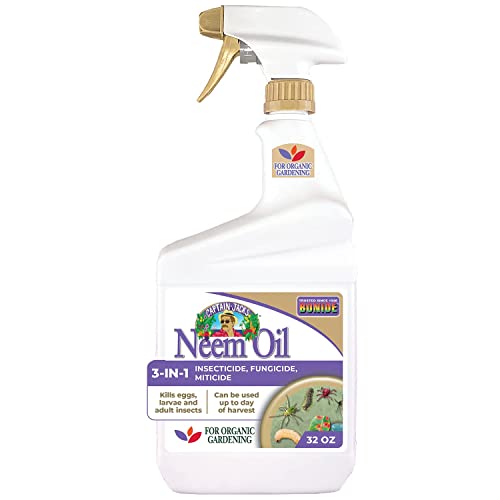
MULTI-PURPOSE BUG KILLER - Bonide Neem Oil is a perfect pest control solution for any garden dealing with mites, flies, mildew, and more. This product is a three-in-one fungicide, miticide, and insecticide.

Control diseases and insects in your garden with Captain Jack’s Fruit Tree Spray Concentrate! Use on a variety of listed fruits, nuts and citrus plants.

Protect your oasis with 3 garden products in 1 from Captain Jack’s; Captain Jack’s Ready-to-Use Neem Oil spray for plants is a multi-purpose fungicide, insecticide and miticide for your lawn and garden
Preventative Measures
- Choose Resistant Varieties: Select fruit tree varieties that resist local pests and diseases. For instance, some peach and apple varieties exhibit better disease resistance.
- Maintain Tree Health: Regularly check your trees for signs of stress or nutrient deficiencies. Healthy trees naturally resist pests and diseases more effectively.
- Implement Crop Rotation: Rotate planting areas to disrupt pest life cycles. Avoid planting similar crops in the same location year after year.
- Apply Mulch: Use organic mulch around the base of your trees. Mulch retains soil moisture and discourages weeds, which can harbor pests.
- Prune Regularly: Prune your trees to improve air circulation and sunlight exposure. This practice helps reduce humidity levels around the foliage, lowering the risk of fungal infections.
- Monitor Regularly: Check your trees frequently for signs of pests or disease. Early detection allows for quicker intervention.
- Insecticidal Soap: Use insecticidal soap to control soft-bodied insects like aphids and spider mites. Spray directly on affected areas for best results.
- Neem Oil: Apply neem oil to tackle both pests and fungal diseases. This natural pesticide disrupts pest life cycles and prevents fungal growth.
- Fungicides: For serious fungal infections, consider applying fungicides. Be sure to follow all label instructions and safety precautions.
- Hand-Picking: For larger insects like caterpillars, hand-picking can be effective. Check your trees regularly and remove pests as needed.
- Trap Pests: Use sticky traps to monitor pest populations. This method helps you determine the need for stronger interventions.
- Plant Companions: Introduce companion plants like marigolds and nasturtiums. These plants repel harmful insects and attract beneficial ones that prey on pests.
Conclusion
Growing fruit trees in South Alabama can be a rewarding experience. With the right varieties and care, you can enjoy a bountiful harvest. Remember to consider your local climate and soil conditions when selecting your trees.
By focusing on drought-resistant and low chill hour varieties, you’ll set yourself up for success. Regular maintenance and monitoring will help keep your trees healthy and productive.
So get out there and start planting! Your garden will flourish with delicious fruits that you can share with family and friends. Happy gardening!
Frequently Asked Questions
What are the benefits of growing fruit trees in South Alabama?
Growing fruit trees in South Alabama takes advantage of the region’s warm climate, rich soil, and around 200 days of growing season. The humid subtropical climate supports diverse fruit varieties, leading to bountiful harvests. Additionally, the sandy loam soil promotes good drainage and nutrient availability, making it ideal for healthy fruit tree cultivation.
What fruit trees are ideal for South Alabama?
Ideal fruit trees for South Alabama include citrus varieties like navel oranges, Meyer lemons, and satsuma mandarins. Stone fruits such as Elberta peaches and Santa Rosa plums also thrive, along with berry plants like blueberries, raspberries, and strawberries. Choosing varieties adapted to local conditions enhances success rates.
How can I prepare my soil for planting fruit trees?
Start by conducting a soil test to determine pH and nutrient levels, targeting a pH of 6.0 to 6.8. Amend the sandy loam soil with organic matter to improve structure and nutrient retention. Proper soil preparation is crucial for providing an optimal growing environment for fruit trees.
What are the watering guidelines for fruit trees?
Watering should vary based on the tree’s age. For young trees, water deeply once a week to encourage strong root development. Established trees usually require less frequent watering, but deep watering is still beneficial during dry spells. Always monitor soil moisture to prevent stress and promote healthy growth.
How can I manage pests and diseases for fruit trees?
Monitoring trees regularly for pests and diseases is essential. Implement preventative measures by choosing resistant varieties, applying mulch, and maintaining overall tree health. Control methods include using insecticidal soap, neem oil, and sticky traps. Companion planting can also help deter harmful insects and promote beneficial ones.
