

Are your fruit trees struggling to thrive? Choosing the right mulch can make all the difference in their growth and health. With so many options out there, it’s easy to feel overwhelmed. But don’t worry, you’re not alone in this.
Key Takeaways
- Benefits of Mulch: Mulching fruit trees enhances moisture retention, suppresses weeds, regulates soil temperature, and improves soil health, leading to healthier and more productive trees.
- Organic Mulch Options: Wood chips, straw, shredded leaves, pine needles, grass clippings, and compost all provide unique benefits such as moisture retention, soil enrichment, and weed suppression.
- Inorganic Mulch Choices: Options like gravel and plastic sheeting offer durability and effective moisture retention while reducing maintenance needs over time.
- Choosing the Right Mulch: Consider climate, soil type, and nutrient needs when selecting mulch to ensure it supports the specific requirements of your fruit trees.
- Application Techniques: Apply mulch at a depth of 2-4 inches, extending from the trunk to the canopy edge, while ensuring proper timing to maximize the benefits throughout the growing season.
Benefits of Using Mulch Around Fruit Trees
Using mulch around fruit trees offers several significant benefits that promote healthy growth and increased fruit production. These advantages include moisture retention, weed suppression, temperature regulation, and soil enhancement.
Moisture Retention
Mulch conserves soil moisture, reducing the need for frequent watering. It acts as a barrier against evaporation. Studies show that using organic mulch can reduce water loss by up to 30%. For example, applying a 2-3 inch layer of shredded bark or wood chips helps keep the soil consistently moist, aiding root health.
Weed Suppression
Mulch significantly suppresses weed growth, allowing fruit trees to thrive without competition for nutrients and water. A well-mulched area can lower weed density by up to 90%. You can use straw or wood chips for effective weed control, covering the soil around the tree base thoroughly. This method reduces the overall maintenance required in the garden while promoting the vitality of your fruit trees.
Types of Mulch
Selecting the right type of mulch for your fruit trees is essential for maximizing their health and productivity. Below are several effective options categorized into organic and inorganic materials.
- Wood Chips
Wood chips offer excellent moisture retention and gradually decompose, enriching the soil over time. - Straw
Straw acts as a great insulator against temperature fluctuations and helps suppress weeds effectively. - Shredded Leaves
Shredded leaves create a natural habitat for beneficial soil organisms while improving soil structure as they decay. - Pine Needles
Pine needles are lightweight and stay in place well. They acidify the soil slightly, which benefits certain fruit trees. - Grass Clippings
Grass clippings provide nutrient-rich mulch that’s readily available. Ensure the clippings are dry to prevent matting. - Compost
Compost enriches the soil while supplying essential nutrients. It also improves soil structure and moisture retention. - Bark Mulch
Bark mulch offers an aesthetically pleasing option while suppressing weeds and retaining moisture effectively.
Each of these organic options contributes to the overall health of your fruit trees while providing multiple benefits like weed suppression and moisture conservation. Choose a type based on availability, cost, and specific needs of your fruit trees.
Recommended Products

100% Organic & Peat-Free: Our organix mulch mix is 100% organic & peat-free. Peat is one of Mother Nature’s most important stores of carbon. Instead of imported peat, the base of our soils is made from upcycled plant matter or wood fines from the United States!

NATURAL GARDEN COVER: Creates a clean, polished garden surface while helping minimize weed growth naturally. This organic mulch also supports healthy soil structure and nutrient balance for thriving plants.

Includes 10lb block of Back to the Roots compressed Coconut Husk Mulch that expands to over 2 cubic feet of mulch. Use it for gardens, raised beds, pet bedding and more
Inorganic Mulch Options
Inorganic mulch options can effectively enhance the growth of your fruit trees while providing lasting benefits. They don’t decompose like organic mulches, offering durability and minimizing maintenance.
Recommended Products
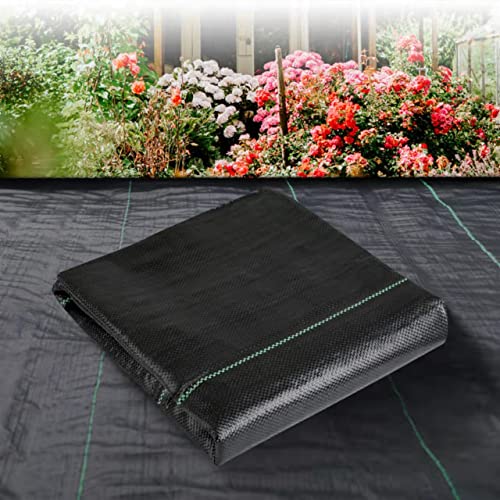
Premium Weed Barrier Fabric:Weed barrier landscape fabric is a type of geotextile fabric that is commonly used in landscaping and construction.With excellent weed control properties, providing a clean and tidy landscape.Very strong and durable,Pro landscape weed barrier will provide you with premium weed protection for a very long time.

WATER DEEP - GROW HEALTHIER ROSES, TREES, & VEGETABLES – Directs water to the deep root zone for AMAZING results.

Moisture Balance Support: Facilitates healthy root expansion by maintaining balanced moisture and aerated soil, providing a great foundation for vibrant plant development without excess waterlogging
Gravel or Rock
Gravel or rock mulch provides excellent drainage and temperature regulation. It reduces the need for watering by preventing soil from drying out too quickly. Spread a 2-3 inch layer of gravel around your fruit trees, ensuring it sits a few inches away from the trunk. This spacing prevents moisture accumulation at the base, which can lead to rot. Choose smaller gravel, like pea gravel, for easier footing and better coverage.
Plastic Sheeting
Plastic sheeting acts as an effective barrier against weeds and aids in moisture retention. Using black plastic sheeting absorbs heat, which can warm the soil for early growth. Lay the sheeting around the base of your fruit trees, cutting slits for the tree trunk and any branches. Anchor the edges with soil or landscape fabric pins to keep it in place. Make sure to monitor soil moisture beneath the sheeting, as it may dry out more quickly. Consider using perforated sheeting to allow for better water infiltration.
Factors to Consider When Choosing Mulch
Selecting the right mulch for your fruit trees involves several key factors. You’ll want to ensure that your choice aligns with both your environmental conditions and the specific needs of your trees.
Climate and Weather Conditions
Consider how your local climate affects water retention and temperature around your fruit trees. In hot climates, organic mulches like wood chips or straw can conserve moisture and keep roots cool. They reduce evaporation by up to 30%. In contrast, in cooler regions, mulches that insulate the soil, such as shredded leaves, protect roots from freezing temperatures. Therefore, evaluate your weather patterns to select a mulch that provides adequate protection and support for your trees throughout the year.
Soil Type and Nutrient Needs
Analyze your soil composition to choose a mulch that enhances its quality. Sandy soils might benefit from organic mulches that improve water retention and introduce nutrients. For example, compost enriches sandy soil with organic matter. Clay soils, on the other hand, benefit from mulches that improve drainage, like bark mulch. If your trees require specific nutrient boosts, choose a mulch rich in nutrients or minerals, like grass clippings. Testing your soil can guide you in making informed decisions about your mulch selection.
Application Techniques
Applying mulch around your fruit trees effectively enhances their growth and health. Use the right techniques to optimize the benefits of your chosen mulch type.
Proper Depth and Coverage
Apply mulch to a depth of 2 to 4 inches for optimal results. This depth allows for effective moisture retention and weed suppression without suffocating roots. Ensure coverage extends from the trunk of the tree to the edge of the canopy. Avoid piling mulch directly against the trunk, as this can cause rot and attract pests.
Timing of Mulching
Time your mulching for maximum effectiveness. Late spring or early summer is ideal, after the soil has warmed but before the heat of summer sets in. This timing helps to retain soil moisture during warmer months. If late summer or fall mulching is preferred, ensure you do so before winter to protect roots from freezing temperatures. Consider reapplying mulch annually to maintain depth and effectiveness.
Conclusion
Choosing the right mulch for your fruit trees can make a world of difference in their health and productivity. By considering factors like your local climate and soil type, you can select a mulch that not only meets your trees’ needs but also fits your gardening style. Whether you opt for organic materials like wood chips or straw or go with durable inorganic options, the benefits of mulching are clear.
Remember to apply your chosen mulch correctly and reapply it annually to keep your trees thriving. With the right mulch in place, you’ll set your fruit trees up for success and enjoy bountiful harvests for years to come. Happy gardening!
Frequently Asked Questions
What is the role of mulch in fruit tree care?
Mulch is essential for fruit tree health as it helps retain soil moisture, suppress weeds, regulate temperature, and enhance soil quality. By conserving moisture, mulch reduces the need for frequent watering while improving growing conditions for fruit trees.
How does organic mulch benefit fruit trees?
Organic mulch, like wood chips and straw, provides significant benefits such as moisture retention, weed suppression, and improved soil structure. It gradually decomposes, adding nutrients to the soil, which supports healthy fruit tree growth.
What types of organic mulch are best for fruit trees?
Wood chips, straw, shredded leaves, grass clippings, pine needles, and compost are excellent organic mulches for fruit trees. Each type offers unique benefits like moisture retention, insulation, or nutrient enrichment, making them suitable for various conditions.
Can I use inorganic mulch for fruit trees?
Yes, inorganic mulch options, such as gravel, rock, or plastic sheeting, can also support fruit tree growth. They provide excellent drainage, weed control, and moisture retention, offering low-maintenance solutions.
How deep should I apply mulch around fruit trees?
Mulch should be applied in a layer of 2 to 4 inches around fruit trees. Make sure to cover the area from the trunk to the canopy’s edge, avoiding contact with the trunk to prevent rot and pest issues.
When is the best time to apply mulch?
The ideal time to apply mulch is late spring or early summer to retain moisture during hotter months. Late summer or fall is also recommended before winter to protect the roots from freezing temperatures.
What factors should I consider when choosing mulch?
When selecting mulch, consider local climate conditions, soil type, and the specific needs of your fruit trees. Organic mulches are generally better for retaining moisture in hot climates, while some may improve drainage in clay soils.
How often should I replace mulch?
It is advisable to reapply mulch annually to maintain its benefits. This ensures that moisture retention, weed suppression, and soil enrichment continue to support the health of your fruit trees effectively.
