

Have you ever wondered what fruit trees thrive in the unique climate of Show Low, AZ? With its cool nights and sunny days, this area offers a perfect opportunity for growing a variety of delicious fruits. You might be dreaming of picking fresh apples or juicy peaches right from your backyard.
Key Takeaways
- Ideal Climate for Fruit Trees: Show Low, AZ features cool nights and warm days, with a frost-free period of around 155 days, which is beneficial for fruit tree cultivation.
- Recommended Fruit Trees: Popular choices for backyard planting include Apple Trees (Granny Smith, Fuji), Cherry Trees (Bing, Rainier), and Peach Trees (Elberta, Frost), all of which thrive in Show Low’s climate.
- Soil and Watering Needs: Fruit trees prefer well-drained loamy or sandy soils with a pH between 6.0 and 7.0. A consistent watering schedule is crucial, aiming for about 1 inch of water per week.
- Effective Tree Care: Regular pruning, particularly in late winter or early spring, and proper pest management techniques help enhance tree health and productivity.
- Moisture Management: Applying mulch around trees retains soil moisture and regulates temperature, which is essential in the high-heat summer months.
- Encouraging Biodiversity: Attract beneficial insects and utilize organic pest control measures to maintain tree health and minimize pest issues.
Overview of Show Low, AZ Climate
Show Low, AZ features a diverse climate that influences the growth of fruit trees. The region experiences four distinct seasons, with cool winters and warm summer months. Daytime temperatures in summer can reach the mid-80s °F, while nighttime temperatures often drop into the 50s °F, providing a favorable environment for fruit development.
Precipitation is moderate, averaging around 19 inches annually. The majority of rainfall occurs during the summer monsoon season. These rain events help support the growth of various fruit trees by ensuring adequate moisture during the warmer months.
Soil composition in Show Low varies but commonly consists of loamy or sandy soil, which drains well. Selecting fruit trees that thrive in well-drained soil enhances growth and fruit production.
Sunshine plays a crucial role in fruit production. Show Low enjoys approximately 300 sunny days per year, allowing plenty of sunlight for trees to photosynthesize efficiently.
The region’s frost-free period typically lasts around 155 days, giving ample time for fruit trees to mature and bear fruit. Choosing fruit tree varieties that align with these climate patterns ensures successful cultivation in your backyard.
Popular Fruit Trees for Show Low, AZ
Show Low’s climate supports various fruit trees that thrive in its unique conditions. Here are the top choices for your backyard.
Recommended Products

🌳 3-Pack Fruit Tree Bundle Includes live apple, blueberry, blackberry trees—perfectly paired for a diverse and productive backyard orchard.

Imagine planting a tree today that becomes a strong, productive presence in your landscape for decades to come. That is what the Breadfruit Tree (Artocarpus camansi) offers — a long-term addition that transforms your outdoor space into something more purposeful and tropical.
Apple Trees
Apple trees flourish in Show Low due to the cool nights and warm days. Varieties like Granny Smith and Fuji excel here. Plant them in well-drained soil for optimal growth. Prune branches before spring to encourage better fruit yield. Harvest typically occurs in late summer to early fall, offering fresh apples straight from your yard.
Cherry Trees
Cherry trees thrive in Show Low’s climate, with sweet and sour varieties doing well. Popular options include Bing and Rainier cherries. These trees prefer full sunlight and well-drained soils. Establish a watering routine during the dry summer months to maintain tree health. Cherries ripen in late spring to early summer, providing a delightful treat.
Peach Trees
Peach trees enjoy Show Low’s warm summers. Varieties such as Elberta and Frost offer delicious fruits. Choose a sunny spot with good drainage for planting. Mulching around the base helps retain moisture. Enjoy fresh peaches in mid to late summer, perfect for eating or making jams.
Considerations for Growing Fruit Trees
To successfully grow fruit trees in Show Low, AZ, it’s crucial to understand specific requirements. Focus on soil type and watering needs to enhance tree health and fruit production.
Recommended Products

【Ideal pH Balance】Our citrus soil is carefully calibrated to maintain an optimal pH level between 6.0 and 7.1, ensuring your citrus trees can absorb essential nutrients efficiently and thrive

Enhanced Growth Benefits: Supports optimal plant health with superior aeration, effective drainage, excellent nutrient retention, and a balanced pH – everything citrus plants need to thrive.

100% Natural: Expertly hand-blended with premium ingredients for potted citrus trees, ensuring your trees receive the purest, chemical-free nutrients. Contains no artificial additives.
Soil Requirements
Select loamy or sandy soil for optimal growth. These types of soil drain well, preventing root rot while allowing proper moisture retention. Test the soil pH, aiming for a range of 6.0 to 7.0, which suits most fruit trees. Improve soil quality by incorporating organic matter, like compost, to boost nutrients. Apply mulch around the base of trees to retain moisture and regulate temperature.
Watering Needs
Establish a consistent watering schedule, especially during dry periods. Water your trees deeply, ensuring the moisture reaches the root zone, which is typically 12 to 18 inches below the surface. Use a soaker hose or drip irrigation system to deliver water slowly and evenly. Monitor soil moisture by checking the top 2 inches; if it feels dry, it’s time to water. During peak growing seasons, fruit trees typically require about 1 inch of water per week, adjusting based on rainfall. Remember, overwatering can harm roots, so keep a balance.
Best Practices for Tree Care
Effective tree care in Show Low, AZ, includes proper pruning and pest management. These practices enhance the health and productivity of your fruit trees, ensuring a bountiful harvest.
Recommended Products
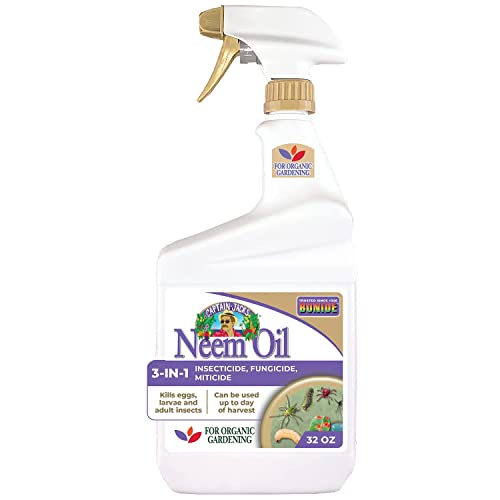
Protect your oasis with 3 garden products in 1 from Captain Jack’s; Bonide Captain Jack’s Ready-to-Use Neem Oil spray for plants is a multi-purpose fungicide, insecticide and miticide for your lawn & garden

FUNGAL DISEASE CONTROL: Prevents and controls black spot on roses, powdery mildew, rust, downy mildew, and other listed fungal diseases when applied on a 7–14 day schedule

PLANT DISEASE CONTROL: Natria Neem Oil acts as an insecticide and fungicide in one convenient spray; Ready-to-use trigger sprayer requires no mixing
Pruning Techniques
Pruning trees is vital for promoting healthy growth and fruit production. Remove dead or diseased branches to prevent disease spread. Cut during late winter or early spring before new growth starts.
- Focus on Structure: Trim the central leader and lower branches to create an open-center or modified leader structure. This promotes light penetration and air circulation.
- Use Clean Tools: Sterilize your pruning shears with rubbing alcohol before each cut to avoid transferring pathogens.
- Avoid Excessive Cutting: Limit pruning to about 20% of the tree’s overall structure to reduce stress. Over-pruning leads to weaker trees.
- Look for Signs of Growth: Observe tree growth patterns. If branches grow inward, prune them back to encourage a healthy outward growth.
Pest Management
Managing pests is crucial for keeping your fruit trees healthy. Integrated Pest Management (IPM) techniques combine various strategies for optimal effectiveness.
- Identify Pests Early: Regularly inspect your trees for signs of pests such as discoloration or webbing. Catching infestations early prevents larger problems.
- Encourage Beneficial Insects: Attract ladybugs and lacewings by planting flowers nearby. These insects combat harmful pests naturally.
- Use Organic Treatments: Apply neem oil or insecticidal soap as organic alternatives to chemical pesticides. Follow label instructions for safe application.
- Monitor Weather Conditions: Keep an eye on local weather patterns. Wet conditions can promote pests like aphids, so you might need to increase your monitoring during those times.
- Maintain Tree Health: A healthy tree is more resistant to pests. Ensure proper watering, fertilization, and pruning for robust growth.
By following these best practices, you can enhance the vitality of your fruit trees in Show Low, ensuring they thrive in their unique environment.
Conclusion
Growing fruit trees in Show Low can be a rewarding experience. With the right selection and care you can enjoy fresh apples peaches and cherries right from your backyard. Remember to pay attention to your soil type and watering needs to ensure your trees thrive.
By following best practices for pruning and pest management you’ll set your fruit trees up for success. So get ready to dig in and enjoy the fruits of your labor. Happy gardening!
Frequently Asked Questions
What are the ideal conditions for growing fruit trees in Show Low, AZ?
The ideal conditions for growing fruit trees in Show Low include cool nights and sunny days, with approximately 300 sunny days per year. The region’s loamy or sandy soil, moderate 19 inches of annual precipitation, and a frost-free period of 155 days greatly support fruit tree cultivation.
Which fruit tree varieties thrive in Show Low’s climate?
Popular fruit tree varieties that thrive in Show Low include apple trees (like Granny Smith and Fuji), cherry trees (such as Bing and Rainier), and peach trees (like Elberta and Frost). These varieties benefit from the region’s temperature fluctuations and sunny conditions.
How important is soil type for growing fruit trees?
Soil type is crucial for fruit tree growth. Loamy or sandy soil that drains well is ideal. Testing soil pH is also important, aiming for a range of 6.0 to 7.0, while enhancing soil quality with organic matter like compost can improve tree health and productivity.
What watering techniques should be used for fruit trees?
Consistent watering is crucial for fruit trees, especially during dry months. Aim for about 1 inch of water per week, using deep watering methods like soaker hoses or drip irrigation systems. Monitor soil moisture to avoid overwatering, which can harm root health.
What are the best practices for caring for fruit trees?
Best practices for fruit tree care include proper pruning techniques—removing dead branches and supporting tree structure. Additionally, effective pest management is vital; early identification and using organic treatments can help maintain tree health and ensure a good harvest.
