

When’s the best time to trim your fruit trees? If you’ve ever stood in your yard, wondering when to grab those shears, you’re not alone. Many gardeners face the same dilemma, and timing can make all the difference in your tree’s health and fruit production.
Key Takeaways
- Optimal Pruning Times: Deciduous fruit trees like apples and pears should be pruned in late winter to early spring, while stone fruit trees such as cherries and peaches thrive when pruned immediately after harvest.
- Purpose of Pruning: Proper pruning promotes healthy growth, enhances fruit quality, and improves airflow, reducing the risk of disease.
- Significance of Tools: Using the right tools—hand pruners for small branches, loppers for medium branches, and pruning saws for larger limbs—is crucial for effective trimming and preventing disease spread.
- Signs of Necessary Pruning: Look for overcrowded branches, poor fruit production, and weak growth as indicators that your trees need trimming for optimal health.
- Follow Pruning Guidelines: Adhere to the 1/3 rule by not removing more than one-third of the tree’s canopy at once and always make clean cuts just above outward-facing buds.
- Consider Climate Factors: Be aware of your local climate, as it influences the timing of pruning; warmer areas may require earlier pruning compared to colder regions post-frost.
Understanding Fruit Tree Pruning
Fruit tree pruning involves cutting back certain branches to promote healthy growth. Timing plays a crucial role in this process, impacting fruit production and overall tree health.
Purpose of Pruning
Pruning serves multiple purposes:
- Encourages Growth: Targeted cuts stimulate new growth during the spring.
- Enhances Fruit Quality: Pruning directs nutrients to remaining branches, resulting in larger, healthier fruit.
- Improves Airflow: Thinning trees allows better air circulation, reducing disease risk.
Best Times to Prune
When pruning your fruit trees, consider the following timing guidelines:
- Late Winter to Early Spring: This period is optimal for deciduous fruit trees like apples and pears. Prune before new buds develop for a strong structure.
- After Harvest: For stone fruit trees, such as cherries and plums, prune immediately after harvest. This strategy minimizes stress on the tree.
- Mid-Summer: For thinning or shaping, mid-summer is effective. Removing suckers and water sprouts maintains tree health.
Tools for Pruning
Using the right tools ensures effective pruning:
- Hand Pruners: Ideal for small branches up to ¾ inch thick.
- Loppers: Use loppers for branches between ¾ inch and 2 inches thick.
- Pruning Saws: Choose a pruning saw for larger branches.
Practical Tips for Pruning
Follow these practical tips for a successful pruning experience:
- Make Clean Cuts: Use sharp tools to create smooth cuts, minimizing damage to the tree.
- Follow the 1/3 Rule: Avoid removing more than one-third of the tree’s canopy at once to prevent shock.
- Remove Dead or Diseased Wood: Focus on cutting out any dead or diseased branches first.
Signs Your Tree Needs Pruning
Be attentive to these signs:
- Overcrowded Branches: If branches overlap or grow inward, consider pruning.
- Poor Fruit Production: A lack of fruit may signal the need for better air circulation and light penetration.
- Weak or Leggy Growth: Weak, leggy growth indicates the need for pruning to promote healthier development.
Understanding these elements of fruit tree pruning helps you maintain healthy, productive trees and ensures a bountiful harvest.
Factors Influencing Trimming Time
Several factors play a significant role in determining the best time for trimming fruit trees. Understanding these elements helps you make informed decisions for optimal tree health and fruit production.
Tree Species
Different types of fruit trees respond uniquely to trimming. For example, apple and pear trees benefit from late winter to early spring pruning. In contrast, peach and cherry trees thrive when pruned immediately after their harvest. Knowing the specific needs of your tree species ensures effective trimming.
| Tree Species | Ideal Pruning Time |
|---|---|
| Apple/Pear | Late winter to early spring |
| Peach/Cherry | After harvest |
| Citrus Trees | Late winter to early spring |
| Plum Trees | Early spring |
Climate Considerations
Climate significantly influences the timing of trimming. Warmer climates may require earlier pruning, while colder areas often necessitate waiting until after the last frost. Consider your local weather patterns to avoid damaging new growth or exposing trees to extreme conditions. Monitoring temperature and rainfall helps you determine the optimal pruning time for your region.
Best Time to Trim Fruit Trees
Timing plays a critical role in the health and productivity of your fruit trees. Trimming during the right season can lead to stronger growth and better fruit quality.
Recommended Products


UPGRAFE PROFESSIONAL GARDENING GRAFTING TOOLS: Professional grafting set, including 2 in 1 grafting pruning tools, 3 replaceable blades, a grafting knife, a pruning shears, a screwdriver, a wrench, 3 grafting films, and 45 colorful tag cards

PROFESSIONAL GARDENING GRAFTING TOOLS: Including 2 in 1 grafting pruning tools, 3 replaceable blades, a grafting knife, a screwdriver, a wrench, 2 grafting films, 160 rubber bands, 40 wide rubber bands, and 50 colorful tag cards
Dormant Season Trimming
Trimming during the dormant season, which runs from late winter to early spring, is beneficial for most deciduous fruit trees. This period allows you to effectively shape the tree and remove any dead or diseased wood without disrupting its growth cycle.
- Tools for Success: Use sharp hand pruners for small branches, loppers for medium-sized branches, and a pruning saw for larger limbs. Clean tools prevent disease spread.
- Pruning Techniques: Make clean cuts just above outward-facing buds. Avoid leaving long stubs, as they can lead to decay.
- When to Prune Specific Trees:
- Apple and Pear Trees: Prune from late winter to early spring for optimal growth and fruiting.
- Stone Fruit Trees: For cherries and peaches, prune just after harvest to encourage new growth.
Growing Season Trimming
Pruning during the growing season occurs primarily in mid-summer. This method focuses on thinning or shaping to maintain airflow and sunlight penetration.
- Timing Matters: Prune early in the summer, ideally after the first major fruit set. This timing helps encourage healthy growth and allows fruit trees to recover quickly.
- Maintenance Pruning: Remove any suckers, water sprouts, or overcrowded branches. Thinning promotes better fruit size and quality.
- Signs for Summer Pruning: Watch for overcrowded branches or areas that receive limited light. Address these issues promptly to keep your trees healthy.
By following these streamlined guidelines, you can maintain your fruit trees effectively, ensuring fruitful harvests year after year.
Signs Your Trees Need Trimming
Recognizing when your fruit trees need trimming helps maintain their health and productivity. Pay attention to these key signs:
Recommended Products
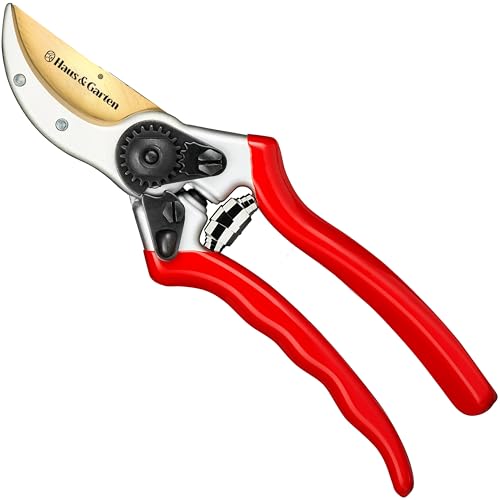
Sharp, Clean Cuts Every Time – Engineered from Japanese grade, high-carbon steel, ClassicPRO bypass pruning shears for gardening stay sharp and make precise cuts that encourage healthy growth and won’t damage your plants

Unbreakable sharpness! Japanese SK5 steel blade with titanium coating endures 100,000 cuts. Built for lifelong clean cuts

Reduce Hand Strain: These micro tip snips are made to reduces hand fatigue which makes them great for those with arthritis, carpal tunnel, hand or wrist issues; Comfortable “grip” handles will make it easy to work for long-time use without making you feel hand pain
Overgrowth Indications
Look for overcrowded branches that block sunlight and airflow. These branches can lead to poor fruit development. If you notice branches crossing one another, trim them to prevent damage and promote healthy growth. Additionally, if branches grow excessively long or outward, trimming them back helps maintain the tree’s shape and encourages lateral growth.
Disease and Pest Management
Monitor your trees for signs of disease or pests. Yellow or wilting leaves often indicate stress that can stem from overcrowded conditions. Removing infected or damaged branches stops the spread of disease and protects the tree’s overall health. If you spot pests like aphids or scale, trimming the affected branches can help control the infestation. Regular inspections and timely trimming can enhance your tree’s resilience against various threats.
Conclusion
Timing your fruit tree trimming can make all the difference in their health and productivity. By understanding the specific needs of your trees and the best times to prune them, you set yourself up for a thriving garden.
Remember to keep an eye on your trees and look for signs that they need a little attention. With the right tools and techniques, you can nurture your trees to produce delicious fruit year after year. Happy pruning and enjoy the fruits of your labor!
Frequently Asked Questions
When is the best time to prune fruit trees?
Pruning fruit trees is best done during late winter to early spring for deciduous trees. For stone fruit trees, prune immediately after harvest. Mid-summer is ideal for thinning or shaping. Timing is crucial for tree health and fruit production.
What are the benefits of pruning fruit trees?
Pruning fruit trees encourages healthy growth, enhances fruit quality, and improves airflow. It helps remove dead or diseased branches, promotes strong structure, and can lead to a more abundant harvest.
What tools are needed for pruning fruit trees?
Essential tools for pruning include hand pruners, loppers, and pruning saws. Using sharp and appropriate tools ensures clean cuts, which reduce the risk of disease and promote faster healing.
How do I know if my fruit tree needs pruning?
Signs that a fruit tree needs pruning include overcrowded branches, poor fruit production, and weak growth. Additionally, look for dead or diseased wood, and monitor for any signs of disease or pest infestation.
Why is timing important for pruning fruit trees?
The timing of pruning significantly impacts the tree’s health and fruit production. Different species respond to pruning at specific times, and the wrong timing can hinder growth and decrease fruit yield.
What is the 1/3 rule in pruning?
The 1/3 rule refers to the guideline that suggests removing no more than one-third of a tree’s live branches in a single season. This helps maintain the tree’s overall health and promotes vigorous growth.
Can climate affect when to prune fruit trees?
Yes, climate affects pruning timing. Warmer regions may require earlier pruning, while colder areas should wait until after the last frost. It’s important to consider local conditions when deciding on the best time to prune.
What is dormant season trimming?
Dormant season trimming occurs in late winter to early spring when trees are inactive. This practice is effective for shaping and removing dead or diseased wood, as it does not disturb growth.
When should I trim trees during the growing season?
Trim fruit trees during the growing season, particularly in mid-summer, to maintain airflow and sun exposure. This type of pruning helps ensure healthy growth and can improve fruit production by preventing overcrowding.
