

Have you ever planted a fruit tree only to watch it struggle to thrive? You’re not alone. Many people face challenges with their trees, from poor growth to pest problems. But the good news is that with the right support, your fruit trees can flourish and reward you with bountiful harvests.
Key Takeaways
- Support is Essential: Proper structural and nutritional support is crucial for the healthy growth and fruit production of fruit trees, protecting them from environmental challenges.
- Understanding Tree Types: Different types of fruit trees (deciduous, evergreen, small, tropical) have unique care requirements, making it important to tailor your support methods accordingly.
- Structural Techniques: Use methods like staking young trees, bracing heavy-laden branches, and installing tree guards to ensure stability and protect against damage.
- Nutritional Practices: Regular soil testing, balanced fertilization, mulching, and appropriate watering are key practices to provide the necessary nutrients to fruit trees.
- Addressing Challenges: Stay vigilant against pests and diseases, and consider environmental factors like extreme weather conditions that can affect the health of your trees.
- Utilize Resources: Leverage essential gardening tools and reliable resources (books, local extensions, online forums) to enhance your knowledge and effectiveness in supporting fruit trees.
Understanding Fruit Trees
Fruit trees require specific support to grow healthily and produce well. Understanding their needs can enhance your gardening experience and yield better results.
Importance of Support for Fruit Trees
Support plays a crucial role in the health and productivity of fruit trees. Strong winds and heavy fruit can cause branches to bend or break. Providing proper support helps maintain tree structure, encouraging healthy growth and maximizing fruit production. Techniques like staking young trees stabilize them, allowing roots to establish. Regular maintenance prevents diseases and pests that thrive on damaged branches.
Different Types of Fruit Trees
Fruit trees come in various types, each with distinct growth habits and care needs. Here are common categories:
- Deciduous Fruit Trees: These trees lose leaves annually, requiring dormancy in winter. Examples include apple, peach, and cherry trees. They thrive in temperate zones.
- Evergreen Fruit Trees: These trees retain their leaves year-round. Common examples are citrus trees like oranges and lemons. They prefer warmer climates.
- Small Fruit Trees: These trees maintain a smaller size for home gardening. Varieties like fig and dwarf peach trees fit well in limited spaces.
- Tropical Fruit Trees: These trees grow in warm, humid climates. Examples include mango, papaya, and avocado trees. They require specific watering and sunlight conditions.
Knowing the type of fruit tree you’re supporting informs your care methods, ensuring your efforts yield the best possible harvest.
Methods to Support Fruit Trees
Supporting fruit trees involves both structural and nutritional techniques. These practices help ensure your trees grow strong and healthy while maximizing their fruit yield.
Recommended Products

MADE FROM 65% RECYCLED PLASTIC: Reusable so you can reduce waste; supports the move toward a sustainable future

SOFT, STRONG & EXTRA WIDE - Biostretch Tree Ties are made from premium green fabric and are specially designed for larger plants and young trees. Their extra wide design offers enhanced strength and stretchability, and they can easily be cut to your desired length.

SAFE AND EFFECTIVE TREE SUPPORT - The DeepRoot ArborTie Staking and Guying Material offers an innovative alternative to conventional tree support methods like wire and hose, providing effective support for trees with ease.
Structural Support Techniques
- Staking Young Trees: Use wooden stakes to support young trees during strong winds. Place the stake on the windward side, ensuring it’s tall enough to reach above the tree’s leader. Tie the tree to the stake using soft ties, allowing some movement.
- Bracing Heavy-Laden Branches: For branches that produce a heavy fruit load, add braces. Use a prop or a brace to support the branch, preventing breakage. Adjust the brace as the fruit ripens to ensure proper support.
- Tree Guards: Install tree guards to protect young trunks from animals and mechanical damage. Choose guards made from durable materials like cardboard or plastic. Ensure the guards don’t touch the bark directly to avoid moisture buildup.
- Pruning for Structure: Prune your trees to establish a strong framework. Remove any dead, diseased, or crossing branches. Focus on maintaining an open center, which improves air circulation and sunlight penetration.
- Regular Soil Testing: Test the soil to know its nutrient composition. Use a testing kit to measure levels of nitrogen, phosphorus, and potassium. Amend the soil based on results to meet specific tree needs.
- Balanced Fertilization: Apply a balanced fertilizer formulated for fruit trees. Follow package instructions for application rates, typically done in early spring and late summer. Organic options like compost or well-rotted manure also enrich the soil.
- Mulching: Add a layer of mulch around the base of your trees. Use organic materials like wood chips or straw. This practice retains moisture, suppresses weeds, and adds nutrients as it decomposes.
- Watering Wisely: Water your trees appropriately, especially during dry spells. Aim for deep watering, allowing water to soak into the root zone. Adjust frequency based on rain and temperature, typically once a week during dry months.
These methods provide the necessary structural and nutritional support that fruit trees need to flourish. Implementing these practices fosters strong growth, vibrant leaves, and plentiful fruit production.
Common Challenges in Supporting Fruit Trees
Fruit trees face several challenges that impact their growth and productivity. Understanding these common issues helps you provide the right support for your trees.
Pests and Diseases
Pests and diseases can severely affect fruit trees. Common pests include aphids, spider mites, and fruit flies, which can damage leaves and fruit. Diseases like powdery mildew and root rot can weaken trees significantly.
To manage these challenges, regularly inspect your trees for signs of infestations or illness. Use organic insecticides or neem oil to control pests effectively. Implement crop rotation and encourage beneficial insects to create a balanced ecosystem. Regularly treating your trees with fungicides as a preventive measure can also help prevent disease outbreaks.
Environmental Factors
Environmental factors play a crucial role in the health of fruit trees. Extreme temperatures, heavy rainfall, or drought conditions can stress trees, leading to poor growth and reduced fruit yields.
To mitigate these issues, you can establish proper drainage to prevent root rot during heavy rains. Use mulch to retain soil moisture during dry spells. If your area is prone to high winds, consider planting windbreaks or staking trees for added support. Each measure helps create a more conducive environment for healthy tree growth.
Tools and Resources for Fruit Tree Support
Supporting fruit trees effectively requires specific tools and reliable resources. These aids enhance your ability to care for your trees and address challenges that may arise.
Recommended Products

· ULTRA-SHARP SK5 STAINLESS STEEL - Engineered with premium SK5 stainless steel, these heavy duty pruning shears deliver razor-sharp precision and maximum hardness. The rust-resistant blades are designed to stay sharp longer, effortlessly resisting corrosion and sap buildup for smooth, friction-free garden shears performance year after year.
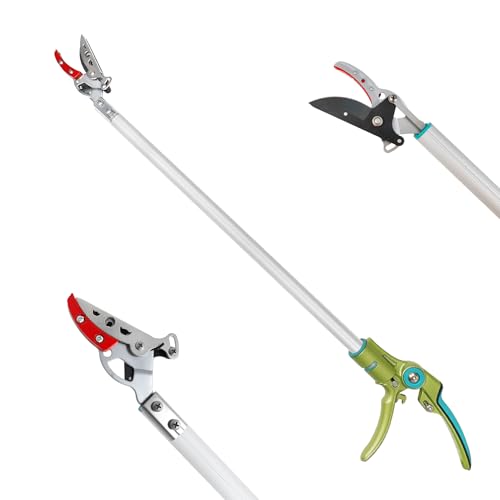
[REACH HIGH & STAY SAFE](No Ladder Required) Say goodbye to wobbly ladders! This 32inch long reach pole pruner offers an extra 30 inches of safe reach, allowing you to prune high branches or tall fruit trees while standing firmly on the ground. It’s the perfect extension tool for maintaining your backyard without the risk of falling.
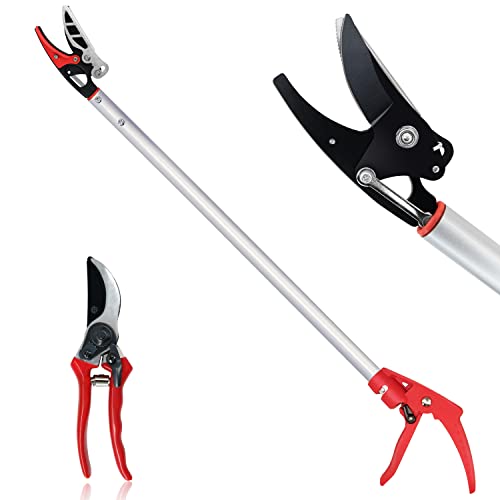
Long Handle Design: 32" handle length of the cut and hold pruners reduces back pain and stress, eliminating the need to bend over for trimming; It can also easily stretches to higher branches or thorns.
Essential Gardening Tools
- Pruning Shears: Use these to trim branches and shape your fruit trees. Regular pruning encourages healthy growth and fruit production.
- Loppers: For thicker branches, loppers provide added leverage. This tool helps maintain the tree’s structure and prevents disease.
- Tree Stakes: Strong stakes play a crucial role in stabilizing young trees. Secure the tree with ties to protect against strong winds.
- Mulching Equipment: A shovel or garden fork aids in applying mulch around the tree base. Mulch retains moisture, suppresses weeds, and improves soil health.
- Soil Testing Kits: These kits help you analyze soil nutrient levels. Regular testing informs fertilizer application, ensuring trees receive optimal nutrition.
- Watering Equipment: Use hoses or drip irrigation systems for efficient watering. Consistent moisture supports root development and overall health.
- “The Fruit Tree Handbook”: This resource covers various fruit tree varieties, care tips, and common issues. It serves as a comprehensive guide for both beginners and experienced gardeners.
- “Growing Fruit Naturally”: This book focuses on organic methods to support fruit trees. It provides valuable insights on pest management and sustainable practices.
- Local Cooperative Extension Publications: Check your local agricultural extension service for region-specific guides. They offer tailored advice based on your climate and common pests.
- Online Forums and Gardening Communities: Platforms like gardening subreddits or specialized Facebook groups can provide real-time advice and support. Engage with fellow gardeners for tips and troubleshooting.
- YouTube Channels: Follow channels dedicated to fruit tree care. Visual demonstrations can enhance understanding and provide practical, step-by-step guidance.
These tools and resources equip you to support your fruit trees effectively, leading to healthier growth and bountiful harvests.
Conclusion
Supporting your fruit trees can be a rewarding journey. By understanding their specific needs and using the right techniques you can foster healthy growth and enjoy bountiful harvests.
Remember to provide structural support when necessary and keep an eye out for pests and diseases. Regular care and attention can make a world of difference.
With the right tools and resources at your disposal you’re well on your way to creating a thriving fruit tree garden. So get out there and nurture those trees—they’ll thank you with delicious fruit for years to come!
Frequently Asked Questions
What are common challenges when planting fruit trees?
Many individuals face challenges like poor growth, pest infestations, and environmental issues when planting fruit trees. Understanding the specific needs of the tree type and providing proper care can help overcome these problems and lead to successful harvests.
How can I support young fruit trees?
Supporting young fruit trees involves staking them to withstand strong winds and bracing heavy-laden branches to prevent breakage. Using tree guards and regular pruning can help establish a strong framework and protect them from damage.
What nutritional support do fruit trees need?
Nutritional support for fruit trees includes regular soil testing, applying balanced fertilizers, and mulching to retain moisture and suppress weeds. Proper watering practices are also essential for healthy tree growth and fruit production.
How do I manage pests and diseases in fruit trees?
To manage pests and diseases, regularly inspect your trees for issues like aphids and powdery mildew. Employ organic insecticides and preventive fungicides as needed, and maintain tree health through proper care and nutrition.
What tools do I need for fruit tree care?
Essential tools for fruit tree care include pruning shears, loppers, tree stakes, mulching equipment, soil testing kits, and watering supplies. These tools enhance tree care, helping address various challenges effectively.
What resources are available for fruit tree care?
Valuable resources for fruit tree care include “The Fruit Tree Handbook,” “Growing Fruit Naturally,” local cooperative extension publications, online gardening communities, and YouTube channels dedicated to fruit tree care. These provide guidance and tips for successful gardening.
