

Have you ever wondered why your lemon tree isn’t producing fruit? You’re not alone. Many gardeners face the same challenge, feeling frustrated after nurturing their trees for months. It can be disheartening to watch your tree grow lush leaves but no lemons in sight.
Key Takeaways
- Optimal Environment: Ensure your lemon tree receives at least 8 hours of sunlight daily and thrives in temperatures between 70°F and 100°F for healthy growth and fruit production.
- Soil & Watering: Use well-drained, slightly acidic soil (pH 5.5 – 6.5), and water deeply every 1-2 weeks, allowing the top inch of soil to dry out between watering.
- Variety Selection: Choose the right lemon tree variety (e.g., Eureka, Lisbon, Improved Meyer) based on your local climate and sunlight availability for better fruit yield.
- Pruning Techniques: Prune your lemon tree in early spring to remove dead wood, thin excess foliage, and improve air circulation, thereby enhancing fruiting potential.
- Regular Fertilization: Apply balanced fertilizers with an appropriate N-P-K ratio every 6-8 weeks during the growing season to support healthy tree growth and fruit production.
- Pest and Disease Management: Monitor for common pests and diseases, such as aphids and powdery mildew, and act promptly to maintain tree health for more reliable fruiting.
Understanding Lemon Tree Growth
Lemon tree growth relies on specific factors including environment, soil, and variety selection. Understanding these aspects enhances your chances of achieving fruit production.
The Importance of Proper Environment
Lemon trees thrive in warm, sunny environments. Aim for at least 8 hours of sunlight daily. Optimal temperatures range from 70°F to 100°F. Enclosed areas, like greenhouses, help maintain consistent conditions, especially in colder climates.
Humidity levels also play a crucial role. You can improve humidity around your tree by misting its leaves or placing it near a humidifier. Protect your tree from harsh winds and frost, as these can damage blossoms and fruit.
Choosing the Right Lemon Tree Variety
Selecting the right lemon tree variety significantly impacts fruit production. Popular choices include:
- Eureka: This variety produces fruit year-round and offers resilience against pests.
- Lisbon: Known for its high yields and vigorous growth, Lisbon thrives in various climates.
- Improved Meyer: A hybrid between a lemon and a mandarin, this tree produces sweeter fruit with lower acidity.
Each variety has unique growth habits and care requirements. Determine which variety best suits your environment and space. Consider your local climate and available sunlight to ensure successful growth.
Essential Care for Lemon Trees
Proper care ensures your lemon tree produces juicy fruit. Focus on these key areas: soil requirements and watering techniques.
Recommended Products

Miracle-Gro Indoor Potting Mix for Cactus and Succulent is enriched with Miracle-Gro Plant Food and enhances desert plant vitality (vs unfed plants when used as directed)

PLANT TYPES: Use this succulent soil mix with indoor succulent plants, including aloe vera, cacti, echeverias, houseleek, burro's tail and more

100% Natural: Expertly hand-blended with premium ingredients for potted citrus trees, ensuring your trees receive the purest, chemical-free nutrients. Contains no artificial additives.
Soil Requirements
Lemon trees thrive in well-drained, slightly acidic soil with a pH of 5.5 to 6.5. For optimal growth, consider these options:
- Potting Mix: Use a commercial citrus potting mix, which contains a blend of peat, perlite, and fertilizer.
- Amendments: If soil is too alkaline, add elemental sulfur or peat moss. These amendments help maintain acidity.
- Container Drainage: Ensure pots have drainage holes to prevent waterlogging, which can lead to root rot.
Regularly check soil moisture. Lemon trees prefer slightly moist soil, but avoid over-saturation.
Watering Techniques
Watering plays a vital role in fruit production. Follow these guidelines for effective watering:
- Frequency: Water deeply every 1-2 weeks, allowing the top inch of soil to dry out between sessions.
- Time of Day: Water in the morning. This practice reduces evaporation and ensures roots absorb moisture efficiently.
- Rainwater: Collect rainwater for a more natural pH level. Lemon trees benefit from the minerals found in rainwater.
Observe your tree’s leaves. If they droop or turn yellow, adjust your watering schedule accordingly.
Techniques to Encourage Fruit Production
Enhancing fruit production in your lemon tree involves a mix of careful pruning and fertilization strategies. Implementing these techniques can significantly boost your tree’s capacity to bear fruit.
Recommended Products

Balanced Organic Nutrition – Supplies a 6‑3‑3 NPK ratio along with calcium, sulfur, iron, and zinc to foster healthy foliage, flowering, and fruit.

🍋 LEMON TREE LUXE: Tailored exclusively for indoor lemon trees, our 3-1-2 Liquid Fertilizer Concentrate provides the perfect blend of nitrogen, phosphorus, and potassium. This ensures your lemon tree thrives, bearing an abundance of zesty, sun-kissed fruit.

COMPLETE 3-IN-1 CITRUS NUTRITION KIT - Everything Your Trees Need Professional-grade fertilizer system includes slow-release NPK granules (6-month supply), liquid micronutrient concentrate (makes 32oz), and calcium supplement (makes 32oz). Specially formulated for lemon, orange, lime, grapefruit, and all citrus varieties in containers and pots.
Pruning Your Lemon Tree
Pruning your lemon tree plays a vital role in promoting fruiting. Here’s how to do it effectively:
- Timing Matters: Prune during early spring before new growth begins. This timing encourages healthy blooms.
- Remove Dead Wood: Cut away any dead or diseased branches. Healthy wood supports fruit production.
- Thin Out Foliage: Trim excess branches to improve air circulation and sunlight penetration. Leafy, overgrown trees often struggle to produce fruit.
- Shape the Tree: Aim for an open-center shape. This structure allows light to reach the interior and promotes more fruiting sites.
Regularly monitoring your tree and making small adjustments can ensure optimal growth conditions.
Fertilization Tips
Fertilizing your lemon tree provides essential nutrients that enhance fruit production. Follow these guidelines for effective fertilization:
- Choose the Right Fertilizer: Use a balanced fertilizer with an N-P-K ratio of 3-1-1 or 2-1-1. This balance promotes healthy foliage and fruit.
- Frequency of Application: Fertilize every 6-8 weeks during the growing season. Adjust frequency based on your tree’s response.
- Organic Options: Consider organic fertilizers like compost, bone meal, or citrus tree food. These options enrich the soil naturally.
- Right Timing: Apply fertilizer in spring and again in early summer. Avoid fertilizing late in the season to prevent excessive foliage growth at the expense of fruit.
Implementing these fertilization techniques ensures your lemon tree receives the proper nutrients necessary for fruit production.
Dealing with Pests and Diseases
Keeping your lemon tree healthy means tackling pests and diseases effectively. Healthy trees produce fruit more reliably, so act quickly to maintain their well-being.
Recommended Products
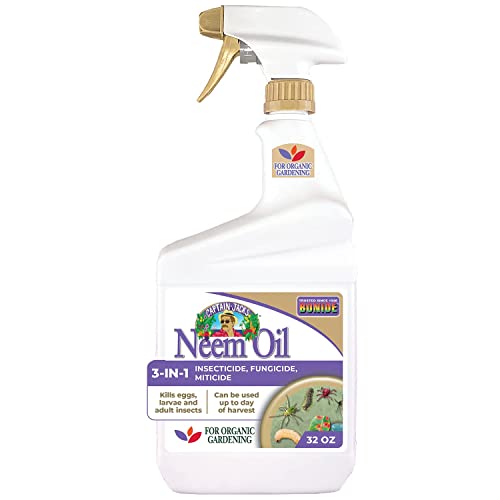
Protect your oasis with 3 garden products in 1 from Captain Jack’s; Bonide Captain Jack’s Ready-to-Use Neem Oil spray for plants is a multi-purpose fungicide, insecticide and miticide for your lawn & garden

FUNGAL DISEASE CONTROL: Prevents and controls black spot on roses, powdery mildew, rust, downy mildew, and other listed fungal diseases when applied on a 7–14 day schedule

PLANT DISEASE CONTROL: Natria Neem Oil acts as an insecticide and fungicide in one convenient spray; Ready-to-use trigger sprayer requires no mixing
Common Pests and Their Control
- Aphids: Small, soft-bodied insects that cluster on new growth and leaves. Control them by spraying a strong stream of water or using insecticidal soap to dislodge them.
- Spider Mites: Tiny arachnids that cause yellowing leaves and webbing. Increase humidity around your tree, as they thrive in dry conditions. Use neem oil to eliminate infestations.
- Whiteflies: Tiny, white, flying insects that feed on the sap. Control them with yellow sticky traps and insecticidal soap for effective removal.
- Scale Insects: Small, often hard-shelled pests that attach to stems and leaves. Remove them by scrubbing with a soft brush or cotton swab dipped in alcohol.
- Citrus Leaf Miners: Larvae that create winding tunnels in leaves. Use a combination of neem oil and monitoring traps to reduce their population effectively.
- Powdery Mildew: A white, powdery fungus that develops in humid conditions. Increase airflow and apply fungicides to treat this disease.
- Root Rot: Caused by overwatering and poor drainage. Signs include yellowing leaves and wilting. Ensure proper drainage and reduce watering frequency to prevent root rot.
- Citrus Greening: A bacterial disease that affects many citrus trees. Symptoms include yellowing leaves and misshapen fruit. Monitor for any signs and consult a local agricultural extension office for further guidance.
- Leaf Spot: Characterized by dark spots on leaves. Overhead watering exacerbates this issue. Ensure to water at the base and use fungicides as needed to treat the problem.
By keeping an eye out for these common pests and diseases, you can help ensure your lemon tree remains healthy and productive. Regular monitoring and prompt action make a significant difference in fruit production.
Conclusion
Getting your lemon tree to produce fruit can be a rewarding journey. With the right care and attention you can create the perfect environment for your tree to thrive. Remember to choose the right variety for your climate and provide it with plenty of sunlight and well-drained soil.
Regular pruning and fertilization will help promote healthy blooms while keeping an eye out for pests and diseases ensures your tree stays strong. By following these steps you’ll be well on your way to enjoying delicious homegrown lemons. Happy gardening and may your lemon tree be fruitful!
Frequently Asked Questions
Why isn’t my lemon tree producing fruit?
Many factors can affect fruit production in lemon trees, including insufficient sunlight, poor soil quality, and incorrect watering. Lemon trees require at least 8 hours of sunlight daily and well-drained, slightly acidic soil.
What type of environment do lemon trees need?
Lemon trees thrive in warm, sunny environments with optimal temperatures between 70°F and 100°F. They also need protection from harsh winds and frost, as these conditions can hinder growth and fruiting.
How can I improve my lemon tree’s soil?
Lemon trees prefer well-drained, slightly acidic soil with a pH of 5.5 to 6.5. Using commercial citrus potting mixes and adding soil amendments can help maintain acidity for optimal growth.
What watering routine should I follow for my lemon tree?
Water your lemon tree deeply every 1-2 weeks, ensuring the soil remains moist but not waterlogged. Using rainwater is beneficial due to its natural minerals, essential for tree health.
How important is pruning for lemon trees?
Pruning is crucial for encouraging healthy blooms and fruit production. It’s best to prune in early spring, removing dead wood and thinning foliage for better air circulation and light exposure.
What is the best fertilizer for lemon trees?
A balanced fertilizer with an appropriate N-P-K ratio is recommended, applied every 6-8 weeks during the growing season. Consider using organic options to naturally enrich the soil for better fruit production.
How do I manage pests on my lemon tree?
Common pests include aphids, spider mites, and whiteflies. Use insecticidal soap, neem oil, or sticky traps as effective control methods. Regular monitoring is vital to catch infestations early.
What diseases should I watch for in lemon trees?
Lemon trees can be affected by diseases like powdery mildew, root rot, and citrus greening. Preventive measures include proper care and prompt treatment if symptoms arise, ensuring your tree’s health and productivity.
