

Have you ever stared at your banana tree, wondering why it hasn’t produced any fruit? You’re not alone. Many plant lovers find themselves in the same boat, nurturing their trees but waiting in vain for those delicious bananas to appear.
Key Takeaways
- Understand Banana Tree Varieties: Familiarize yourself with the characteristics of different banana tree types (Cavendish, Apple Banana, Red Banana, Blue Java) to cater to their specific needs for optimal growth and fruit production.
- Create Ideal Growing Conditions: Ensure your banana tree receives at least 12 hours of sunlight daily, well-draining soil with a pH of 5.5 to 7.0, regular watering (1 inch weekly), and temperatures between 75°F and 95°F.
- Prioritize Proper Care: Maintain soil moisture without overwatering, use nutrient-rich soil, and fertilize regularly (a potassium-rich blend every 4-6 weeks) for healthy growth and fruit development.
- Encourage Fruit Production: Implement pollination strategies and pruning techniques to improve fruit yields, including attracting pollinators and trimming excess suckers to direct energy to the main stalk.
- Address Common Issues: Regularly inspect for pests and diseases, maintaining good air circulation, and ensuring appropriate watering practices to prevent environmental stressors that hinder fruit production.
Understanding Banana Trees
Understanding banana trees is essential for encouraging fruit production. With the right care and knowledge, your banana tree can thrive and bear fruit.
Types of Banana Trees
Several types of banana trees exist, each with unique characteristics. The most common include:
- Cavendish: Recognized for its sweet flavor and availability in grocery stores, Cavendish bananas thrive in warmer climates.
- Apple Banana: Smaller and sweeter, this variety is known for its apple-like flavor.
- Red Banana: With reddish-purple skin, this variety offers a creamier texture and is popular in certain regions.
- Blue Java: Often called the “ice cream banana,” it has a soft, sweet flavor reminiscent of vanilla.
Each type has specific needs regarding space, sunlight, and temperature.
Ideal Growing Conditions
To promote fruit growth, banana trees require optimal growing conditions:
- Sunlight: Choose a location that receives full sun for at least 12 hours daily. Bright light encourages healthier growth and fruit production.
- Soil: Use well-draining soil with a pH level of 5.5 to 7.0. Enriching the soil with compost improves fertility.
- Water: Water regularly but avoid overwatering. Soil should remain moist but not soggy. Aim for at least 1 inch of water each week.
- Temperature: Banana trees prefer temperatures between 75°F and 95°F. Protect them from frost to ensure continued growth.
By meeting these conditions, you enhance the chances of your banana tree producing fruit.
Essential Care for Banana Trees
Proper care is crucial for banana trees to bear fruit. Focus on watering, soil, and nutrients to create the right environment.
Recommended Products
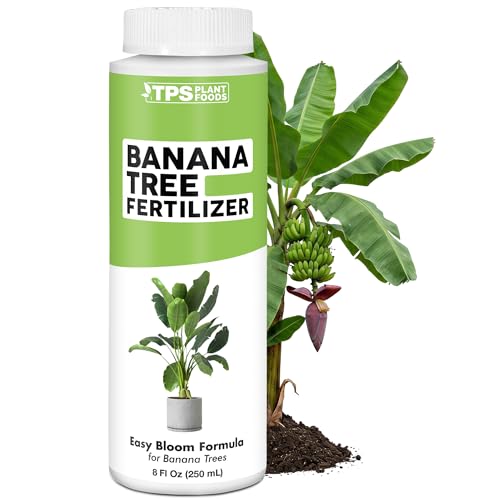
Made for Banana Trees – Specially formulated banana fertilizer designed to support the nutrient needs of banana plants.

PREMIUM FUEL LIQUID FERTILIZER: Wellspring Gardens Banana Fuel Liquid Fertilizer Concentrate provides a quality nutrient blend with minor elements that could grow your plants. Its 3-1-6 formula ratio is the ideal fertilizer ration according to University of Florida which is what our product is made of.

PREMIUM WATER SOLUBLE FERTILIZER: Wellspring Gardens Banana Fuel Fertilizer provides a water-soluble and high-quality nutrient blend with minor elements to promote optimal growth for your banana plants. Its premium 15-5-30 blend ensures that your banana plants are healthy and happy.
Watering Requirements
Water your banana trees regularly to maintain soil moisture. Ensure they receive about 1-2 inches of water weekly, especially during dry spells. Check the soil 2-3 inches below the surface. If it feels dry, it’s time to water. Avoid overwatering, which can lead to root rot. Consider using mulch around the base to help retain moisture and maintain temperature.
Soil and Nutrients
Use well-draining soil rich in organic matter for optimal growth. A pH level between 5.5 and 7.0 works best. Incorporate compost or aged manure to improve nutrient content. Provide fertilizer high in potassium, like a 5-10-30 blend, every 4-6 weeks during the growing season. This ensures your banana trees receive the necessary nutrients to support fruit development.
Encouraging Fruit Production
To encourage your banana tree to produce fruit, focus on essential factors such as pollination and pruning techniques. These strategies can significantly impact your tree’s ability to bear fruit.
Recommended Products

ULTRA SHARP - Much less effort to cut branches with our pruning shears. Crafted from premium SK5 steel with titanium coating, our garden scissors and garden clippers boast exceptional durability and sharpness. A perfect pruning shears for gardening and a must-have garden tool, hedge clippers pruners for gardening

· ULTRA-SHARP SK5 STAINLESS STEEL - Engineered with premium SK5 stainless steel, these heavy duty pruning shears deliver razor-sharp precision and maximum hardness. The rust-resistant blades are designed to stay sharp longer, effortlessly resisting corrosion and sap buildup for smooth, friction-free garden shears performance year after year.

DUAL CUTTING POWER: VERSATILE PRUNING COMBO --- With both Pruning Shears and Pruning Snip, this combo delivers unmatched versatility. Whether you're delicately trimming flowers and shrubs, tackling thicker tree branches, or tending to your vegetable and fruit garden, our combo pack excels in all areas. They're also perfect for landscaping projects and maintaining the health and appearance of indoor plants. With this pack, you have a versatile tool that simplifies your gardening tasks.
The Role of Pollination
Pollination plays a crucial role in fruit production for certain banana varieties. While many banana trees, like the Cavendish, are parthenocarpic and do not require pollination, some produce seeds that can contribute to fruit development. If your tree produces flowers, ensure they receive adequate pollinators like bees or moths. You can attract these insects by planting flowering plants nearby. Additionally, hand pollination can boost fruit set. Use a small brush to transfer pollen from male flowers to female flowers. This technique can enhance fruit yield in situations where natural pollination is limited.
Pruning Techniques
Pruning helps banana trees focus energy on fruit production. Start by removing dead or damaged leaves, as they can attract pests and diseases. Cutting back any suckers that grow from the base can also encourage the main stalk to produce fruit more efficiently. Leave one or two healthy suckers for future growth while trimming the rest. Prune during the growing season, specifically in late spring or early summer, to stimulate growth and prepare for fruit development. This practice ensures your banana tree allocates resources to producing healthy fruit instead of unnecessary foliage. Following these pruning techniques can lead to more abundant fruit production.
Common Problems and Solutions
Banana trees can face several problems that hinder fruit production. Understanding these issues helps you take the necessary steps to resolve them.
Pests and Diseases
Pests and diseases can significantly impact your banana tree’s ability to bear fruit. Common pests include aphids, spider mites, and banana weevils. To manage these pests:
- Inspect Regularly: Look for signs of infestation such as discolored leaves or webbing.
- Use Insecticidal Soap: Apply this product to affected areas to eliminate soft-bodied insects.
- Introduce Beneficial Insects: Ladybugs and lacewings can help control pest populations naturally.
Diseases like Panama disease and leaf spot can also damage your trees. To prevent these, ensure good air circulation and avoid overhead watering. Remove and destroy any infected plant material immediately to stop the spread.
Environmental Stressors
Environmental stressors can affect your banana tree’s health and fruiting ability. Key stressors include temperature fluctuations, inadequate sunlight, and improper watering.
- Maintain Temperature: Banana trees thrive in temperatures between 75°F and 95°F. Protect them from cold drafts or sudden temperature drops.
- Ensure Adequate Sunlight: Position your banana trees in full sun, receiving at least 6-8 hours of direct sunlight daily.
- Monitor Watering Practices: Avoid overwatering; adjust based on soil moisture level. Aim for about 1-2 inches of water weekly. Watering in the morning prevents fungal issues and aids in moisture retention.
By identifying and addressing these common problems, you can encourage your banana tree to produce fruit successfully.
Conclusion
Getting your banana tree to bear fruit can feel like a journey filled with ups and downs. With the right care and attention you can create the perfect environment for your tree to thrive. Remember to focus on proper watering soil nutrition and even a bit of pruning to help it channel its energy.
Don’t forget to keep an eye out for pests and diseases that could hinder your progress. By addressing these challenges head-on you’ll not only increase your chances of fruit production but also enjoy the entire process of nurturing your banana tree. So keep those green thumbs ready and watch as your efforts pay off with delicious bananas in no time!
Frequently Asked Questions
Why won’t my banana tree produce fruit?
Many factors can prevent fruit production in banana trees, including insufficient sunlight, improper watering, and nutrient deficiencies. Ensuring your banana tree receives 6-8 hours of direct sunlight, regular watering (1-2 inches weekly), and a potassium-rich fertilizer can enhance fruit yield.
What are the different types of banana trees?
Common types of banana trees include Cavendish, Apple Banana, Red Banana, and Blue Java. Each variety has unique characteristics and specific care requirements regarding space, sunlight, and temperature. Understanding these differences is crucial for successful growth and fruit production.
How can I care for my banana tree?
To care for your banana tree, provide well-draining soil enriched with organic matter, maintain regular watering without overwatering, and ensure a warm climate (75°F to 95°F). Additionally, apply a potassium-rich fertilizer every 4-6 weeks during the growing season for optimal growth.
What pests affect banana trees?
Common pests that can affect banana trees include aphids, spider mites, and banana weevils. Regular inspections, using insecticidal soap, and introducing beneficial insects can help manage these infestations, ensuring your tree stays healthy and fruitful.
How do I promote pollination in banana trees?
While most banana varieties, like Cavendish, do not require pollination, some can benefit from it. Attracting pollinators such as bees or moths can enhance fruit yield. Hand pollination is also effective and can stimulate fruit set for certain varieties.
What diseases can harm banana trees?
Diseases such as Panama disease and leaf spot can harm banana trees. Prevent these issues by ensuring good air circulation, using disease-resistant varieties, and immediately removing any infected material to protect your tree from further damage.
How often should I water banana trees?
Banana trees should be watered regularly to maintain soil moisture, typically requiring about 1-2 inches of water weekly. It’s crucial to avoid overwatering, as this can lead to root rot. Adjust watering based on weather conditions and the tree’s needs.
