

Have you ever stepped outside to find your precious fruit trees stripped bare by pesky squirrels? You’re not alone. Many gardeners face this frustrating battle every season. Those little critters can turn your hard work into a feast for themselves, leaving you feeling defeated and empty-handed.
Key Takeaways
- Understand Squirrel Behavior: Familiarize yourself with common squirrel species like Eastern Gray, Fox, and Red squirrels to tailor your deterrent strategies effectively.
- Identify Damage Signs Early: Look for signs of squirrel activity such as chewed fruit, gnawed branches, and dropped fruit to take timely protective measures.
- Implement Preventive Measures: Use safe deterrents like essential oils, hot pepper spray, and physical barriers (e.g., tree guards, netting) to secure your fruit trees.
- Utilize Active Removal Techniques: Consider humane trapping and natural repellents to manage squirrel populations without harming them.
- Explore Non-Lethal Alternatives: Use noise devices, natural predators, and decoys to create an environment that discourages squirrels from invading your garden.
- Monitor and Adapt Strategies: Regularly assess the effectiveness of your methods and adapt your strategies based on observed squirrel behavior to maintain effective protection for your fruit trees.
Understanding the Squirrel Problem
Squirrels pose a significant challenge for gardeners, particularly those tending fruit trees. They can quickly strip trees of their prized produce, leading to frustration and loss.
Common Squirrel Species
You might encounter several squirrel species that target fruit trees. Common types include:
- Eastern Gray Squirrel: Found in urban and suburban areas, this species is a frequent culprit in garden raids.
- Fox Squirrel: Larger than the gray squirrel, fox squirrels often raid fruit trees during their search for food.
- Red Squirrel: Smaller but equally resourceful, red squirrels tend to invade gardens, especially in wooded areas.
Identifying these species helps in understanding their behavior and developing effective deterrent strategies.
Signs of Squirrel Damage
Detecting squirrel damage early can help protect your fruit trees. Watch for these signs:
- Chewed Fruit: Look for fruit with bite marks or missing sections, which indicates squirrel activity.
- Gnawed Branches: Inspect for signs of gnawing on tree branches. Squirrels often strip bark and leave jagged edges.
- Dropped Fruit: If you find uneaten or partially eaten fruit on the ground, squirrels may have disrupted your harvest.
Being aware of these signs can enable you to take actions to safeguard your trees before substantial damage occurs.
Preventive Measures
Taking preventive measures can significantly reduce squirrel interference with your fruit trees. Implementing these strategies helps protect your hard work and secure bountiful harvests.
Recommended Products
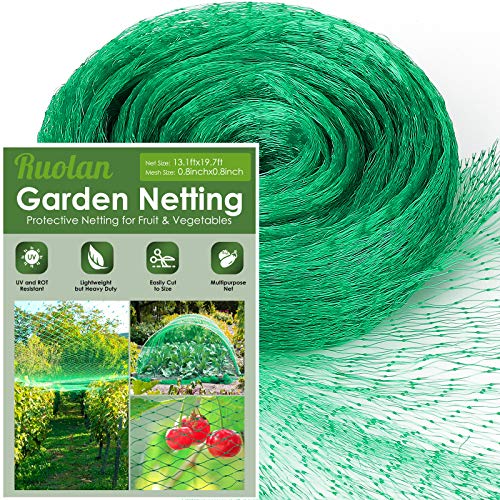
【Perfect size】(Garden Netting size 13ftX20ft, Mesh Size 0.8inchX0.8inch), Protect fruit tree plant blueberry strawberry from animals
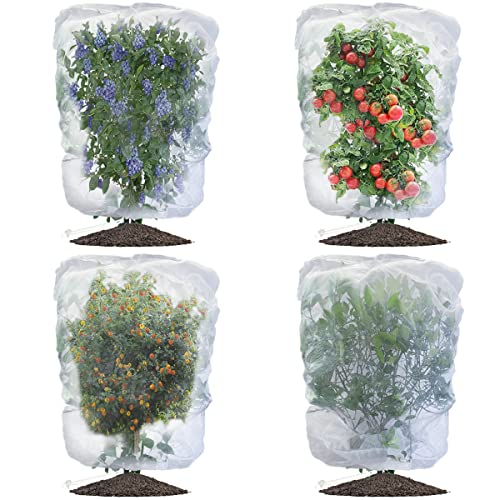
BIRD GARDEN NETTING BAGS with DRAWSTRING: You will receive 4pcs garden netting which 2.3 x 3.5ft, perfect for various plants such as fruit trees, blueberry shrubs, large potted plants, flowers, etc. The large fruit tree covers bags effectively prevents small animals or birds from damaging your plants or fruit, ensuring obtaining more harvest
Safe Deterrents
Using safe deterrents ensures you don’t endanger other wildlife or plants. Try these methods:
- Essential Oils: Apply oils like peppermint or citrus around the base of trees. The strong scents deter squirrels without harming them.
- Hot Pepper Spray: Mix water with crushed red pepper flakes and spray on fruits and branches. Squirrels dislike the taste, which keeps them away.
- Noise Makers: Hang wind chimes or use motion-activated noise devices. The sound startles squirrels and drives them off.
Physical Barriers
Creating physical barriers prevents squirrels from accessing your fruit trees effectively. Consider these options:
- Tree Guards: Install metal tree guards around the trunks. Choose guards high enough to prevent climbing.
- Netting: Use bird or garden netting to cover fruit. Secure the edges so squirrels can’t sneak underneath.
- Fencing: Erect a fence around your garden. Ensure it’s at least three feet high and buries the bottom a foot deep to prevent digging.
Implementing these preventive measures helps secure your fruit trees against pesky squirrels, guarding your garden and preserving your harvest.
Active Removal Techniques
Engaging in active removal techniques can effectively manage squirrel populations that threaten your fruit trees. Consider using the following methods to deter these critters.
Recommended Products

HUMANE ANIMAL CAPTURE: The Havahart Easy-Set humane catch and release trap is ideal for rabbits, skunks, squirrels, and weasels

NON-FOLDABLE design, fully assembled, just open and use, 17 x 7 x 7 inches outer dimensions

Humanely Captures Animals – Ideal for trapping rabbits, skunks, and squirrels
Trapping Methods
Trapping provides a humane solution for controlling squirrels. Use live traps that are designed specifically for this purpose. Place traps near trees where you see frequent squirrel activity. Bait them with nuts, sunflower seeds, or peanut butter for better results. Once trapped, relocate squirrels at least five miles away from your property to ensure they won’t return. Always check local regulations regarding trapping and relocation to stay compliant with wildlife laws.
Repellent Options
Repellents offer an alternative to trapping squirrels. Commercial squirrel repellents containing ingredients like capsaicin can deter them. Apply these to the trunks of your trees and surrounding areas. Natural repellents like garlic or vinegar can work too; mix them with water and spray around your fruit trees. Reapply after rain or heavy wind to maintain effectiveness. Additionally, ultrasonic repellents create sounds that are uncomfortable for squirrels but inaudible to humans, providing a non-invasive way to keep them at bay.
Non-Lethal Alternatives
Using non-lethal methods can effectively deter squirrels from your fruit trees without harming them or other wildlife. Here are several strategies to consider:
Recommended Products
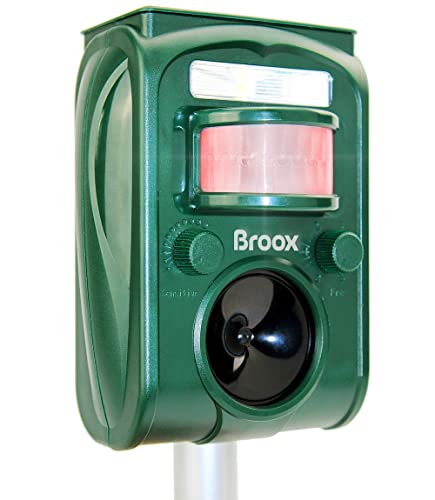
Do you have problem with unwanted animals in your area, garden, farm? Are they destroying your garden or eating the fruits? Do they bring many viruses to you? Let's start to use Broox deer Repellent to solve your problems! This effective device helps you to get rid of unwelcome animal visitors. It contains a motion detector system which detects movements and emits powerful ultrasonic sound and flashing LED light.

[Designed for versatile use] this unit delivers both audible and visual signals. The device operates across a 25-65KHz frequency range, generating alternating sonic waves. An integrated flashing LED light is also activated to provide visual cues in low-light conditions.

[Address Unwanted Attic Activity] Nighttime scratching, daytime scurrying, squeaking or heavy footsteps overhead can leave you worried about what is hiding above the ceiling. This rechargeable attic animal repeller is designed to help discourage mice, squirrels, bats and raccoons from frequently used shelter areas. Adjustable sonic and ultrasonic output offers a sound-based deterrent option for dry attic spaces and garages, without sprays, powders or exposed traps.
Noise and Disturbance
Creating noise can disturb squirrels, making them less likely to approach your fruit trees.
- Wind Chimes: Hang wind chimes near your trees. The movement and sound can scare squirrels away.
- Ultrasonic Devices: Consider using ultrasonic devices that emit high-frequency sounds. These sounds typically don’t affect humans but can drive squirrels away.
- Recording Sounds: Play recordings of predator calls or loud noises intermittently. This can create an environment that squirrels find unsettling.
Natural Predators
Utilizing natural predators is another effective way to keep squirrels at bay.
- Cats: If you have a cat, allow it to roam in your garden. Cats’ presence often deters squirrels.
- Birds of Prey: Installing perches for hawks or owls can attract these birds. Their presence can create a fear factor for squirrels.
- Decoys: Use realistic decoys of owls or snakes in your garden. Move them around regularly to avoid squirrels becoming accustomed to them.
By integrating these non-lethal alternatives, you can create a more squirrel-resistant environment for your fruit trees while maintaining harmony with local wildlife.
Monitoring Success
Monitoring the success of your squirrel deterrent strategies ensures your fruit trees remain safe from damage. Assessing the effectiveness of your methods keeps your garden thriving.
Ongoing Maintenance
Regular maintenance of deterrent measures helps deter squirrels consistently. Inspect barriers like fencing and netting frequently for any signs of wear or damage. Replace or repair them promptly to maintain their effectiveness. Reapply deterrents like essential oils or hot pepper spray every few weeks, especially after rain. Observing activity around your trees each day provides insight into what works best. If you notice squirrels adapting to your methods, it’s time to reassess and make changes.
Adaptation Strategies
Adapting your strategies based on squirrel behavior enhances your success in protecting fruit trees. Observe for patterns in squirrel activity, such as peak feeding times. Consider rotating your deterrents every few weeks to prevent squirrels from becoming accustomed to them. If certain methods prove less effective, experiment with new options like additional noise devices or different natural predators in your area. Engaging with local gardener communities or gardening forums can also provide fresh ideas and solutions tailored to your region. Staying flexible and responsive to squirrel behavior ensures you’re always one step ahead in protecting your fruit trees.
Conclusion
Keeping squirrels away from your fruit trees doesn’t have to feel like an uphill battle. By understanding their behavior and using a mix of deterrents and barriers you can protect your hard-earned harvest. Remember to regularly check your strategies and adapt as needed.
With a little patience and creativity you can enjoy the fruits of your labor without sharing with those pesky critters. Happy gardening and may your trees thrive free from unwanted nibblers!
Frequently Asked Questions
What common squirrel species target fruit trees?
Gardeners often deal with the Eastern Gray Squirrel, Fox Squirrel, and Red Squirrel when it comes to fruit tree damage. Understanding these species can help in formulating effective strategies to deter them and protect your crops.
How can I detect signs of squirrel damage?
Look for chewed fruit, gnawed branches, and dropped fruit around your trees. Identifying these early signs allows you to take proactive measures to prevent significant harm to your fruit trees.
What are some effective deterrent strategies for squirrels?
To deter squirrels, you can use safe methods like essential oils, hot pepper spray, noise makers, or physical barriers like tree guards and netting. These options protect your trees without harming wildlife.
What humane removal methods are available for squirrels?
Humane trapping involves using live traps baited with nuts or peanut butter. Make sure to relocate trapped squirrels at least five miles away to prevent their return, ensuring you comply with local wildlife laws.
Are there non-lethal ways to keep squirrels away?
Yes, non-lethal methods include creating noise disturbances with wind chimes or ultrasonic devices, using natural predators like cats, or setting up decoys such as owls. These strategies can effectively deter squirrels without causing harm.
How often should I maintain my squirrel deterrents?
Regular maintenance is crucial for consistent effectiveness. Inspect barriers, reapply deterrents, and adapt your strategies based on your observations of squirrel behavior to keep your fruit trees safe from damage.
