

Are squirrels raiding your fruit trees and leaving you frustrated? You’re not alone. Many gardeners face the challenge of keeping these pesky critters away from their prized harvests. Watching your hard work vanish in a flash can be disheartening.
Key Takeaways
- Understanding Squirrel Behavior: Recognizing the reasons squirrels are attracted to fruit trees—such as food sources, nesting materials, and shelter—is essential for effective deterrence.
- Implementing Prevention Techniques: Use physical barriers like fencing, tree trunk wraps, squirrel baffles, and netting, along with regular tree maintenance, to protect your fruit trees.
- Utilizing Deterrent Methods: Explore natural and commercial deterrents, including spicy sprays, predator urine, essential oils, and motion-activated devices, to keep squirrels away.
- Trapping and Relocation: Consider humane trapping methods for squirrel removal, ensuring adherence to local regulations, proper timing, and health precautions during the process.
- Community Collaboration: Engage with neighbors and utilize local wildlife control resources for shared strategies and support in managing squirrel populations effectively.
Understanding Squirrel Behavior
Squirrels exhibit behaviors that make them drawn to fruit trees. Recognizing these patterns can help you develop effective strategies to deter them.
Why Squirrels Are Attracted to Fruit Trees
Squirrels seek out fruit trees for several reasons:
- Food Source: Fruits provide essential nutrients, including sugars and vitamins. Squirrels often target ripe fruits, as they tend to be the sweetest.
- Nesting Materials: Squirrels collect twigs, leaves, and other materials for their nests. Fruit tree branches can provide handy building supplies.
- Shelter: Fruit trees offer cover and protection from predators. Squirrels feel safer when they can hide among the foliage.
Understanding these motivations helps you identify the best ways to protect your fruits.
Common Squirrel Species That Target Fruit Trees
Certain squirrel species are notorious for raiding fruit trees:
- Eastern Gray Squirrel: This species is widely found in urban and suburban areas. They are agile and often climb the highest branches to access fruit.
- Fox Squirrel: Larger than the Eastern Gray, Fox Squirrels are known for digging up and eating bulbs and fruits. They prefer more open areas but will raid orchards when food is scarce.
- Red Squirrel: Smaller in size, Red Squirrels tend to be more aggressive in defending their food sources. They’ll often attempt to monopolize fruit trees in their territory.
Identifying these species can help you tailor your strategies based on their specific habits.
Prevention Techniques
Preventing squirrels from raiding your fruit trees involves a mix of physical barriers and ongoing tree maintenance. You can take these steps to safeguard your harvest.
Recommended Products
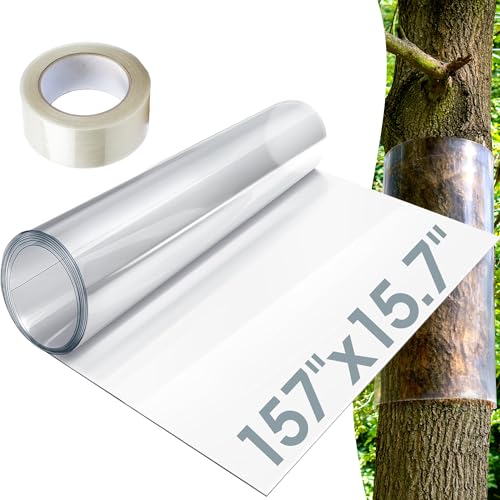
【Package Includes】You will receive a roll of iguana tree wrap in size of 157"x15.7" and a roll 108ft × 1.38 inch PET weather-resistant tape. Complete protection set is sufficient to wrap around the tree trunk, effectively block iguanas and reptiles from climbing and gnawing, providing all-weather protection for trees

Iguanas & Rodents Barrier: Our iguana tree wrap is designed to stop iguanas, squirrels, rodents, and even cats from climbing tree trunks. The ultra-smooth PET surface reduces claw friction, making it difficult for animals to grip and climb. This helps protect your trees, roof, attic, and garden from unwanted animal intrusion and damage

Humane & Effective Iguana Deterrent: Prevent iguanas from climbing your trees without causing them harm. Our tree wrap creates a slick, impassable barrier that stops iguanas from accessing branches, roofs, and vulnerable foliage. Once installed, iguanas simply slip off and seek shelter elsewhere.
Physical Barriers
- Create Fencing: Install a sturdy fence around your garden. Use wire mesh or hardware cloth, burying the bottom at least 6-12 inches to deter digging.
- Wrap Tree Trunks: Use metal flashing or smooth plastic wraps around the trunks of young trees. Ensure the wrap extends at least 4-5 feet off the ground to prevent climbing.
- Install Squirrel Baffles: Attach baffles to tree branches. These domes or cones slide and pivot, making it difficult for squirrels to gain access.
- Use Netting: Cover your fruit trees with bird netting. This physical barrier prevents squirrels from reaching the fruit while allowing sunlight and rain to nourish the tree.
- Prune Regularly: Keep trees well-pruned, removing lower branches. This discourages squirrels by limiting their access points to the canopy.
- Clear Debris: Remove fallen fruit and nuts from around your trees. Leaving debris provides a food source that attracts squirrels.
- Monitor Plant Health: Maintain healthy trees through regular watering and fertilization. Unhealthy trees attract pests, including squirrels, looking for easy meals.
- Select Squirrel-Resistant Varieties: Consider planting fruit tree varieties that tend to be less appealing to squirrels. Research options based on your local environment and squirrel behavior.
By implementing these techniques, you can effectively reduce squirrel activity in your fruit trees, preserving more of your hard-earned harvest.
Deterrent Methods
To protect your fruit trees from squirrels, consider employing various deterrent methods. These strategies can effectively minimize squirrel activity while allowing you to enjoy your harvest.
Recommended Products

Keep Squirrels & Chipmunks from Digging, Chewing, & Nesting: Shake vigorously for 30 seconds before each use to prevent clogging. Reapply after heavy rain for continued effectiveness. Do not apply to plants, as burning may occur. This squirrel repellent spray protects gardens, bird feeders, attics, garages, and vehicles from destructive small animals by creating a sensory barrier through smell, taste, and touch that they instinctively avoid.

Fast Acting, Easy to Use, and Dries Clear: Keep Squirrels Out of Your Garden! Works as a repellent and training tool for Chipmunks & Squirrels. Squirrel Mace works as a flower bulb protection spray. Powerful, with a high percentage of active Ingredients. Lasting protection, with weather-resistant sticking agents. Keep squirrel & chipmunks from destroying trees, planters and bird feeders/safe to use around children & plants.

Control diseases and insects in your garden with Captain Jack’s Fruit Tree Spray Concentrate! Use on a variety of listed fruits, nuts and citrus plants.
Natural Deterrents
Utilize natural deterrents to keep squirrels at bay. Some effective options include:
- Spicy Sprays: Mix water with hot pepper flakes or chili powder. Spray this mixture on and around your trees. Squirrels dislike the taste and smell, which discourages them from coming close.
- Predator Urine: Purchase coyote or fox urine from garden centers. Sprinkling it around the base of your trees can create the illusion of predators nearby, making squirrels reluctant to venture into the area.
- Essential Oils: Use essential oils like peppermint or eucalyptus. Soak cotton balls in these oils and place them near your trees. The strong scents can drive squirrels away.
Commercial Repellents
Consider various commercial repellents designed to deter squirrels. Look for these options:
- Pellets and Granules: Apply squirrel repellent pellets or granules around the base of your trees. These products often contain natural ingredients that discourage squirrel activity.
- Sprays: Use commercial sprays labeled for squirrel repellent. These sprays can coat fruit trees, providing a protective barrier against hungry squirrels.
- Motion-Activated Devices: Install motion-activated sprinklers or noise-making devices. These gadgets activate when they detect movement, startling squirrels and discouraging them from approaching.
Experiment with these deterrents to find the best methods for your garden. Combining several approaches often yields the best results in safeguarding your fruit trees from squirrels.
Trapping and Relocation
Trapping squirrels can effectively remove them from fruit trees while ensuring their safe relocation. Understanding the types of traps and considering safety and ethical implications enhance this process.
Recommended Products

Humanely Captures Animals – Ideal for trapping rabbits, skunks, and squirrels

Allow the safe confinement of small and live woodland and grassland animals like rodents and squirrels with this large rat trap with no rat poison needed.

NON-FOLDABLE design, fully assembled, just open and use, 17 x 7 x 7 inches outer dimensions
Types of Traps
- Live Traps: Live traps capture squirrels without harming them. They feature a one-way door that closes once the squirrel enters. Set these traps near active feeding areas or nesting sites for optimal success.
- Snap Traps: Snap traps kill squirrels quickly. Set these traps in areas with visible squirrel activity, but ensure they are in safe locations where nontarget animals can’t get caught.
- Electric Traps: Electric traps provide a quick, humane kill through a high-voltage shock. Position these traps in secluded areas to minimize risk to pets or children.
- Scented Baits: Use bait to lure squirrels into traps. Peanut butter, sunflower seeds, or fruit are effective options. Ensure bait is securely placed inside the trap to avoid scavenging.
- Local Regulations: Before trapping, check local laws regarding wildlife trapping and relocation. Some areas require permits or have specific guidelines for handling squirrels.
- Trapping Timing: Avoid trapping during nesting seasons, which typically occurs in spring or early summer. Squirrels may have dependent young, and relocation could lead to abandonment.
- Humane Treatment: Always use humane traps and handle captured squirrels with care. Relocate them at least 5-10 miles away to prevent them from returning. Choose a suitable habitat such as wooded areas, away from urban settings.
- Health Precautions: Wear gloves when handling traps to avoid contact with parasites or diseases. Thoroughly disinfect traps after use.
- Monitoring the Trap: Regularly check traps to minimize stress on captured squirrels and ensure timely relocation.
Implementing these trapping techniques and considerations ensures a responsible approach to managing squirrel populations near your fruit trees.
Community Solutions
Collaborating with your community can lead to effective strategies for managing squirrels in fruit trees. Engaging with neighbors and utilizing local resources can enhance your efforts.
Engaging Neighbors
Discussing squirrel issues with neighbors can foster cooperative solutions. Share experiences and strategies that worked for you. Consider organizing a community meeting to brainstorm deterrent methods and share resources. For example, you could pool funds to purchase bulk deterrents or fencing materials. Forming a neighborhood group can make it easier to coordinate efforts, enhancing the chances of successful squirrel management across multiple yards.
Local Wildlife Control Resources
Utilize local wildlife control resources for expert help. Many communities offer services that can assist with squirrel issues. Contact your local extension office or wildlife agency for advice on humane methods of control. They might provide educational materials or even workshops on managing wildlife in gardens. Additionally, local pest control companies often have experience dealing with squirrels and may offer solutions tailored to your specific situation. Don’t hesitate to reach out for reliable assistance and guidance.
Conclusion
Dealing with squirrels in your fruit trees can be a challenge but you’re not alone in this. By understanding their behavior and implementing a mix of physical barriers and deterrents, you can protect your precious harvests.
Don’t hesitate to try different methods to see what works best for you. Whether it’s using natural repellents or collaborating with neighbors, every little effort counts.
With patience and persistence, you can enjoy the fruits of your labor without the worry of squirrel raids. Happy gardening and may your trees thrive!
Frequently Asked Questions
Why do squirrels raid fruit trees?
Squirrels are attracted to fruit trees primarily for food, nesting materials, and shelter. They are opportunistic feeders and will exploit accessible food sources, leading to frustration for gardeners looking to protect their harvests.
What squirrel species are common targets of fruit trees?
Common squirrel species that raid fruit trees include the Eastern Gray Squirrel, Fox Squirrel, and Red Squirrel. Understanding these species can help gardeners identify proper management strategies to safeguard their crops.
How can I physically protect my fruit trees from squirrels?
To protect fruit trees, consider installing sturdy fencing, wrapping tree trunks with metal flashing or smooth plastic, and using squirrel baffles on branches. Additionally, bird netting can shield fruits while allowing sunlight and rain.
What natural deterrent methods can I use against squirrels?
Natural deterrents include spicy sprays made from hot pepper flakes, predator urine, and essential oils like peppermint or eucalyptus. These methods can help keep squirrels away from fruit trees without harming the animals.
Are there effective traps for squirrel management?
Yes, effective traps include live traps, snap traps, and electric traps. It’s essential to use enticing baits like peanut butter or sunflower seeds and to check local regulations for humane trapping and relocation practices.
How can community efforts help with squirrel management?
Community efforts can enhance squirrel management by sharing experiences, pooling resources for deterrents or fencing materials, and seeking expert assistance from local wildlife agencies. Collaboration can lead to more effective solutions across neighborhoods.
