

Have you ever found your fruit trees stripped bare by hungry ground squirrels? You’re not alone. Many gardeners face this frustrating problem each season as these little critters take advantage of your hard work.
Key Takeaways
- Understanding Ground Squirrel Behavior: Familiarize yourself with ground squirrels’ social nature, feeding habits, and burrowing behaviors to effectively manage their presence around fruit trees.
- Implementing Physical Barriers: Use sturdy fencing and protective tree wraps to create barriers that hinder ground squirrel access, ensuring fences are both high and buried to prevent burrowing.
- Effective Landscape Management: Maintain a clean garden environment by removing debris, fallen fruits, and potential nesting materials to deter ground squirrels from frequenting your orchard.
- Utilizing Repellents and Deterrents: Enhance protection by applying commercial repellents or homemade solutions, and consider planting strong-scented plants to keep ground squirrels at bay.
- Trapping and Removal Techniques: Employ live traps or snap traps to manage ground squirrel populations effectively, ensuring you place them strategically and check them regularly.
- Adhering to Regulations: Stay informed about local wildlife regulations concerning trapping and removal to ensure humane and legal practices while protecting your fruit trees.
Understanding Ground Squirrels
Ground squirrels are small, agile rodents that can cause significant damage to fruit trees. Understanding their behavior and habitat helps in effectively preventing their intrusion into your garden.
Behavior and Habitat
Ground squirrels are social creatures that often live in colonies. They prefer open areas with access to food, making fruit orchards an attractive target. They’re diurnal, meaning they are most active during the day, foraging for seeds, nuts, and fruits. They use burrows for shelter and can create complex tunnel systems in your yard. When they find a reliable food source, they return frequently, posing a constant threat to your fruit trees.
Impact on Fruit Trees
Ground squirrels can inflict serious damage on fruit trees. They often gnaw on tree bark, which can lead to diseases or even death of the tree. They also consume fruit, leaves, and flowers, reducing your yield. Their burrowing activity disrupts the roots, potentially destabilizing the plants. For instance, a single ground squirrel can consume dozens of fruits in a season, making them a significant nuisance for gardeners. Addressing their presence quickly is crucial to preserving your orchard’s health.
Prevention Strategies
To keep ground squirrels away from your fruit trees, implement effective prevention strategies that make your garden less appealing to them.
Recommended Products

High quality raw materials: Our hardware cloth chooses the strength, toughness and ductility of low carbon steel wire as the inner core. This determines the basis of the high quality of our products.23Gauge Galvanized After Welding Wire Metal Mesh Roll Use this to protect vegetables and flower roots, bulbs, rhizomes, etc from tunneling animals. pack:A roll of hardware cloth

High-Quality Anti-Rust Process This hardware cloth is made from high-strength low-carbon steel wire, combining excellent strength with flexibility. After precision welding, the entire product undergoes a premium anti-rust treatment—hot-dip galvanization—with special reinforcement at all seams and corrosion-prone areas to ensure uniform, dense coating and outstanding rust resistance. This process grants the product superior weather resistance, making it an ideal choice for wire mesh fencing and long-term outdoor applications.
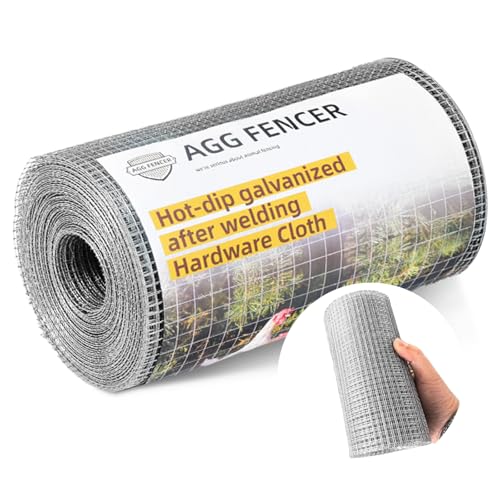
Product details: The length of this hardware cloth is 8 inches/ 20.32cm, the width is 25ft/ 7.62m, and the hole size is 1/4 x 1/4inch. It is very suitable for repairing damaged chicken coops, gaps under houses and other small-sized damaged holes
Physical Barriers
Install physical barriers to deter ground squirrels from accessing your fruit trees. Fencing works well, especially when made from hardware cloth or welded wire. Ensure the fence is at least 3 feet high and buried 12 inches underground to prevent burrowing. Also, consider using tree wraps made of metal mesh or vinyl to protect the bark directly. These materials prevent damage while allowing sunlight and air through.
Landscape Management
Manage your landscape to reduce ground squirrel attraction. Keep areas around your fruit trees clean and free of debris. Clear away fallen fruit, nuts, and any potential nesting materials. Trim low-hanging branches to minimize cover for squirrels. Implement regular maintenance practices like mowing grass and removing weeds to eliminate hiding spots. Lastly, relocate bird feeders away from fruit trees, as their seeds can attract ground squirrels.
By combining physical barriers with smart landscape management, you can effectively reduce ground squirrel activity around your fruit trees.
Repellents and Deterrents
Using repellents and deterrents offers additional strategies to keep ground squirrels away from your fruit trees. These methods can enhance the effectiveness of physical barriers and landscape management.
Chemical Repellents
Chemical repellents create scents or tastes that deter ground squirrels from approaching your trees. Consider these effective options:
- Commercial Repellents: Look for formulas containing castor oil or predator urine. Apply these according to package instructions around the base of your trees.
- Homemade Sprays: Mix cayenne pepper, garlic powder, and water. Spray this solution on leaves and around the base of trees weekly, especially after rainfall.
- Granular Products: Sow granular repellents around the tree base to create a barrier that discourages ground squirrels from entering the area.
Natural Solutions
Natural methods are eco-friendly alternatives that can help keep ground squirrels at bay. Here are some options to consider:
- Strong-Scented Plants: Plant mint, lavender, or rosemary near your trees. These plants emit scents that ground squirrels often find unappealing.
- Mothballs: Scatter mothballs around your fruit trees to emit a strong smell that deters squirrels. Replace them regularly for consistent effectiveness.
- Companion Planting: Mix your fruit trees with plants like marigolds or garlic. These combinations can confuse and intimidate ground squirrels.
Implementing these repellents and deterrents creates a multi-faceted approach that protects your fruit trees from ground squirrel damage.
Trapping and Removal
Trapping and removal provide an effective method for managing ground squirrel populations around fruit trees. By using the right traps and following best practices, you can minimize damage to your trees.
Types of Traps
- Live Traps: These humane traps capture ground squirrels without harming them. Select traps with a size of at least 5 x 5 x 18 inches to ensure proper capture. Once captured, relocate the squirrels at least 5 miles away from your property.
- Snap Traps: These traps kill ground squirrels quickly. Choose models designed for rodents, ensuring they are strong enough to handle the weight of ground squirrels. Place snap traps near burrows or feeding areas for effectiveness.
- Electronic Traps: These traps deliver a swift, lethal electric shock to the captured squirrel. They’re more expensive but require less frequent checks, making them a practical option for those managing larger populations.
- Location: Set traps near burrows, feeding areas, or along known travel routes. Observe their activity before positioning traps for optimal placement.
- Bait: Use attractive bait like sunflower seeds, peanut butter, or fruits to lure squirrels into traps. Make sure the bait is fresh for better results.
- Safety Measures: Wear gloves when handling traps and bait to avoid transferring human scent. Place traps out of reach of pets and children.
- Regular Checks: Inspect traps at least once a day. This ensures timely removal of captured squirrels and prevents stress to animals.
- Follow Regulations: Familiarize yourself with local wildlife regulations regarding trapping and relocation. Compliance is essential to ensure humane and legal removal.
- Seasonal Timing: Trap in spring or fall when ground squirrel activity peaks. These seasons offer the best chance for successful capture before they can damage your fruit trees.
By implementing these trapping methods and best practices, you can protect your fruit trees from ground squirrel damage effectively.
Conclusion
Keeping ground squirrels away from your fruit trees doesn’t have to be a daunting task. By combining physical barriers, smart landscape management, and effective repellents, you can create a protective environment for your trees. Regularly checking traps and maintaining cleanliness in your garden will go a long way in deterring these pesky critters.
With a little effort and the right strategies, you can enjoy a fruitful harvest without the worry of ground squirrels ruining your hard work. Happy gardening and may your trees thrive!
Frequently Asked Questions
What damage do ground squirrels cause to fruit trees?
Ground squirrels can severely damage fruit trees by gnawing on bark, consuming fruits, leaves, and flowers, and disrupting root systems through burrowing. This damage can lead to diseases or even the death of the trees, making it crucial to address their presence quickly.
How can I prevent ground squirrels from accessing my fruit trees?
To prevent ground squirrels, install physical barriers like a fence made of hardware cloth at least 3 feet high and buried 12 inches underground. Additionally, use tree wraps of metal mesh or vinyl and manage your landscape by cleaning debris and trimming branches.
What types of repellents are effective against ground squirrels?
Effective repellents include chemical formulas with castor oil or predator urine, homemade sprays using cayenne pepper and garlic powder, and natural solutions like planting mint or lavender. Granular products can also serve as a barrier around tree bases.
How can I manage ground squirrel populations effectively?
You can manage ground squirrel populations through trapping methods. Use live traps for humane capture or snap traps for quick kills. Ensure proper placement near burrows, use attractive baits, and regularly check traps for compliance with local regulations.
When should I trap ground squirrels for best results?
Trapping ground squirrels is most effective during their peak activity seasons, which are typically spring and fall. This timing helps minimize damage to your fruit trees while managing the squirrels’ populations effectively.
