

Have you ever wondered how long it takes for a date tree to start producing those sweet, delicious fruits? If you’re considering planting one or just curious about these iconic trees, you’re not alone. Many people dream of enjoying fresh dates right from their backyard, but the wait can be a bit longer than expected.
Key Takeaways
- Time to Maturity: Date trees typically take 4 to 8 years to mature before they start bearing fruit, with specific varieties maturing at different rates.
- Variety Matters: Medjool dates can take 6-8 years to produce fruit, while Deglet Noor may bear fruit in 4-6 years and Barhi in just 4-5 years.
- Optimal Conditions: Date trees thrive in hot, arid climates with consistent temperatures between 100°F and 120°F, well-drained sandy soil, and full sun exposure.
- Watering Importance: Regular watering during the initial growth phase is crucial for establishing healthy roots; once mature, date trees require less frequent watering.
- Soil Quality: Well-drained, sandy soil with a pH range of 7.0 to 8.0 supports robust growth and fruit production.
- Cultivation Practices: Employ best practices like proper variety selection, adequate spacing, and timely fertilization to enhance growth and yield of date trees.
Understanding Date Trees
Date trees thrive in specific environments and require certain conditions to produce fruit. These trees belong to the palm family and offer a variety of species, each with unique characteristics.
Types of Date Trees
You can find several types of date trees, but the most common ones include:
- Medjool: Renowned for their large size and sweet flavor, Medjool dates are among the most popular varieties. They thrive in warm climates, needing around 100°F for optimal growth.
- Deglet Noor: Often referred to as the “queen of dates,” Deglet Noor trees are significant for their firm texture and rich taste. These trees adapt well to various soils and can tolerate cooler temperatures.
- Barhi: Known for their soft texture and honey-like sweetness, Barhi dates grow on trees that require less water than other varieties. They produce fruit early, often in about four to five years.
Understanding the types of date trees helps you choose the right one for your climate and taste preferences.
Growth Conditions
Optimal growth conditions for date trees include:
- Climate: Date trees require a hot, arid climate. Temperatures above 100°F foster healthy fruit production.
- Soil: Well-drained, sandy soil promotes root growth. Incorporating organic matter enhances soil fertility.
- Watering: Regular watering is essential, especially in the first few years. Once established, date trees are drought-tolerant but benefit from deep watering during dry spells.
- Sunlight: These trees need full sun exposure, achieving at least six to eight hours of sunlight daily.
By providing these essential conditions, you’ll promote a robust environment for your date tree, leading to successful fruit production over time.
Timeframe for Bearing Fruit
Date trees take time to begin producing fruit, and understanding this timeframe helps set realistic expectations for new growers. Several factors impact how long it takes for a date tree to bear fruit, which can vary by variety and growing conditions.
Recommended Products

Common Name: Medjool Date Palm
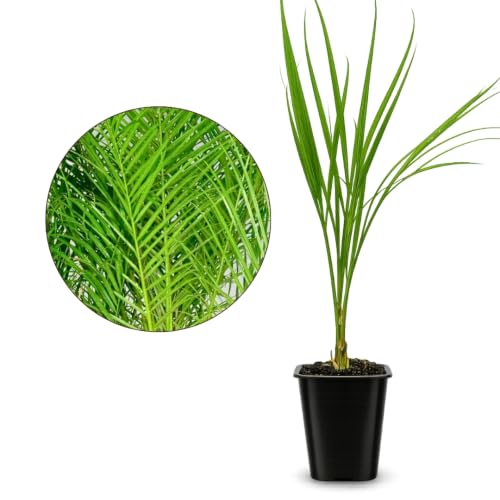
Live Palm Tree: Phoenix roebelenii Pygmy Date Palm starter in a 2.5-inch plastic nursery pot

SPECIES: Phoenix Canariensis, commonly known as the Canary Island Date Palm, is a stunning tropical palm tree.
Factors Influencing Time to Fruit
- Tree Maturity: Date trees typically need 4-8 years to reach maturity before bearing fruit. Younger trees focus on growth rather than fruit production.
- Variety of Date Tree: Different types of date trees mature at varying rates. For example, Medjool trees often take longer compared to Deglet Noor and Barhi varieties.
- Climate Conditions: Hot, arid climates foster quicker growth and fruiting. Date trees thrive in regions with temperatures between 100°F and 120°F.
- Soil Quality: Well-drained sandy soil supports strong root systems, which enhances the tree’s ability to absorb nutrients and water, accelerating fruit production.
- Water Availability: Consistent watering during the growth phase is crucial. An adequate water supply promotes healthy growth, leading to earlier fruiting.
| Date Tree Variety | Average Time to Bear Fruit |
|---|---|
| Medjool | 6-8 years |
| Deglet Noor | 4-6 years |
| Barhi | 4-5 years |
| Zahidi | 5-7 years |
Medjool date trees often take longer than other varieties, while Deglet Noor trees can start producing fruit in as little as 4 years. Barhi and Zahidi trees follow closely behind but vary slightly based on their specific growing conditions. Planting the right variety in an optimal environment ensures quicker fruit production.
Cultivation Practices
Cultivating date trees requires specific practices to ensure healthy growth and fruit production. Following best practices can significantly enhance your chances of success.
Recommended Products

Package contains 4 pounds organic fertilizer grains for palm trees and plants and is produced to avoid wasteful runoff, mess, hazards and smells

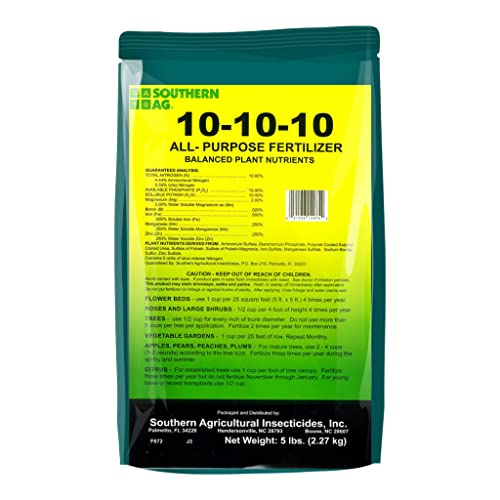
Best Practices for Growing Date Trees
- Choose the Right Variety: Select a date tree variety that suits your climate. Medjool thrives in hot, dry areas, while Deglet Noor and Barhi adapt to slightly cooler climates.
- Provide Adequate Space: Ensure each tree has enough space for optimal growth. A planting distance of 20-30 feet between trees allows sufficient airflow and sunlight.
- Soil Preparation: Use well-drained sandy soil rich in organic matter. Conduct a soil test to determine pH levels; ideal pH ranges from 7.0 to 8.0.
- Watering Schedule: Regularly water young trees, especially during dry seasons. Deep watering encourages deep root growth. Once established, reduce the frequency; date trees are drought-tolerant.
- Sunlight Exposure: Plant your trees in full sun. At least 6-8 hours of direct sunlight daily promotes healthy growth and fruiting.
- Fertilization: Apply a balanced fertilizer, such as 10-10-10, every 6-8 weeks during the growing season. This supports healthy leaf and fruit development.
- Pruning: Remove dead or damaged fronds to promote airflow. Trim back excess fronds to maintain shape and encourage better fruit production.
- Improper Planting Depth: Avoid planting too deep. Keep the root crown above the soil level to prevent rot.
- Ignoring Soil Quality: Don’t overlook soil drainage. Poor drainage can lead to root disease; amend the soil if necessary.
- Overwatering: Prevent overwatering, which can suffocate roots. Check soil moisture before irrigation.
- Delayed Fertilization: Don’t wait too long to fertilize. Early fertilization after planting supports vigorous growth.
- Lack of Pollination: Ensure pollination, especially for varieties that require it, by planting both male and female trees or hand-pollinating.
- Neglecting Pests: Monitor trees for pests such as spider mites or scale. Treat infestations promptly to prevent damage.
- Underestimating Growth Time: Be patient; understand that date trees take several years to bear fruit, with some varieties requiring longer than others.
By following these practices and avoiding common pitfalls, you can cultivate thriving date trees that may eventually reward you with delicious fruit.
Environmental Considerations
Understanding the environmental factors that influence date tree growth can optimize your chances of successful fruit production. Key considerations include climate and soil types.
Recommended Products

Upgraded Heavy-Duty Galvanized Frame: The load-bearing poles of this tunnel greenhouse use reinforced galvanized pipes (Diameter: 1", Wall Thickness: 0.02"), enhancing overall strength and stability. Reinforced door poles, added diagonal bars, U-shaped stakes, and tie-downs increase stability.

Upgraded Heavy-Duty Galvanized Frame: The load-bearing poles of this tunnel greenhouse are constructed with reinforced galvanized pipes (Diameter: 1", Wall Thickness: 0.02"), enhancing overall strength and stability. Reinforced door poles, added diagonal bars, U-shaped stakes, and tie-downs increase stability and protect your plants from harsh weather conditions.

High Strength and Stability: The tunnel greenhouse uses reinforced galvanized pipes (Diameter: 1", Wall Thickness: 0.02") to enhance overall structural strength. Reinforced door poles, added diagonal bars, U-shaped stakes, and tie-downs increase stability and protect your plants from harsh weather conditions.
Climate Requirements
Date trees thrive in a hot, arid climate with temperatures between 100°F to 120°F (38°C to 49°C). Ideal growing regions include parts of the Middle East, North Africa, and areas in California. These trees tolerate drought well, but they need consistent heat to bear fruit.
Tip: If you live in a cooler climate, consider using greenhouses or hoop houses to maintain optimal temperatures.
Soil Types for Optimal Growth
Date trees prefer well-drained sandy soil with pH levels between 8 and 11. This type of soil prevents waterlogging, which can damage the roots.
- Sandy Loam: Provides good drainage and aeration.
- Clay Loam: Works if mixed with sand for improved drainage.
Tip: Before planting, test your soil’s drainage. If it’s not draining well, amend it with sand or gravel to help with water flow.
Conclusion
Growing date trees is a rewarding journey that requires patience and care. While it might take 4 to 8 years to see those sweet fruits, the process can be enjoyable as you nurture your trees. By choosing the right variety and providing optimal conditions, you’re setting yourself up for success.
Remember to keep an eye on the climate, soil, and watering needs. With a little love and attention, you’ll soon be harvesting fresh dates from your own backyard. So hang in there and enjoy the experience of watching your date trees grow!
Frequently Asked Questions
How long does it take for date trees to bear fruit?
Date trees typically take 4 to 8 years to start producing fruit. The exact timeline depends on the variety; for instance, Medjool trees may take 6 to 8 years, while Deglet Noor and Barhi varieties can begin fruiting in about 4 to 6 years.
What conditions do date trees need to thrive?
Date trees thrive in hot, arid climates with temperatures between 100°F to 120°F (38°C to 49°C). They require well-drained sandy soil, full sun exposure, and a regular watering schedule to ensure optimal growth and fruit production.
What are the best varieties of date trees?
Popular varieties of date trees include Medjool, Deglet Noor, Barhi, and Zahidi. Each variety has unique characteristics and growth requirements, so choose one suited for your climate and available space to enhance fruit production.
How can I ensure my date trees grow well?
To promote healthy growth, select the right variety for your climate, provide adequate sunlight, prepare well-drained sandy soil, and establish a proper watering schedule. Regular fertilization and pruning are also important practices.
What are common mistakes when planting date trees?
Common pitfalls include improper planting depth, neglecting soil quality, overwatering, and inadequate pest management. Avoiding these mistakes can improve your chances of successfully growing date trees that bear fruit.
