

Have you ever stood in your yard, dreaming of a fruit-filled paradise, but wondered how far apart to plant those trees? It’s a common question for aspiring gardeners. The right spacing can make all the difference between a thriving orchard and a tangled mess of branches.
Key Takeaways
- Importance of Proper Spacing: Correctly spacing fruit trees is essential for their growth, minimizing competition for nutrients and maximizing sunlight and air circulation.
- Variable Distance Requirements: Different species of fruit trees have unique spacing needs; for example, standard apple trees require 15-20 feet apart, while dwarf varieties need about 8-10 feet.
- Key Influencing Factors: Consider factors such as tree species, size, climate, and soil type when determining how far to plant your fruit trees apart.
- Recommended Distances: Follow recommended distances for common fruit trees: apple and peach trees need 15-20 feet, while citrus trees typically require 12-25 feet between them.
- Benefits of Adequate Spacing: Proper spacing improves air circulation and sunlight exposure, helping prevent diseases and ensuring higher fruit quality and yield.
- Essential Planting Tips: Focus on soil preparation and effective watering techniques to support healthy growth and establish resilient root systems for your fruit trees.
Understanding Planting Distances
The distance you plant fruit trees apart significantly impacts their growth and fruit production. Proper spacing ensures trees receive adequate sunlight, air circulation, and resources.
Importance of Spacing Between Trees
Spacing between trees is crucial for several reasons. First, it helps minimize competition for nutrients and water. Trees that are too close may struggle to grow and produce fruit. Second, proper spacing promotes airflow, reducing the risk of fungal diseases. Well-spaced trees also allow easier access for maintenance tasks like pruning and harvesting.
Factors Influencing Distance
Several factors influence the distance between fruit trees.
- Tree Species: Different species require varying amounts of space. For example, apple trees typically need about 15-20 feet apart, while dwarf varieties can be spaced closer together, around 8-10 feet.
- Tree Size: Mature tree size affects spacing. Larger trees, like walnuts or cherries, require more room than smaller varieties, like figs or crabapples.
- Climate: In warmer climates, trees may need additional space to reduce heat stress and prevent disease.
- Soil Type: Poor soil may restrict root growth. Increasing distance can help trees access more nutrients from a wider area.
Understanding these factors aids in creating a productive orchard tailored to your conditions.
Recommended Distances for Common Fruit Trees
Proper spacing between your fruit trees maximizes their growth potential and overall productivity. Here’s a guide to recommended distances for some common fruit trees.
Recommended Products

Package: 5 Individual Packs, 40+ Lemon Tree Seeds 40+ Cherry Tree Seeds 40+ Orange Tree Seeds 40+ Apple Seeds 20+ Blueberry Seeds

Product Quantity: 180+ premium bonsai fruit seeds across 5 varieties; Individual packs contain 40+ apple, 40+ lemon, 40+ orange, 20+ blueberry, and 40+ cherry seeds; Perfect for starting a diverse miniature orchard
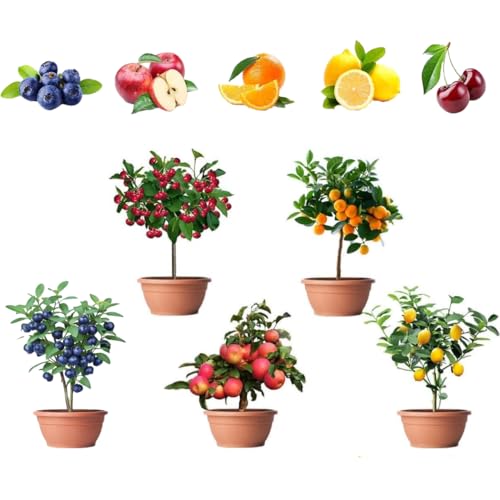
Variety Pack of 5 Fruits: Includes 40 Lemon seeds, 40 Orange seeds, 40 Apple seeds, 20 Cherry seeds, and 20 Blueberry seeds for a colorful and diverse home garden
Apple Trees
Plant standard apple trees 15-20 feet apart. This distance allows ample space for their broad canopies and helps reduce competition for nutrients. Dwarf apple trees can be spaced about 8-10 feet apart. They grow smaller but still require decent airflow for optimal fruit production.
Peach Trees
For peach trees, aim for 15-20 feet of distance as well. Standard peach varieties benefit from this spacing to ensure sunlight reaches all parts of the tree. Dwarf peaches can be spaced 8-10 feet apart, as they are smaller but still produce delicious fruit.
Citrus Trees
Citrus trees thrive best when planted 12-25 feet apart. Standard citrus varieties, like oranges and lemons, need more space to grow their canopies. Dwarf citrus trees can be placed 6-8 feet apart, which works well for smaller gardens but maintains healthy airflow between trees.
Adjust distances based on your specific planting conditions, including climate and soil quality, to create a flourishing orchard.
Benefits of Proper Spacing
Proper spacing between fruit trees offers several advantages essential for healthy growth and high yields. Adequate distance ensures trees thrive, benefiting both you and your orchard.
Improved Air Circulation
Proper spacing promotes airflow around each tree. Increased air circulation reduces humidity levels, which prevents mold and mildew. For instance, spacing apple trees 15-20 feet apart creates room for breezes, allowing leaves to dry quickly after rain. This air movement limits the severity of airborne diseases, keeping trees healthier.
Disease Prevention
Effective spacing minimizes competition, which enhances overall tree vigor. Thinner canopies mean fewer shaded areas, reducing the likelihood of fungal infections. For example, if peach trees remain 15 feet apart, their open canopies get better airflow. Healthy trees naturally resist diseases, resulting in a more productive orchard.
Optimal Sunlight Exposure
Sufficient distance ensures each tree receives adequate sunlight for photosynthesis. For example, dwarf citrus trees planted 6-8 feet apart can fully absorb sunlight without obstruction from neighboring trees. Proper light exposure boosts fruit quality and production. It also helps prevent overly dense growth, leading to more uniform crops and easier harvesting.
Tips for Planting Fruit Trees
Proper planting techniques ensure your fruit trees thrive in their environment. Pay attention to soil preparation and watering techniques for a successful start.
Recommended Products
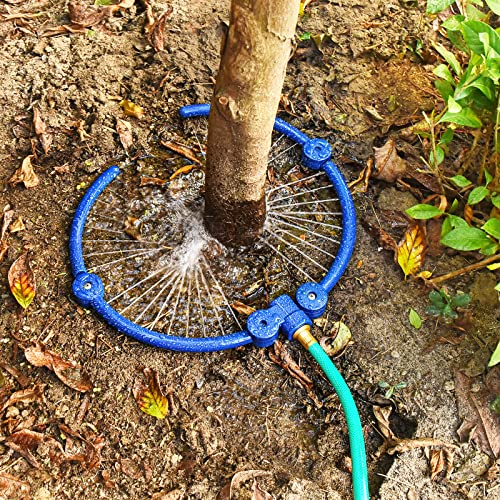
【Specially Designed for Trees and Shrubs】 The Watering Ring is a multi-purpose irrigation ring that attaches to a garden hose to efficiently water young trees shrubs vegetables or flower beds using drip or trickle irrigation.It directs water to the root perimeter of the plant to give them a good start during the first two growing seasons or through periods of drought.
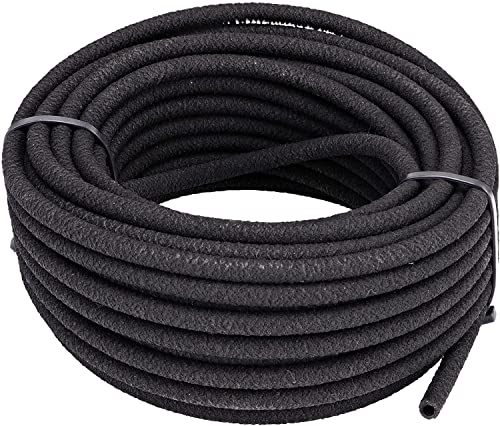
Slowly waters the soil around your plants for complete root zone hydration; Ideal for short runs on flat surfaces, such as vegetable gardens, borders, and around small plants

GENTLE WATERING: Disperses water into a soft, even flow to protect delicate plants, seedlings, and soil from erosion and washout
Soil Preparation
Soil preparation lays the foundation for healthy fruit trees. Start by testing your soil’s pH; most fruit trees prefer a pH between 6.0 and 7.5. Amend the soil as necessary by adding organic matter, such as compost or well-rotted manure, to improve nutrient content and drainage.
Next, clear the planting area of grass, weeds, and debris. This promotes better root development and reduces competition for nutrients. Dig a hole that is twice as wide as the root ball but no deeper than the tree’s root system. This gives roots plenty of space to spread out and establish.
When placing the tree in the hole, make sure the graft union (where the tree variety was grafted onto the rootstock) is above ground level. Backfill the hole gently with soil, ensuring no air pockets remain. Water the tree thoroughly after planting to settle the soil.
Watering Techniques
Watering plays a critical role in your fruit trees’ growth. Immediately after planting, provide deep watering to establish roots. Use a soaker hose or drip irrigation to ensure the water penetrates the root zone effectively.
During the first year, water your trees weekly, adjusting based on rainfall. Aim for 1-2 inches of water per week, especially during dry spells. Be cautious not to overwater, which can lead to root rot. Mulch around the base of the tree helps retain moisture while also suppressing weeds.
As your trees mature, you can transition to less frequent watering. Monitor soil moisture to determine when to water. The top 2-3 inches of soil should feel dry before watering again, helping develop deep, resilient root systems.
Conclusion
Getting the spacing right for your fruit trees is key to a thriving orchard. You want to give each tree enough room to grow strong and healthy while maximizing their fruit production. Remember to consider the specific needs of each variety you choose and adjust your planting distances accordingly.
Don’t forget that proper soil preparation and watering techniques play a huge role in your trees’ success. By following these guidelines and paying attention to your trees’ needs, you’ll be well on your way to enjoying a bountiful harvest for years to come. Happy planting!
Frequently Asked Questions
What is the ideal spacing for planting fruit trees?
Proper spacing for fruit trees is essential for their growth and productivity. Standard apple and peach trees should be planted 15-20 feet apart, while dwarf varieties need 8-10 feet. Citrus trees require 12-25 feet for standard types and 6-8 feet for dwarf types.
Why is proper spacing important for fruit trees?
Proper spacing ensures that trees receive adequate sunlight, air circulation, and resources. It minimizes competition for nutrients and water, promotes airflow to reduce the risk of diseases, and facilitates easier access for maintenance tasks.
How do climate and soil type affect tree spacing?
Climate and soil type can influence how far apart trees should be planted. In areas with dense soil or limited sunlight, trees may need additional spacing to thrive. Adjustments based on local conditions help create a more successful orchard.
What are some tips for planting fruit trees?
When planting fruit trees, prepare the soil by testing pH (ideally between 6.0 and 7.5) and incorporating organic matter. Clear the area of grass and debris, dig a hole twice as wide as the root ball, and position the graft union above ground level.
How often should I water newly planted fruit trees?
After planting, water deeply to establish roots, providing 1-2 inches of water weekly during the first year. Use a soaker hose or drip irrigation, and avoid overwatering to prevent root rot. Watering frequency can be reduced as trees mature.
