

Have you ever wondered how to fill your island with vibrant fruit trees in Animal Crossing? Growing fruit trees not only adds beauty to your landscape but also provides delicious resources for crafting and sharing with friends.
Key Takeaways
- Understand Fruit Tree Varieties: Select from multiple fruit trees, including apples, cherries, peaches, oranges, and coconuts, each offering unique benefits for crafting and trade.
- Site Selection is Crucial: Choose optimal locations for planting, ensuring ample sunlight and proper spacing (one tile distance) for healthy growth.
- Proper Planting Technique: Use a shovel to dig a hole, plant the fruit, and optionally water the tree to enhance growth; expect fruit production in about three days.
- Regular Maintenance: Water and fertilize your fruit trees consistently and monitor for pests and diseases to ensure maximum yield and health.
- Effective Harvesting: Harvest ripe fruits after three days, checking their color and vibrancy. Utilize fruits for crafting, trading, or gaining energy boosts for tasks in the game.
- Enhance Island Aesthetics: Plant trees in clusters or mixed varieties to create a visually appealing orchard that enhances your island’s beauty.
Overview of Fruit Trees in Animal Crossing
Fruit trees play a crucial role in enhancing your island’s aesthetics and providing resources. You can plant several types of fruit trees, including:
- Apple Trees: Produce apples that are versatile in recipes and for sharing.
- Cherry Trees: Yield cherries known for their vibrant color and crafting uses.
- Peach Trees: Offer juicy peaches that can be used in various dishes.
- Orange Trees: Generate oranges which are popular for gifts and recipes.
- Coconut Trees: Grow along beaches, providing coconuts and a tropical vibe.
To plant fruit trees, you need specific items:
- Fruit: Collect fruit from trees on your island or trade with friends.
- Space: Ensure you have enough space to plant, with at least one tile distance from other trees or structures.
- Shovel: Use a shovel to dig a hole for planting your tree.
Steps to Plant a Fruit Tree:
- Choose a Location: Decide where you want to plant the tree, considering visibility and accessibility.
- Dig a Hole: Use your shovel to dig one hole.
- Plant the Fruit: Open your inventory, select the fruit, and choose “Plant.”
- Water Your Tree: Watering encourages growth, though it’s not necessary.
Fruit trees take about three days to grow, after which they start producing fruit. Make sure to check your trees regularly to harvest ripe fruit and maintain their health. You can also crossbreed fruit trees by planting different types close together to create unique hybrids.
Planting trees in clusters can create a beautiful orchard aesthetic, making your island feel cozy and inviting. You can also mix different types for a colorful display.
Selecting the Right Fruit Trees
Choosing the right fruit trees is crucial for maximizing your island’s potential in Animal Crossing. Different varieties thrive in varying conditions, so it’s important to match them with your island’s environment.
Recommended Products

Product Quantity: 180+ premium bonsai fruit seeds across 5 varieties; Individual packs contain 40+ apple, 40+ lemon, 40+ orange, 20+ blueberry, and 40+ cherry seeds; Perfect for starting a diverse miniature orchard

Light: Thrives in full sun for best fruit production.

4 kinds of the most popular fruits, individually packaged, 50pcs Lemon seeds 50pcs Cherry seeds 50pcs Orange seeds 50pcs Apple seeds Fresh seeds, all fruit seeds are packed in tear and moisture resistant zipper sealed bags for your long term storage.
Popular Fruit Varieties
- Apple Trees: Apples grow on trees with beautiful green foliage. They provide a sweet fruit that’s great for crafting, making apple-related recipes, and trading with friends.
- Cherry Trees: Cherry trees boast lovely pink blossoms. They yield tart cherries, perfect for crafting and provide a vibrant visual during the spring season.
- Peach Trees: Peaches grow on strong, leafy trees. Their succulent fruits are not only delicious but are also useful in many DIY recipes.
- Orange Trees: Orange trees flourish in sunny areas. They produce zesty oranges that enhance various dishes and can be sold for Bells.
- Coconut Trees: Coconut trees thrive on the sandy beaches. They yield refreshing coconuts, adding a unique tropical flair while being useful in several crafting recipes.
- Soil Quality: Ensure the soil on your island is suitable for planting. Rich, well-drained soil enhances growth rates for fruit trees. Avoid areas with rocky or muddy terrain.
- Sunlight: Check how much sunlight your selected location receives. Most fruit trees thrive in bright spots. Place them where they’ll get plenty of direct sunlight throughout the day.
- Space Requirements: Confirm each tree’s spacing needs. Fruit trees require at least one empty tile around them to grow properly. Ensure sufficient space for their expansion.
- Climate Conditions: Observe your island’s climate. Tropical varieties, like coconut trees, perform best in warmer zones, while other fruit trees adapt well to temperate climates.
Incorporating these factors will enhance your fruit tree-growing experience and subsequently improve your island’s aesthetics and resource availability.
Planting Your Fruit Trees
Planting fruit trees in Animal Crossing enhances your island’s charm while providing access to delicious resources. Follow these guidelines to ensure successful growth.
Recommended Products

Official Animal Crossing Collection – Features charming miniature room scenes inspired by the popular Animal Crossing video game series.


ANIMAL CROSSING PRETEND PLAY – Girls, boys and fans of Animal Crossing can recreate scenes from the video game series with the Able Sisters Clothing Shop building kit
Choosing the Right Location
Select a spot with enough space for your fruit trees. Each tree requires a one-square gap on all sides. This spacing prevents crowding and ensures optimal growth. Also, consider placing trees in areas that receive plenty of sunlight. Brightly lit locations encourage robust growth and fruit production. Avoid shaded areas near buildings or other large objects, as these can stunt development.
- Gather Supplies: Collect a fruit, a shovel, and a watering can.
- Dig the Hole: Stand on the desired planting spot and select your shovel. Dig a hole by pressing the action button.
- Plant the Fruit: Open your inventory and choose the fruit. Position it over the hole and select the action button to plant it.
- Water the Tree: Select your watering can. Water the newly planted tree to boost growth rates.
- Wait for Growth: Expect the tree to grow in about three days. During this time, avoid moving or disrupting the area around the tree.
Caring for Your Fruit Trees
Caring for your fruit trees ensures they thrive and produce plentiful fruit. Regular maintenance leads to better growth and fruit production.
Recommended Products
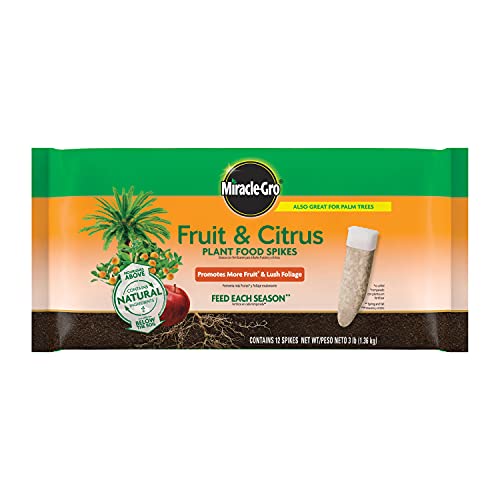
FORMULATED FOR CITRUS AND FRUIT TREES: Use these citrus fertilizer spikes on apple, orange, lemon, lime, and avocado trees; this formula is also great for feeding palm trees

Package contains 4 Pounds organic fruit and citrus fertilizer grains and is produced to avoid wasteful runoff, mess, hazards and smells

🌿 Balanced 10-10-10 Granular Fertilizer for Outdoor & Indoor Plants: All-purpose plant food with 10% Nitrogen, 10% Phosphorus, and 10% Potassium. Perfect for outdoor vegetable gardens, fruit trees, evergreens, shrubs, lawns, and flowers. Also great for potted plants and indoor gardening. One solution for all your plant needs!
Watering and Fertilizing
Water your fruit trees regularly, especially after planting. Young trees need moist soil to establish roots. Check the soil; if it feels dry one inch beneath the surface, water the tree. Fertilizing helps promote healthy growth. Use fertilizer with a balanced ratio, like 10-10-10, during the growing season. Apply fertilizer every few weeks to support your trees as they establish.
Pest and Disease Management
Keep an eye out for pests and diseases that can harm your fruit trees. Inspect leaves and branches regularly for any signs of trouble, such as discoloration or holes. If you spot pests, use a net or spray with a gentle insecticide. For diseases, remove any infected leaves to stop the spread. Also, ensure proper spacing between trees to improve air circulation and minimize disease risk. By taking these steps, you’ll help keep your trees healthy and productive.
Harvesting and Enjoying Your Fruits
Once your fruit trees mature, you’ll enjoy the rewards of your hard work. Regular harvesting keeps your trees healthy and maximizes your resources.
Best Time to Harvest
Harvest fruits when they’re ripe, typically after three days of growth for each tree type. Ripe fruits appear bright and vibrant, ready to pick. You can check daily to see if they’re ready. For instance, apple trees will display their characteristic red or green apples once matured. Gather fruits by simply pressing the “A” button when standing close to the tree.
Using Fruits in the Game
Fruits serve various purposes in Animal Crossing. You can sell them for Bells at Nook’s Cranny. For example, selling peaches nets you 100 Bells each, while coconuts are worth 150 Bells. Additionally, you can use fruits in crafting recipes, such as fruit baskets or fruit-themed furniture. Eating fruits provides temporary benefits too. Each fruit consumed gives your character an energy boost, allowing you to break rocks or dig up stumps.
Conclusion
Growing fruit trees in Animal Crossing is a delightful way to beautify your island and gather essential resources. With a little patience and care your trees will flourish and provide you with a bounty of fruits. Remember to choose sunny spots and give them enough space to grow.
Regular maintenance is key to thriving trees so keep an eye out for pests and make sure to water them consistently. Once your trees mature you’ll enjoy the fruits of your labor literally. So get planting and watch your island transform into a vibrant orchard that’s not just pretty but also practical. Happy gardening!
Frequently Asked Questions
What are the benefits of growing fruit trees in Animal Crossing?
Growing fruit trees in Animal Crossing enhances your island’s beauty and provides essential resources. They offer fruits for crafting, sharing with friends, and selling for Bells at Nook’s Cranny.
What types of fruit trees can I plant in the game?
You can plant various fruit trees, including apple, cherry, peach, orange, and coconut trees. Each fruit has unique characteristics and uses, contributing to your island’s ecosystem.
What do I need to plant a fruit tree?
To plant a fruit tree, you’ll need fruit, space, and a shovel. Make sure you have enough room for the tree to grow without crowding other plants.
How do I plant a fruit tree in Animal Crossing?
To plant a fruit tree, choose a sunny location, dig a hole, place the fruit in the hole, and water it. Ensure there’s one square gap around the tree for optimal growth.
How long does it take for fruit trees to grow?
Fruit trees take about three in-game days to grow. During this time, it’s essential not to disturb the area around the newly planted tree to ensure it grows properly.
How can I care for my fruit trees?
Regular maintenance is crucial for healthy fruit trees. Water young trees frequently, use balanced fertilizer during the growing season, and check for pests or diseases regularly.
When is the best time to harvest fruits?
Fruits are ready for harvest after about three days of growth, indicated by their bright and vibrant appearance. Press the “A” button near the tree to gather them.
What can I do with the fruits I harvest?
You can use the harvested fruits for various purposes like selling them for Bells, using them in crafting recipes, or eating them to gain temporary energy for activities like breaking rocks.
