

Have you ever wondered how long it takes for a pawpaw tree to bear fruit? If you’re thinking about adding this unique tree to your garden, you’re not alone. Many gardeners are curious about the timeline from planting to harvesting those delicious, custard-like fruits.
Key Takeaways
- Pawpaw trees typically start producing fruit 3 to 5 years after planting, influenced by factors such as soil quality and climate.
- Proper care, including well-drained, loamy soil and regular watering, is essential for healthy growth and fruit production.
- Planting two different varieties of pawpaw trees enhances cross-pollination and increases fruit yield.
- Grafted trees often bear fruit sooner (3 to 5 years) compared to those grown from seeds (5 to 7 years).
- Monitoring for pests and using mulch can help maintain tree health and encourage faster fruiting.
- Understanding the optimal growing conditions and maintenance practices is crucial for successful pawpaw cultivation.
Overview Of Pawpaw Trees
Pawpaw trees (Asimina triloba) thrive in the eastern United States. These trees are known for their unique custard-like fruits, which are rich in flavor. Pawpaw trees grow 15 to 30 feet tall. They prefer well-drained soil and partial to full shade for optimal growth.
The trees typically start producing fruit 3 to 5 years after planting. This timeline can vary based on factors like soil quality, tree care, and climate. It’s crucial to provide proper care throughout the growth period.
Pawpaw trees require cross-pollination for fruit set, so plant at least two trees. Choose different varieties to maximize fruit production. These trees bloom in early spring, with creamy flowers attracting specific pollinators, mainly flies and beetles.
In addition, pawpaw trees are hardy in USDA zones 5 to 8. They tolerate a range of soil types but thrive best in rich, loamy soil with good drainage. Regular watering, especially during dry spells, supports healthy growth.
Monitoring for pests like the pawpaw leaves having pests such as the pawpaw sphinx moth is important. You’ll want to address any issues early to maintain tree health.
Incorporate mulch around the base to retain moisture and suppress weeds. This practice also enriches the soil as it breaks down over time.
Factors Affecting Fruiting Time
Several factors influence how long it takes for a pawpaw tree to produce fruit. Understanding these can help you optimize growth and fruiting.
Recommended Products

Package contains 9 tree and shrub fertilizer spikes and are produced to avoid wasteful runoff, mess, hazards and smells
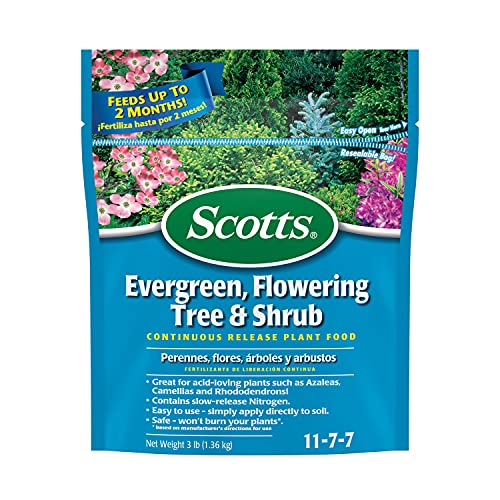
Excellent for evergreens, dogwoods, hydrangeas, magnolias and many other acid-loving trees and shrubs

Everything your palm tree needs to grow healthy and big - The ideal blend of macronutrients plus trace amounts of iron and zinc (our secret ingredients for palms)
Tree Age
Age plays a significant role in fruiting time. You can expect a pawpaw tree to start bearing fruit between 3 to 5 years after planting. Younger trees may not produce fruit, while mature trees generally reach peak production. The age of the tree when purchased also impacts timeframes; grafted trees typically fruit sooner than seed-grown trees.
Growing Conditions
Growing conditions directly affect your tree’s health and its ability to bear fruit. Ensure the following:
- Soil Quality: Use well-drained, loamy soil rich in organic matter.
- Light: Provide full sun for optimal growth, though young trees can tolerate partial shade.
- Water: Regularly water the tree, especially during dry spells, to support root development.
Proper nutrition through fertilization can also boost fruiting. A balanced fertilizer in early spring encourages healthy growth and fruit production.
Pollination
Pollination is crucial for fruit set in pawpaw trees. While pawpaw trees can self-pollinate, planting two different varieties increases your chances of successful pollination. Here’s what to consider:
- Flower Structure: Pawpaw flowers are perfect, but they require specific pollinators like flies and beetles. Attract these pollinators by planting nearby flowers.
- Timing: Flowers bloom in early spring, so ensure that your chosen varieties flower simultaneously for optimal cross-pollination.
By paying attention to these factors, you can significantly influence the time it takes for your pawpaw tree to produce its delicious fruit.
Typical Timeframe For Fruiting
Pawpaw trees require a few years before they produce fruit, and several factors influence this timeline. Understanding these aspects can help you optimize fruiting for your own trees.
Recommended Products

Due to agricultural laws, we CANNOT SHIP TO CA, AZ, AK, or HI - orders will be cancelled if you ship to one of these states

Fruit Tree design. Designed with bright, fun colors, we aim to celebrate America's largest native fruit: Asimina triloba! The illustration depicts pawpaw fruit branch with its seeds, flowers and leaves.

1.Grow Native Pawpaw Trees Plant Asimina triloba, commonly known as Pawpaw, a deciduous fruit tree valued for its tropical-looking foliage and unique fruit. Suitable for backyard orchards and edible landscapes.
From Seed To Fruit
When you grow pawpaw trees from seeds, the average timeframe from planting to fruiting spans 5 to 7 years. Planting seeds collected from ripe pawpaw fruits helps establish strong genetics. Germination may take 30 to 80 days under the right conditions. Ensure the seeds remain moist and protected from extreme temperature changes for successful germination. Once seedlings grow, nurturing them with appropriate care encourages healthy growth and earlier fruiting.
Grafted Trees
Grafted pawpaw trees typically bear fruit in 3 to 5 years. This quicker timeline results from grafting scions from mature, fruitful varieties onto rootstocks. Grafting ensures you get trees that produce fruit with desired traits while maintaining vigor. Focus on selecting healthy grafted trees from reputable nurseries for the best outcome. Providing proper care, including adequate water supply and nutrient-rich soil, enhances growth and fruit production for these trees.
By understanding the differences in fruiting timelines between seeds and grafted trees, you can choose the best option based on your gardening goals.
Maintenance Tips For Faster Fruiting
To encourage your pawpaw tree to bear fruit sooner, implement these essential maintenance tips.
Recommended Products

1/2" Water-Saving & Durable Construction with Upgraded Formula: Our enhanced soaker hose blend delivers ultra-consistent water seepage while maximizing water savings, plus improved tensile strength, durability, and flexibility. It’s easy to handle, resistant to kinks, and built to stand up to long-term use in lawns, yards, landscaping, and tree watering applications.
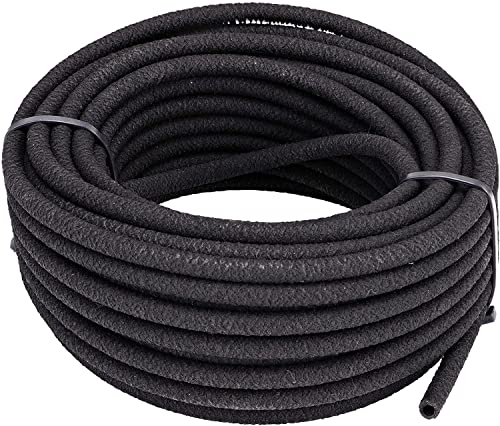
Slowly waters the soil around your plants for complete root zone hydration; Ideal for short runs on flat surfaces, such as vegetable gardens, borders, and around small plants

Consistent & Even Watering: Our drip irrigation hose is designed to deliver consistent and slow soaking seep throughout its entire length, ensuring that every inch of your garden bed is watered efficiently and evenly.
Soil Requirements
Choose well-drained, rich loamy soil for your pawpaw tree. Ensure the soil pH ranges from 5.5 to 7.0, as this promotes healthy growth. Test your soil before planting and amend it with organic matter, such as compost, to enhance fertility. Incorporating mulch helps retain moisture and suppresses weeds. Regularly check the soil texture; it should feel crumbly, not compacted.
Watering Practices
Provide consistent moisture without over-saturating the soil. Water your pawpaw tree deeply once a week, especially during dry spells. Adjust the frequency based on rainfall; too little water stresses the tree and can delay fruiting. Use a drip irrigation system or soaker hoses for efficient watering. Always check the soil about 2 inches deep; if it feels dry, it’s time to water.
Conclusion
Growing a pawpaw tree can be a rewarding experience that adds a unique touch to your garden. With the right care and attention you’ll soon enjoy the delicious fruits these trees offer. Remember to be patient as it usually takes a few years for your tree to start producing.
By ensuring proper conditions like rich soil and adequate watering you’ll set the stage for a successful harvest. Don’t forget the importance of cross-pollination to increase your fruit yield. With a little love and care your pawpaw tree will thrive and provide you with tasty treats for years to come. Happy gardening!
Frequently Asked Questions
How long does it take for a pawpaw tree to bear fruit?
Pawpaw trees typically start producing fruit 3 to 5 years after planting. The exact timeline can vary based on factors like soil quality, tree care, and climate conditions.
What are the ideal growing conditions for a pawpaw tree?
Pawpaw trees thrive in well-drained, rich loamy soil with a pH between 5.5 and 7.0. They thrive in full to partial sunlight and need regular watering to maintain consistent moisture without waterlogging.
Do pawpaw trees need to be pollinated?
While pawpaw trees can self-pollinate, planting at least two different varieties significantly improves the chances of successful fruit set. Cross-pollination enhances fruit production and quality.
Should I choose grafted or seed-grown pawpaw trees?
Grafted pawpaw trees generally bear fruit sooner, in about 3 to 5 years, compared to seed-grown trees, which may take 5 to 7 years. Grafted varieties often come from mature, fruitful stock.
What maintenance tips can help pawpaw trees fruit faster?
To encourage quicker fruiting, provide deep watering weekly, use mulch to retain moisture, and amend soil with organic matter like compost. Regular pest monitoring and adequate nutrition through fertilization are also essential.
