

Ever wondered how long banana trees actually produce fruit? If you’re thinking about planting your own banana tree or just curious about these tropical wonders, you’re in the right place.
Key Takeaways
- Banana Tree Types: Different banana varieties, such as Cavendish, Red, Blue Java, and Manzano, each have unique flavors and growth requirements, impacting overall fruit production.
- Optimal Growing Conditions: For successful fruit production, banana trees need full sun (6-8 hours), well-draining loamy soil, consistent moisture, warm temperatures (75°F-95°F), and regular fertilization.
- Lifecycle Stages: The lifecycle includes a germination stage (2-6 months), followed by a maturity stage (6-12 months), leading to fruit production about 9-12 months after flowering.
- Fruit Production Timeline: After flowering, bananas take approximately 2-6 months to mature, during which key indicators like color change signal readiness for harvest.
- Environmental Factors: Climate, including temperature and moisture levels, as well as sunlight, play critical roles in the health and fruiting capability of banana trees.
- Care and Maintenance: Regular watering, balanced fertilization, and timely pruning are essential for maximizing fruit yield and maintaining banana tree health.
Understanding Banana Trees
Banana trees are fascinating tropical plants known for their unique characteristics and fruit production cycle. This section explores the types of banana trees and their ideal growing conditions.
Recommended Products

Beautiful and exotic banana: Ethiopian banana, Abyssinian banana, pseudo-banana, fake banana and wild banana, is a herbaceous flowering plant species of the Musaceae banana family
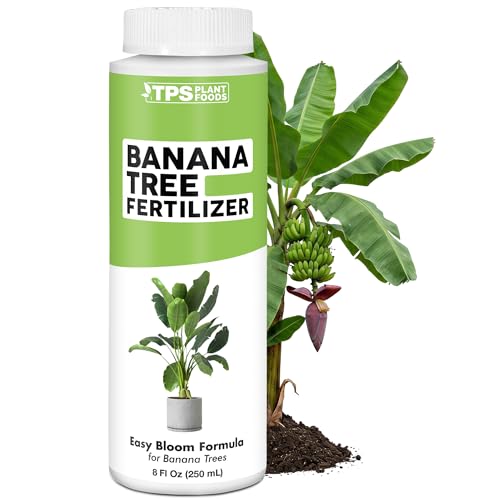
Made for Banana Trees – Specially formulated banana fertilizer designed to support the nutrient needs of banana plants.

🌱 4 Unique Fruit Bonsai Varieties: Includes 40 total seeds: 10 Papaya, 10 Peach, 10 Cherry, and 10 Banana seeds. A fun and unique collection for growing miniature fruit trees and experimenting with bonsai growing techniques.
Types of Banana Trees
- Cavendish Banana: Commonly found in grocery stores, this type produces sweet fruit. It’s the most commercially cultivated banana.
- Red Banana: These bananas are shorter and have a reddish-purple hue. They taste sweeter and creamier than Cavendish varieties.
- Blue Java Banana: Known as the “ice cream banana” for its creamy texture and vanilla flavor, this variety thrives in cooler climates.
- Manzano Banana: Often referred to as the apple banana, it offers a tangy flavor with hints of apple. It’s suitable for areas with moderate climates.
- Gros Michel: Once the dominant banana variety, it has a rich flavor. It’s less commonly grown today due to susceptibility to disease.
Growing Conditions
Banana trees need specific conditions for optimal fruit production.
- Sunlight: These trees prefer full sun, meaning at least 6-8 hours of direct sunlight per day.
- Soil: Use well-draining, loamy soil rich in organic matter. A pH of 5.5 to 7.0 is ideal for healthy growth.
- Watering: Keep the soil consistently moist but not soggy. Bananas require about 1-2 inches of water each week.
- Temperature: They thrive in warm climates with temperatures between 75°F and 95°F (24°C to 35°C). Protect them from frost.
- Fertilization: Use a balanced fertilizer containing nitrogen, phosphorus, and potassium. Apply every 4-6 weeks during the growing season.
Understanding these types and conditions will give you a solid foundation for successfully growing banana trees.
Banana Tree Lifecycle
The lifecycle of a banana tree consists of several distinct stages, from germination to fruit production. Understanding this lifecycle helps you manage your banana tree more effectively.
Germination Stage
During the germination stage, a banana tree begins its life from a seed or a sucker. Seeds can take 2 to 6 months to germinate under optimal conditions. Plant your seeds in warm, well-drained soil, ensuring they receive consistent moisture. For most banana varieties, using suckers—small shoots that grow from the base of a mature tree—promotes faster growth. These suckers establish strong roots and typically produce fruit within 12 to 18 months.
Maturity Stage
After germination, the tree enters the maturity stage, usually around 6 to 12 months. The banana tree develops lush foliage and begins to store energy in its rhizome. During this time, adequate sunlight, water, and nutrients ensure proper growth. Once the tree reaches a height of approximately 10 to 15 feet, it may flower. Flower development signals that fruit production is imminent. Expect your banana tree to produce fruit about 9 to 12 months after flowering, typically yielding a single bunch with multiple bananas.
Fruit Production Timeline
Understanding the timeline of fruit production in banana trees helps you plan for successful growth and harvest. The fruiting process involves distinct phases that you can monitor for optimal yield.
Recommended Products
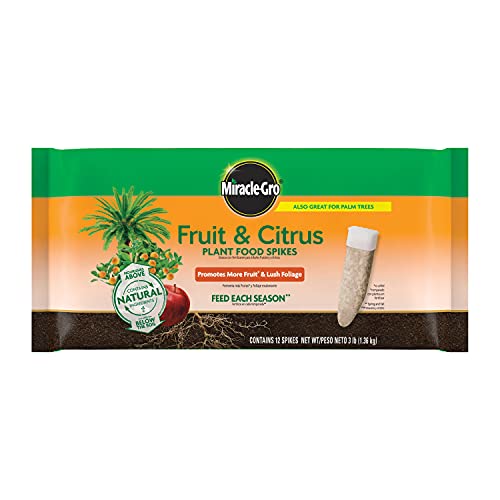
FORMULATED FOR CITRUS AND FRUIT TREES: Use these citrus fertilizer spikes on apple, orange, lemon, lime, and avocado trees; this formula is also great for feeding palm trees

🍎【13.8 FT Telescoping Fruit Picker Pole, Reach High Fruits Safely】 Harvest fruits from tall trees without climbing ladders. The adjustable telescoping fruit picker pole extends up to 13.8 feet, allowing you to easily reach high branches and pick apples, mangoes, oranges, and other tree fruits safely.

BRUISE-FREE HARVESTING DESIGN: Features a classic metal ring with blunt v-shaped teeth to gently cut stems without damaging the fruit. The attached catching bag holds your harvest safely, preventing bruising from dropping to the ground.
Initial Flowering
After about 9 to 12 months of growth, banana trees start the initial flowering phase. During this time, a flower stalk emerges from the top of the tree. Each flower cluster develops around the stalk, and the first bud forms into what eventually becomes a bunch of bananas. This blooming process may take several weeks, depending on environmental conditions. Proper sunlight and moisture are crucial to encourage robust flowering.
Time to Harvest
Once the bananas form and grow, expect about 2 to 6 months until they reach maturity. You’ll typically know the bananas are ready for harvest when they appear plump and slightly curved. The fruit often changes to a greenish-yellow color during this period, signaling readiness. Harvest the bunches by cutting them from the stalk, ensuring you leave a small part of the stem attached. Time your harvest based on local climate conditions to ensure peak flavor and quality. Proper timing can enhance the overall success of your banana tree cultivation.
Factors Influencing Fruit Production
Several factors impact how long banana trees produce fruit. Understanding these elements helps you maximize your growing success.
Recommended Products

2X MORE VALUE: The 16 oz bottle of Banana Plant Fertilizer makes 16 gallons of banana fertilizer for fruit trees, while the bigger size 32 oz bottle makes 32 gallons for lasting care of your banana trees.
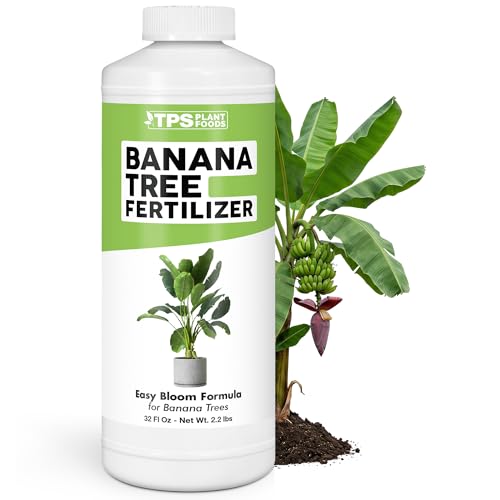
Made for Banana Trees – Specially formulated banana fertilizer designed to support the nutrient needs of banana plants.

PREMIUM FUEL LIQUID FERTILIZER: Wellspring Gardens Banana Fuel Liquid Fertilizer Concentrate provides a quality nutrient blend with minor elements that could grow your plants. Its 3-1-6 formula ratio is the ideal fertilizer ration according to University of Florida which is what our product is made of.
Climate and Environment
Banana trees thrive in tropical climates. Ideal conditions include temperatures between 75°F and 95°F (24°C to 35°C). Frost can damage the plants, so protect them during cold spells.
Rainfall also plays a crucial role. Banana trees need around 60 inches (152 cm) of water annually. Ensure consistent moisture, especially during dry seasons. Well-draining soil is vital. Loamy soil enriched with organic matter promotes healthy growth and fruiting.
Sunlight is another key factor. Banana trees require full sun for at least six hours daily. Insufficient light delays flowering and fruit development. Thus, choose a planting location that receives ample sunlight throughout the day.
Care and Maintenance
Proper care significantly influences banana trees’ fruit production. Regularly watering your trees keeps the soil consistently moist, preventing stress. Fertilization also matters. Use a balanced fertilizer every few months to ensure your trees receive essential nutrients.
Pruning helps maintain health and productivity. Remove dead or damaged leaves to promote airflow and reduce disease risks. Watch for pests like aphids or spider mites, and treat them promptly to prevent infestations.
Finally, be patient. Each banana tree produces fruit about 9 to 12 months after flowering. Harvesting at the right time ensures peak flavor and quality. Monitor your trees’ growth closely, adjusting care as needed for optimal fruit production.
Conclusion
Growing banana trees can be a rewarding experience. With the right care and conditions you can enjoy delicious fruit about 9 to 12 months after flowering. Remember to provide plenty of sunlight water and nutrients to help your banana tree thrive.
It’s important to stay patient as you watch your tree develop. Each step from germination to fruiting takes time but the joy of harvesting your own bananas makes it all worthwhile. Keep an eye out for pests and adjust your care routine as needed to ensure a bountiful harvest. Happy gardening and enjoy your journey with banana trees!
Frequently Asked Questions
What are the main types of banana trees?
There are several main types of banana trees, including the Cavendish, Red, Blue Java, Manzano, and Gros Michel. Each variety has distinct flavors and growing preferences, catering to different tastes and climates.
What soil is best for growing banana trees?
Banana trees thrive in well-draining loamy soil that retains moisture but does not become waterlogged. A soil pH between 5.5 and 7 is ideal for optimal growth.
How long does it take for banana trees to produce fruit?
Banana trees typically take 9 to 12 months after planting to flower, followed by an additional 2 to 6 months for the bananas to mature. Overall, expect fruit production around 12 to 18 months from planting.
What conditions do banana trees need to grow?
Banana trees require full sunlight for at least six hours a day, consistent moisture, and warm temperatures ranging from 75°F to 95°F (24°C to 35°C) for optimal growth and fruit production.
How often should I water banana trees?
Banana trees need consistent moisture, which usually translates to about 1 to 2 inches of water per week. Ensure the soil remains moist but not soggy by adjusting your watering routine based on weather conditions.
When is the best time to harvest bananas?
The best time to harvest bananas is when they appear plump, slightly curved, and show a greenish-yellow color. Timing can vary based on local climate, so monitor growth closely.
How do I care for my banana tree?
Proper care includes regular watering, balanced fertilization, and occasional pruning. Keep an eye on soil moisture levels and use organic fertilizers to promote healthy growth and fruit production.
What pests should I watch for with banana trees?
Common pests that affect banana trees include aphids, spider mites, and banana weevils. Regular monitoring and appropriate treatments, such as insecticidal soap, can help manage infestations effectively.
Can banana trees be grown in containers?
Yes, banana trees can be grown in large containers, but they require sufficient space for root development. Ensure the container has excellent drainage and use a potting mix suitable for tropical plants.
