

Are you worried about your fruit trees surviving the harsh winter months? You’re not alone. Many gardeners face the challenge of protecting their beloved trees from freezing temperatures and heavy snowfall. Without proper care, your trees could suffer damage that affects their health and fruit production come spring.
Key Takeaways
- Importance of Protection: Covering fruit trees during winter is crucial for shielding them from freezing temperatures, frost, and heavy snowfall that could damage health and productivity.
- Types of Trees: Deciduous trees like apple and peach, as well as evergreen varieties such as citrus, need winter coverage to survive harsh conditions and promote healthy spring growth.
- Material Choices: Effective materials for covering include burlap, frost cloth, mulch, plastic sheeting, and anti-desiccant sprays, each offering different levels of insulation and moisture retention.
- Covering Techniques: Proper techniques, such as wrapping trees and using frames, enhance winter survival by trapping warmth and preventing frost damage.
- Timing Matters: Implementing coverage before extreme cold sets in and preparing by assessing tree needs and gathering materials are essential for successful winterization.
- Regular Maintenance: Check coverings throughout the winter to ensure they remain secure and effective, promoting optimal protection for fruit trees.
Importance Of Covering Fruit Trees For Winter
Covering fruit trees for winter offers protection against freezing temperatures, snow, and frost, which can severely damage their health. Doing so prevents temperature fluctuations that can lead to bud break and subsequent damage when warmer weather returns too early.
Protects From Freezing Temperatures
Freezing air can severely affect tree vitality. Coverage helps insulate trees and maintain a stable environment.
Reduces Frost Damage
Frost can kill blossoms and young fruits. Covering trees minimizes exposure, ensuring a better yield in the spring.
Shields From Heavy Snow
Heavy snow can break branches and cause structural damage. Using covers reduces snow accumulation and protects delicate limbs.
Prevents Animal Damage
Covering trees deters animals, like deer and rodents, from chewing on bark. This protection preserves the health of the tree and promotes growth.
Maintains Moisture Levels
Layering trees helps maintain moisture, reducing the risk of dehydration during winter. Proper moisture levels support healthy tree growth when spring arrives.
Take these measures seriously to ensure your fruit trees thrive come springtime. Implementing simple steps now greatly impacts future harvests.
Types Of Fruit Trees That Need Winter Coverage
Certain fruit trees require winter coverage to survive harsh conditions. Understanding which trees benefit from protection helps you safeguard your harvest.
Recommended Products

The Large plant cover is perfect for Plant size 55''-70"high and 84''-94" round, Heavy-weight FRCs (1.77oz./sq. yard): usually used to extend the growing season in spring and fall, allow 40%-60% light transmittance, and recommend 3°-8°F of freeze protection

Revolutionary Anti-freeze Protection: Plant covers freeze protection is made of 100% Reliable non-woven thickened polypropylene fabric Because the frost cloth fabric Thickness is 3.2 oz/yd² thicker and warmer, tear resistant than less expensive 1.3 oz/yd² fabric. Provides up to 2° F(-17℃) frost protection. In winter, frost blankets for outdoor plants can form a insulation layer for plants to isolate cold air and retain the oxygen required for plant respiration

PACKAGE: The package includes 4Pcs plant covers,will meet your daily use or replacement. Measuring 31.5" x 47.3", the plant protector is waterproof, windproof.
Deciduous Trees
Deciduous trees lose their leaves in winter. These trees, like apple, peach, and cherry, face risks from freezing temperatures and harsh winds. Covering them protects the branches and buds. Wrapping the base with burlap or using frost cloth can shield vulnerable areas from cold drafts. Providing mulch around the base helps retain soil moisture and keep roots insulated.
Evergreen Trees
Evergreen trees, such as citrus and some varieties of pear, maintain their foliage year-round. They can still experience cold damage in winter. Using anti-desiccant sprays will protect leaves from moisture loss. Additionally, wrapping smaller evergreens with burlap prevents snow accumulation, which can lead to broken branches. Positioning them in a windbreak area reduces exposure to harsh winds and minimizes stress during winter months.
By covering and caring for these fruit trees, you create a better environment for healthy growth come spring.
Materials For Covering Fruit Trees
Choosing the right materials for covering fruit trees during winter enhances their protection and resilience against harsh conditions. Below are options you can consider.
Recommended Products

Package Information: you will receive 4 pieces of frost blankets for plants in winter with drawstrings, the sufficient quantity and rustic design are enough to satisfy your daily use and replacement needs

Premium burlap material - This style of plant cover bag are made of high quality burlap material,durable,breathable,water permeable,and eco-friendly to provide a comfortable growth environment for your plants in winter.

What You Will Receive: you will receive 6 pieces of large burlap plant covers with drawstrings, the sufficient quantity and rustic design are enough to satisfy your daily use and replacement
Organic Options
- Burlap: This natural fabric provides breathability while effectively shielding trees from cold winds and frost. Wrap burlap around the trunk and tie it securely. For added insulation, consider layering it with straw in between.
- Frost Cloth: Specifically designed to protect plants from frost, frost cloth allows moisture and sunlight to penetrate while providing necessary coverage. Drape this lightweight material over the entire tree, securing it with stakes or rocks.
- Mulch: Using organic mulch, such as straw or wood chips, around the base of the tree helps maintain soil temperature and moisture levels. Apply 2-4 inches of mulch, keeping it away from the trunk to prevent rot.
- Plastic Sheeting: Clear or opaque plastic sheeting acts as a barrier against wind and snow. Use this material carefully, as it can trap moisture and cause heat buildup on sunny days. Ensure proper ventilation by leaving openings at the base.
- Row Covers: These lightweight, synthetic fabrics offer flexibility and can protect young fruit trees from frost. Depending on the severity of the winter, select row covers with varying thicknesses.
- Anti-Desiccant Sprays: For evergreen trees, consider using anti-desiccant sprays. These products create a protective film on foliage, reducing moisture loss during dry winter winds. Apply these sprays according to package instructions for optimal results.
Experiment with one or more of these materials to find what works best for your trees. Proper coverage increases the chances of a healthy harvest come spring.
Techniques For Covering Fruit Trees
Covering fruit trees effectively enhances their winter survival. Various methods exist to protect your trees from harsh weather conditions.
Recommended Products
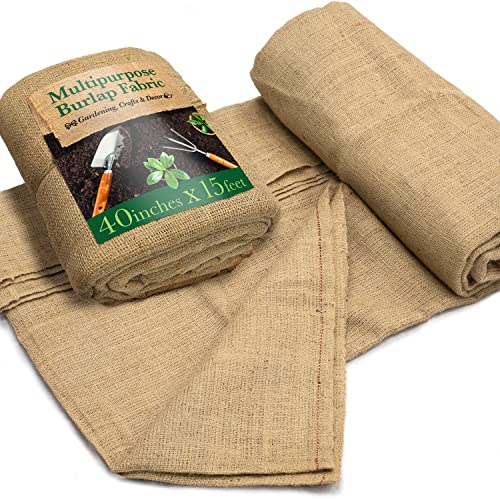
Large Sized Roll - Get more value for your money! Our burlap fabric 40 inches wide comes in 2 sizes: 40”x15 ft. and 40"x30 ft. This gives you freedom to customize according to your DIY needs.

Protect Plants: Natural burlap tree wrap will effectively prevent harmful organisms from invading plants, protect your plants from winter wind, snow, freezing rain and ice damage.

[VALUE 2 PACK]:You will receive 2PCs burlap plant cover bags, each measuring 45 X 47 inches. This ample quantity and rustic design ensure you have enough covers to protect your plants throughout winter, with added convenience for replacement. Perfect for various garden sizes and tree types.
Wrapping Trees
Wrap your trees with burlap or frost cloth starting at the base. Ensure the covering reaches the top of the tree, securing it with twine or garden ties. This method traps warmth and protects against frost. If using burlap, choose a breathable fabric to prevent moisture buildup. For added insulation, apply a layer of mulch around the tree’s base. This layer retains soil moisture and stabilizes temperature.
For extra protection, consider wrapping the trunk with a tree guard or hardware cloth. This shields against rodent damage and prevents sunscald, particularly in sunny winter conditions.
Using Frames And Covers
Construct frames around your smaller trees using PVC pipes or wooden stakes. These frames allow you to drape a protective covering, such as a plastic tarp or row cover. Ensure the cover does not rest directly on the branches to prevent breakage. Use clamps or clips to secure the cover in place.
For flexibility, consider temporary structures like hoop houses. These constructions provide additional insulation and exude heat during sunny winter days. Be sure to ventilate when temperatures rise, preventing overheating.
Utilize these techniques to effectively cover your trees during winter. Regularly check the coverings throughout the season to ensure optimal protection.
Timing And Preparation
Timing plays a crucial role in preparing fruit trees for winter coverage. Cover your trees before extreme cold sets in, typically when temperatures consistently drop below 20°F (-6°C). Monitor local weather forecasts for sudden temperature drops and be ready to act.
Preparation involves several steps. First, assess the specific needs of your trees. Identify deciduous trees, like apples and peaches, that lose leaves and need extra protection from frost and wind. Determine the type of evergreen trees, such as citrus or pears, that might require moisture retention strategies.
Next, gather your materials. Burlap and frost cloth are excellent choices due to their breathability and insulation. Collect mulch, straw, or wood chips to help retain soil moisture. If using plastic sheeting, ensure it allows for ventilation to prevent heat buildup.
Before you begin covering, clean the area around the base of the trees. Remove any debris and weeds that could harbor pests. Spread a layer of mulch around the base, extending it out to the drip line, which helps insulate the roots and retains moisture. Aim for a thickness of about 2-4 inches for optimal effect.
Finally, familiarize yourself with the covering techniques you’ll use. Wrap burlap or frost cloth around the tree securely, ensuring it doesn’t touch the branches directly. Secure it with twine or garden ties. For smaller trees, consider using PVC pipes or wooden stakes to create a frame, allowing enough space for covering materials.
By following these guidelines, you set your fruit trees up for a successful winter and a healthy spring.
Conclusion
Taking the time to cover your fruit trees for winter can make a world of difference. By protecting them from harsh conditions you’re not just ensuring their survival but also setting the stage for a bountiful spring harvest.
Remember to choose the right materials and techniques that suit your specific trees. With a little preparation and care you can help your trees thrive even in the coldest months.
So gear up for winter and give your fruit trees the protection they deserve. You’ll be rewarded with healthier trees and delicious fruits when the warmer weather returns. Happy gardening!
Frequently Asked Questions
How can I protect my fruit trees during winter?
To protect fruit trees in winter, cover them with burlap or frost cloth. Adding mulch around the base helps retain moisture and insulate roots. Ensure the covering is secure to trap warmth and prevent frost damage.
Which fruit trees need winter coverage?
Deciduous trees like apple, peach, and cherry, as well as evergreen trees such as citrus and certain pears, require winter coverage. They are vulnerable to freezing temperatures and wind, making protection essential for their health and future fruit production.
What materials are best for covering fruit trees?
Suitable materials for covering fruit trees include burlap, frost cloth, mulch, and plastic sheeting. Burlap and frost cloth provide breathability and insulation, while mulch helps maintain soil temperature. Use plastic sheeting with care, ensuring proper ventilation.
When should I cover my fruit trees?
Cover fruit trees before extreme cold occurs, typically when temperatures drop consistently below 20°F (-6°C). This timing helps protect them from cold damage and ensures they are ready for winter conditions.
How do I effectively cover my fruit trees?
Wrap your trees with burlap or frost cloth, securing it with twine or garden ties to keep warmth in. Add mulch around the base for insulation, and consider using tree guards to protect against rodent damage and sunscald.
