

Have you ever wondered if you need more than one peach tree to enjoy those sweet, juicy fruits? You’re not alone. Many gardeners face this question when planning their orchards. Imagine planting a beautiful peach tree only to find out later that it won’t produce fruit without a companion.
Key Takeaways
- Self-Pollinating Varieties: Certain peach tree varieties, like ‘Contender’ and ‘Reliance’, can produce fruit on their own without needing another tree for pollination.
- Cross-Pollination Benefits: Planting multiple peach trees can significantly enhance fruit quality and quantity, leading to larger and tastier peaches.
- Optimal Variety Selection: Selecting compatible peach varieties that bloom at the same time, such as ‘Elberta’ and ‘Redhaven’, can increase chances of successful cross-pollination.
- Proper Growing Conditions: Peach trees thrive in well-drained soil with a pH of 6.0 to 7.0 and require full sun for at least six hours daily for optimal growth and fruit production.
- Expert Recommendations: Horticulturists recommend planting at least two peach trees to maximize yield and improve fruit flavor through effective cross-pollination.
- Common Myths: It’s a misconception that a single peach tree is sufficient for fruit production; varied tree types actually improve pollination efficacy and fruit size.
Understanding Peach Tree Pollination
You may wonder how peach tree pollination works and whether you need two trees. Understanding these concepts helps ensure a good harvest.
Self-Pollinating Peach Trees
Self-pollinating peach trees can produce fruit on their own. Varieties like ‘Contender’ and ‘Reliance’ don’t require another tree for pollination. These trees typically generate both pollen and ovules, ensuring fruit set without an external mate. However, while you can grow a single self-pollinating tree, planting more increases the chances of fruit production and enhances the overall yield.
Cross-Pollination Benefits
Cross-pollination can significantly improve fruit quality and quantity. When you plant two or more different varieties of peach trees, they can share pollen. This exchange often leads to larger, juicier peaches. For instance, pairing a ‘Hale Haven’ with a ‘Red Haven’ could enhance the fruit crop. Additionally, cross-pollination helps increase tree vitality, making them more resistant to diseases and adverse conditions. Aim for varieties that bloom around the same time to maximize these benefits.
Factors Affecting Peach Tree Fruit Production
Peach tree fruit production hinges on several critical factors. Understanding these aspects helps you maximize the yield of your trees.
Variety Selection
Select the right peach tree varieties for optimal fruit production. Self-pollinating varieties like ‘Contender’ and ‘Reliance’ can bear fruit alone. However, pairing them with cross-pollinating varieties enhances fruit quality and quantity. Choose varieties that bloom simultaneously to facilitate effective cross-pollination. For instance, planting ‘Elberta’ and ‘Redhaven’ together captures the benefits of genetic diversity.
Growing Conditions
Provide the proper growing conditions for peach trees to thrive. Peach trees flourish in well-drained soil with a pH level between 6.0 and 7.0. Ensure they receive full sun exposure for at least six hours a day. Adequate water is vital, especially during flowering and fruit development, so maintain consistent moisture. Be mindful of temperature, as extreme cold can damage buds. Protect young trees with mulch and windbreaks to shield them from harsh weather.
Do You Need Two Peach Trees to Bear Fruit?
Yes, having two peach trees often leads to better fruit production. While some peach tree varieties are self-pollinating, planting a second tree can significantly boost yield and quality through cross-pollination.
Expert Opinions
Experts generally recommend planting at least two peach trees. This practice fosters cross-pollination, which can increase fruit set and enhance size and flavor. For example, horticulturists note that trees like ‘Elberta’ can benefit from the presence of another variety, such as ‘Redhaven.’ Many specialists advise ensuring trees bloom simultaneously to maximize pollination success.
Common Myths
A common myth is that one peach tree suffices to bear fruit independently. While some varieties, like ‘Contender,’ can produce fruit alone, their yield improves when cross-pollinated. Another misconception is that planting two identical trees yields better results; varied types improve the chances of effective pollination, resulting in bigger and tastier peaches.
Tips for Successful Peach Tree Cultivation
Cultivating peach trees involves understanding their specific needs for optimal growth and fruit production. Here are some essential tips to help you succeed.
Recommended Products

Let our professionally formulated plant food help your fruit tree grow healthy, strong AND abundantly producing
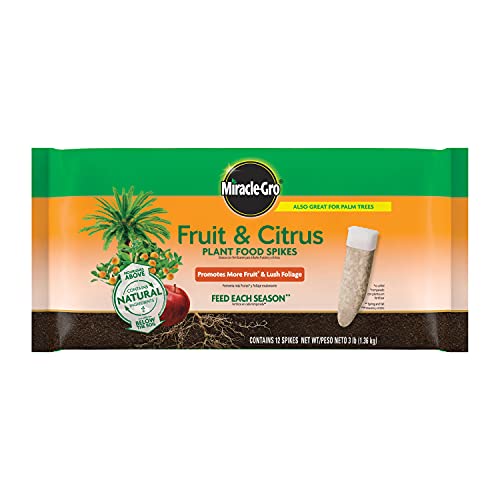
FORMULATED FOR CITRUS AND FRUIT TREES: Use these citrus fertilizer spikes on apple, orange, lemon, lime, and avocado trees; this formula is also great for feeding palm trees

Down to Earth Fruit Tree is a five pound box of all natural fertilizer with 6-2-4 formula and is listed by the Organic Materials Review Institute (OMRI) for use in organic production
Planting and Care
- Choose the Right Location: Select a sunny spot with at least six to eight hours of sunlight daily. Adequate sunlight promotes healthy growth and fruiting.
- Prepare the Soil: Ensure well-drained soil with a pH range of 6.0 to 7.0. Amend heavy clay or sandy soils with organic matter, like compost, to enhance structure and drainage.
- Plant at Proper Depth: Dig a hole twice the width of the root ball but as deep as the ball itself. Place the tree so that the graft union sits above the soil level.
- Water Consistently: Keep the soil moist but never waterlogged. During dry spells, provide about one inch of water per week, adjusting based on rainfall.
- Prune Regularly: Prune young trees to encourage shaping and remove any dead or diseased branches. Aim for an open center to improve air circulation and sunlight penetration.
- Fertilize Wisely: Use a balanced fertilizer right after planting and again in early spring. Follow label instructions for correct application rates.
- Monitor Regularly: Check your trees frequently for pests like peach tree borers and aphids. Early detection allows for quicker intervention.
- Use Organic Solutions: Apply insecticidal soaps or neem oil as needed to manage pests without harming beneficial insects.
- Implement Good Hygiene: Clean up fallen leaves and fruit to reduce the risk of fungal diseases. Dispose of these properly to prevent reinfection.
- Ensure Air Circulation: Space your trees correctly to minimize overcrowding. This enhances airflow and reduces humidity around the leaves, lowering disease risks.
- Know Common Diseases: Familiarize yourself with problems like brown rot and peach leaf curl. Recognize signs early and treat promptly with appropriate fungicides.
- Consider Resistant Varieties: When selecting trees, opt for disease-resistant types. Varieties such as ‘Contender’ and ‘Earligrande’ are known for their resilience against common issues.
Conclusion
Growing peach trees can be a rewarding experience and understanding their pollination needs is key. While some varieties can bear fruit alone you’ll likely see better results with at least two trees. The benefits of cross-pollination can lead to larger and tastier peaches which is something every gardener dreams of.
Remember to choose different varieties that bloom around the same time to maximize your yield. With the right care and conditions your peach trees can thrive and produce delicious fruit for you to enjoy. So grab a friend for your peach tree journey and watch your garden flourish!
Frequently Asked Questions
Do I need more than one peach tree to produce fruit?
Yes, while some peach tree varieties are self-pollinating and can produce fruit alone, having at least two trees is recommended. This allows for cross-pollination, which enhances both the quantity and the quality of peaches.
What are some self-pollinating peach tree varieties?
Self-pollinating varieties include ‘Contender’ and ‘Reliance.’ These trees can produce fruit on their own, but pairing them with cross-pollinating varieties can significantly boost their yield.
How does cross-pollination benefit peach trees?
Cross-pollination improves the quality and quantity of peaches. It also enhances tree vitality, leading to healthier and more productive peach trees.
What factors should I consider for peach tree growth?
Key factors include selecting the right tree varieties, ensuring well-drained soil, adequate sunlight, consistent moisture, and protection from extreme temperatures. Proper care is essential for optimal fruit production.
Can I plant two identical peach trees for better fruit yield?
Planting two identical peach trees won’t necessarily improve yield. It’s more effective to plant different varieties that bloom at the same time to enhance cross-pollination.
What care practices are essential for peach trees?
Essential practices include regular watering, pruning, and fertilization. Monitor for pests and diseases, use organic pest management solutions, and maintain hygiene to prevent fungal issues.
How can I choose the right location for my peach trees?
Select a location with plenty of sunlight, well-drained soil, and protection from harsh winds and extreme temperatures. These conditions will help ensure thriving trees and a good fruit yield.
Are there disease-resistant peach tree varieties?
Yes, some peach tree varieties are resistant to common diseases. Choosing these can enhance the resilience of your orchard and minimize problems, leading to healthier fruit production.
