

Have you ever wondered if you need two fig trees to enjoy fresh figs? If you’re new to fig gardening or just curious about how these delicious fruits grow, you’re not alone. Many people are eager to plant a fig tree but aren’t sure about the requirements for getting fruit.
The good news is that understanding fig trees can help you make the best choice for your garden. This article will guide you through the essentials of fig tree pollination and whether having a second tree is necessary for a fruitful harvest. By the end, you’ll know exactly what it takes to enjoy your own homegrown figs.
Key Takeaways
- Self-Pollinating Varieties: Common fig trees like ‘Brown Turkey’ and ‘Celeste’ can yield fruit without needing a second tree.
- Cross-Pollination Needs: Some figs, such as Smyrna, require another fig tree for successful fruit production due to their dependency on pollination from wasps.
- Climate and Soil: Figs thrive in warm, dry climates and require well-draining soil for optimal growth and fruit yield.
- Watering Practices: Consistent watering is crucial for young fig trees, but mature trees need less water to prevent root rot.
- Pest Management: Be mindful of fig pests like beetles and diseases such as root rot; proactive measures will ensure healthier trees and better fruit production.
- Genetic Diversity: Planting different fig varieties together enhances fruit flavor, health, and adaptability, making for a more fruitful garden.
Understanding Fig Trees
Fig trees, particularly Ficus carica, are popular for their sweet, edible fruits. Understanding their reproductive system is key to successful cultivation.
Types of Fig Trees
- Common Figs
Common figs produce fruit without needing pollination. Examples include Kadota and Brown Turkey varieties. One tree can yield a fruitful harvest. - Pollinated Figs
Pollinated figs like the Smyrna require pollination to fruit. These trees grow well in partnership with wasps, which facilitate fertilization. For these, you’ll need at least two trees for successful fruiting.
Pollination Requirements
Fig trees are either dioecious or self-pollinating. Dioecious figs, like the Smyrna, need a male tree to provide pollen. Self-pollinating types flourish on their own. Understanding this distinction helps you plan your garden more effectively.
Factors Influencing Fruit Production
- Climate
Fig trees thrive in warm, dry climates. Ideal temperatures range from 70°F to 100°F. Cold snaps can damage branches and reduce yield. - Soil Quality
Well-draining soil boosts fig tree health. Consider testing your soil. pH between 6.0 and 6.5 supports growth. - Watering
Use regular watering practices, especially while the tree establishes roots. Reduce water once the tree matures, as overwatering leads to root rot.
Fruit Development Stages
Figs develop through several stages. Tiny, immature fruit appears in late spring. As summer approaches, these figs swell and mature. Harvest typically occurs in late summer to early fall. Monitor your tree; knowing when to pick ensures optimal sweetness.
- Fig Beetles
These pests can damage fruit. Use organic pesticides and traps to control infestations. - Leaf Spot
This fungal disease affects leaves, reducing vigor. Ensure proper spacing for air circulation and apply fungicides as needed. - Root Rot
This disease thrives in wet conditions. Improve drainage and avoid excessive watering to prevent root issues.
Understanding these elements enables you to grow fig trees successfully. You can enjoy a fruitful harvest with the right knowledge and care.
Pollination Process
Understanding the pollination process helps you know if two fig trees are necessary for fruit production. Figs have unique reproductive systems that dictate their need for partners to bear fruit.
Recommended Products

🌇 live Chicago Hardy Fig tree 1 gallon is self-pollinating, comes with easy to use Fig food, and produces fresh Fig fruit every Year

💜 live LSU Purple Fig 3 gallon is self-pollinating, comes with easy to use Fig food, and produces fresh Fig fruit every Year
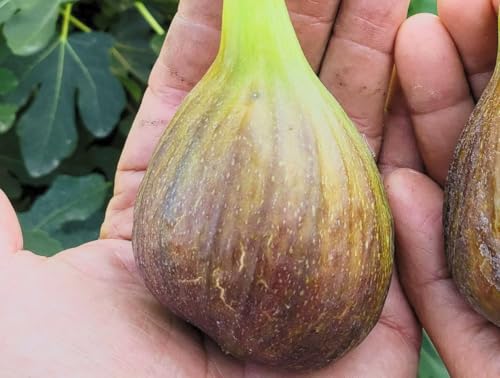
🍇 Large, Sweet Purple Figs – Tangerine-sized fruit with rich red-violet flesh.
Self-Pollinating Fig Trees
Self-pollinating fig trees, such as the ‘Brown Turkey’ and ‘Celeste,’ produce fruit without requiring another tree. They form their fruit directly on the branches. These varieties develop a special structure, allowing them to pollinate themselves. Thus, you can enjoy a bountiful harvest from just one tree, making them ideal for small gardens or limited spaces.
Cross-Pollination Requirements
Not all fig trees are self-pollinating. Some, like certain Smyrna or Adriatic varieties, require cross-pollination to produce viable fruit. These figs depend on fig wasps for pollination. The female wasp enters the fig, laying eggs and transferring pollen in the process. Without a compatible tree nearby, the fruit from these types often remains unripe and inedible. To ensure fruit production, plant at least one of these fig varieties alongside a compatible pollinator.
Benefits of Having Two Fig Trees
Having two fig trees can significantly enhance your gardening experience and fruit production. Here are some specific advantages:
Recommended Products
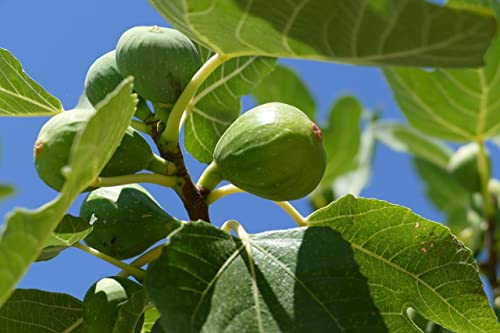
🌿 [INFO1] - Finally a compact dwarf fig that is perfect for growing in a container outdoors during summer & can be moved indoors for cooler seasons. Growing only up to 30 inches tall (& equal in spread), the dwarf compact Fignomenal fig tree is a self-fertilizer, & can flower & fig throughout the year - indoors or out you can harvest your figs. The deliciously sweet fruit makes up for the smaller size.

Produces delicious dark purple to black figs.

【Exquisite and Quality Planter Included】Realead artificial fig tree come with 8.3 inch tall planter, which has been meticulously designed and sized to seamlessly complement our faux fig tree. It is not only very sturdy, offering an ideal balance of aesthetics and functionality. You don't need spend extra time and money on it
Increased Fruit Production
Increased pollination opportunities lead to a greater yield. When you plant two fig trees, they provide cross-pollination if they are compatible varieties. This can result in larger and more abundant fruit harvests. For instance, planting a ‘Smyrna’ fig tree alongside a ‘Caprifig’ increases the chances of successful pollination, producing a more fruitful crop than a single tree can yield alone.
Genetic Diversity
Genetic diversity boosts plant resilience and flavor. Growing two different fig tree varieties introduces a range of genetic traits. This diversity can enhance adaptability to local conditions while offering variation in taste and texture. For example, combining a ‘Brown Turkey’ with a ‘Kadota’ can create a more flavorful harvest, catering to different culinary preferences and improving your overall garden’s health.
Common Fig Tree Varieties
Understanding fig tree varieties is essential for growing healthy fig trees and ensuring fruitful harvests. Here are two main types of fig trees you might consider planting in your garden.
Recommended Products

🍇 Sweet, Flavorful Figs – Rich taste with dark purple skin and red interior.

Premium Fig Variety: 45 seeds of Ficus Carica, the sweet Mediterranean common fig variety known for producing delicious, honey-sweet fruit perfect for fresh eating or preserving

MATURE SIZE & CARE GUIDE: The LSU Purple Fig is a prolific producer of sweet, medium-sized figs with glossy dark purple skin and a reddish tint. Fruits are light amber to light strawberry-colored, and you can expect a heavy main crop in July, followed by a later crop often lasting into December. This fig tree can reach a mature height of up to 30 feet, thrives in full sun, is self-pollinating, and requires well-drained soil. It's ideal for USDA Zones 7-10.
Caprifigs
Caprifigs serve a specific role in fig growing. They are male figs that produce pollen but do not bear edible fruit. They’re necessary for the pollination of certain fig varieties, particularly Smyrna figs. If you choose to plant Smyrna figs, pairing them with caprifigs increases your chances of a successful fruit yield. Caprifigs are usually not cultivated for consumption but are crucial for ensuring the pollination process occurs.
Common Figs
Common figs are self-pollinating, meaning they produce fruit without requiring a second tree. Varieties like ‘Brown Turkey’ and ‘Celeste’ thrive in many garden settings. With their rich flavors and easy maintenance, they’re perfect for beginners. Planting these figs guarantees fruit production, even in limited spaces. If you desire a bountiful fig harvest without the complexities of pollination, common figs are the ideal choice for your garden.
By choosing the right fig varieties, you can optimize your chances for a successful crop and enjoy the fruits of your labor.
Conclusion
Whether you need two fig trees really depends on the variety you choose. If you go for self-pollinating types like ‘Brown Turkey’ or ‘Celeste,’ one tree is all you need to enjoy delicious figs. However if you’re drawn to varieties that require cross-pollination like Smyrna figs, having a second compatible tree is essential.
Remember that growing two different types can enhance your yield and improve your garden’s overall health. So think about your space and preferences when selecting your fig trees. With the right choices you’ll be well on your way to a fruitful fig harvest. Happy gardening!
Frequently Asked Questions
Do I need two fig trees to produce fruit?
No, you don’t need two fig trees to produce fruit. Many common fig varieties, like ‘Brown Turkey’ and ‘Celeste,’ are self-pollinating, which means they can bear fruit on their own. However, having two trees can increase your harvest by enhancing cross-pollination for certain varieties.
What are self-pollinating fig trees?
Self-pollinating fig trees, such as ‘Brown Turkey’ and ‘Celeste,’ do not require another tree for fruit production. They can produce figs independently, making them suitable for small gardens or places where space is limited.
What types of fig trees need pollination?
Some fig varieties, like Smyrna and Adriatic figs, require cross-pollination. This process is dependent on fig wasps, which transfer pollen from one tree to another. Without a compatible tree, these figs won’t produce viable fruit.
How does climate affect fig tree production?
Climate plays a significant role in fig tree production. Fig trees thrive in warm, Mediterranean-like climates. Extreme cold can damage them, while excessive moisture can lead to root rot. Choosing the right location and providing adequate care will boost production.
What are caprifigs, and why are they important?
Caprifigs are male fig trees that produce pollen but do not bear edible fruit. They are crucial for pollinating Smyrna figs, ensuring that these varieties can produce viable fruit when planted nearby.
How can I manage pests and diseases in fig trees?
To manage pests like fig beetles and diseases like leaf spot or root rot, maintain good hygiene, ensure proper watering and drainage, and consider using organic pesticides if necessary. Regular check-ups can help catch issues early.
What benefits come from planting two different fig tree varieties?
Planting two different fig varieties can enhance pollination opportunities, improving fruit yield. Additionally, genetic diversity can make your fig trees more resilient to disease and pests while enriching the flavor and health of the crop.
