

Have you ever wondered whether to plant your fruit trees above or below the graft? It’s a common question for gardeners eager to grow their own delicious fruit. Misplacing the graft can lead to stunted growth or even tree failure, leaving you frustrated after all that hard work.
In this article, you’ll discover the best practices for planting fruit trees to ensure they thrive. We’ll cover the importance of the graft and how proper planting techniques can make all the difference in your garden’s success. With the right knowledge, you’ll be well on your way to enjoying a bountiful harvest.
Key Takeaways
- Graft Importance: Understanding grafting is essential for successful fruit tree cultivation; it enhances disease resistance, growth, fruit quality, and adapts tree size.
- Planting Position: Properly positioning the graft can significantly affect tree growth and productivity; plant above the graft for optimal scion growth and below for rootstock benefits.
- Advantages of Planting Above: This method improves airflow, promotes vigorous scion growth, and allows for easier monitoring of health while quickly recovering from graft failures.
- Advantages of Planting Below: Planting below the graft can increase adaptability to soil conditions, protect against extreme weather, strengthen roots, and reduce pest exposure.
- Factors Affecting Decisions: Consider soil type and climate conditions when deciding on planting depth, as both directly impact tree stability and health.
Understanding Grafting in Fruit Trees
Grafting plays a crucial role in fruit tree cultivation. Understanding how it works can prevent common mistakes during planting.
What Is Grafting?
Grafting is a horticultural technique that involves joining two different plants together. A scion, or the upper part of a plant, is connected to a rootstock, which forms the lower part. This method promotes disease resistance, improved growth, and enhanced fruit quality, depending on the chosen varieties.
Importance of Grafting
Grafting serves several key purposes:
- Disease Resistance: By selecting rootstocks that resist local pathogens, you improve your tree’s longevity and health.
- Size Control: Dwarfing rootstocks limit overall tree size, making them easier to manage and harvest.
- Compatibility: Certain fruit trees may not thrive when grown from seed, but grafting allows you to combine reliable rootstocks with desirable fruiting varieties.
- Faster Fruiting: Grafted trees typically produce fruit sooner than seed-grown trees, enabling quicker harvests.
Understanding grafting can help ensure that you plant your fruit trees correctly, maximizing their growth potential and fruit production.
Planting Location for Grafted Trees
Selecting the right planting location for grafted trees is crucial for their success. The position of the graft can significantly impact the tree’s growth and productivity.
Recommended Products
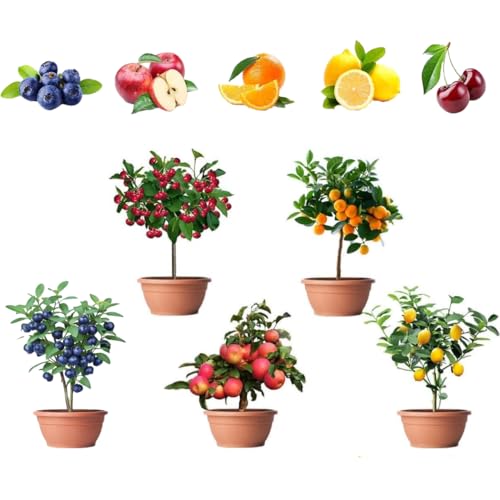
Variety Pack of 5 Fruits: Includes 40 Lemon seeds, 40 Orange seeds, 40 Apple seeds, 20 Cherry seeds, and 20 Blueberry seeds for a colorful and diverse home garden


9 Fruit Seeds Packed: 200pcs strawberry seeds (Common Name for Fragaria × ananassa), 200pcs raspberry seeds (Common Name for Rubus idaeus), 100pcs mulberry seeds (Common Name for Morus), 30pcs apple seeds (Common Name for Malus)
Above the Graft Explanation
Planting above the graft entails positioning the soil line at or just above the graft union. This method encourages the scion to grow freely since it’s primarily responsible for fruit production. Planting in this manner benefits varieties that develop well under specific conditions. For instance, if you live in a region prone to pests or diseases, this approach can maximize the scion’s potential to thrive. Ensure the soil drains well and contains the proper nutrients. The right environment supports healthy growth and leads to strong yields.
Below the Graft Explanation
Planting below the graft involves placing the graft union beneath the soil line. This technique can be beneficial for certain rootstocks that may enhance the tree’s adaptability to local soil conditions. However, this practice carries risks, such as potential for graft failure, as the scion might not grow successfully if buried too deeply. Ensure the rootstock variety used aligns with your local climate and soil. Monitor the tree closely after planting, since it’s essential to check for issues like rot or inadequate air flow around the graft. Observing and reacting to these concerns can greatly improve your tree’s health and productivity.
Pros and Cons of Planting Above or Below the Graft
Understanding the pros and cons of planting above or below the graft helps you make informed decisions for your fruit tree planting.
Recommended Products

Package: 5 Individual Packs, 40+ Lemon Tree Seeds 40+ Cherry Tree Seeds 40+ Orange Tree Seeds 40+ Apple Seeds 20+ Blueberry Seeds

4 FRUIT VARIETIES – 100 SEEDS TOTAL: Includes 30 Apple Seeds, 30 Lemon Seeds, 30 Cherry Seeds, and 10 Banana Seeds, individually separated by variety for an exciting fruit-growing collection.

Product Quantity: 180+ premium bonsai fruit seeds across 5 varieties; Individual packs contain 40+ apple, 40+ lemon, 40+ orange, 20+ blueberry, and 40+ cherry seeds; Perfect for starting a diverse miniature orchard
Advantages of Planting Above
- Enhances air circulation around the graft union. This reduces the risk of disease.
- Promotes robust growth of the scion, allowing it to thrive freely.
- Offers better visibility to monitor the health of the graft.
- Attracts more sunlight, benefiting overall photosynthesis.
- Supports quick recovery from potential graft failures by focusing resources on scion growth.
Disadvantages of Planting Above
- Increases susceptibility to pests that may target the vulnerable scion.
- Requires additional maintenance, like regular pruning, to manage excess growth.
- May lead to root exposure, especially in poor soil conditions.
- Risk of excessive growth can strain the graft union over time.
Advantages of Planting Below
- Increases adaptability to local soil conditions, providing stability for the tree.
- Protects the graft from extreme weather conditions by burying it.
- Encourages a stronger root system, promoting nutrient uptake.
- Reduces exposure to pests that typically focus on above-ground parts of the tree.
- May enhance the longevity of the tree due to strong root development.
- Risks graft failure if the scion is buried too deep and lacks access to sunlight.
- Limits visibility for monitoring the graft health, complicating care.
- Can lead to misaligned growth if the graft isn’t planted correctly.
- May require more effort in managing moisture levels to avoid root rot.
Factors Influencing Planting Decisions
Several factors influence whether you should plant fruit trees above or below the graft. Understanding these elements helps you make informed choices for optimal growth.
Recommended Products

Feed the soil not the plants - stimulate microbial activity in your soil and boost probability of success with all types of plants… like composting but faster

Package contains 6 pounds organic soil acidifier grains and is produced to avoid wasteful runoff, mess, hazards and smells
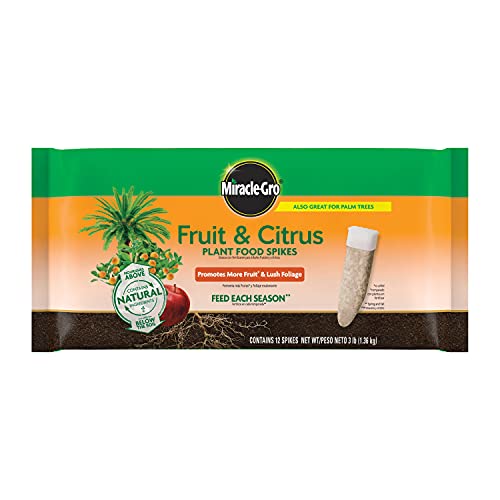
FORMULATED FOR CITRUS AND FRUIT TREES: Use these citrus fertilizer spikes on apple, orange, lemon, lime, and avocado trees; this formula is also great for feeding palm trees
Soil Type
Soil type directly impacts root development and tree stability. Sandy soils drain well, leading to a healthy root system when planting above the graft. For heavier clay soils, planting below the graft aids moisture retention and supports a stronger foundation. Test your soil’s pH and texture to choose the best method. If soil amendments are needed, consider organic matter or peat moss to improve structure.
Climate Conditions
Climate conditions substantially affect tree health. In warmer regions, planting above the graft promotes free growth and reduces humidity around the graft union, minimizing disease risk. In colder climates, planting below the graft provides insulation and protection from freezing temperatures. Evaluate local weather patterns and choose your planting depth accordingly. If your area experiences severe weather, research hardiness zones for fruit trees to ensure crop success.
Conclusion
Choosing whether to plant your fruit trees above or below the graft is a decision that can shape your gardening success. By understanding the nuances of each method you can tailor your approach to fit your specific conditions.
Think about your soil type and climate when making this choice. Whether you opt for the benefits of above-graft planting or the stability of below-graft planting, being mindful of the graft’s position is crucial.
With the right techniques and care you can cultivate healthy trees that yield delicious fruit for years to come. Happy gardening!
Frequently Asked Questions
Should I plant my fruit tree above or below the graft?
Planting above the graft allows the scion to grow freely, which is beneficial in areas with pests or diseases. Conversely, planting below the graft can enhance adaptability to local soil but risks graft failure if buried too deep. Consider your local conditions before deciding.
What is grafting in fruit trees?
Grafting is a horticultural technique where a scion (the upper part) is joined to a rootstock (the lower part). This method improves disease resistance, controls tree size, ensures compatibility with various varieties, and promotes faster fruit production, enhancing overall tree performance.
How does the graft’s position affect tree growth?
The graft’s position is crucial for healthy growth. Planting above the graft promotes vigorous scion development and better air circulation, while below encourages a strong root system. Incorrect positioning can lead to stunted growth or tree failure, impacting fruit yield.
What are the advantages of planting above the graft?
Planting above the graft enhances air circulation, promotes vigorous scion growth, increases sunlight exposure, and allows for better monitoring of tree health. However, it also may increase pest susceptibility and requires regular maintenance.
Are there benefits to planting below the graft?
Yes, planting below the graft increases adaptability to local soil conditions, offers protection from extreme weather, and supports a stronger root system. However, it carries risks such as graft failure if planted too deep and limited visibility for monitoring growth.
What factors should I consider when deciding on planting methods?
Consider soil type and climate conditions. Sandy soils often require above-graft planting for drainage, while heavier clay soils favor below-graft for moisture retention. Your local climate will also influence the best planting approach to maximize tree health and productivity.
