

Have you ever wondered why your fruit tree isn’t bearing as much fruit as you’d hoped? You’re not alone. Many gardeners face the challenge of ensuring their trees get properly pollinated. Without the right techniques, you might miss out on a bountiful harvest.
Key Takeaways
- Understanding Pollination: Pollination is vital for fruit production and involves transferring pollen from male to female flower parts, crucial for trees like apples and cherries.
- Types of Pollination: Familiarize yourself with self-pollination, where trees can fertilize themselves (e.g., peaches), and cross-pollination, which requires compatible tree varieties nearby (e.g., apples).
- Tools for Pollination: Essential tools for effective manual pollination include cotton swabs, pollen containers, pruning shears, gloves, and water sprayers to facilitate the process.
- Effective Techniques: Optimal pollination involves timing (morning hours), pollen collection, and ensuring good contact with the stigma to increase fertilization chances.
- Environmental Factors: Weather plays a crucial role in pollination; mild conditions enhance chances, while adverse weather can hinder pollen transfer and pollinator activity.
- Addressing Challenges: Be vigilant about pests and diseases that can impact flower health and pollination success, maintaining tree health through regular care and treatment strategies.
Understanding Fruit Tree Pollination
Pollination plays a critical role in the fruit production process for trees. Proper pollination ensures that flowers develop into the fruits you enjoy. Here’s a closer look at how it works and why it matters for your fruit trees.
What Is Pollination?
Pollination refers to the transfer of pollen from the male parts of a flower (anthers) to the female part (stigma). This process can occur through various agents, including wind, insects, and birds. Many fruit trees, like apple and cherry trees, need help from these agents to set fruit.
- Self-pollination: Some trees can pollinate themselves using their pollen. Examples include peaches and apricots.
- Cross-pollination: Other trees require pollen from a different tree of the same species. For instance, many apple varieties thrive with cross-pollination.
Importance of Pollination for Fruit Trees
Understanding the importance of pollination helps ensure productive fruit trees.
- Fruit Development: Successful pollination leads to the fertilization of flowers, which produces seeds and, subsequently, fruits.
- Quality and Quantity: Well-pollinated flowers yield higher-quality fruits with better flavor and size, enhancing your harvest.
- Biodiversity: Pollination promotes genetic diversity, strengthening the resilience of fruit tree populations.
Ensuring effective pollination includes selecting the right varieties and providing suitable conditions to attract pollinators. Without this process, your trees may produce little to no fruit, impacting your gardening efforts.
Types of Pollination
Understanding the different types of pollination helps you select the best techniques for your fruit trees. Two main types exist: self-pollination and cross-pollination. Each plays a unique role in fruit development.
Recommended Products

Product Quantity: Five+ dwarf peach tree seeds per packet; Premium selection for optimal viability; Perfect for starting your own backyard orchard

The Russian Pomegranate tree lives up to its name with its edible fruit, showy flowers, and low amount of overall maintenance. This Fruit tree is a joy to grow in any warm outdoor landscape.

Delicious Freestone Peaches – The Contender Peach Tree yields large, sweet, juicy peaches with freestone flesh, perfect for fresh eating, canning, and baking.
Self-Pollination
Self-pollination occurs when a flower fertilizes itself. This means pollen from the male part of the flower transfers to its female part without requiring assistance from outside sources. Many trees, like peaches and apricots, are known for their self-pollinating ability.
- Characteristics: Self-pollinating trees typically produce flowers that contain both male and female reproductive parts.
- Advantages: Self-pollination ensures fruit set even in the absence of pollinators or other tree varieties.
- Examples: Varieties like ‘Redhaven’ peach and ‘Autumn Blaze’ apricot effectively produce fruit without needing additional trees.
Cross-Pollination
Cross-pollination requires pollen from a different tree variety to fertilize the flowers. Many fruit trees, such as apples and pears, benefit from cross-pollination.
- Characteristics: Cross-pollinating trees need a compatible partner to produce fruit. This often involves planting multiple varieties nearby.
- Advantages: Cross-pollination enhances fruit quality and increases yields. It also boosts genetic diversity, resulting in healthier trees.
- Examples: ‘Granny Smith’ apples benefit from pollen from varieties like ‘Fuji’ or ‘Gala’ to ensure good fruit production.
Selecting the right pollination type for your fruit trees is essential for a successful harvest.
How to Pollinate a Fruit Tree
Pollinating a fruit tree involves specific techniques that increase your chances of a fruitful harvest. Understanding the right methods makes all the difference in your garden’s success.
Recommended Products

8 Sizes Set for Varied Plants: this pollinator tool set includes 8 different tip sizes to meet your specific garden needs, allowing you to easily match the brush head to tiny succulent blossoms or large flowers without causing damage
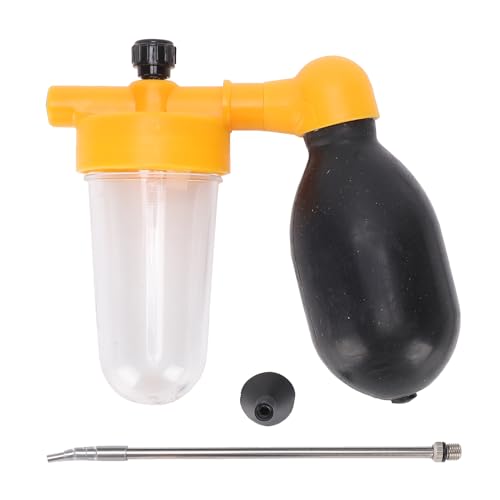
[Efficient Design] Equipped with a windproof air outlet for better pollen atomization, ensuring even pollination.

【Effortless Fruit Harvesting】This fruit picker pole fruit picker tool fruit picking tool features a long reach detachable pole design, allowing you to pick apple, avocado, apricot, acorn, mango, orange, peach, pear and more safely from tall trees without using ladders.
Identifying the Right Plant
Identifying the right plants for successful pollination ensures better yields. First, check if your tree is self-pollinating or requires cross-pollination. For instance, trees like ‘Redhaven’ peaches thrive on their own, while apples need a compatible variety nearby, like ‘Granny Smith.’ Look for trees that bloom around the same time for effective pollen transfer. Research local varieties that flourish in your climate to maximize your efforts.
Tools and Materials Needed
Gathering the right tools and materials streamlines the pollination process. Here’s a list of essentials:
- Cotton Swabs: Use these to transfer pollen manually for more control and precision.
- Pollen Collecting Container: Store collected pollen safely until you’re ready to apply it.
- Pruning Shears: Trim branches to promote healthier growth and improve access for your pollination efforts.
- Garden Gloves: Protect your hands while handling plants and pollen.
- Water Sprayer: Utilize this tool to moisten flowers slightly, which helps pollen adhere better.
With these tools, you’ll enhance your pollination efforts and enjoy a more productive fruit tree.
Steps for Effective Pollination
Effective pollination ensures healthy fruit production. Here’s how to go about it.
Manual Pollination Techniques
- Select the Right Time: Pollinate flowers in the morning when they’re fully open and dew has dried. This timing boosts pollen transfer.
- Gather Tools: Use cotton swabs for collecting and transferring pollen. A pollen container helps store the material for later use.
- Collect Pollen: Gently rub the cotton swab against the anthers of male flowers. Ensure you collect enough pollen for effective transfer.
- Transfer Pollen: Dip the swab into the stigmas of female flowers. Ensure good contact for successful fertilization.
- Repeat: Continue this process for several flowers, especially those on the same tree or from different compatible trees.
- Monitor Blooming Periods: Observe the bloom schedule of your fruit trees. Pollinate when both male and female trees bloom simultaneously.
- Consider Weather Conditions: Ideal weather includes mild temperatures and low wind. Rain or strong winds can hinder pollen transfer.
- Attract Pollinators: Plant flowers around your fruit trees. Bright, fragrant blooms attract bees and other pollinators.
- Maintain Tree Health: Healthy trees produce more flowers, increasing pollination chances. Ensure regular watering and proper fertilization.
- Be Patient: Pollination success doesn’t guarantee immediate results. Allow time for the fruit to develop after successful pollination.
Common Challenges in Pollination
Pollination presents several challenges that can affect fruit tree yields. Understanding these challenges helps you mitigate their impact and enhance your harvest.
Weather Factors
Weather conditions greatly influence pollination success. Cold temperatures can delay blooming, affecting the availability of pollen and pollinators. For example, apple trees may not bloom when peak pollination occurs, resulting in poor fruit set. Rainy or windy days can hinder insect activity, making it difficult for them to transfer pollen effectively. To improve your odds, monitor local weather forecasts during the blooming period and time your pollination efforts accordingly.
Pests and Diseases
Pests and diseases pose significant threats to pollination. Insects like aphids and spider mites can damage flowers and hinder proper blooming, impacting pollen production. Additionally, diseases such as powdery mildew can weaken trees, reducing their vigor and ability to produce fruit. Control these issues by regularly inspecting your trees and using appropriate treatments, like insecticidal soap for pests or fungicides for diseases. Keep your trees healthy by maintaining proper watering, fertilization, and pruning practices, which can boost their resilience against these challenges.
Conclusion
With the right approach to pollination you can transform your fruit trees into bountiful producers. Understanding whether your trees are self-pollinating or need a helping hand from a compatible variety is key. By following the steps outlined and being mindful of your local environment you’ll create the perfect conditions for fruitful harvests.
Don’t forget to attract those essential pollinators by planting nearby flowers and maintaining tree health. It might take some patience but with a little effort you’ll be rewarded with delicious fruits. Happy gardening and enjoy the fruits of your labor!
Frequently Asked Questions
What is pollination in fruit trees?
Pollination is the process where pollen from the male parts of a flower is transferred to the female part, essential for fruit production. It’s facilitated by agents like wind, insects, and birds. Successful pollination results in fruit set and enhances the harvest’s quality and quantity.
What is the difference between self-pollination and cross-pollination?
Self-pollination occurs when a flower fertilizes itself, allowing certain trees, like peaches and apricots, to produce fruit alone. Cross-pollination, however, requires pollen from another tree variety, essential for apples and pears, as it boosts fruit quality and yields.
How do I know if my fruit tree is self-pollinating?
To determine if your fruit tree is self-pollinating, check its species. Many trees, like ‘Redhaven’ peaches, can bear fruit without another tree. However, varieties such as apples require a compatible partner nearby for successful fruit production.
What tools are needed for effective pollination?
Essential tools for pollination include cotton swabs for transferring pollen, a pollen collecting container, pruning shears, garden gloves, and a water sprayer to help pollen adhere better. These tools facilitate the manual pollination process when necessary.
When is the best time to pollinate fruit trees?
The best time to pollinate fruit trees is in the morning when flowers are fully open and the pollen is fresh. This timing helps ensure effective pollen transfer and increases the chances of successful fertilization.
How can I attract pollinators to my garden?
To attract pollinators, plant a variety of flowers around your fruit trees that bloom at different times. Use native plants, provide water sources, and avoid pesticides to create a welcoming environment for bees, butterflies, and other pollinators.
What challenges can affect fruit tree pollination?
Challenges that can impact fruit tree pollination include cold temperatures, which delay blooming, and pests or diseases that damage flowers. Regular tree inspections, monitoring local weather, and maintaining healthy trees can help mitigate these issues.
How can I ensure adequate pollination for my fruit trees?
To ensure adequate pollination, select compatible tree varieties that bloom simultaneously. Monitor blooming periods and local conditions, attract pollinators with diverse flowering plants, and consider manual pollination if necessary for species requiring cross-pollination.
