

Are you dreaming of a backyard filled with fresh fruit? If you live in zone 9b, you’re in luck! This climate offers a fantastic opportunity to grow a variety of delicious fruit trees that thrive in warm temperatures and mild winters.
Key Takeaways
- Zone 9b Climate: This region features warm temperatures and mild winters, supporting a variety of fruit trees, including tropical and subtropical species.
- Optimal Fruit Trees: Key fruit trees suitable for Zone 9b include citrus (oranges, lemons, limes), stone fruits (peaches, plums, nectarines), and tropical varieties (mangoes, guavas, papayas).
- Soil and Drainage: Fruit trees require well-draining soil with a pH of 6.0 to 7.0 and rich in organic matter to promote strong root growth.
- Sunlight and Frost Protection: Ensure trees receive at least 6 to 8 hours of sunlight daily and choose locations that minimize frost risk to enhance fruit production.
- Pruning and Maintenance: Regular pruning in late winter or early spring is essential to boost health and yields; implementing pest management strategies can protect trees from infestations.
- Consistent Care: Adhering to proper watering, mulching, and care practices is crucial for thriving fruit trees and bountiful harvests in Zone 9b.
Overview of Zone 9b
Zone 9b enjoys warm temperatures and mild winters, making it suitable for a variety of fruit trees. This USDA hardiness zone typically experiences average minimum temperatures between 25°F and 30°F. You’ll find that the climate supports both tropical and subtropical fruit varieties, allowing for an extended growing season.
Trees thrive in this region, benefiting from ample sunlight and relatively low frost risk. With proper care, you’ll enjoy healthy yields of fruits like citrus, figs, and avocados. Consider these options, which perform well:
- Citrus Trees: Varieties include oranges, lemons, and grapefruits.
- Stone Fruits: Such as peaches, plums, and nectarines.
- Tropical Fruits: Like mangoes and guavas, which flourish in the heat.
To foster success in your garden, implement practices like adequate watering, mulching, and regular pruning. These techniques help ensure strong growth and robust fruit production.
Be aware of pests and diseases common in the region. Regular inspections and a consistent care routine can mitigate these issues. Understanding your local climate specifics aids in selecting the right varieties for optimal results.
Ideal Conditions for Fruit Trees
Creating optimal conditions for your fruit trees encourages healthy growth and abundant harvests. Understanding your zone’s specifics enhances your gardening success.
Recommended Products

KILLS LISTED FRUIT & CITRUS TREE INSECTS: Controls Asian Citrus Psyllid, Whiteflies, Aphids Thrips, Citrus Leafminers, Leafhoppers, Blackfly, Mealybugs, Scales, Avocado Lacebugs, Oriental Beetles, Flea Beetles, Sharpshooters, and Spittlebugs

Product Quantity: 180+ premium bonsai fruit seeds across 5 varieties; Individual packs contain 40+ apple, 40+ lemon, 40+ orange, 20+ blueberry, and 40+ cherry seeds; Perfect for starting a diverse miniature orchard

4 kinds of the most popular fruits, individually packaged, 50pcs Lemon seeds 50pcs Cherry seeds 50pcs Orange seeds 50pcs Apple seeds Fresh seeds, all fruit seeds are packed in tear and moisture resistant zipper sealed bags for your long term storage.
Soil Requirements
Fruit trees thrive in well-draining soil rich in organic matter. Here’s what you need to ensure:
- pH Levels: Aim for a soil pH between 6.0 and 7.0. You can test your soil using a pH meter or test kit available at garden centers.
- Organic Matter: Incorporate compost or well-rotted manure to improve soil structure and nutrient content. This addition supports strong root development.
- Drainage: Ensure proper drainage to prevent root rot. If your soil retains water, consider raised beds to improve drainage.
Climate Factors
Climate plays a crucial role in the success of fruit trees. Consider these factors:
- Temperature: Zone 9b experiences average minimum temperatures between 25°F and 30°F. Choose varieties that thrive within this range, such as citrus and stone fruits.
- Sunlight: Ensure your trees receive at least 6 to 8 hours of sunlight daily. Position trees in full sun for optimal fruit production.
- Frost Risk: While winters are mild, occasional frosts can occur. Strategically plant trees in locations that offer some protection from cold winds.
By addressing soil and climate needs, you create a foundation for fruitful harvests in your backyard.
Popular Fruit Trees for Zone 9b
Zone 9b offers a vibrant selection of fruit trees that thrive in its warm climate. Here’s a look at some popular varieties you can grow.
Recommended Products

Product Quantity: 12+ premium blood orange seeds per packet; Carefully selected for optimal viability; Perfect for starting multiple citrus trees
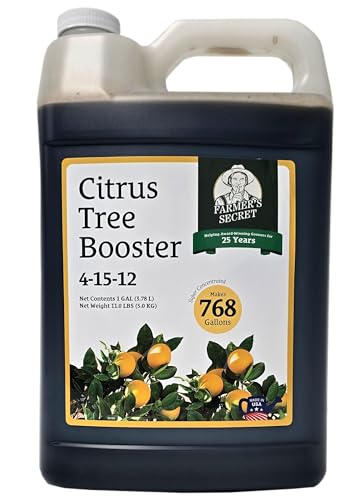
Let our professionally formulated plant food help your citrus tree grow healthy, strong AND abundantly producing

BEGINNER-FRIENDLY & EASY TO GROW – Perfect for first-time bonsai growers, simple planting and care instructions
Citrus Trees
Citrus trees flourish in zone 9b. You can successfully grow oranges, lemons, limes, and grapefruits. These trees enjoy full sunlight and prefer well-drained soil.
- Oranges: Choose varieties like ‘Valencia’ or ‘Navel’ for juicing or fresh eating.
- Lemons: ‘Eureka’ and ‘Meyer’ lemons provide fruit year-round.
- Limes: ‘Persian’ limes are versatile for cooking and cocktails.
- Grapefruits: ‘Ruby Red’ offers sweet, juicy goodness.
Regular watering helps establish roots, but you should avoid overwatering to prevent root rot.
Stone Fruits
Stone fruits do well in zone 9b and include peaches, plums, and nectarines. These fruits require a chilling period but adapt well to warmer climates.
- Peaches: Varieties such as ‘Florida Prince’ or ‘Sugar Belle’ thrive in the heat.
- Plums: Look for ‘Santa Rosa’ or ‘Beauty’ for sweet fruit.
- Nectarines: ‘Independence’ and ‘Arctic Star’ offer delicious, fuzz-free options.
Make sure to prune them each year to encourage airflow and increase fruit yield.
Tropical Fruits
Tropical fruits thrive in zone 9b’s warm climate, bringing exotic flavors to your garden. Consider planting mangoes, guavas, and papayas.
- Mangoes: ‘Haden’ and ‘Kent’ are popular for their sweet flesh and minimal fiber.
- Guavas: Look for ‘Strawberry’ guava for a delightful, fragrant fruit.
- Papayas: ‘Carica’ papaya grows quickly and produces fruit within a year.
These trees often prefer partial shade during the hottest part of the day. Water deeply but infrequently to promote deep root growth.
By selecting the right fruit trees for zone 9b, you can enjoy a productive garden filled with lush fruits.
Care and Maintenance Tips
Caring for fruit trees in zone 9b requires attention to detail and consistent practices. Follow these guidelines to ensure your trees thrive and produce fruitful harvests.
Recommended Products

Cold-Pressed Neem Oil is a potent natural solution, ideal for maintaining healthy plants

FUNGAL DISEASE CONTROL: Prevents and controls black spot on roses, powdery mildew, rust, downy mildew, and other listed fungal diseases when applied on a 7–14 day schedule

PLANT DISEASE CONTROL: Natria Neem Oil acts as an insecticide and fungicide in one convenient spray; Ready-to-use trigger sprayer requires no mixing
Pruning Techniques
Pruning enhances fruit tree health and increases yields.
- Timing: Prune during dormancy, generally in late winter or early spring before new growth starts.
- Tools: Use sharp, clean pruning shears to make precise cuts. Avoid using dull blades to prevent damaging branches.
- Technique: Remove dead or diseased branches first. Then, thin out crowded areas to improve airflow and sunlight penetration. Aim for a balanced shape while preserving the tree’s natural form.
- Annual Maintenance: Schedule annual pruning to maintain size and shape. This practice boosts fruit production and promotes overall tree health.
Pest Management
Pest management protects fruit trees from damaging insects and diseases.
- Inspection: Conduct regular inspections for signs of pests like aphids, spider mites, or whiteflies. Early detection facilitates easier control.
- Natural Predators: Introduce beneficial insects, such as ladybugs or lacewings, that prey on harmful pests without chemicals.
- Organic Treatments: Use organic pest control methods, such as neem oil or insecticidal soap, which minimize ecological impact and keep your fruit safe for consumption.
- Routine Maintenance: Clear fallen leaves and fruit debris to reduce pest habitats. Maintaining cleanliness around your trees lowers the risk of infestations.
Implementing these care and maintenance strategies will help you cultivate healthy, productive fruit trees in your garden.
Conclusion
Growing fruit trees in zone 9b opens up a world of delicious possibilities right in your backyard. With the right selection and care, you can enjoy a bountiful harvest of citrus, stone fruits, and tropical delights.
By focusing on soil quality, sunlight exposure, and consistent maintenance, you’ll set your trees up for success. Remember to keep an eye out for pests and diseases to protect your investment.
So get out there and start planting! Your garden can become a vibrant oasis of flavors that you and your family will cherish for years to come. Happy gardening!
Frequently Asked Questions
What is Zone 9b?
Zone 9b is a USDA plant hardiness zone characterized by average minimum temperatures between 25°F and 30°F. This zone offers a warm climate ideal for growing various fruit trees and allows for a long growing season.
What fruit trees can I grow in Zone 9b?
In Zone 9b, you can grow a variety of fruit trees, including citrus (like oranges and lemons), stone fruits (such as peaches and plums), and tropical fruits (including mangoes and guavas). These trees thrive in the warm temperatures and mild winters of the region.
How do I care for fruit trees in Zone 9b?
Caring for fruit trees in Zone 9b involves regular watering, mulching, and annual pruning to promote healthy growth. Additionally, inspection for pests and diseases is crucial to ensure the trees remain healthy and productive.
What soil conditions are best for fruit trees?
Fruit trees in Zone 9b thrive in well-draining soil rich in organic matter, with a pH level between 6.0 and 7.0. Adding compost or well-rotted manure can improve soil structure and nutrient content.
How much sunlight do fruit trees need?
Fruit trees generally require at least 6 to 8 hours of sunlight daily for optimal growth and fruit production. It’s important to consider planting strategies to mitigate frost risk while ensuring adequate sunlight exposure.
When should I prune my fruit trees?
The best time to prune fruit trees in Zone 9b is during their dormancy, typically in late winter or early spring. Use sharp tools for precise cuts to shape the trees and improve airflow inside the canopy.
How do I manage pests on my fruit trees?
Managing pests involves regular inspections and introducing natural predators to control pest populations. Organic treatments can be used to protect trees, emphasizing environmentally friendly practices while maintaining tree health.
What are the benefits of growing fruit trees in Zone 9b?
Growing fruit trees in Zone 9b provides access to a diverse range of fresh fruits, enhances property value, and contributes to environmental sustainability. The region’s favorable climate promotes a long growing season and healthy fruit yields.
