

Have you ever dreamed of growing your own bananas but found yourself frustrated when your tree just won’t fruit? You’re not alone. Many gardeners face this challenge, wondering what they might be doing wrong.
Key Takeaways
- Importance of Banana Trees: They provide nutritional benefits, enhance local economies, improve ecosystems, and hold cultural significance in many societies.
- Soil Quality: Use well-draining, loamy soil with a pH of 5.5 to 7.0 and enrich it with compost to promote better fruit production.
- Sunlight Needs: Ensure your banana tree gets at least 12 hours of direct sunlight daily to optimize fruit development.
- Watering Techniques: Maintain consistently moist soil without waterlogging, aiming for about 2 inches of water weekly, and utilize mulch to retain moisture.
- Fertilization and Pruning: Regularly fertilize with a balanced mix every 6-8 weeks and prune to improve air circulation and direct energy towards fruit production.
- Addressing Challenges: Monitor for pests and diseases, maintain favorable environmental conditions, and practice crop rotation to promote healthy growth and fruiting.
Importance Of Banana Trees
Banana trees hold significant importance for various reasons. They provide not only nutritious fruit but also valuable environmental benefits.
Nutritional Value
Bananas are rich in essential nutrients. They contain potassium, vitamin C, vitamin B6, and dietary fiber. Eating bananas supports heart health, aids digestion, and provides a quick energy boost.
Economic Impact
In many regions, banana trees contribute to local economies. Farmers cultivate bananas for both local consumption and export. This practice creates jobs, supports trade, and stimulates economic growth.
Ecological Benefits
Banana trees play a role in enhancing local ecosystems. They improve soil quality by adding organic matter, and their large leaves provide shelter for various wildlife species. Their deep root systems prevent soil erosion, maintaining stability in the landscape.
Aesthetics and Landscaping
You can use banana trees to enhance landscaping. Their lush foliage adds a tropical vibe, making outdoor spaces more inviting. Many gardeners plant banana trees for their ornamental value, as they create a vibrant atmosphere.
Cultural Significance
Bananas also hold cultural significance in many societies. They feature prominently in festivals, rituals, and culinary traditions around the world. The versatility of bananas in various dishes underscores their global appeal.
Gardening and Care
Growing banana trees in your garden offers an enjoyable experience. They require specific conditions, such as ample sunlight, well-draining soil, and regular watering. With proper care, you can enjoy the beauty of banana trees while looking forward to their delicious fruit.
Factors Influencing Fruit Production
Several factors affect the ability of your banana tree to produce fruit. By optimizing these conditions, you can significantly improve your chances of harvest success.
Recommended Products

Accurate Soil Moisture Detection: The XLUX Soil Moisture Meter can tell you if the soil deep inside your pot or garden is dry, moist or wet; whereas your eyes and fingers can only determine the moisture level of the soil surface. The probe is 5.5 inches (14 cm) longer than regular styles, allowing it to measure the soil moisture at the bottom of larger and deeper flower pots.

Accurate Soil Moisture Detection: The XLUX Soil Moisture Meter can tell you if the soil deep inside your pot or garden is dry, moist or wet; whereas your eyes and fingers can only determine the moisture level of the soil surface. The probe is 5.5 inches (14 cm) longer than regular styles, allowing it to measure the soil moisture at the bottom of larger and deeper flower pots.

Soil Moisture Meter: This single probe soil moisture meter is specially designed for testing the moisture level in the soil, helps you decide whether the plants need water or not, helps to keep plants alive.
Soil Quality
Soil quality plays a crucial role in banana fruit production. Use well-draining, loamy soil rich in organic matter. Aim for a soil pH between 5.5 and 7.0 for optimal growth. Add compost or well-rotted manure to enhance nutrient levels. If soil texture is too sandy or clay-rich, consider amending it to promote better drainage and aeration.
Sunlight Requirements
Banana trees require full sun for at least 12 hours daily. Choose a planting location that receives abundant sunlight without obstruction from buildings or trees. If your area is partially shaded, consider transplanting the tree to a sunnier spot. Sunlight directly impacts fruit development, so adequate exposure ensures you’ll enjoy a better yield.
Watering Techniques
Watering techniques directly influence banana tree health and fruit production. Regularly water your banana tree, keeping the soil consistently moist but not waterlogged. Aim for about 2 inches of water weekly. During dry spells, increase watering frequency while monitoring drainage. Using mulch around the base helps retain soil moisture, regulates temperature, and suppresses weeds.
Proper Care Techniques
To grow a fruitful banana tree, proper care techniques are essential. Focusing on fertilization and pruning can significantly improve your success.
Recommended Products

PREMIUM FUEL LIQUID FERTILIZER: Wellspring Gardens Banana Fuel Liquid Fertilizer Concentrate provides a quality nutrient blend with minor elements that could grow your plants. Its 3-1-6 formula ratio is the ideal fertilizer ration according to University of Florida which is what our product is made of.

Made for Lemon & Citrus Trees – Formulated to support healthy growth in lemon and citrus plants.
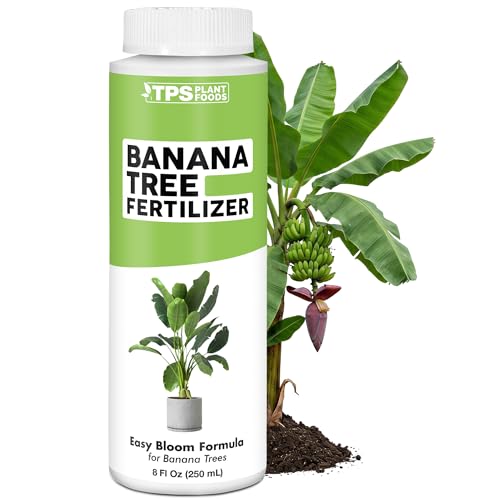
Made for Banana Trees – Specially formulated banana fertilizer designed to support the nutrient needs of banana plants.
Fertilization Tips
Fertilizing your banana tree provides essential nutrients for optimal growth. Apply a balanced fertilizer containing nitrogen, phosphorus, and potassium every six to eight weeks during the growing season. Use the following guidelines for effective fertilization:
- Mix 1 to 2 pounds of fertilizer per 100 square feet around the base of the tree.
- Water the area thoroughly after application to help nutrients penetrate the soil.
- Monitor your banana tree’s growth; adjust fertilizer type if leaves appear yellow or growth seems stunted.
- Apply organic fertilizers like compost or well-rotted manure for additional nutrients without chemical additives.
Pruning Methods
Pruning plays a key role in maintaining the health and productivity of your banana tree. Regular pruning encourages better air circulation and directs energy toward fruit production. Follow these steps for effective pruning:
- Remove dead or damaged leaves as they appear, cutting close to the base without harming the pseudostem.
- Limit the number of shoots to 2 to 3 healthy ones; this focuses energy on fruit-bearing shoots.
- Cut back any suckers that are smaller than the main plant, prioritizing larger suckers to emerge as future fruiting stems.
- Prune after harvesting the fruit to prepare the tree for new growth.
By implementing these fertilization tips and pruning methods, you can foster a healthy environment that encourages your banana tree to produce fruit.
Common Challenges
Growing banana trees can be rewarding, but several challenges might hinder fruit production.
Recommended Products
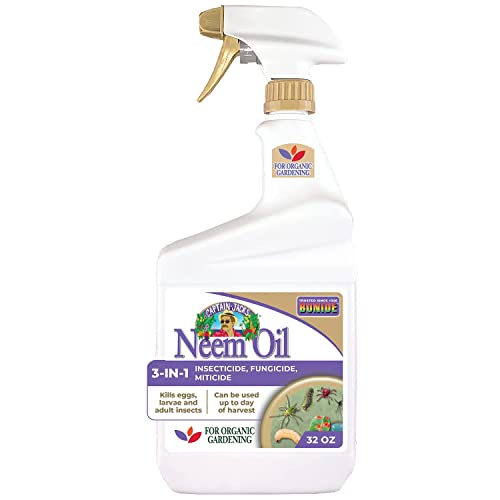
Protect your oasis with 3 garden products in 1 from Captain Jack’s; Bonide Captain Jack’s Ready-to-Use Neem Oil spray for plants is a multi-purpose fungicide, insecticide and miticide for your lawn & garden

FUNGAL DISEASE CONTROL: Prevents and controls black spot on roses, powdery mildew, rust, downy mildew, and other listed fungal diseases when applied on a 7–14 day schedule

PLANT DISEASE CONTROL: Natria Neem Oil acts as an insecticide and fungicide in one convenient spray; Ready-to-use trigger sprayer requires no mixing
Pests and Diseases
Pests and diseases pose significant threats to banana trees. Common pests include aphids, spider mites, and banana weevils. Each can damage leaves, disrupt growth, or increase vulnerability to diseases. To combat pests:
- Inspect regularity. Check your trees weekly for signs of infestation.
- Apply organic pesticides. Use neem oil or insecticidal soap for effective control.
- Encourage beneficial insects. Ladybugs and predatory mites can help keep pest populations in check.
Diseases like Panama disease and black sigatoka can also affect your trees. To prevent these issues:
- Rotate crops. Avoid planting bananas in the same spot for several years.
- Ensure good airflow. Space trees adequately to promote air circulation.
- Keep the area clean. Remove fallen leaves and debris to minimize disease spread.
Environmental Conditions
Banana trees thrive in specific environmental conditions. Factors such as temperature, humidity, and sunlight influence their fruiting success.
- Maintain warmth. Ideal temperatures range from 75°F to 95°F. Protect trees from frost, which can damage foliage.
- Ensure humidity. Keep humidity levels above 50% for optimal growth. Misting the leaves or planting nearby companion plants can help.
- Monitor sunlight. Aim for at least 12 hours of full sunlight each day. If natural light is insufficient, consider using grow lights.
By addressing these common challenges, you can create a conducive environment for your banana trees to flourish and bear fruit.
Conclusion
Getting your banana tree to fruit can feel like a challenge but with the right care and attention you’re setting yourself up for success. Remember to focus on soil quality sunlight and consistent watering. Keeping an eye on pests and diseases will also help your tree thrive.
As you nurture your banana tree you’ll not only enjoy the beauty it brings to your garden but also the delicious fruit it promises. So roll up your sleeves and get ready to enjoy the fruits of your labor. Happy gardening!
Frequently Asked Questions
Why aren’t my banana trees producing fruit?
Banana trees may not produce fruit due to several factors, including inadequate sunlight, poor soil quality, and insufficient watering. Ensure that your trees receive at least 12 hours of full sun daily, grow in well-draining, loamy soil with a pH between 5.5 and 7.0, and maintain consistent moisture without overwatering.
What kind of soil do banana trees prefer?
Banana trees thrive in well-draining, loamy soil rich in organic matter. The ideal pH level for growth is between 5.5 and 7.0. Good soil quality supports strong root systems and enhances fruit production.
How often should I fertilize my banana trees?
It’s recommended to apply a balanced fertilizer every six to eight weeks during the growing season. This regular feeding supports healthy growth and increases the likelihood of fruit production.
What pests and diseases should I look out for?
Common pests affecting banana trees include aphids and banana weevils. Diseases like Panama disease and black sigatoka can also hinder growth. Regular inspections and maintaining cleanliness in the growing area can help prevent these issues.
How do I properly prune banana trees?
Pruning banana trees involves removing dead leaves and limiting the number of shoots to prioritize larger suckers for future fruiting. This practice helps maintain the tree’s health and supports better fruit production.
