

Have you ever wondered if your fruit trees are getting enough water? It’s a common concern for many gardeners. Too little or too much water can affect their growth and fruit production, leaving you frustrated and unsure of what to do.
Key Takeaways
- Watering Needs Vary: Different fruit tree species require different amounts of water weekly; for instance, apple trees need about one to two inches, while citrus trees may need one to three inches.
- Soil Type Matters: Soil composition affects water retention and drainage; sandy soils may require more frequent watering than clay soils, which hold moisture longer.
- Climate Consideration: Hot, dry climates increase the need for frequent watering due to higher evaporation rates, while cooler climates may lower water requirements.
- Watering Guidelines: Young fruit trees need about one to two inches of water weekly, while mature trees typically need two to four inches depending on environmental conditions.
- Signs of Water Stress: Watch for symptoms like yellowing leaves for overwatering or brown edges for underwatering to maintain the health of your trees.
- Proper Practices Enhance Growth: Use techniques like mulching and deep watering to improve water retention and encourage healthy root development in fruit trees.
Importance Of Water For Fruit Trees
Water plays a crucial role in the health and productivity of fruit trees. It influences various physiological processes vital for growth and fruit development.
Nutrient Uptake
Water facilitates nutrient absorption from the soil. Fruit trees rely on water to transport essential nutrients like nitrogen, phosphorus, and potassium throughout their system. Without adequate water, trees struggle to absorb these nutrients, leading to nutrient deficiencies and poor growth.
Photosynthesis
Water is a fundamental component of photosynthesis. This process converts sunlight into energy, enabling the tree to produce food. Insufficient water can hamper photosynthesis, resulting in stunted growth and decreased fruit yields.
Fruit Development
Water directly impacts fruit size and quality. Consistent moisture promotes even ripening and enhances flavor. For instance, insufficient watering during critical stages may lead to smaller, less flavorful fruit.
Temperature Regulation
Water helps regulate tree temperature. Trees transpire water through their leaves, cooling themselves on hot days. This process prevents heat stress, which can damage leaves and fruit.
Root Health
Proper watering supports root development. Deep, well-watered roots enhance stability and access to nutrients. Conversely, drought stress can lead to shallow roots, increasing vulnerability to storms and limiting nutrient uptake.
Watering Practices
Implementing proper watering practices is vital for maintaining tree health. Use mulch to retain soil moisture and water deeply but infrequently. Monitor soil moisture and adjust your watering schedule based on seasonal changes and tree needs.
Understanding the importance of water for fruit trees helps you provide the right care, ensuring healthy growth and maximum fruit production.
Factors Affecting Water Needs
Various factors influence how much water fruit trees require each week. Understanding these aspects helps you provide the right amount of moisture for optimal growth and fruit production.
Recommended Products

【Unique Design Deep Root Tree Watering Tool】 Our root watering tool have four exit hole for the water,won't got clogged easily,It made of stainless steel,not rusting from the inside out.It can leave in the soil and is strong enough to drive through gravel,help your plants build a strong root system .
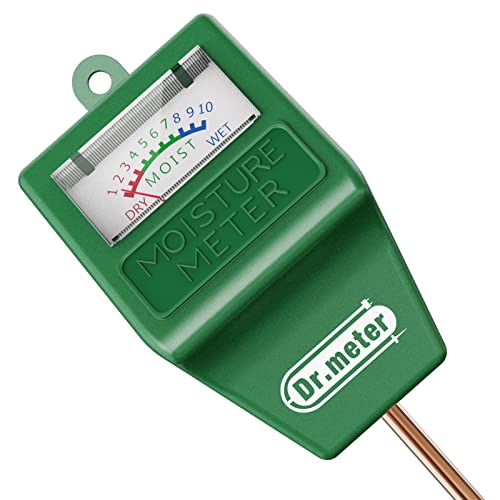
Compact & Portable: Have you been sticking your finger in the soil hoping to feel when it's time to water? Why not eliminate the guesswork and keep your hands clean when you use the Dr.meter Soil Moisture Sensor Meter! Know the right time to water your garden, farm, lawn and houseplants, anytime.

Compact & Portable: Have you been sticking your finger in the soil hoping to feel when it's time to water? Why not eliminate the guesswork and keep your hands clean when you use the Dr.meter Plant Moisture Meter! Know the right time to water your garden, farm, lawn and potted plants, anytime
Tree Species
Different tree species have unique water needs. For example, apple trees generally thrive with about one to two inches of water per week, while citrus trees may require one to three inches. Research the specific species you plant to tailor your watering schedule accordingly. Consider factors like fruit production and tree size, as these can also affect overall water requirements.
Soil Type
Soil type impacts water retention and drainage. Sandy soils drain quickly and typically require more frequent watering, while clay soils hold moisture longer but may lead to waterlogged roots. Aim for a balance based on your soil type. For instance, if you have sandy soil, you might need to water twice a week, while clay soils may only need watering once a week.
Climate Conditions
Climate conditions play a crucial role in determining weekly water needs. Hot, dry climates increase evaporation rates, necessitating more water. In contrast, cooler, wetter climates may reduce watering frequency. Monitor local temperature and rainfall patterns, allowing you to adjust your watering schedule as needed. Keep in mind seasonal changes, as fruit trees often need more water during hot summer months compared to cooler seasons.
Recommended Watering Guidelines
Understanding how much water fruit trees need is crucial for their health. Both young and mature trees require specific amounts of water weekly to thrive.
Recommended Products
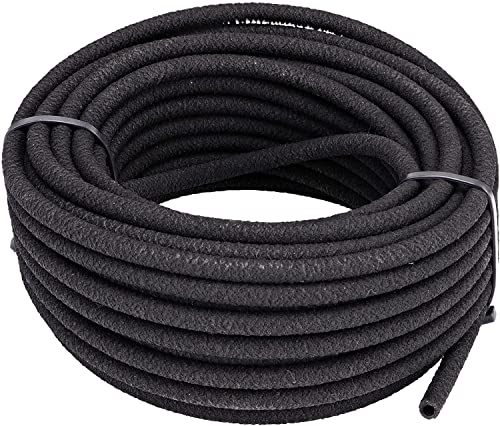
Slowly waters the soil around your plants for complete root zone hydration; Ideal for short runs on flat surfaces, such as vegetable gardens, borders, and around small plants
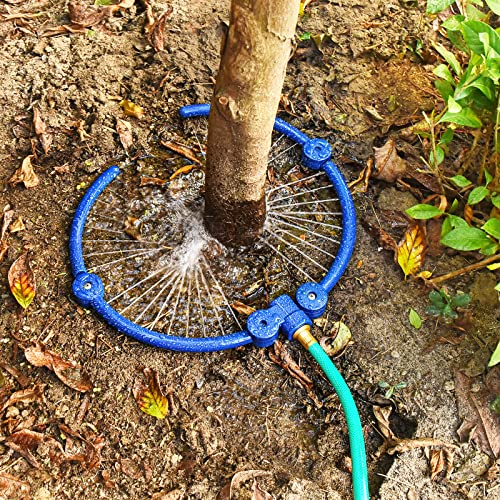
【Specially Designed for Trees and Shrubs】 The Watering Ring is a multi-purpose irrigation ring that attaches to a garden hose to efficiently water young trees shrubs vegetables or flower beds using drip or trickle irrigation.It directs water to the root perimeter of the plant to give them a good start during the first two growing seasons or through periods of drought.

【Even & Consistent Root Watering】Features micro-pore seepage technology that distributes water evenly along the entire hose, transforming spot watering into uniform line watering directly to plant roots. Unlike traditional drip irrigation systems with clog-prone emitters, this soaker hose creates a continuous moisture band for healthier, deeper-rooted plants
Young Trees
For young fruit trees, aim for about one to two inches of water per week. This amount ensures proper establishment and root growth. You can use a soaker hose or drip irrigation to deliver water gently and evenly. Consider checking the soil moisture at a depth of 6 to 8 inches. If it feels dry, it’s time to water.
Mulching around young trees helps retain moisture. Apply a layer of organic mulch, like wood chips or straw, about 2 to 4 inches thick. This practice slows evaporation and regulates soil temperature, benefiting young roots.
Mature Trees
Mature fruit trees need approximately two to four inches of water per week, depending on conditions. In hot, dry climates, opt for the higher end of that range. With mature trees, less frequent but deeper watering encourages deep root growth.
To check soil moisture, dig down to 12 inches. If the soil is dry, it’s time to water. For mature trees, watering methods like deep root watering can enhance effectiveness. Use a wide hose to soak the area under the canopy, allowing water to penetrate deeply.
During dry spells, adjust your watering schedule. Monitor rainfall and consider irrigation if rainfall is insufficient. Keep an eye on your trees for signs of water stress, such as wilting leaves or premature fruit drop.
By following these guidelines, you can ensure your fruit trees receive the right amount of water for optimal growth and fruit production.
Signs Of Overwatering And Underwatering
Identifying the signs of overwatering and underwatering helps maintain the health of your fruit trees.
Recommended Products

Accurate Soil Moisture Detection: The XLUX Soil Moisture Meter can tell you if the soil deep inside your pot or garden is dry, moist or wet; whereas your eyes and fingers can only determine the moisture level of the soil surface. The probe is 5.5 inches (14 cm) longer than regular styles, allowing it to measure the soil moisture at the bottom of larger and deeper flower pots.

Kindly NOTE: This soil tester can not be applied to test pH value of any other liquid. If the soil is too dry the indicator will not move, and water it before testing.

Accurate Soil Moisture Detection: The XLUX Soil Moisture Meter can tell you if the soil deep inside your pot or garden is dry, moist or wet; whereas your eyes and fingers can only determine the moisture level of the soil surface. The probe is 5.5 inches (14 cm) longer than regular styles, allowing it to measure the soil moisture at the bottom of larger and deeper flower pots.
Signs Of Overwatering
- Yellowing Leaves: Leaves turn yellow, indicating stress from excessive moisture.
- Wilting: Leaves appear limp or droopy despite wet soil.
- Root Rot: Darkened, mushy roots signify decay in overly wet conditions.
- Leaf Drop: Premature falling of leaves can indicate overwatering stress.
- Fungal Growth: Presence of mold or fungi around the base of the tree suggests poor drainage.
- Crisp Leaves: Leaves feel dry and brittle, a clear sign of insufficient moisture.
- Brown Edges: The edges of leaves become brown and crunchy as dehydration sets in.
- Wilting: Wilting occurs when the tree lacks adequate water, leading to droopy branches.
- Slow Growth: Stunted growth signals that the tree isn’t receiving enough water for development.
- Fruits Drop Prematurely: Immature fruits may fall off due to lack of adequate hydration.
Monitoring these signs ensures your fruit trees thrive. Adjust your watering schedule based on these indicators to keep your trees healthy and productive.
Conclusion
Finding the right watering schedule for your fruit trees can make all the difference in their health and productivity. By keeping an eye on factors like tree species soil type and climate you can tailor your watering routine to meet their specific needs.
Don’t forget to observe your trees for signs of overwatering or underwatering. Adjusting your watering practices based on these cues will help ensure your trees flourish. With a little attention and care your fruit trees will reward you with bountiful harvests for years to come. Happy gardening!
Frequently Asked Questions
What are the water needs of fruit trees?
Fruit trees generally require between one to four inches of water per week, depending on the species and growth stage. Young trees typically need one to two inches weekly for establishment, while mature trees may need two to four inches for optimal growth.
How does soil type affect watering fruit trees?
Soil type significantly impacts water retention and drainage. Sandy soils drain quickly and may require more frequent watering, while clay soils retain moisture longer, requiring less frequent irrigation.
What signs indicate overwatering in fruit trees?
Signs of overwatering include yellowing leaves, wilting despite wet soil, root rot, leaf drop, and fungal growth near the base. Addressing these signs promptly can prevent further damage to the trees.
How can I tell if my fruit trees are underwatered?
Underwatered fruit trees often exhibit crisp leaves, brown edges, wilting, slow growth, and premature fruit drop. Monitoring these signs helps ensure that your trees receive adequate moisture.
What methods can help retain moisture for young fruit trees?
To retain moisture for young fruit trees, consider using soaker hoses and applying organic mulch around the base. These methods help maintain consistent soil moisture and promote healthy root development.
How does climate impact the watering needs of fruit trees?
Climate plays a key role in watering needs. Hot, dry climates increase evaporation rates and require more watering, while cooler, wetter climates may reduce how often you need to water your trees.
Can I use rainfall to adjust my watering schedule?
Yes, you should monitor rainfall when adjusting your watering schedule. If there has been sufficient rain, reduce watering accordingly to prevent overwatering and maintain healthy trees.
Why is proper watering important for fruit trees?
Proper watering is crucial for fruit trees as it influences nutrient uptake, supports photosynthesis, impacts fruit size and quality, and promotes deep root growth for better stability and access to nutrients.
