

Have you ever wanted to grow your own fruit trees but felt overwhelmed by the process? You’re not alone. Many people dream of plucking fresh apples or juicy peaches from their backyard but don’t know where to start.
Key Takeaways
- Understanding Cuttings: Fruit tree cuttings are segments of a parent plant used to propagate new trees, offering an effective way to grow fruit varieties at home.
- Types of Cuttings: Softwood, semi-hardwood, and hardwood cuttings are the three main types; each is suitable for different fruit trees depending on the season and growth stage.
- Cost-Effective Propagation: Rooting cuttings is a budget-friendly method that allows you to produce multiple trees from one parent plant, eliminating the need to purchase nursery trees.
- Genetic Consistency: Cuttings ensure that new trees retain identical genetic traits of the parent tree, preserving desired fruit characteristics.
- Environment Control: You can manage factors like moisture, light, and temperature during the rooting process, promoting healthier growth and better success rates.
- Sustainable Gardening: Propagating fruit trees through cuttings supports sustainability and biodiversity by minimizing the demand for new plants.
Understanding Fruit Tree Cuttings
Fruit tree cuttings are sections of a parent plant used to produce new trees. This method allows you to propagate fruit varieties successfully, offering a rewarding way to grow trees in your backyard.
Types of Fruit Tree Cuttings
- Softwood Cuttings
Softwood cuttings come from new growth, typically taken in late spring or early summer. These cuttings root easily and are suitable for many fruit trees like apple and peach. - Semi-Hardwood Cuttings
Semi-hardwood cuttings are taken from partially matured wood during mid-summer. This type works for species such as fig or cherry. - Hardwood Cuttings
Hardwood cuttings originate from mature, dormant wood in late fall to winter. This method is ideal for trees like pomegranate and blackberry.
- Cost-Effective
Rooting cuttings eliminates the need to purchase expensive nursery trees. This method gives you the chance to grow multiple trees from one parent plant. - Genetic Consistency
Cuttings ensure the new trees retain the same genetic traits as the parent tree, allowing you to replicate exactly the desired fruit characteristics. - Variety Exploration
Rooting cuttings allows you to test different varieties in your garden. You can experiment with fruits that suit your climate and taste preferences. - Control Over Growth
You can manage the environmental conditions during rooting, promoting healthier growth. Factors like moisture, light, and temperature can be optimized for best results. - Sustainability
Propagating trees through cuttings fosters sustainable gardening practices. It minimizes the need for new plants and encourages biodiversity.
Preparing to Root Fruit Tree Cuttings
Preparing to root fruit tree cuttings involves careful selection and the right tools. Follow these steps for the best results.
Recommended Products

PROFESSIONAL GARDENING GRAFTING TOOLS: Including 2 in 1 grafting pruning tools, 3 replaceable blades, a grafting knife, a screwdriver, a wrench, 2 grafting films, 160 rubber bands, 40 wide rubber bands, and 50 colorful tag cards

6-Piece Grafting Tool Set: Includes one SK5 steel grafting cutter, one 2CR13 steel grafting knife, three rolls of tape (1 white, 2 green), and one twist tie for complete propagation
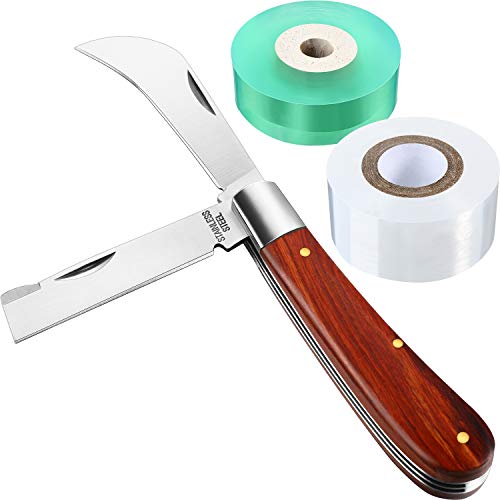
Package includes: you will get 1 double blades garden grafting knife and 2 rolls of grafting tapes in 2 sizes, ideal set for grafting budding, cutting, digging, sprouting, plants, weeding, cutting, sawing, etc.
Selecting the Right Cuttings
Selecting healthy, disease-free cuttings is crucial. Choose cuttings that are 6 to 8 inches long, with at least two to three leaf nodes. Look for:
- Softwood Cuttings: Taken in late spring or early summer, ideal for plants like apples and pears.
- Semi-Hardwood Cuttings: Taken in mid-summer from partially matured wood, suitable for cherries.
- Hardwood Cuttings: Collected from dormant wood in late fall or winter, effective for varieties like plum and peach.
Use sharp, clean pruners to make a diagonal cut below a leaf node. This technique increases the surface area for roots to develop.
Essential Tools and Materials
Gathering the right tools and materials sets you up for success. You’ll need:
- Pruners: For cutting the branches cleanly.
- Rooting Hormone: Helps promote root growth and increases the chances of success.
- Seedling Pots or Trays: Provide a space for cuttings and retain moisture.
- Well-Draining Soil: Use potting mix or a blend of sand and perlite for optimal drainage.
- Plastic Bag or Dome: Creates humidity around the cuttings, crucial for their survival.
Prepare your workspace to keep everything organized. Ensure it’s clean and well-lit to support growth.
The Rooting Process
Rooting fruit tree cuttings involves a few crucial steps to ensure success. Follow these guidelines to grow your own fruit trees effectively.
Recommended Products

PROMOTES ROOTING: Rooting hormone grows new plants from cuttings

ROOT STARTER FOR SEMI-HARDWOOD PLANT CUTTINGS (0.80% IBA): This root powder accelerates root development for plant propagation. Formulated with Indole-3-Butyric Acid (IBA), this root hormone powder strengthens root systems for healthier plants.

ROOTING GEL FOR PLANT CUTTINGS: Miracle-Gro Plant Care Root Starter Gel grows healthy roots for easy propagation; use to grow new plants using leaf and stem cuttings from existing plants
Step-by-Step Guide
- Prepare the Cuttings: Start by cutting a healthy branch from the desired fruit tree. Each cutting should measure 6 to 8 inches and contain at least two to three leaf nodes.
- Apply Rooting Hormone: Dip the cut end of each cutting into rooting hormone. This hormone speeds up the rooting process and increases your chances of success.
- Plant the Cuttings: Insert the cuttings into a seedling pot or tray filled with well-draining soil. Ensure that the leaf nodes are buried in the soil, while the top leaves remain exposed.
- Water the Cuttings: Mist the soil lightly to keep it moist but not soggy. Too much water can lead to rot, while too little can dry out the cuttings.
- Create a Humid Environment: Cover the pot or tray with a plastic bag or dome to maintain humidity. This helps prevent moisture loss and encourages root formation.
- Provide Adequate Light: Place the cuttings in an area with bright, indirect sunlight. Direct sunlight can scorch the delicate leaves, so ensure a balanced light exposure.
- Monitor Growth: Check the cuttings regularly for moisture and signs of root development. It typically takes 4 to 8 weeks for roots to form, depending on the fruit type.
- Using Infected Cuttings: Avoid taking cuttings from diseased plants. This can introduce pathogens into your new plants.
- Neglecting Clean Tools: Always use sharp, clean pruners to make cuts. Dirty tools can transmit diseases.
- Overwatering: Maintain proper moisture levels. Overwatering can drown the cuttings and lead to rot.
- Insufficient Light: Ensure cuttings receive the right amount of light. Lack of light can stunt growth.
- Ignoring Root Development Signs: Be patient and observe your cuttings for roots. Checking too frequently can disrupt their growth.
By following these methods, you can successfully root fruit tree cuttings and enjoy fresh fruit from your backyard.
Care for Newly Rooted Cuttings
Caring for newly rooted cuttings is crucial for their successful growth. Focus on watering, nutrition, and transplanting to ensure your cuttings thrive.
Recommended Products


HIGH-PERFORMANCE ROOTING GEL - Clonex Rooting Gel is a water-based formula with the ideal level of IBA. Trusted by growers, it promotes root initiation & EFFECTIVE development in plant cuttings.

Let our professionally formulated plant food help your fruit tree grow healthy, strong AND abundantly producing
Watering and Nutrition
Water cuttings regularly but avoid overwatering. The soil should remain moist, not soggy. You can check moisture levels by sticking your finger about an inch into the soil. If it feels dry, add water until it drains from the bottom of the pot.
Fertilize with a diluted, balanced fertilizer after a few weeks, once you spot new growth. This provides essential nutrients. Use a fertilizer high in phosphorus to promote root development.
Transplanting Tips
Transplant cuttings when they show healthy root growth, typically 4 to 6 weeks after rooting. Look for roots emerging from the drainage holes.
Prepare a larger pot with well-draining soil. Gently remove the cutting from its existing pot, being careful not to damage the roots. Place the cutting in the new pot, covering the roots with soil. Water thoroughly after transplanting to help settle the soil around the roots.
Choose a spot with indirect sunlight for the newly transplanted cuttings. Gradually expose them to more light over time. Monitor their progress closely and maintain consistent watering to support their growth.
Conclusion
Rooting fruit tree cuttings can be a rewarding journey that brings the joy of fresh fruit right to your backyard. With a little patience and the right techniques you can turn your dreams into reality.
Remember to choose healthy cuttings and provide the right care as they grow. Each step you take not only nurtures your plants but also deepens your connection to gardening.
So grab your tools and get started on this exciting adventure. Before you know it you’ll be enjoying the fruits of your labor. Happy gardening!
Frequently Asked Questions
What are fruit tree cuttings?
Fruit tree cuttings are sections of a parent plant used to grow new trees. This method allows for the propagation of fruit trees like apples and peaches at home, catering to gardening enthusiasts who desire fresh fruit while simplifying the planting process.
How do you take softwood cuttings?
Softwood cuttings are taken from new growth during late spring or early summer. Choose healthy shoots that are 6 to 8 inches long and include at least two to three leaf nodes. Using sharp, clean pruners, make a clean cut right below a leaf node for best results.
What tools do I need for rooting cuttings?
To successfully root fruit tree cuttings, you’ll need sharp pruners, rooting hormone, seedling pots or trays, well-draining soil, and a plastic bag or dome to maintain humidity. Having a clean, organized workspace is also essential for optimal growth.
How do I care for newly rooted cuttings?
Water your newly rooted cuttings regularly, ensuring that the soil remains moist but not waterlogged. Use a balanced fertilizer high in phosphorus after new growth appears and transplant the cuttings when healthy roots develop, usually within 4 to 6 weeks.
What common mistakes should I avoid when rooting cuttings?
Common mistakes to avoid include using infected or unhealthy cuttings, neglecting to use clean tools, overwatering, insufficient light, and disregarding root development signs. Addressing these issues can significantly improve your chances of successful propagation.
Why choose propagation over buying plants?
Propagating fruit trees through cuttings is cost-effective, provides genetic consistency, and allows you to explore different varieties. This method also promotes sustainable gardening practices by minimizing the need for new plants and enhancing biodiversity in your garden.
