

Have you ever admired the stunning beauty of cherry blossom trees and wondered if they produce fruit? You’re not alone. Many people enjoy the breathtaking blooms each spring but might not know much about what happens after those petals fall.
In this article, you’ll discover whether these iconic trees bear fruit and what that means for gardeners and nature lovers alike. Understanding the fruiting habits of cherry blossom trees can enhance your appreciation for them and help you make informed choices if you’re considering planting one. So let’s unravel the truth behind these lovely trees and their relationship with fruit.
Key Takeaways
- Cherry blossom trees, primarily known for their gorgeous blooms, are not usually cultivated for fruit production.
- Most ornamental varieties, such as the Yoshino and Weeping cherry, prioritize aesthetics over fruit, although some, like Prunus avium, do produce small edible cherries.
- Successful fruit production in cherry blossom trees depends on factors like species type, pollination, climate, tree age, and pruning practices.
- While cherry blossom fruits can be used in jams or desserts, they generally offer a subpar flavor compared to commercially grown cherries.
- Cherry blossoms hold significant cultural importance, particularly in Japan, where they symbolize renewal and are celebrated during the hanami festival.
Overview of Cherry Blossom Trees
Cherry blossom trees, known for their stunning flowers, belong to the genus Prunus. They’re part of the Rosaceae family and commonly grow in temperate climates. Many species exist, but the most famous include the Yoshino cherry (Prunus x yedoensis) and the weeping cherry (Prunus serrulata). These trees typically bloom in spring, attracting numerous visitors and photographers.
Cherry blossom trees primarily serve ornamental purposes. Their beautiful blooms herald the arrival of spring in various regions, especially in Japan, where hanami (flower viewing) celebrates their beauty. The vibrant pink and white flowers create picturesque landscapes that enhance any garden or park.
While some cherry blossom trees produce fruits, most cultivated varieties focus on flowers rather than fruit. Those that do bear fruit, such as the Prunus avium, yield small cherries that are usually not as flavorful or large as commercial cherries. Therefore, the focus remains on their aesthetic appeal rather than fruit production.
Cherry blossoms thrive in well-drained soil and require full sunlight for optimal growth. If you’re considering planting one, select a sunny spot with enough space for the tree to mature. Regular watering during dry spells helps maintain their health. These trees can live for decades, making them a long-term addition to your landscape.
Recommended Products
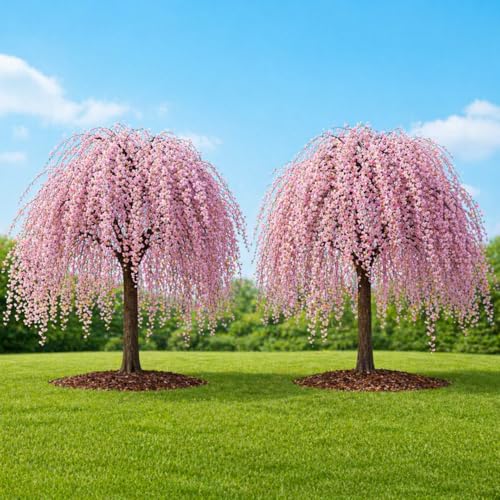
WHAT YOU WILL RECEIVE: 2 Cherry blossom tree live plant approximately 6 - 12 inches tall, prepared for transplanting into garden soil or outdoor containers

🌸 Grow Stunning Cherry Blossom Trees Enjoy breathtaking pink blossoms and create a beautiful spring landscape with vibrant ornamental cherry blossom trees.
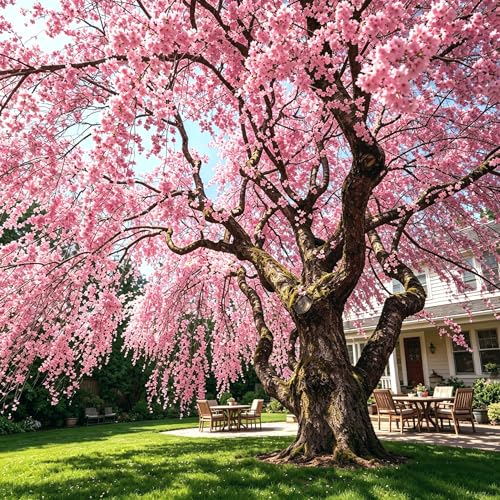
[Graceful Weeping Form with Early Spring Blooms] Grows 8-15 feet tall with cascading branches that create a flowing, fountain-like silhouette. Produces clusters of delicate flowers, covering bare branches before leaves emerge.
Understanding Cherry Blossom Varieties
Cherry blossom trees come in numerous varieties, each with unique characteristics and blooming patterns. Knowing these varieties helps you appreciate their beauty and understand their potential for fruit production.
Recommended Products

For sale is one Weeping Cherry tree that is approximately 6-12" tall and shipped in a 3" pot
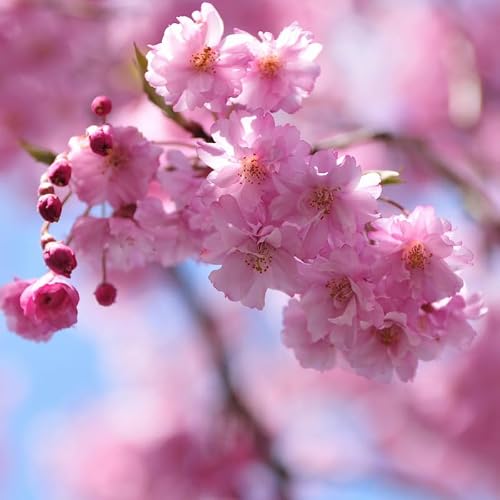
WHAT YOU WILL RECEIVE: Cherry blossom tree live plant approximately 6 - 12 inches tall, prepared for transplanting into garden soil or outdoor containers

[Lush Double Blooms in Mixed Shades] Produces clusters of fully double flowers with 10-30 petals per bloom. Flowers appear in a range of shades from soft pink to rich rose. Each branch becomes covered in cascading floral clusters.
Common Types of Cherry Blossom Trees
- Yoshino Cherry (Prunus x yedoensis)
Known for its stunning pale pink flowers, the Yoshino cherry thrives in various climates. It’s a popular choice for parks and streetscaping due to its impressive display in spring. - Weeping Cherry (Prunus serrulata ‘Pendula’)
The weeping cherry features cascading branches adorned with pink blossoms. This ornamental tree draws attention for its graceful shape and elegant blooms. - Kwanzan Cherry (Prunus serrulata ‘Kwanzan’)
The Kwanzan cherry boasts double pink flowers, creating a lush appearance during blooming. It’s often sought after for its vibrant color and robust growth. - Pink Flowering Cherry (Prunus campanulata)
Recognizable by its bright pink flowers, this cherry tree adds stunning color to landscapes. It thrives in warmer climates and blooms earlier than other varieties. - Marry’s Cherry (Prunus serrulata ‘Marry’)
This less common variety features unique foliage along with beautiful blossoms. It offers interest throughout the seasons, attracting admirers year-round.
- Yoshino Cherry: Blooms early, typically in March to April. Produces small inedible fruits.
- Weeping Cherry: Blooms in April, creates a dramatic effect with long drooping branches. Fruit is minimal and small.
- Kwanzan Cherry: Late bloomer, flowering around late April. Produces very small, hardly noticeable cherries.
- Pink Flowering Cherry: Blooms in February to March. Small fruit may appear, but it’s not palatable.
- Marry’s Cherry: Unique fall foliage color changes. Rarely produces fruit.
Understanding these varieties helps you choose the right cherry blossom tree for your garden or landscape. Each type adds distinct charm while enhancing the beauty of your surroundings.
Do Cherry Blossom Trees Bear Fruit?
Yes, cherry blossom trees can bear fruit, but not all species are cultivated for this purpose. Most ornamental varieties prioritize stunning blooms over fruit production. Among the few that do produce fruit, insights into the influencing factors and edibility are helpful for gardeners and enthusiasts.
Factors Affecting Fruit Production
- Species Type: Different cherry blossom species exhibit varied fruiting habits. For instance, Prunus avium is known for producing small cherries, while Yoshino cherry trees prioritize blossoms over fruit.
- Pollination: Effective pollination is crucial for fruit production. Without adequate cross-pollination, fruit set can be minimal. Planting multiple trees enhances pollination rates.
- Climate and Environment: Optimal growth conditions include well-drained soil and full sunlight. Stressful conditions such as pests or drought can hinder fruit development.
- Tree Age: Young cherry blossom trees typically don’t bear fruit until they mature. Patience is vital, as many varieties require years to produce.
- Pruning Practices: Proper pruning can encourage fruit set by allowing better airflow and sunlight penetration, contributing to more robust fruit production.
Edibility of Cherry Blossom Fruit
Cherry blossom fruit is not commonly consumed. Most varieties yield small cherries that lack the flavor of commercially available ones. While Prunus avium produces edible cherries, they often taste different than expected.
- Culinary Use: Some people use these small cherries in jams or desserts, but they are not a staple fruit.
- Food Safety: Always ensure the fruit comes from a chemical-free environment before consumption. Some ornamental varieties may have been treated with pesticides unsuitable for eating.
- Nutritional Value: Cherry fruits, while not as flavorful as cultivated counterparts, still offer vitamins and antioxidants known to support health.
Understanding the factors influencing fruit production and the nature of cherry blossom fruits enriches your gardening experience and helps appreciate these beautiful trees more deeply.
Cultural Significance of Cherry Blossoms
Cherry blossoms hold profound cultural significance, particularly in Japan. The annual hanami festival celebrates the transient beauty of these blooms. Families gather under blooming trees, enjoying picnics and appreciating nature’s fleeting moments.
Art and literature also reflect cherry blossoms. Poets often use them as symbols of renewal and the ephemeral nature of life. For instance, Japanese haiku frequently incorporate images of cherry blossoms to evoke emotions tied to change.
In addition to Japan, other cultures honor cherry blossoms. The Chinese regard them as symbols of love and female beauty. In Washington, D.C., cherry blossom trees, gifted by Japan in 1912, symbolize friendship between the two nations. Every spring, the National Cherry Blossom Festival attracts thousands, showcasing international goodwill and cultural exchange.
For those looking to celebrate this beauty, consider planning cherry blossom viewing parties. Invite friends, share stories, and enjoy the outdoors together. You’ll deepen your appreciation for these stunning trees while embracing cultural traditions.
Conclusion
Cherry blossom trees are truly a marvel of nature. While their stunning blooms steal the show most of the time, it’s fascinating to learn that some varieties can bear fruit. Even if the fruit isn’t as flavorful as what you might find in a grocery store it’s still a delightful aspect of these trees.
Whether you’re planting them for their beauty or simply to enjoy their cultural significance, cherry blossom trees offer so much more than just pretty flowers. Embrace the joy they bring and consider hosting a cherry blossom viewing party to celebrate their fleeting beauty with friends and family. You’ll create memories that last long after the petals fall.
Frequently Asked Questions
Do cherry blossom trees produce fruit?
Yes, some cherry blossom trees can produce fruit. However, most ornamental varieties prioritize their beautiful blooms over fruit production. The edible fruits, like those from Prunus avium, are small cherries that are generally less flavorful than commercial cherries.
What types of cherry blossom trees are there?
There are several types of cherry blossom trees, including Yoshino cherry, weeping cherry, Kwanzan cherry, pink flowering cherry, and Marry’s cherry. Each variety has unique characteristics, blooming patterns, and fruiting habits, making them suitable for different garden aesthetics.
What is the best soil for planting cherry blossom trees?
Cherry blossom trees thrive in well-drained soil that allows for good water drainage. Incorporating organic matter can improve soil structure, ensuring these trees receive adequate nutrients while avoiding waterlogged conditions.
How much sunlight do cherry blossom trees need?
Cherry blossom trees require full sunlight to grow properly. Ideally, they should receive at least six hours of direct sunlight each day to promote healthy growth and abundant flowering.
When do cherry blossom trees bloom?
Blooming periods for cherry blossom trees vary by species, typically occurring in early spring. For example, Yoshino cherries usually bloom around late March to early April, while Kwanzan cherries bloom slightly later, around mid to late April.
What cultural significance do cherry blossoms have?
Cherry blossoms symbolize beauty and the transient nature of life in many cultures. In Japan, they are celebrated during the hanami festival, where families gather to appreciate their fleeting beauty, while in the U.S., they symbolize friendship and cultural exchange.
Are cherry blossom fruits nutritious?
Yes, cherry fruits, though often less flavorful than cultivated varieties, are nutritious. They provide vitamins and antioxidants, making them a healthy addition to your diet, provided they come from a chemical-free environment.
