

Have you ever wondered why your fruit trees aren’t producing as much fruit as you’d hoped? One key factor could be the amount of sunlight they’re getting. Just like us, fruit trees thrive in the right conditions, and sunlight plays a crucial role in their growth and productivity.
Key Takeaways
- Sunlight Duration: Most fruit trees thrive in full sun, requiring at least 6-8 hours of direct sunlight daily, while some tolerate partial shade with 4-6 hours.
- Tree-Specific Needs: Different fruit tree varieties have unique sunlight requirements; research specific species to ensure proper care.
- Indicators of Insufficient Light: Look for signs such as leggy growth and poor fruit production, which may indicate that your trees aren’t receiving enough sunlight.
- Maximizing Exposure: Pruning, selecting ideal planting spots, and utilizing reflective surfaces can enhance sunlight exposure for trees.
- Climate Influence: Understand how your local climate zone affects sunlight needs; warmer regions generally require more light for healthy growth.
- Soil Quality: Healthy, well-draining soil plays a crucial role in helping fruit trees make the most of available sunlight for nutrient absorption.
Understanding Fruit Tree Light Requirements
Sunlight plays a crucial role in the health and productivity of fruit trees. Proper light exposure influences growth patterns, flowering, and fruit yield. Here’s what you need to know about fruit tree light requirements.
Sunlight Exposure
- Full Sun: Most fruit trees thrive in full sun, requiring at least 6-8 hours of direct sunlight each day. Examples include apple, cherry, and peach trees.
- Partial Shade: Some trees tolerate partial shade, needing 4-6 hours of sunlight daily. Examples include fig and certain varieties of plum trees.
Factors Affecting Sunlight Needs
- Tree Variety: Each fruit tree species has different light requirements. Research specific varieties to understand their needs.
- Location: Consider geographic location and seasonal changes. Trees in northern latitudes may need more light compared to those in southern areas.
Signs of Insufficient Light
If your fruit tree shows signs of stress, it may not be getting enough sunlight. Common indicators include:
- Leggy Growth: Long, thin branches with few leaves can signal light deficiency.
- Poor Fruit Production: Low yields or small fruit sizes often indicate inadequate sunlight.
Maximizing Sunlight Exposure
To ensure your fruit trees receive enough light:
- Prune Regularly: Remove dead or crossing branches to improve air circulation and light penetration.
- Choose the Right Spot: Plant trees in locations that avoid shading from buildings or taller plants.
- Utilize Reflective Surfaces: Position trees near reflective materials like walls or fences to enhance light exposure.
Understanding the light needs of your fruit trees enhances their growth potential and fruit production. Implement these tips and keep an eye on your trees for optimal results.
Types of Fruit Trees and Their Sun Exposure Needs
Understanding the sun exposure needs of different fruit trees helps you maximize their growth and fruit production. Below are the specific requirements for deciduous and evergreen fruit trees.
Recommended Products

2 Black Cherry Trees Live Plant, Sweet Cherry Plant Live Fruit Tree, Bareroots Dormant 1-1.5 Feet Height, Wild Black Cherry Tree Plant For Planting

Used Book in Good Condition

Deciduous Fruit Trees
Deciduous fruit trees thrive in full sun, requiring at least 6-8 hours of direct sunlight daily. This category includes apples, peaches, and plums. When planted in optimal conditions, these trees produce more fruit and develop stronger structures.
- Apple Trees: Enjoy full sun for best fruit development. Insufficient light may lead to smaller fruit and fewer blossoms.
- Peach Trees: Need ample sunlight to reach their full potential. Look for signs of weak growth as indicators of inadequate sun exposure.
- Plum Trees: Flourish with at least 6 hours of sunlight. They adapt well to various soil types but require proper sun placement.
Evergreen Fruit Trees
Evergreen fruit trees like citrus and loquat require slightly less sunlight than their deciduous counterparts. They thrive with about 4-6 hours of direct sun but appreciate more whenever possible.
- Citrus Trees: Prefer bright sunlight for healthy fruit. Limited light may cause fruit drop or reduced yields.
- Loquat Trees: Adapt well to partial shade. They can tolerate less sunlight, making them suitable for areas with different light conditions.
By selecting the right type of fruit tree and ensuring it receives adequate sunlight, you can foster a thriving garden full of delicious produce.
Factors Influencing Sunlight Needs
Sunlight needs for fruit trees vary based on several factors. Understanding these influences helps you ensure your trees thrive.
Recommended Products

Package Includes: Come with 24 pieces of fruit branch forms stronger branches. which can be used to pull the branches flat, and fruit trees can absorb sunlight, ventilation and fruitfulness.

Package Includes: 15 PCS Fruit tree branch pullers (5 pcs M-3.1 inches+5 pcs M-3.9 inches+5 pcs M-5.1 inches). Can pull lower the drooping angle of the tree branch. for orchards with apple trees spaced 1-2 meters and tree age 1-3 years, with a pruning angle of 110-135 degrees.

Package Includes: 15 PCS Fruit tree branch pullers (M-3.1 inches). Can pull lower the drooping angle of the tree branch. for orchards with apple trees spaced 1-2 meters and tree age 1-3 years, with a pruning angle of 110-135 degrees.
Climate Zone Considerations
Climate zones play a crucial role in determining sunlight needs. Certain zones receive more sunlight throughout the year, while others have cloudy or shorter days. For example, fruit trees in warmer regions like USDA Zone 9 enjoy longer growing seasons and typically require more sunlight. Conversely, trees in cooler climates, such as Zone 5, might do well with slightly less direct sun. Always check your local climate’s average sunlight hours to gauge the best varieties for your area.
Soil Quality and Composition
Soil quality affects how well fruit trees utilize available sunlight. Well-draining soil encourages healthier root systems, allowing trees to absorb more nutrients and moisture. For instance, sandy loam soil often provides a balance between drainage and nutrient retention, promoting stronger growth. On the other hand, heavy clay soil can restrict root growth, requiring more light for trees to thrive. Enhance your soil quality by adding organic matter, like compost, which can improve drainage and increase fertility.
Best Practices for Sunlight Exposure
Maximizing sunlight exposure for your fruit trees can significantly enhance their growth and fruit production. Following best practices ensures your trees thrive.
Recommended Products
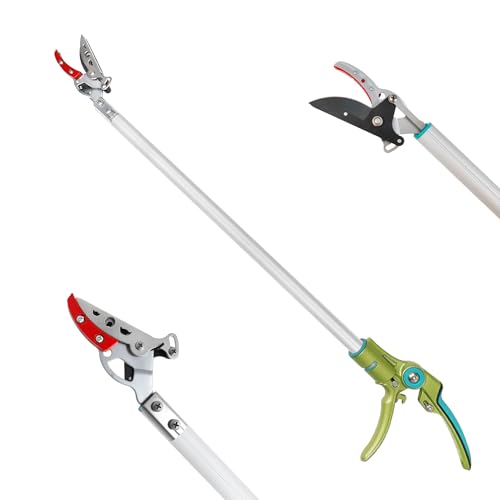
[REACH HIGH & STAY SAFE](No Ladder Required) Say goodbye to wobbly ladders! This 32inch long reach pole pruner offers an extra 30 inches of safe reach, allowing you to prune high branches or tall fruit trees while standing firmly on the ground. It’s the perfect extension tool for maintaining your backyard without the risk of falling.


UPGRAFE PROFESSIONAL GARDENING GRAFTING TOOLS: Professional grafting set, including 2 in 1 grafting pruning tools, 3 replaceable blades, a grafting knife, a pruning shears, a screwdriver, a wrench, 3 grafting films, and 45 colorful tag cards
Ideal Planting Locations
Choose planting locations that receive ample sunlight throughout the day. Look for areas that provide at least 6-8 hours of direct sunlight, especially for deciduous trees. Consider open spaces away from tall buildings or trees that might cast shadows. South-facing slopes often offer optimal sun exposure.
Consider the geographic specifics of your location. Warmer climates support fruit trees better in terms of sunlight than cooler regions. For instance, in USDA Zone 9, trees benefit from extended sunlight due to the warmth. If your space has limited direct sunlight, consider using reflective surfaces, such as light-colored walls or fences, to bounce sunlight onto your trees.
Pruning for Sunlight Access
Regular pruning improves light penetration and air circulation. Remove crossing branches and excess foliage to allow sunlight to reach inner parts of the tree. Aim to clear the center so sunlight can hit all areas, including lower branches.
Prune in the late winter or early spring before growth begins. This timing promotes healing and minimizes stress on the tree. Utilize sharp, clean tools, and follow proper cutting techniques to encourage healthy regrowth. Pruned trees often yield more fruit and have stronger structures, making them better equipped to handle weather conditions.
Conclusion
Getting the right amount of sunlight is essential for your fruit trees to flourish. By understanding their specific needs and selecting the right planting spots you can boost their growth and fruit production. Remember to keep an eye on signs of insufficient light and don’t hesitate to make adjustments like pruning or improving soil quality.
With a little care and attention your garden can thrive with healthy trees and bountiful harvests. Enjoy the journey of nurturing your fruit trees and savor the delicious fruits of your labor. Happy gardening!
Frequently Asked Questions
How much sunlight do fruit trees need?
Most fruit trees thrive in full sun, requiring at least 6-8 hours of direct sunlight daily for optimal growth and fruit production. Some varieties, like evergreen trees, may tolerate 4-6 hours of sunlight but perform better with more.
What are the signs of insufficient sunlight for fruit trees?
Signs of insufficient sunlight include leggy growth, sparse leaves, and poor fruit production. If your fruit trees are experiencing these issues, they may not be receiving enough light.
Does the type of soil affect sunlight utilization in fruit trees?
Yes, soil quality significantly impacts how well fruit trees utilize sunlight. Well-draining soil promotes healthier roots, allowing trees to make the most of available sunlight. Heavy clay soil can limit growth, requiring more light for the trees to thrive.
How do climate zones influence sunlight needs for fruit trees?
Climate zones determine sunlight availability, with warmer regions requiring more sunlight for fruit trees. For example, USDA Zone 9 typically offers more sun than cooler regions like Zone 5, affecting how much light trees need.
What are the best practices for maximizing sunlight exposure for fruit trees?
To maximize sunlight exposure, plant fruit trees in open spaces away from tall buildings or other trees. Regular pruning and using reflective surfaces can also improve light penetration and enhance growth and productivity.
