

Are your fruit trees looking a bit unruly? Winter is the perfect time to give them some much-needed attention. Pruning not only helps shape your trees but also promotes healthier growth and better fruit production come spring.
Key Takeaways
- Pruning Importance: Winter pruning is vital for encouraging healthier growth, increasing fruit production, and shaping fruit trees effectively.
- Tools Required: Essential pruning tools include pruning shears, loppers, saws, gardening knives, and safety gear, ensuring safe and efficient work.
- Step-by-Step Process: Assess the tree’s health, identify what to cut, and use the right tools to make clean, precise cuts. Focus on removing dead or diseased branches and thinning crowded areas for optimal growth.
- Common Mistakes: Avoid pruning at the wrong time, over-pruning, ignoring the tree’s natural shape, using dull tools, neglecting tool cleanliness, and skipping safety gear to protect both the trees and yourself.
- Long-Term Benefits: Regular winter pruning not only enhances the yield and quality of fruit but also promotes the longevity and strength of the tree’s structure.
Importance Of Pruning Fruit Trees In Winter
Pruning fruit trees in winter serves several essential purposes that benefit both the trees and their owners.
Encourages Healthier Growth
Pruning removes dead or diseased branches. Cutting these branches prevents the spread of diseases and pests, promoting healthier growth. Healthy trees produce better fruit.
Increases Fruit Production
Winter pruning leads to improved fruit yields during the growing season. Thinning out overcrowded areas allows more sunlight to reach the center of the tree. Increased sunlight exposure enhances the quality and quantity of the fruit.
Shapes Your Tree
Pruning helps shape your tree into a more manageable form. Properly shaped trees are easier to care for and harvest. The right shape improves air circulation, reducing the risk of fungal diseases.
Simplifies Maintenance
Winter is a good time to prune since trees are dormant. This period makes it easier to see their structure. Clear visibility helps you identify which branches need trimming.
Enhances Tree Longevity
Regular winter pruning extends the life of fruit trees. Strengthening the framework of the tree prevents breakage from heavy fruit loads. Longevity leads to years of productive harvests.
Supports Stronger Branches
Thinning weak branches allows stronger ones to support the fruit better. Exposure to sunlight and air circulation also strengthens the tree’s overall structure. Stronger branches lead to healthier production.
Overall, winter pruning significantly influences the health, yield, and longevity of your fruit trees. Each cut directly contributes to a more fruitful and resilient growing season.
Tools And Equipment Needed
Pruning fruit trees in winter requires specific tools to ensure effective and safe cutting. Having the right equipment makes this task easier and helps promote healthier trees.
Recommended Products
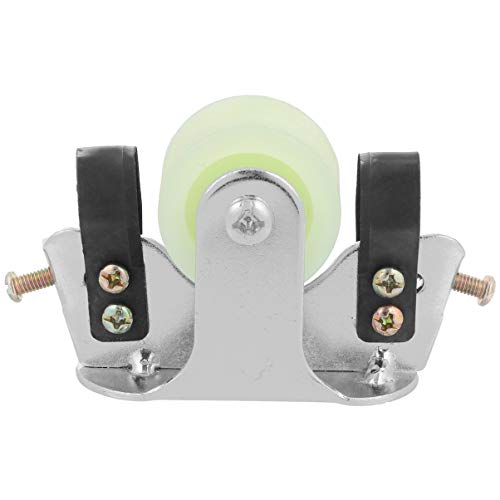
Core Girdling Action: This Girdling Cutter for Fruit Tree removes a ring of bark to help redirect nutrients upward after the wound heals, supporting flower bud formation and fruit set while giving growers a practical Peeling Pruning Tool for seasonal orchard care
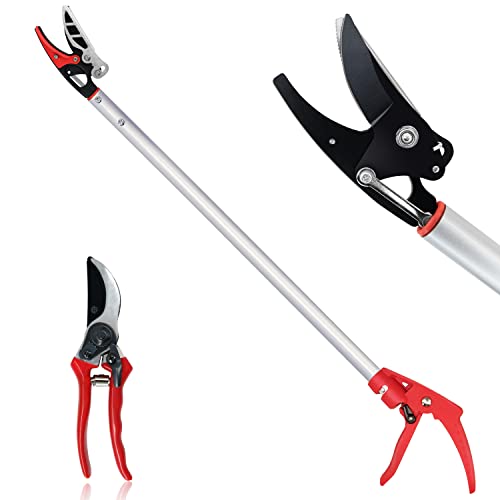
Long Handle Design: 32" handle length of the cut and hold pruners reduces back pain and stress, eliminating the need to bend over for trimming; It can also easily stretches to higher branches or thorns.

Essential Tools
- Pruning Shears: Use bypass pruners for clean cuts on smaller branches. They provide precision and reduce the risk of damaging the tree.
- Loppers: For larger branches, loppers offer extended reach and leverage. Choose those with a comfortable grip to prevent hand fatigue.
- Saw: A pruning saw or reciprocating saw works well for thicker branches. Ensure the blade is sharp for a smooth cut.
- Gardening Knife: A sharp gardening knife can assist in removing suckers and delicate growth.
- Pole Pruner: When reaching high branches, a pole pruner provides the needed length without climbing. Look for one with a lightweight frame.
- Gloves: Wear durable gloves to protect your hands from cuts and scrapes. Leather gloves offer good protection and grip.
- Safety Glasses: Use safety glasses to shield your eyes from falling debris while pruning.
- Helmet: For larger trees or those with dense canopies, consider wearing a helmet. This provides additional protection from falling branches.
- Sturdy Boots: Choose boots with good traction. This helps maintain stability while working on uneven ground.
Step-By-Step Guide On How To Prune A Fruit Tree In Winter
Pruning fruit trees in winter can boost health and fruit production. Follow these steps to prune effectively.
Recommended Products

IDEAL BRANCH TRIMMER: 28" Steel blade garden bypass lopper that glides through up to 1.5" thick branches for easy cuts; Works well for trimming tree branches to maintain your yard and garden, and to encourage overall plant health and appearance

Package Includes: Come with 24 pieces of fruit branch forms stronger branches. which can be used to pull the branches flat, and fruit trees can absorb sunlight, ventilation and fruitfulness.

Tree Branch Modelling Too: 15 Pcs 3.94in fruit tree branch puller suitible for 0.4in branch, can pull lower the drooping angle of the tree branch. for orchards with apple trees spaced 1-2 meters and tree age 1-3 years, with a pruning angle of 110-135 degrees.
Assessing The Tree’s Health
- Inspect the overall structure of the tree. Check for any signs of disease, such as discolored leaves or unusual growths.
- Look for damaged branches. Any branches that are broken or dead should be prioritized for removal.
- Evaluate the tree’s shape. A well-shaped tree promotes sunlight penetration and air circulation.
- Consider the age of the tree. Young trees benefit from shaping, while older trees need maintenance to sustain their health.
Identifying What To Cut
- Remove any dead or diseased branches. Cut these back to healthy wood to prevent disease spread.
- Trim crossing branches. Eliminate branches that rub against each other to avoid wounds.
- Thin out crowded areas. Focus on branches growing inward or overly clustered, allowing more light and air.
- Cut back excess growth. Aim to reduce vigorous branches that compete for nutrients.
- Use the right tools for each job. Bypass pruners work for small branches, while loppers take care of medium ones. Employ a pruning saw for larger limbs.
- Make clean cuts. Cut at a 45-degree angle, about 1/4 inch above a bud. This encourages healthy regrowth.
- Avoid leaving stubs. Stubs can attract pests and diseases, so trim back to the branch collar instead.
- Clean tools between cuts. This reduces the risk of transferring diseases from one part of the tree to another.
These steps will help you prune your fruit trees efficiently, promoting healthier growth and better yields come spring.
Common Mistakes To Avoid
Avoiding common pitfalls during winter pruning helps ensure the health and productivity of your fruit trees. Here are some mistakes to watch for:
- Pruning at the Wrong Time
Pruning too early in winter may expose branches to severe cold. Wait until late winter or early spring when the worst of the cold has passed. - Not Knowing Your Tree Type
Different fruit trees have specific needs. For example, stone fruit trees benefit from heavy pruning, while pome fruit trees need lighter cuts. Research your tree variety for the best results. - Over-Pruning
Cutting too much away shocks the tree and reduces fruit yield. Remove no more than 20-30% of the tree’s canopy to maintain health and production. - Ignoring the Shape
Pruning without considering the tree’s natural form leads to poor structure. Aim for an open center to allow light penetration and air circulation. - Using Dull Tools
Dull tools create jagged cuts that invite disease. Always use sharp pruners, loppers, and saws for clean cuts that promote healing. - Failing to Clean Tools
Neglecting to clean tools between cuts transfers diseases from one part of the tree to another. Wipe your tools with alcohol or a bleach solution to prevent contamination. - Neglecting Safety Gear
Skipping safety gear increases the risk of injury. Always wear gloves, safety glasses, and sturdy footwear for protection during pruning.
By avoiding these mistakes, you can promote healthier growth and better fruit production in your trees.
Conclusion
Pruning your fruit trees in winter is a rewarding task that sets the stage for a bountiful harvest. By taking the time to shape and care for your trees now you’re investing in their health and productivity for the seasons ahead.
With the right tools and techniques you can ensure your trees thrive and produce delicious fruit. Remember to keep safety in mind as you work and avoid common pitfalls to make the process smoother.
As spring approaches you’ll be glad you took the time to prune, and your trees will thank you with a vibrant display of growth and fruit. Enjoy the journey of nurturing your garden and watching your trees flourish!
Frequently Asked Questions
Why is winter pruning important for fruit trees?
Winter pruning is essential for fruit trees as it encourages healthier growth, improves fruit production, and removes dead or diseased branches. This practice allows more sunlight to reach the tree’s center, enhancing the quality and quantity of fruit in the spring.
What tools do I need for winter pruning?
For effective winter pruning, you’ll need bypass pruners for small branches, loppers for larger branches, a pruning saw for thick limbs, and a gardening knife for suckers. A pole pruner can also help reach high branches safely.
How do I prune a fruit tree in winter?
Start by assessing the tree’s health and structure. Remove dead or diseased branches, trim crossing branches, and thin crowded areas. Make clean cuts at a 45-degree angle and remember to clean your tools between cuts to prevent disease spread.
What common mistakes should I avoid when pruning?
Avoid pruning at the wrong time, using dull tools, over-pruning, and neglecting safety gear. Also, be aware of each tree type’s specific needs and try to maintain the tree’s natural shape for optimal health and productivity.
How does pruning extend the life of fruit trees?
Pruning strengthens the framework of fruit trees, supports healthier branches, and improves air circulation. This not only leads to better fruit production but also helps the tree resist pests, diseases, and environmental stressors, extending its life.
