Close Menu
    Fruit Tree Hub
    • Home
    • Apple Trees
    • Lemon Trees
    • Mango Trees
    • Orange Trees
    • More Trees
      • Best Fruit Trees
      • Apricot Trees
      • Cherry Trees
      • Fig Trees
      • Lime Trees
      • Mulberry Trees
      • Peach Trees
      • Pear Trees
      • Plum Trees
      • Pomegranate Trees
    • Tips and Advice
      • Tools
    • About Us
      • Contact
      • Privacy Policy
    Fruit Tree Hub
    Home»Tips and Advice»What Fruit Trees Grow in Ohio: Best Options for a Thriving Backyard Orchard
    Tips and Advice

    What Fruit Trees Grow in Ohio: Best Options for a Thriving Backyard Orchard

    Martha JacksonBy Martha JacksonOctober 30, 20249 Mins Read
    Share Facebook Twitter Pinterest WhatsApp Email
    Share
    Facebook Twitter LinkedIn Pinterest Telegram Email

    Are you dreaming of a backyard filled with fresh fruit? Growing your own fruit trees in Ohio can turn that dream into reality. With the right choices, you can enjoy homegrown apples, peaches, and cherries right from your yard.

    Contents show
    1 Key Takeaways
    2 Overview Of Fruit Trees In Ohio
    2.1 Common Fruit Trees In Ohio
    2.2 Best Practices For Growing Fruit Trees
    3 Common Fruit Trees In Ohio
    3.1 Apple Trees
    3.2 Peach Trees
    3.3 Cherry Trees
    4 Less Common Fruit Trees
    4.1 Pear Trees
    4.2 Plum Trees
    4.3 Fig Trees
    5 Best Practices For Growing Fruit Trees
    5.1 Soil Preparation
    5.2 Choosing the Right Location
    5.3 Watering Techniques
    5.4 Pruning Methods
    5.5 Fertilization Schedule
    5.6 Pest and Disease Management
    5.7 Mulching Practices
    5.8 Harvest Timing
    6 Conclusion
    7 Frequently Asked Questions
    7.1 What fruit trees grow best in Ohio?
    7.2 How much sun do fruit trees need in Ohio?
    7.3 What are the soil requirements for fruit trees in Ohio?
    7.4 How often should I water my fruit trees?
    7.5 How do I prune my fruit trees?
    7.6 Can I grow less common fruit trees in Ohio?
    7.7 What pests should I watch for on fruit trees?
    7.8 When is the best time to harvest fruit from my trees?

    Ohio’s climate offers unique opportunities for fruit cultivation, but knowing which trees thrive in your area is key. This article will guide you through the best fruit trees suited for Ohio’s diverse weather and soil conditions. By the end, you’ll have the knowledge to select the perfect trees for your garden, ensuring a bountiful harvest for years to come.

    Key Takeaways

    • Ideal Fruit Trees for Ohio: Common fruit trees include apples, cherries, peaches, pears, and plums. Each thrives in Ohio’s climate, provided they receive full sun and well-drained soil.
    • Soil and Sunlight Requirements: Most fruit trees prefer slightly acidic soil with good drainage and require at least six to eight hours of sunlight each day for optimal growth.
    • Regular Maintenance is Key: Regular watering, especially during dry spells, and annual pruning help support healthy growth and rich fruit production.
    • Monitor for Pests and Diseases: Keep an eye out for common pests such as aphids and treat any issues promptly using integrated pest management strategies.
    • Diverse Options for Gardeners: Less common fruit trees like figs and their unique flavors can add variety to your garden and thrive in Ohio’s climate with proper care.
    • Best Practices for Success: Implement soil preparation, proper watering techniques, and timely harvesting to maximize fruit yield and quality in your Ohio garden.
    MUST READ
    How to Put Fertilizer on Fruit Trees: Best Techniques for Maximizing Fruit Production

    Overview Of Fruit Trees In Ohio

    Ohio’s climate supports a variety of fruit trees, each thriving in specific conditions. Understanding these trees can help you select the best ones for your yard.

    Common Fruit Trees In Ohio

    1. Apple Trees
    • Apple trees grow well in Ohio’s cooler climate.
    • Varieties like McIntosh and Fuji perform particularly well.
    • Apples typically require full sun and well-drained soil.
    1. Cherry Trees
    • Sweet and sour cherry trees flourish in Ohio.
    • Popular choices include Bing and Montmorency.
    • They prefer sandy or loamy soil and enjoy full sun.
    1. Peach Trees
    • Peach trees adapt well to Ohio’s climate.
    • Varieties such as Redhaven are favorites among gardeners.
    • They thrive in well-drained soil and need six to eight hours of sunlight daily.
    1. Pear Trees
    • Pear trees, especially Bartlett and Bosc, are also suitable.
    • They require similar conditions as apple trees.
    • Well-draining soil and full sun enhance their growth.
    1. Plum Trees
    • Plum trees like Stanley and Damson are resilient in Ohio.
    • They enjoy slightly acidic, well-draining soil.
    • Full sun leads to better fruit production.

    Best Practices For Growing Fruit Trees

    • Soil Preparation

    • Test soil pH; most fruit trees prefer slightly acidic to neutral.
    • Amend soil with organic matter before planting.
    • Watering

    • Regular watering is essential, especially in the first few years.
    • A deep watering schedule encourages strong root development.
    • Pruning

    • Prune during dormancy for most fruit trees.
    • Remove dead or crossing branches to promote healthy growth.
    • Monitor trees regularly for pests and treat promptly.
    • Use integrated pest management strategies for a balanced approach.

    Choosing the right fruit trees for your Ohio garden contributes to a sustainable and fruitful landscape. By following these tips, you can enjoy fresh fruit while enhancing your outdoor space.

    Common Fruit Trees In Ohio

    Ohio’s climate supports a variety of fruit trees, perfect for backyard gardens. You can enjoy fresh, homegrown produce with the right choices.

    Recommended Products

    Black Cherry Tree Live Plant, 1 Year Old Sweet Cherry in Quart Pot, Hardy Fruit Shade Tree for Garden or Landscape
    Black Cherry Tree Live Plant, 1 Year Old Sweet Cherry in Quart Pot, Hardy Fruit Shade Tree for Garden or Landscape

    Ready to grow

    VIEW LATEST PRICE

    As an affiliate, we earn on qualifying purchases.

    Bonsai Peach Tree Seeds – 5 Large Seeds for Miniature Fruit-Bearing Trees – Easy to Grow, Hardy, Produces Sweet Peaches - Great for Beginner Bonsai - Ideal for Home Garden
    Bonsai Peach Tree Seeds – 5 Large Seeds for Miniature Fruit-Bearing Trees – Easy to Grow, Hardy, Produces Sweet Peaches - Great for Beginner Bonsai - Ideal for Home Garden

    BEGINNER-FRIENDLY & EASY TO GROW – Perfect for first-time bonsai growers, simple planting and care instructions

    VIEW LATEST PRICE

    As an affiliate, we earn on qualifying purchases.

    Cherry Tree Live Plant, Cherry Fruit Plant 3-4 Feet Tall in 3 Gallon, Sweet Fruit Tree, Cold Hardy for Outdoor Growing (Dark Red Cherry)
    Cherry Tree Live Plant, Cherry Fruit Plant 3-4 Feet Tall in 3 Gallon, Sweet Fruit Tree, Cold Hardy for Outdoor Growing (Dark Red Cherry)

    Prefers full sun for steady growth and development

    MUST READ
    Why Does My Lemon Tree Not Bear Fruit: Common Causes and Effective Solutions
    VIEW LATEST PRICE

    As an affiliate, we earn on qualifying purchases.

    Apple Trees

    Apple trees thrive in Ohio and come in many varieties, including Honeycrisp and Fuji. They prefer full sun, so plant them in a location that receives at least six hours of sunlight daily. Soil should be well-drained and slightly acidic. Regular watering, especially in dry spells, supports healthy growth and fruit production. Pruning in late winter encourages better air circulation and fruit quality. Keep an eye out for common pests like aphids and codling moths.

    Peach Trees

    Peach trees flourish in Ohio’s warm summers. Varieties like Red Haven and Elberta yield sweet, juicy fruit. Choose a sunny spot with well-drained soil to promote healthy root systems. Peaches require plenty of moisture, especially while the fruit is developing, so consistent watering is essential. Prune annually in late winter to shape the tree and remove dead branches. Watch for pests like peach tree borers and treat them promptly.

    Cherry Trees

    Cherry trees, such as Bing and Stella, grow well in Ohio, offering stunning blooms in spring and delicious fruit in summer. Select a spot that receives full sunlight and has rich, well-drained soil. Cherries need regular watering during dry periods. Thin the fruit if it clusters too tightly, ensuring larger, healthier cherries. Monitor for pests and diseases, particularly aphids and powdery mildew, and manage them effectively.

    Less Common Fruit Trees

    While common fruit trees thrive in Ohio, several less common varieties can flourish in the region. These trees offer unique flavors and can add diversity to your backyard garden.

    Recommended Products

    Apple, Plum & Pear Trees (3-Pack) – Dwarf Fruit Trees, Easy Grow Backyard Orchard Starter Kit (3 Pack - 1 of Each Tree)
    Apple, Plum & Pear Trees (3-Pack) – Dwarf Fruit Trees, Easy Grow Backyard Orchard Starter Kit (3 Pack - 1 of Each Tree)

    🌳 3-Pack Fruit Tree Bundle Includes live apple, plum, and pear trees—perfectly paired for a diverse and productive backyard orchard.

    VIEW LATEST PRICE

    As an affiliate, we earn on qualifying purchases.

    2 Sweet American Plum Tree Seedlings for Planting – Well-Rooted 1-Year-Old Trees (2), Easy-to-Grow Fruit Trees for Home Gardens, Backyard Orchards, and Fresh Plum Harvests
    2 Sweet American Plum Tree Seedlings for Planting – Well-Rooted 1-Year-Old Trees (2), Easy-to-Grow Fruit Trees for Home Gardens, Backyard Orchards, and Fresh Plum Harvests

    GROWING FACTS: Well-rooted 1-year-old seedlings are ready for immediate planting. They establish quickly in garden soil, giving you a head start compared to seeds and ensuring a faster path to harvest.

    VIEW LATEST PRICE

    As an affiliate, we earn on qualifying purchases.

    MUST READ
    How Big Do Patio Fruit Trees Grow and What to Know for Optimal Health and Production
    35+ Seed Common Pear Tree Fruit Seeds for Planting Outdoor-Non-GMO Heirloom Sweet Rare Pear Fruit Plant in Your Home Garden
    35+ Seed Common Pear Tree Fruit Seeds for Planting Outdoor-Non-GMO Heirloom Sweet Rare Pear Fruit Plant in Your Home Garden

    Light: Thrives in full sun for best fruit production.

    VIEW LATEST PRICE

    As an affiliate, we earn on qualifying purchases.

    Pear Trees

    Pear trees perform well in Ohio’s climate. They prefer full sun and well-drained soil. Varieties like ‘Bartlett’ and ‘Bosc’ produce sweet, juicy fruits. When planting, space them about 15-20 feet apart to allow for proper growth. Regular pruning helps maintain shape and encourages fruit production. Protect trees from pests like codling moths with appropriate traps or sprays.

    Plum Trees

    Plum trees also adapt well to Ohio’s conditions. ‘Stanley’ and ‘Damson’ varieties are popular choices. These trees thrive in sunny locations and prefer slightly acidic soil. Space them 12-15 feet apart to avoid overcrowding. They require consistent watering, especially during dry spells. Ensure proper air circulation by pruning annually. Watch out for diseases like brown rot by keeping the area clear of fallen fruit.

    Fig Trees

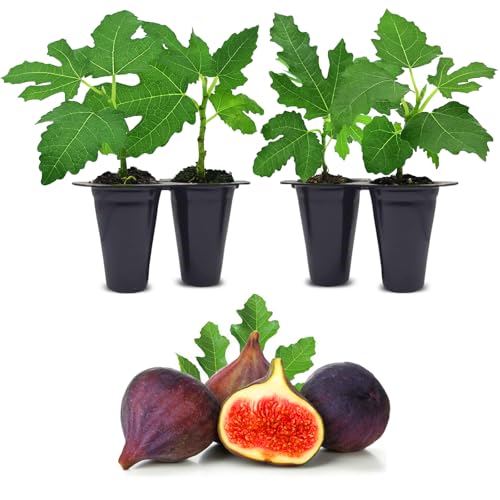
    Fig trees, though less common, can grow in Ohio with the right care. Varieties like ‘Brown Turkey’ and ‘Chicago Hardy’ withstand cold winters. They prefer full sun and well-drained soil. Plant them in a sheltered spot, as they thrive in warm environments. Ensure adequate moisture, especially in summer. Figs can be grown in containers, making them a versatile option. Protect them during winter with mulch or blankets to ensure survival.

    These less common fruit trees provide excellent opportunities for Ohio gardeners looking to diversify their fruit harvest.

    Best Practices For Growing Fruit Trees

    Recommended Products

    Soil pH Paper Test Kit – 100 Tester Strips (3.5-9 Range) – Use for Testing Garden Home Lawn Grass Vegetable Gardening Dirt Yard Compost Outdoor and Indoor Plants
    Soil pH Paper Test Kit – 100 Tester Strips (3.5-9 Range) – Use for Testing Garden Home Lawn Grass Vegetable Gardening Dirt Yard Compost Outdoor and Indoor Plants

    Accurate Soil pH Testing: Dewildetradingco Soil pH Test Strips offer measurements of soil pH levels (pH 3.5-9). As an essential tool for every gardener and grower, these test strips help determine the optimal pH for various plants, such as outdoor plants, indoor plants, gardens, grass lawns, fruit trees, flowers, vegetables, and forest shrubs.

    VIEW LATEST PRICE

    As an affiliate, we earn on qualifying purchases.

    MySoil Soil Test Kit, Unlock Your Lawn & Garden Potential, Complete & Accurate Nutrient and pH Analysis with Recommendations Tailored to Your Soil and Plant Needs
    MySoil Soil Test Kit, Unlock Your Lawn & Garden Potential, Complete & Accurate Nutrient and pH Analysis with Recommendations Tailored to Your Soil and Plant Needs

    KNOW BEFORE YOU GROW | Grow the healthiest, sustainable lawn and garden with the most accurate and easy to use professional soil test kit on the market

    MUST READ
    The Easiest Fruit Trees To Grow
    VIEW LATEST PRICE

    As an affiliate, we earn on qualifying purchases.

    SONKIR Soil pH Meter, MS02 3-in-1 Soil Moisture/Light/pH Tester Gardening Tool Kits for Plant Care, Great for Garden, Lawn, Farm, Indoor & Outdoor Use (Green)
    SONKIR Soil pH Meter, MS02 3-in-1 Soil Moisture/Light/pH Tester Gardening Tool Kits for Plant Care, Great for Garden, Lawn, Farm, Indoor & Outdoor Use (Green)

    Kindly NOTE: This soil tester can not be applied to test pH value of any other liquid. If the soil is too dry the indicator will not move, and water it before testing.

    VIEW LATEST PRICE

    As an affiliate, we earn on qualifying purchases.

    Soil Preparation

    Prepare soil before planting. Test the pH and nutrient levels. Aim for a pH between 6.0 and 7.0 for most fruit trees. Amend the soil with organic matter, such as compost, to improve drainage and fertility. Ensure it’s well-drained, as standing water can harm roots.

    Choosing the Right Location

    Select a sunny spot for planting. Most fruit trees thrive in full sun, receiving at least six to eight hours of sunlight daily. Avoid low-lying areas that collect frost. Plant in an area with good air circulation to help prevent disease.

    Watering Techniques

    Water consistently, especially during dry spells. Deep watering encourages strong root growth. Use a soaker hose or drip irrigation to deliver moisture directly to the roots. Avoid overhead watering, which can promote fungal diseases.

    Pruning Methods

    Prune trees annually to maintain shape and encourage air circulation. Focus on removing any dead, damaged, or crossing branches. For young trees, prune to shape; for established trees, thin the canopy for better light penetration.

    Fertilization Schedule

    Fertilize each spring with a balanced fertilizer. Apply according to package instructions based on the tree type. Avoid over-fertilizing, which can produce excessive foliage at the expense of fruit.

    Pest and Disease Management

    Monitor for pests like aphids and spider mites. Use organic pesticides when necessary. Implement integrated pest management (IPM) strategies, such as introducing beneficial insects. Regularly check for signs of disease, such as leaf spots, and act quickly.

    Mulching Practices

    Apply mulch around the base of trees to conserve moisture and suppress weeds. Use organic materials like wood chips or straw. Keep mulch a few inches away from the trunk to prevent rot.

    Harvest Timing

    Harvest fruits at peak ripeness for the best flavor. Different fruits have specific harvest times. For example, apples are ready when they easily lift from the tree. Berries should be fully colored and firm.

    By implementing these best practices, you can promote healthy growth and increase your fruit yield in Ohio’s diverse climate.

    MUST READ
    What Fruit Trees Are Safe for Dogs and How to Keep Your Pets Happy Outdoors

    Conclusion

    Growing fruit trees in Ohio can be a rewarding experience that brings fresh flavors right to your backyard. By choosing the right varieties and following best practices, you can enjoy a bountiful harvest year after year. Whether you opt for classic favorites like apples and peaches or try your hand at unique options like figs and plums, there’s a world of delicious possibilities waiting for you.

    With a little patience and care, you’ll not only enhance your garden but also create lasting memories with family and friends as you share the fruits of your labor. So grab your gardening gloves and get started on your fruitful journey today!

    Frequently Asked Questions

    What fruit trees grow best in Ohio?

    Apple, cherry, peach, pear, and plum trees are the best choices for Ohio. They thrive in the region’s specific climate and soil conditions, offering delicious fruit and beautiful blooms.

    How much sun do fruit trees need in Ohio?

    Most fruit trees, like apple and peach, require full sun, which means at least six hours of direct sunlight daily. Adequate sunlight is crucial for healthy growth and fruit production.

    What are the soil requirements for fruit trees in Ohio?

    Fruit trees generally prefer well-drained, slightly acidic soil. It’s essential to test the soil’s pH and nutrient levels and improve drainage with organic matter if needed.

    How often should I water my fruit trees?

    Fruit trees should receive consistent moisture, especially during dry spells. A general rule is to water them deeply once a week, adjusting based on rainfall and soil conditions.

    How do I prune my fruit trees?

    Pruning involves removing dead, diseased, or crossed branches. It’s best to prune in late winter or early spring before new growth begins, promoting better air circulation and fruit production.

    Can I grow less common fruit trees in Ohio?

    Yes! Marvellous options include pear, plum, and fig trees. Varieties such as ‘Bartlett’, ‘Stanley’, and ‘Brown Turkey’ can thrive in Ohio, adding diversity and unique flavors to your garden.

    What pests should I watch for on fruit trees?

    Common pests include aphids, spider mites, and fruit flies. Regular monitoring, proper fertilization, and maintaining tree health can help prevent infestations and manage pests effectively.

    When is the best time to harvest fruit from my trees?

    The optimal harvest time varies by type of fruit. Generally, harvest when the fruit is fully colored, firm, and slightly soft to the touch. Taste testing is the best way to ensure peak flavor.

    Share. Facebook Twitter Pinterest LinkedIn Tumblr Email
    martha jackson
    Martha Jackson

      Martha Jackson is an accomplished freelance writer and editor with a strong interest in gardening. With a degree in English from the University of California, Berkeley, Martha has over 15 years of experience writing for a variety of publications. She is passionate about making gardening accessible to all and is always seeking out new techniques and innovations.

      Related Posts

      How Long Until Avocado Trees Bear Fruit and Tips for Faster Growth at Home

      February 20, 2025

      What Yellow Fruit Grows on Trees and Their Delicious Health Benefits

      February 20, 2025

      How to Air Layer Fruit Trees: A Step-by-Step Guide for Successful Propagation

      February 20, 2025

      When Do Grapefruit Trees Produce Fruit and How to Maximize Your Harvest

      February 20, 2025

      What Is a Fast Growing Fruit Tree: Discover Quick-Yield Options for Your Garden

      February 20, 2025

      Do Cherry Blossom Trees Have Fruit? Discover the Truth About Their Edibility and Benefits

      February 20, 2025
      Leave A Reply Cancel Reply

      Affiliate Disclosure

      As an Amazon Associate I earn from qualifying purchases.

      Recommended Reading

      What Fruit Trees Can Grow In New Jersey

      Distinguishing Male and Female Kiwi Plants: Keys to Boost Fruit Production

      Should I Wash Grapes in Vinegar? A Complete Guide to Clean and Safe Eating

      How to Keep Crows Out of Fruit Trees: Effective Strategies for Protecting Your Harvest

      Best Fruit Trees for Slopes in the Philippines: Growing Tips and Harvesting Guide

      How Often Should Fruit Trees Be Fertilized for Optimal Growth and Bountiful Harvests

      What Is the Fruit of the Tree of Life and Its Profound Symbolism Across Cultures

      How to Use Dr Earth Fruit Tree Fertilizer for Healthy Growth and Bountiful Harvests

      Keeping a Nectarine Tree Small: Pruning and Growing Tips for Compact Growth

      Walnut Trees in a Pot in Dallas, TX: Surviving Summer Heat

      Fruit Tree Hub

      Fruit Tree Hub is a website dedicated to providing you everything you need to grow fruit trees successfully at in your own yard.

      Contact us at: [email protected]

      - AFFILIATE DISCLOSURE: As an Amazon Associate I earn from qualifying purchases.

      Latest Posts

      Growing Tamarind Trees in Minnesota (Cold-Hardy Growth Secrets)

      Growing Walnut Trees in a Pot in Utah (Successful Care Guide)

      Growing Orange Trees in Kansas (Wind and Heat Resilience)

      Growing Olive Trees in Louisiana: Humidity and Soil Tips

      Can Guava Trees Grow in New Mexico? High Desert Advice

      Nectarine Trees in a Pot in Washington: PNW Success Strategies

      How to Grow Guava Trees in San Jose, CA: Local Growth Guide

      Star Fruit Trees in Indianapolis, IN (Pro Secrets for Success)

      Categories
      • Almond Trees
      • Apple Trees
      • Apricot Trees
      • Best Fruit Trees
      • Blackberry
      • Cantaloupe
      • Cherry Trees
      • Crochet Ideas
      • Crochet Ideas for Beginners
      • Cucamelon
      • Easy Crochet Ideas
      • Easy Knitting Projects
      • Fig Trees
      • Grapefruit Trees
      • Grapes
      • Guava Trees
      • Honeydew
      • Jujube Trees
      • Kiwi
      • Knitting For Beginners
      • Knitting Ideas
      • Knitting Inspiration
      • Lemon Trees
      • Lime Trees
      • Loquat Trees
      • Mango Trees
      • Mulberry Trees
      • Nectarine Trees
      • Olive Trees
      • Orange Trees
      • Papaya Trees
      • Peach Trees
      • Pear Trees
      • Persimmon Trees
      • Planting
      • Plum Trees
      • Pomegranate Trees
      • Quince Trees
      • Raspberry
      • Reviews
      • Small Crochet Ideas
      • Star Fruit Trees
      • Summer Crochet Ideas
      • Tamarind Trees
      • Tangerine Trees
      • Tips and Advice
      • Tools
      • Uncategorized
      • Walnut Trees
      © 2026 Fruit Tree Hub
      • Home
      • About Us
      • Contact
      • Privacy Policy
      • Terms and Conditions
      • Disclaimer
      • Editorial Policy
      • Affiliate Disclosure

      Type above and press Enter to search. Press Esc to cancel.