

Have you ever wondered how long it takes for your orange tree to start producing fruit? If you’ve planted one in your backyard, you’re likely eager to enjoy those sweet, juicy oranges. It can be frustrating waiting for your tree to bear fruit, especially when you’re excited about the harvest.
In this article, you’ll learn what factors influence the time it takes for orange trees to mature and start producing. We’ll cover everything from the type of orange tree you’ve planted to the care it needs. By the end, you’ll have a clearer idea of what to expect and how to help your tree thrive, so you can enjoy fresh oranges sooner rather than later.
Key Takeaways
- Time to Bear Fruit: Orange trees typically start producing fruit between 2 to 5 years, depending on the variety; Blood oranges may bear fruit in as little as 2-3 years, while other types like Bergamot take longer (4-5 years).
- Variety Selection: Choosing the right type of orange tree (e.g., Navel, Valencia, Blood, Bergamot) is crucial for determining how quickly you can expect fruit production.
- Optimal Growing Conditions: Provide full sunlight (6-8 hours per day), well-draining sandy soil with a pH of 5.5-6.5, and regular watering to support healthy growth and faster fruit production.
- Impact of Care: Regular care practices, such as pruning in late winter/early spring and appropriate fertilization, significantly enhance the health and fruit yield of your orange tree.
- Climate Considerations: Understand that climate and weather, including temperature ranges and water availability, will affect growth timelines and fruit development; optimal temperatures are between 60°F to 85°F.
- Patience is Key: Younger trees may yield less fruit initially; nurturing your tree during its early stages supports more substantial harvests in later years.
Understanding Orange Trees
Orange trees thrive in various environments, making them popular choices for home gardeners. Knowing the types and ideal growing conditions helps ensure a successful harvest.
Types of Orange Trees
Various types of orange trees exist, each with unique characteristics and growth timelines.
- Navel Orange Trees: These are seedless, sweet oranges primarily consumed fresh. They start bearing fruit in 3-4 years.
- Valencia Orange Trees: Known for their juicy fruits, they’re ideal for juicing. They typically bear fruit in 3-4 years as well.
- Blood Orange Trees: These trees produce distinctive red-fleshed oranges. Expect fruit in 2-3 years with proper care.
- Bergamot Orange Trees: Famous for their fragrant skin, these require 4-5 years to begin fruiting.
Choosing the right type depends on your climate and intended use.
Ideal Growing Conditions
Optimal conditions promote healthy growth and fruit production for orange trees.
- Sunlight: Orange trees thrive in full sun, requiring at least 6-8 hours of direct light daily.
- Soil: Well-draining, sandy soil with a pH between 5.5 and 6.5 supports healthy root development.
- Watering: Regular watering promotes growth. Maintain consistent moisture, especially during dry spells.
- Fertilization: Use a balanced fertilizer specifically formulated for citrus trees. Apply it in early spring and again in summer.
Maintaining these conditions enhances your trees’ chances of producing fruit sooner and in greater quantities.
Factors Affecting Fruit Bearing
Several factors determine how long it takes for orange trees to bear fruit. Understanding these elements can help you anticipate your tree’s growth and fruit production.
Recommended Products

PACKAGE: The package includes 4Pcs plant covers,will meet your daily use or replacement. Measuring 31.5" x 47.3", the plant protector is waterproof, windproof.
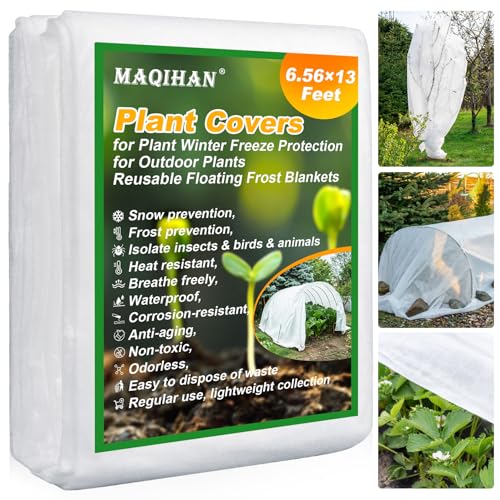
Product Features: Our plant covers are ideal for protecting all plant. Made from premium 1 oz/sq non-woven fabric, their durability and breathability ensuring both insulation against frost and facilitation of sunlight penetration for healthy plant growth

Agfabric plant covers are designed as a frost freeze protection,which is used to extend the growing season in cold winter and early spring wheather, allows 30%-50% light transmittance, resists harsh weather such as frost, wind, snow, hail.The heavy-weight FRCs is 1.5oz.
Tree Age
Tree age significantly influences fruit production. Generally, orange trees start bearing fruit between 3 to 5 years after planting, although some varieties may take longer. Younger trees may produce smaller quantities or less mature fruit. As your tree matures, its fruit yield typically increases. For example, a 5 to 10-year-old tree often provides a more substantial harvest than a newly planted one. Patience is essential, as nurturing your tree during its early years supports future production.
Climate and Weather Conditions
Climate and weather conditions heavily impact the fruit-bearing timeline of orange trees. These trees thrive in subtropical to tropical climates with warm temperatures and ample sunlight. Ideal temperatures range from 60°F to 85°F. Extreme cold can hinder growth and fruit development.
For instance, consistent frost or temperatures below 28°F can damage buds and delay fruiting. Furthermore, orange trees require well-drained soil and moderate watering. Excess rain or drought conditions can adversely affect tree health and fruit yield. Observing your local weather patterns and adjusting care routines accordingly helps promote optimal growth and a quicker harvest.
The Growth Timeline
Orange trees demonstrate a distinct growth timeline leading up to fruit production, which varies based on several factors.
Seedlings to Fruiting Trees
Seedlings require careful attention during their early stages. After planting, you’ll see the first signs of growth within a few weeks. Typically, orange trees begin to bear fruit between 3 to 5 years of age. During this period, it’s vital to provide ample sunlight, consistent watering, and appropriate fertilization. Trees may flower before they bear fruit, which serves as a good indicator of their readiness. You may notice blossoms that eventually develop into oranges.
Timeframe for Different Varieties
Different varieties of orange trees each have unique timelines for fruiting. Here’s a breakdown of some common types:
| Orange Tree Variety | Years to Fruit |
|---|---|
| Navel | 3 to 4 years |
| Valencia | 4 to 5 years |
| Blood | 3 to 5 years |
| Bergamot | 3 to 4 years |
For instance, the Navel orange tree often produces fruit earlier than the Valencia, which can take longer to mature. Keep in mind that climate and care practices also impact these timelines, influencing how soon you’ll enjoy your fresh oranges. Providing the right conditions enhances the growth process, leading to fruitful harvests.
Care and Maintenance
Caring for your orange tree ensures healthier growth and a fruitful harvest. Focus on pruning and fertilization to support optimal fruit production.
Recommended Products

DUAL CUTTING POWER: VERSATILE PRUNING COMBO --- With both Pruning Shears and Pruning Snip, this combo delivers unmatched versatility. Whether you're delicately trimming flowers and shrubs, tackling thicker tree branches, or tending to your vegetable and fruit garden, our combo pack excels in all areas. They're also perfect for landscaping projects and maintaining the health and appearance of indoor plants. With this pack, you have a versatile tool that simplifies your gardening tasks.

ULTRA SHARP - Much less effort to cut branches with our pruning shears. Crafted from premium SK5 steel with titanium coating, our garden scissors and garden clippers boast exceptional durability and sharpness. A perfect pruning shears for gardening and a must-have garden tool, hedge clippers pruners for gardening

AMBIDEXTROUS DESIGN: Pruner shape is designed for both right and left-handed use while pruning indoor & outdoor plants such as shrubs, ornamental trees, vines, & flowers like roses; SoftGrip handle reduces hand fatigue & enhances comfort and control
Pruning Techniques
Pruning promotes healthy growth and shapes your tree for better sunlight exposure. Follow these steps:
- Timing: Prune in late winter or early spring, before new growth appears.
- Tools: Use clean, sharp pruning shears to make precise cuts.
- Removal of Dead Branches: Cut away any dead, damaged, or diseased limbs to prevent infection.
- Opening the Canopy: Remove interior branches to improve air circulation and sunlight penetration.
- Shaping the Tree: Aim for a balanced, open shape. This helps in even exposure to sunlight and enhances fruit development.
Regular pruning helps maintain the health and productivity of your orange tree.
Fertilization Tips
Proper fertilization boosts tree health and improves fruit yield. Consider the following tips:
- Soil Testing: Test your soil beforehand to determine nutrient needs. This ensures balanced fertilization.
- Type of Fertilizer: Use a balanced fertilizer, such as a 10-10-10 blend, to provide essential nutrients. A slow-release formula is beneficial.
- Application Frequency: Fertilize every 6 to 8 weeks during the growing season, typically from spring through summer.
- Amount: Apply 1 pound of fertilizer per year of tree age, not exceeding 5 pounds for mature trees.
- Watering After Fertilization: Water the tree after fertilization to help nutrients penetrate the soil and reach the roots.
By following these fertilization tips, your orange tree can thrive and produce bountiful fruit.
Conclusion
Growing your own orange tree can be an exciting journey filled with anticipation. Remember that patience is key as you nurture your tree through its early years. With the right care and conditions you can enjoy the sweet reward of fresh oranges in just a few years.
Keep an eye on your tree’s needs and provide the support it requires. You’ll not only witness its growth but also create a beautiful addition to your garden. Before you know it you’ll be savoring the taste of homegrown oranges, a true testament to your dedication and care. Happy gardening!
Frequently Asked Questions
When do orange trees start producing fruit?
Orange trees typically start bearing fruit between 3 to 5 years after planting. The exact timeline depends on the type of orange tree and the care it receives.
What factors influence orange tree fruit production?
Several factors influence orange tree fruit production, including the variety of the tree, age, climate conditions, and proper care such as watering, sunlight, and fertilization.
How long does it take for different types of orange trees to bear fruit?
Navel orange trees usually produce fruit in 3 to 4 years, while Valencia orange trees may take 4 to 5 years. Other types, like Blood and Bergamot, can vary in their timelines.
What climate is best for orange trees?
Orange trees thrive in subtropical to tropical climates with temperatures between 60°F and 85°F. Avoid extreme weather conditions, such as frost or drought, as they can hinder growth and fruit development.
How should I care for my orange tree to improve fruit yield?
To enhance fruit yield, ensure your orange tree receives adequate sunlight, water, and nutrients. Regular pruning and the use of balanced fertilizers play a crucial role in promoting healthy growth.
