

Are you worried about your fruit tree buds freezing during those unexpected cold snaps? You’re not alone. Many gardeners face the same challenge each spring as temperatures fluctuate, putting their hard work at risk.
Key Takeaways
- Understanding Bud Health: Healthy fruit tree buds are crucial for successful fruiting; regular inspections can help identify potential issues early.
- Temperature Vulnerability: Buds are most at risk during late winter and early spring; temperatures below 28°F (-2°C) can cause severe damage, especially in early-blooming trees.
- Impact of Late Frosts: Late frosts pose significant risks to developing buds, necessitating protective measures like frost cloths or temporary structures.
- Mitigating Temperature Fluctuations: Implementing mulch around trees and monitoring weather changes can help shield buds from rapid temperature shifts.
- Effective Protection Techniques: Use frost cloths, heating systems, and proper irrigation strategies to maintain bud health and minimize freeze damage.
- Site Selection Matters: Planting in optimal locations with good sun exposure and drainage can reduce frost risk and support robust bud development.
Understanding Fruit Tree Buds
Fruit tree buds play a critical role in the growth and fruiting process. Healthy buds lead to fruitful harvests, while damaged buds can result in lower yields.
Importance of Bud Health
Bud health determines the overall vitality of your fruit trees. Strong, healthy buds develop into blossoms and ultimately fruits. Regular inspection of your buds helps you spot issues early. Look for signs of desiccation or discoloration. A healthy bud is firm, plump, and free of scars. Maintain proper soil nutrition and water levels to support robust bud development.
Vulnerability to Freezing Temperatures
Buds are particularly vulnerable during late winter and early spring. When temperatures dip unexpectedly, buds can suffer severe damage. Temperatures at or below 28°F (-2°C) can kill the delicate tissues within the buds. For instance, peach and cherry trees may blossom early, making them more susceptible. Understand the typical blooming periods for your fruit trees. Monitor weather forecasts closely and be prepared for cold snaps to protect your buds effectively.
Common Causes of Bud Freezing
Understanding the common causes of bud freezing helps you implement effective strategies for protecting your fruit trees. Two primary factors contribute to this issue: late frosts and temperature fluctuations.
Recommended Products

Extra Thick Tree and Plant Covers for Winter: Scrubits Frost Blankets for outdoor plants and Trees will ensure that your Trees and large plants not only survive the winter but thrive and grow to blossom. With its extra thick fabric and long-lasting material, you can be confident about next year's harvest.

The medium plant cover is perfect for Plant size 30''-39"high and 52''-62" round, Heavy-weight FRCs (1.77oz./sq. yard): usually used to extend the growing season in spring and fall, allow 40%-60% light transmittance, and recommend 3°-8°F of freeze protection

More Sizes Plant Jacket Covers Freeze Protection: The Garutom frost plant covers are available in three sizes 42" x 45", 48" x 72", 78" x 89", you can choose the size you need the most. For better plant freeze protection, we suggest you to choose a slightly larger cover
Late Frosts
Late frosts can occur in spring when temperatures drop unexpectedly after buds have started to develop. These frosts pose a significant risk to fruit tree buds, particularly when they bloom early due to unseasonably warm weather. For example, apple and cherry trees often blossom before the last frost date, making them vulnerable. Gardeners should monitor local frost dates and cover trees or use protective measures if a late frost is forecasted. Employing frost cloths or building temporary structures like cold frames can provide essential protection, minimizing harm to sensitive buds.
Temperature Fluctuations
Temperature fluctuations present another challenge for fruit trees. Rapid changes in temperature can confuse the growth cycles of buds, triggering premature development. For instance, a warm spell followed by a sudden drop in temperature can damage buds that weren’t prepared for the cold. To mitigate these fluctuations, consider mulching around the base of the tree to maintain consistent soil temperature. Use materials like straw or wood chips, which help insulate the roots. Additionally, keep a watchful eye on weather forecasts, adjusting your watering or protection strategies as needed to shield your trees from extreme temperature variations.
Prevention Techniques
You can take several effective steps to protect fruit tree buds from freezing. These techniques involve optimizing your garden’s environment and applying practical methods.
Recommended Products

Material: Our winter plant cover bags are made of burlap, which is breathable sturdy and durable

Sturdy Material, Porous and Breathable: our tree wrap is made of jute burlap material. It was light weight so it didn't hurt the plants and keeping them warm saved them from freezing, and dries faster than most wraps after it gets wet so the danger of rotting is broken

COMPLETE FROST PROTECTION: Plant covers freeze protection shields shrubs, fruit trees, potted plants and other cold-sensitive greenery from frost, snow, wind and chilly weather, helping provide dependable winter coverage
Site Selection and Microclimates
Choose your planting site carefully. Opt for areas that receive full sun and have good drainage. Slopes or elevated areas often retain less cold air, reducing frost risk. Observing your yard and identifying potential microclimates can help. For example, south-facing slopes warm up quicker than shaded areas, providing a safer home for sensitive buds.
Using Mulch and Ground Cover
Applying mulch around the base of your fruit trees helps maintain consistent soil temperatures. Use organic materials like straw or wood chips. Apply 2 to 4 inches of mulch, keeping it a few inches from the trunk. This practice retains moisture and provides insulation. Ground cover plants, like clover or creeping thyme, can also protect soil from freezing, reducing temperature fluctuations around the roots.
Implementing Windbreaks
Establish windbreaks to shield your trees from harsh, cold winds. Planting rows of shrubs or trees on the northern and western sides can reduce the wind’s effect. Choose dense, evergreen species as they provide year-round protection. You can also use temporary structures, like burlap fences, to block strong winds during critical frost periods. These barriers create a more stable environment for your budding fruit trees.
Protection Methods
Protecting fruit tree buds from freezing involves several effective techniques. These methods help ensure healthy buds and promote fruitful harvests.
Recommended Products
More Sizes Plant Jacket Covers Freeze Protection: The Garutom frost plant covers are available in five sizes 25" x 32", 30" x 39", 42" x 45", 48" x 72", 78" x 89", you can choose the size you need the most. For better plant freeze protection, we suggest you to choose a slightly larger cover

Extra Thick Tree and Plant Covers for Winter: Scrubits Frost Blankets for outdoor plants and Trees will make sure your Trees and large plants not only make it through the winter but thrive to grow in the next blossom. With its extra thick fabric and long-lasting material, you can be confident for next year's harvest.
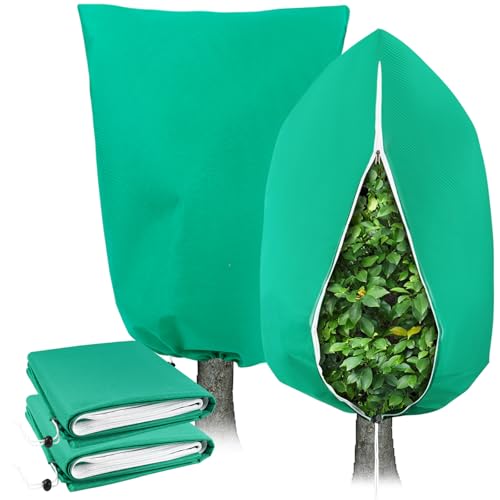
PLANT COVERS FREEZE PROTECTION FOR WINTER:You will receive 2 pack 47 * 72 inch frost blankets cloths for outdoor plants, designed specifically for outdoor plant protection, which can resist frost, snow, rain, wind, hail, animals, insects, birds, etc. Frost cloths for outdoor plants providing sufficient coverage space and is very suitable for shrubs, small trees, flowers, vegetables, etc
Frost Cloths and Covers
Frost cloths and covers provide an effective barrier against cold temperatures. You can place lightweight tarps or specialized frost cloths over your trees during frost events. These materials trap heat and create a protective layer. Ensure the cloth touches the ground for maximum insulation, and remove it once temperatures rise during the day. Additionally, avoid using plastic, as it can trap moisture and damage buds.
Heating Systems
Heating systems offer another method to safeguard your fruit trees. You might consider using portable heaters or heat lamps near your trees during cold snaps. For larger areas, implementing orchard heaters can help maintain a stable temperature. Keep in mind, positioning heaters several feet from the trees allows for even heat distribution. Monitor local weather forecasts to activate these systems in advance of predicted freezes.
Irrigation Strategies
Irrigation strategies can also minimize freeze damage. Watering your trees thoroughly a day or two before a frost helps by retaining heat in the soil. Continuous irrigation during a freeze can protect buds, as the process of water freezing releases heat. Employ drip irrigation systems or soaker hoses to ensure even moisture distribution without saturating the soil. Aim for consistent moisture levels, but avoid overwatering, which can lead to other issues.
Conclusion
Taking the right steps to protect your fruit tree buds can make all the difference in your harvest. By staying informed about local weather patterns and understanding your trees’ needs, you can minimize the risk of frost damage.
Implementing protective measures like mulching and using frost cloths will help create a stable environment for your budding trees. Don’t forget to keep an eye on soil moisture and consider using windbreaks to shield against harsh conditions.
With a little care and attention, you’ll be well on your way to enjoying a bountiful fruit harvest come summer. Happy gardening!
Frequently Asked Questions
What risks do fruit tree buds face during spring?
Fruit tree buds are at risk of freezing during unexpected cold snaps in spring. Fluctuating temperatures can damage delicate bud tissues, leading to lower fruit yields or no fruit at all, which poses a significant challenge for gardeners.
How can I tell if my fruit tree buds are healthy?
Healthy fruit tree buds are firm, plump, and show no signs of discoloration or desiccation. Regular inspection of buds is important to ensure they are not damaged before the blooming period arrives.
What are the common causes of bud freezing?
The primary causes of bud freezing include late frosts and temperature fluctuations. Late frosts can occur when temperatures unexpectedly drop after buds have begun developing, particularly affecting early bloomers like apple and cherry trees.
How can I protect my fruit trees from freezing buds?
To protect your fruit trees, monitor local frost dates, use frost cloths or temporary structures, and consider site selection for full sun and good drainage. Mulching and creating windbreaks can also help shield buds from harsh conditions.
What protective measures can I use during cold snaps?
Effective measures include using frost cloths, which trap heat, and avoiding plastic covers. Additionally, portable heaters can help maintain stability in temperatures, ensuring even heat distribution around the trees.
Why is soil moisture important before a frost?
Maintaining adequate soil moisture before a frost helps retain heat in the soil. This can protect buds by preventing them from freezing. Continuous irrigation during a freeze can also provide extra warmth as water releases heat when it freezes.
What materials are best for mulching around fruit trees?
Organic materials such as straw or wood chips are ideal for mulching around fruit trees. These materials help insulate the soil, maintaining consistent temperatures and protecting buds from cold snaps.
How can windbreaks help fruit trees?
Windbreaks, such as dense evergreen shrubs or trees, can shield fruit trees from harsh winds, reducing the chill factor and creating a more stable environment for budding. This is vital for protecting vulnerable buds from freezing temperatures.
