
Close Menu
    Fruit Tree Hub
    • Home
    • Apple Trees
    • Lemon Trees
    • Mango Trees
    • Orange Trees
    • More Trees
      • Best Fruit Trees
      • Apricot Trees
      • Cherry Trees
      • Fig Trees
      • Lime Trees
      • Mulberry Trees
      • Peach Trees
      • Pear Trees
      • Plum Trees
      • Pomegranate Trees
    • Tips and Advice
      • Tools
    • About Us
      • Contact
      • Privacy Policy
    Fruit Tree Hub
    Home»Planting»Growing Banana Trees in New Mexico: High Desert Success Tips
    Planting

    Growing Banana Trees in New Mexico: High Desert Success Tips

    Lucy SmithBy Lucy SmithSeptember 19, 20255 Mins Read
    Share Facebook Twitter Pinterest WhatsApp Email
    Share
    Facebook Twitter LinkedIn Pinterest Telegram Email

    Growing banana trees in New Mexico’s high desert can be challenging due to the region’s unique climate. However, with the right techniques and care, you can successfully cultivate these tropical plants. Understanding the specific needs of banana trees will significantly enhance your chances of a fruitful harvest.

    Contents show
    1 High Desert Climate Factors for Banana Trees
    2 Best Banana Varieties for New Mexico Climate
    3 Ideal Planting Site for Banana Trees
    4 Irrigation and Nutrient Strategies for Bananas
    5 High Desert Pest and Disease Management
    6 Winter Protection Strategies for Banana Trees
    7 Optimal Timing for Banana Harvesting
    8 High Desert Banana Cultivation Strategies

    High Desert Climate Factors for Banana Trees

    Growing banana trees in New Mexico presents unique challenges due to the high desert climate. Understanding the specific environmental factors, such as temperature fluctuations, soil conditions, and sunlight exposure, is essential for successfully cultivating these tropical plants in a region that is not typically conducive to their growth. This section explores the critical climate considerations for thriving banana trees in this arid environment.

    New Mexico’s high desert features extreme temperature fluctuations, with hot summers and cold winters. Banana trees thrive in warm, humid environments, making adaptation essential. Here are key climate factors to consider:

    • Temperature: Banana trees prefer temperatures between 75°F and 95°F.

    • Frost: Protect plants from frost, as temperatures below 32°F can damage them.

    • Sunlight: Full sun exposure is crucial for growth.

    Best Banana Varieties for New Mexico Climate

    Selecting the right banana varieties is crucial for successful cultivation in New Mexico’s unique climate. The high desert environment presents specific challenges, but certain banana types are better suited to thrive in these conditions. Understanding which varieties will flourish can significantly enhance your chances of a fruitful harvest.

    MUST READ
    Growing Almond Trees in Kansas City, MO: Regional Success

    Choosing the right banana tree variety is vital for success in New Mexico. Some varieties are better suited for cooler climates and shorter growing seasons. Consider these options:

    • Dwarf Cavendish: This variety is compact and can tolerate cooler temperatures.

    • Blue Java: Known for its cold tolerance and unique flavor, this variety thrives in varying conditions.

    • Rajapuri: A hardy variety that produces sweet fruit and withstands drought.

    VarietyHeightCold ToleranceFlavor Profile
    Dwarf Cavendish4-6 ftModerateSweet and creamy
    Blue Java8-10 ftHighVanilla-like flavor
    Rajapuri6-8 ftModerateSweet and aromatic

    Recommended Products

    Basjoo Banana Tree (4 Pack) Starter Palnt Plug Live Cold Hardy Banana
    Basjoo Banana Tree (4 Pack) Starter Palnt Plug Live Cold Hardy Banana

    CHOOSE YOUR FAVORITE BANANA VARIETY – Select from Grand Nain, Dwarf Cavendish, Double Mahoi, Curly Tiny, or Basjoo Banana plants. Each variety offers unique characteristics, from sweet edible fruit to striking ornamental foliage and cold-hardy landscape performance.

    VIEW LATEST PRICE

    As an affiliate, we earn on qualifying purchases.

    Dwarf Cavendish Banana Trees (4 Pack) Live Plant Plug Cold Hardy & Tropical
    Dwarf Cavendish Banana Trees (4 Pack) Live Plant Plug Cold Hardy & Tropical

    CHOOSE YOUR FAVORITE BANANA VARIETY – Select from Grand Nain, Dwarf Cavendish, Double Mahoi, Curly Tiny, or Basjoo Banana plants. Each variety offers unique characteristics, from sweet edible fruit to striking ornamental foliage and cold-hardy landscape performance.

    VIEW LATEST PRICE

    As an affiliate, we earn on qualifying purchases.

    Cold Hardy Palm Trees,Bananas and Tropical Plants for almost any Climate
    Cold Hardy Palm Trees,Bananas and Tropical Plants for almost any Climate
    VIEW LATEST PRICE

    As an affiliate, we earn on qualifying purchases.

    Ideal Planting Site for Banana Trees

    Choosing the right planting site is crucial for successfully growing banana trees in New Mexico’s high desert climate. Factors such as soil quality, sunlight exposure, and wind protection play significant roles in ensuring healthy growth and fruit production. Understanding these elements will help you create an optimal environment for your banana trees to thrive.

    MUST READ
    Growing Apple Trees in Milwaukee, WI: Growing Near Lake Michigan

    Creating an ideal planting site is essential for the growth of banana trees. Select a location that receives ample sunlight and has well-draining soil. Follow these steps:

    1. Choose a sunny spot with at least 6-8 hours of direct sunlight daily.

    2. Test soil pH; banana trees prefer a pH between 5.5 and 7.0.

    3. Amend soil with organic matter like compost to improve drainage and nutrient content.

    Irrigation and Nutrient Strategies for Bananas

    Effective irrigation and nutrient management are crucial for successfully growing banana trees in New Mexico’s high desert climate. Given the region’s unique challenges, understanding the specific water and nutrient needs of banana plants can significantly enhance their growth and productivity. This section explores tailored strategies to ensure your banana trees thrive in arid conditions.

    Proper watering and fertilizing are critical for healthy banana trees. These plants require consistent moisture and nutrients to thrive. Implement the following practices:

    • Water deeply once a week, adjusting frequency based on rainfall.

    • Use a balanced fertilizer every 4-6 weeks during the growing season.

    • Monitor for signs of nutrient deficiency, such as yellowing leaves or stunted growth.

    Recommended Products
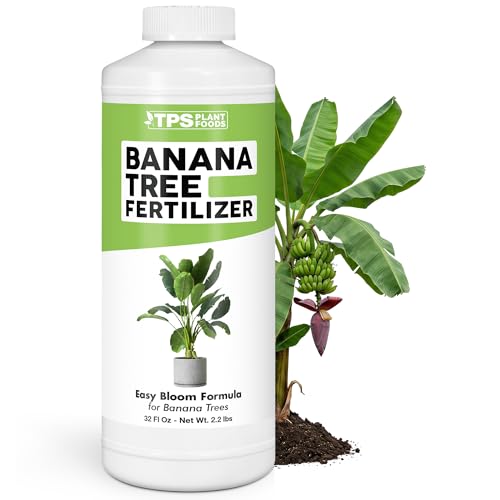
    Banana Tree Fertilizer, Liquid Plant Food for Healthy Growth, 32 oz | Indoor or Outdoor Use, For All Banana Tree Varieties, Helps Reduce Leaf Yellowing, Kelp-Enriched Formula, Easy Mix & Feed
    Banana Tree Fertilizer, Liquid Plant Food for Healthy Growth, 32 oz | Indoor or Outdoor Use, For All Banana Tree Varieties, Helps Reduce Leaf Yellowing, Kelp-Enriched Formula, Easy Mix & Feed

    Made for Banana Trees – Specially formulated banana fertilizer designed to support the nutrient needs of banana plants.

    VIEW LATEST PRICE

    As an affiliate, we earn on qualifying purchases.

    Banana Tree Fertilizer for Sweet, Flavorful Fruits, 16oz | HiThrive Liquid Plant Food, Promotes Lush Growth, Strong Roots, and Abundant Harvest, Makes 16 Gallons
    Banana Tree Fertilizer for Sweet, Flavorful Fruits, 16oz | HiThrive Liquid Plant Food, Promotes Lush Growth, Strong Roots, and Abundant Harvest, Makes 16 Gallons

    2X MORE VALUE: The 16 oz bottle of Banana Plant Fertilizer makes 16 gallons of banana fertilizer for fruit trees, while the bigger size 32 oz bottle makes 32 gallons for lasting care of your banana trees.
    MUST READ
    Best Fruit Trees for Omaha, NE: Midwestern Wind Protection
    VIEW LATEST PRICE

    As an affiliate, we earn on qualifying purchases.

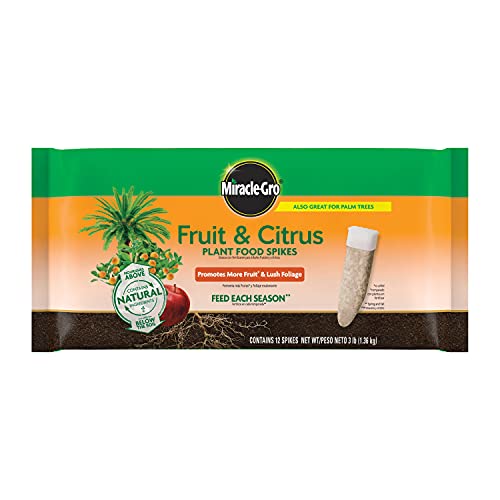
    Miracle-Gro Fruit & Citrus Plant Food Spikes, 12 Spikes, 3 lb. | 10-15-15 Easy-to-Use Nutrient Spikes for Fruit and Citrus Trees, Plant Fertilizer
    Miracle-Gro Fruit & Citrus Plant Food Spikes, 12 Spikes, 3 lb. | 10-15-15 Easy-to-Use Nutrient Spikes for Fruit and Citrus Trees, Plant Fertilizer

    FORMULATED FOR CITRUS AND FRUIT TREES: Use these citrus fertilizer spikes on apple, orange, lemon, lime, and avocado trees; this formula is also great for feeding palm trees

    VIEW LATEST PRICE

    As an affiliate, we earn on qualifying purchases.

    High Desert Pest and Disease Management

    Managing pests and diseases is crucial for successfully growing banana trees in New Mexico’s high desert environment. The unique climate conditions can lead to specific challenges that require tailored strategies. Understanding these threats and implementing effective management techniques will help ensure healthy, thriving banana plants.

    Pests and diseases can threaten banana tree health, especially in the high desert. Regular monitoring and preventive measures are essential. Focus on these common issues:

    • Spider mites: Use insecticidal soap or neem oil for control.

    • Fungal infections: Ensure good air circulation and avoid overhead watering.

    • Nematodes: Rotate crops and use resistant varieties to minimize damage.

    Pest/DiseaseSymptomsControl Method
    Spider mitesWebbing on leavesInsecticidal soap
    Fungal infectionsWilting and yellowing leavesImprove air circulation
    NematodesStunted growthCrop rotation

    Winter Protection Strategies for Banana Trees

    Winter in New Mexico can pose unique challenges for banana trees, especially in high desert climates where temperatures can drop significantly. Implementing effective protection strategies is crucial to ensure the health and longevity of these tropical plants during the colder months. This section explores practical methods to safeguard your banana trees from winter’s harsh conditions.

    MUST READ
    Apricot Trees in Las Vegas, NV: Desert Irrigation and Care

    Winter poses unique challenges for banana trees in New Mexico. Protecting them from cold temperatures is essential for survival. Follow these strategies:

    • Mulch around the base to insulate roots from freezing temperatures.

    • Cover plants with frost cloth during extreme cold snaps.

    • Consider bringing potted plants indoors if temperatures drop significantly.

    Recommended Products

    MIXC Plant Covers Freeze Protection, 47.2''×70.8'' Winter Cold Weather Frost Blankets Shrub Jacket with Drawstring Reusable Frost Protection Cloth for Outdoor Plants Fruit Tree Potted (2 Pack)
    MIXC Plant Covers Freeze Protection, 47.2''×70.8'' Winter Cold Weather Frost Blankets Shrub Jacket with Drawstring Reusable Frost Protection Cloth for Outdoor Plants Fruit Tree Potted (2 Pack)

    The Large plant cover is perfect for Plant size 55''-70"high and 84''-94" round, Heavy-weight FRCs (1.77oz./sq. yard): usually used to extend the growing season in spring and fall, allow 40%-60% light transmittance, and recommend 3°-8°F of freeze protection

    VIEW LATEST PRICE

    As an affiliate, we earn on qualifying purchases.

    Homimp Plant Covers Freeze Protection, 4 Pack Frost Covers with Zipper Drawstring (31.5" x 47.3") Plant Protection Cover Bags for Outdoor Winter Frost Cold Weather Shrubs Trees Jacket Covers(Green)
    Homimp Plant Covers Freeze Protection, 4 Pack Frost Covers with Zipper Drawstring (31.5" x 47.3") Plant Protection Cover Bags for Outdoor Winter Frost Cold Weather Shrubs Trees Jacket Covers(Green)

    PACKAGE: The package includes 4Pcs plant covers,will meet your daily use or replacement. Measuring 31.5" x 47.3", the plant protector is waterproof, windproof.

    VIEW LATEST PRICE

    As an affiliate, we earn on qualifying purchases.

    Plant Covers Freeze Protection with Drawstring and Zipper, 7.9x 6.6ft 2.5oz | Frost Blankets for Outdoor Plants, Reusable Winter Plant Protector Bag for Protect Trees Shrubs from Cold Frost
    Plant Covers Freeze Protection with Drawstring and Zipper, 7.9x 6.6ft 2.5oz | Frost Blankets for Outdoor Plants, Reusable Winter Plant Protector Bag for Protect Trees Shrubs from Cold Frost

    Protect Plants From Frostbite: 2.2 oz/sq yard non-woven fabric as the material of plant cover to protect your plant against freeze, frost and other cold weather during winter

    VIEW LATEST PRICE

    As an affiliate, we earn on qualifying purchases.

    MUST READ
    Avocado Trees in North Carolina: Piedmont and Mountain Success

    Optimal Timing for Banana Harvesting

    Understanding the optimal timing for harvesting banana trees is crucial for achieving the best flavor and quality, especially in the unique climate of New Mexico’s high desert. This section will explore the key indicators for determining when bananas are ready to be picked, ensuring a successful yield in this challenging environment.

    Once your banana trees mature, harvesting becomes a rewarding experience. Timing is crucial for optimal flavor and texture. Here’s how to determine when to harvest:

    • Look for yellowing fruit; this indicates ripeness.

    • Check for slight softness when gently pressed.

    • Cut the bunch with a sharp knife to avoid damage.

    Enjoying your homegrown bananas can be as simple as slicing them for breakfast or incorporating them into desserts.

    High Desert Banana Cultivation Strategies

    Growing banana trees in New Mexico requires attention to climate, variety selection, and care practices. Regular monitoring of soil, pests, and weather conditions will enhance your success. Stay proactive and adapt your methods as needed to enjoy a bountiful harvest.

    Share. Facebook Twitter Pinterest LinkedIn Tumblr Email
    lucy smith
    Lucy Smith
    • Website

    Lucy Smith is a highly experienced horticulturist with a passion for fruit tree cultivation. She holds a degree in Horticulture from the University of California, Davis, and has worked in various roles in the industry. With over 10 years of experience, Lucy is dedicated to using eco-friendly methods for sustainable gardening practices.

    Related Posts

    Can Olive Trees Grow in New Jersey? Garden State Growth Tips

    July 11, 2026

    Can Star Fruit Trees Grow in Missouri? Expert Variety Guide

    July 10, 2026

    How to Grow Jujube Trees in Las Vegas, NV: Desert Growth

    July 10, 2026

    Mango Trees in Illinois: Indoor and Greenhouse Growth Secrets

    July 10, 2026

    Growing Papaya Trees in Oklahoma: High Heat Resilience

    July 10, 2026

    Tamarind Trees in a Pot in Ohio (Complete Maintenance Manual)

    July 10, 2026
    Leave A Reply Cancel Reply

    Affiliate Disclosure

    As an Amazon Associate I earn from qualifying purchases.

    Recommended Reading

    Fruit Trees for Arkansas: Success Tips for Local Homeowners

    How to Prepare Fruit Trees for Winter: Essential Steps for Healthy Growth in Spring

    Orange Trees in a Pot in New Hampshire (Northern Potted Secrets)

    How to Spray Dormant Oil on Fruit Trees: A Step-by-Step Guide for Healthy Trees

    Can Chickens Have Honeydew Melon Seeds Safely? Expert Tips Inside

    The Best Fertilizers for Healthy Star Fruit Trees

    Can Tangerine Trees Grow in Massachusetts? 2026 Updated Guide

    Mango Trees in a Pot in Montana (Cold-Hardy Variety Selection)

    Can Apple Trees Grow in Kentucky? Bluegrass Region Success

    When Do Plum Trees Produce Fruit UK: A Complete Guide to Fruiting Timelines and Care

    Fruit Tree Hub

    Fruit Tree Hub is a website dedicated to providing you everything you need to grow fruit trees successfully at in your own yard.

    Contact us at: [email protected]

    - AFFILIATE DISCLOSURE: As an Amazon Associate I earn from qualifying purchases.

    Latest Posts

    18 Coastal Crochet Tops in White and Neutral Shades

    16 Retro Crochet Tops Built Around Multicolor Granny Squares

    16 Modest Crochet Tops Featuring Higher Necklines

    19 Cottagecore Crochet Tops With Square Necklines

    13 Ruffled Crochet Tops With Flared Hems

    19 Lace Crochet Tops Featuring Intricate Openwork

    14 Floral Crochet Tops Inspired by Botanical Motifs

    20 Boho Crochet Halter Tops for Festival Outfits

    Categories
    • Almond Trees
    • Apple Trees
    • Apricot Trees
    • Best Fruit Trees
    • Blackberry
    • Cantaloupe
    • Cherry Trees
    • Christmas Crochet Ideas
    • Crochet Bag Ideas
    • Crochet Blanket Ideas
    • Crochet Dress Ideas
    • Crochet Ideas
    • Crochet Ideas for Beginners
    • Crochet Top Ideas
    • Cucamelon
    • Easy Crochet Ideas
    • Easy Knitting Projects
    • Fall Crochet Ideas
    • Fig Trees
    • Grapefruit Trees
    • Grapes
    • Guava Trees
    • Halloween Crochet Ideas
    • Honeydew
    • Jujube Trees
    • Kiwi
    • Knitting For Beginners
    • Knitting Ideas
    • Knitting Inspiration
    • Lemon Trees
    • Lime Trees
    • Loquat Trees
    • Mango Trees
    • Mulberry Trees
    • Nectarine Trees
    • Olive Trees
    • Orange Trees
    • Papaya Trees
    • Peach Trees
    • Pear Trees
    • Persimmon Trees
    • Planting
    • Plum Trees
    • Pomegranate Trees
    • Quince Trees
    • Raspberry
    • Reviews
    • Small Crochet Ideas
    • Star Fruit Trees
    • Summer Crochet Ideas
    • Tamarind Trees
    • Tangerine Trees
    • Tips and Advice
    • Tools
    • Uncategorized
    • Walnut Trees
    • Winter Crochet Ideas
    © 2026 Fruit Tree Hub
    • Home
    • About Us
    • Contact
    • Privacy Policy
    • Terms and Conditions
    • Disclaimer
    • Editorial Policy
    • Affiliate Disclosure

    Type above and press Enter to search. Press Esc to cancel.