

Have you ever wondered why some fruit trees bear more fruit than others? The secret often lies in proper pruning. If you’ve got a tree that seems to struggle or produce less than you hoped, you might just need to give it a little trim.
Key Takeaways
- Understanding Pruning: Proper pruning is essential for healthier and more productive fruit trees, enhancing both fruit quality and yield.
- Timing is Crucial: Prune during the dormant season, usually late winter to early spring, for minimal stress on the trees. Certain varieties may also benefit from summer pruning.
- Signs of Pruning Needs: Look for dead branches, overcrowded growth, low fruit production, and excessive tree height as indicators that it’s time to prune.
- Effective Techniques: Utilize various pruning methods like heading back, thinning, and crown reduction to promote strong growth and improve fruit production.
- Tools of the Trade: Invest in quality pruning tools such as shears, loppers, and hand saws to ensure efficient and safe pruning practices.
- Avoid Common Mistakes: Steer clear of over-pruning and using improper techniques to maintain tree health and encourage optimal fruit yields.
Understanding Fruit Tree Pruning
Understanding the significance of pruning helps you achieve healthier and more productive fruit trees. Proper techniques can boost fruit quality and yield, making this process crucial for any aspiring gardener.
Importance of Pruning
Pruning removes dead, diseased, or damaged branches. By doing this, you increase airflow and sunlight penetration, leading to healthier growth. Reducing overcrowding promotes better fruit development. Additionally, shaping your tree encourages strong branch structure, which supports fruit-laden branches during harvest.
Benefits for Tree Health
Pruning enhances the overall health of your fruit trees. It prevents diseases by eliminating potential sources of infection. It also stimulates new growth by redirecting energy to healthy branches. Each cut encourages the tree to focus its resources where they’ll be most effective, ultimately leading to a fuller, more vibrant tree. For instance, regular trimming of apple and peach trees can yield more substantial fruit and reduce pest infestations.
When to Prune Fruit Trees
Pruning fruit trees at the right time ensures optimal growth and fruit production. Knowing when to prune sets the stage for healthier trees and more abundant yields.
Recommended Products
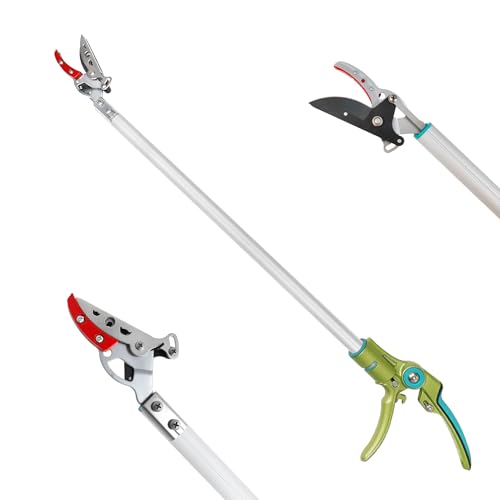
[REACH HIGH & STAY SAFE](No Ladder Required) Say goodbye to wobbly ladders! This 32inch long reach pole pruner offers an extra 30 inches of safe reach, allowing you to prune high branches or tall fruit trees while standing firmly on the ground. It’s the perfect extension tool for maintaining your backyard without the risk of falling.


Seasonal Considerations
Prune fruit trees during their dormant season, typically late winter to early spring. This timing helps minimize stress on the tree. For most varieties, aim for February or March. Avoid pruning during the growing season, as this can disrupt new growth and fruit set. However, some trees, like cherries and plums, benefit from summer pruning to control growth and improve fruit quality.
Signs of When to Prune
Look for specific signs that indicate it’s time to prune:
- Dead or Damaged Branches: Remove these branches anytime you spot them. They can harbor diseases and pests.
- Crowded Growth: If branches are crossing or overcrowding, prune to improve airflow and sunlight penetration.
- Low Fruit Production: If you notice fewer fruits, consider trimming to redirect energy to healthier branches.
- Excessive Height: If the tree grows too tall, prune to manage its height for easier harvesting and maintenance.
Regularly assessing your fruit trees for these signs keeps them healthy and productive.
Techniques for Pruning Fruit Trees
Pruning fruit trees involves various techniques that promote healthy growth and fruit production. Understanding these methods helps ensure effective pruning tailored to your specific trees.
Recommended Products
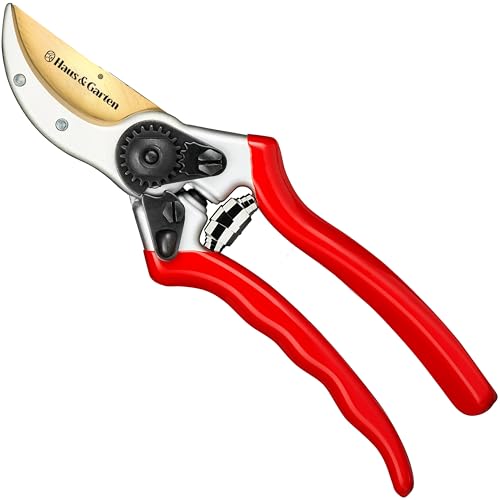
Sharp, Clean Cuts Every Time – Engineered from Japanese grade, high-carbon steel, ClassicPRO bypass pruning shears for gardening stay sharp and make precise cuts that encourage healthy growth and won’t damage your plants

Unbreakable sharpness! Japanese SK5 steel blade with titanium coating endures 100,000 cuts. Built for lifelong clean cuts
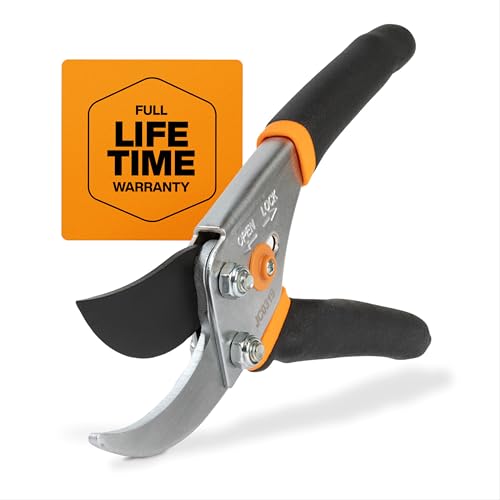
CLEAN CUTS FOR LIVE GROWTH: Bypass blade design is ideal for pruning delicate flower stems and green growth, helping reduce crushing and plant damage while cutting stems and small branches up to 5/8” in diameter
Basic Pruning Methods
- Heading Back: This method involves cutting back a branch to a bud or lateral branch. Heading back encourages bushier growth and allows you to shape the tree more easily. Use this technique on young trees to encourage branching.
- Thinning: Remove entire branches at their point of origin. Thinning opens up the canopy for better sunlight exposure and airflow. Apply this method to mature trees, especially if overcrowding occurs.
- Pinching: This technique consists of removing the growing tips of young shoots with your fingers. Pinching encourages stronger lateral growth and can help control the height of the tree.
- Crown Reduction: Utilizing this technique reduces the height and spread of a tree. Cut back limbs to a lateral branch to maintain the tree’s natural shape. Crown reduction helps balance energy distribution and encourages fruitful growth in remaining branches.
- Selective Pruning: Focus on removing specific branches based on their health and productivity. Target weak, diseased, or crossing branches to improve overall tree structure. This method fosters optimal growth conditions for stronger branches.
- Espalier: Creates a flat shape by training branches along a trellis or wall. This technique requires regular maintenance and can maximize space, especially in smaller gardens. Espaliered trees receive ample sunlight and are easier to harvest.
- Rejuvenation Pruning: Apply this technique to older, unproductive trees. Remove a significant portion of the tree to stimulate new growth. This method revives the tree’s health and improves fruit production but should be done gradually over several years for best results.
Use sharp, clean tools for all pruning methods to prevent infection. Always prune at an angle to prevent water accumulation on cuts. With these techniques, your fruit trees should thrive and yield increased fruit quality and quantity.
Tools Needed for Pruning
Proper pruning requires the right tools to ensure effective results and minimize stress on your fruit trees. Invest in quality equipment to make the process smoother and safer.
Essential Pruning Tools
- Pruning Shears: Ideal for cutting small branches (up to ¾ inch thick). Look for bypass shears for clean cuts, which help prevent disease.
- Loppers: Use loppers for branches between ¾ inch and 2 inches thick. They provide extra leverage and reach, making them perfect for higher cuts.
- Hand Saw: A hand saw is useful for larger branches exceeding 2 inches. Choose a sharp, flexible saw to ensure effective results.
- Pole Pruner: Equip yourself with a pole pruner for hard-to-reach areas. It combines a saw and pruner on a long pole, allowing you to trim branches without climbing.
- Garden Knife: A garden knife is handy for cleaning cuts and removing dead or damaged bark. It can also help with minor shaping.
- Gloves: Wear sturdy gloves to protect your hands from cuts and thorny branches. Choose durable materials to withstand wear and tear.
- Safety Glasses: Protect your eyes from debris when cutting. Safety glasses are essential, especially when using saws or loppers.
- Hat: A wide-brimmed hat offers shade when pruning outside. It keeps you comfortable during extended periods under the sun.
- Sturdy Shoes: Use closed-toe shoes with good grip to prevent slips and falls while working on uneven ground.
- First Aid Kit: Keep a basic first aid kit nearby to address any minor injuries. Having supplies like bandages can handle cuts or scrapes quickly.
Gathering the right tools and safety equipment sets you up for a productive and secure pruning experience.
Common Mistakes to Avoid
Pruning fruit trees effectively requires awareness of common mistakes. Avoiding these errors leads to healthier trees and improved fruit production.
Over-Pruning Issues
Over-pruning can harm your fruit trees. Removing too many branches at once may stress the tree and hinder growth. Limit pruning to 20-30% of the tree’s canopy in a single session. For example, if your apple tree has a dense canopy, focus on thinning branches rather than cutting them all back. Always assess the tree’s structure and only remove branches that are dead, diseased, or overcrowded.
Improper Techniques
Using incorrect pruning techniques can negatively impact tree health. Make clean, angled cuts to promote healing and reduce the risk of infection. Avoid leaving large stubs, which can lead to decay. Use loppers for thicker branches and pruning shears for smaller ones to ensure precision. Familiarize yourself with different methods, such as thinning or heading back, to apply the best technique based on your tree’s needs.
Conclusion
Pruning your fruit trees is a rewarding practice that can lead to healthier trees and bountiful harvests. By understanding the right techniques and timing, you’ll set your trees up for success. Remember to assess your trees regularly and look for signs that indicate when it’s time to trim.
With the right tools and a little care, you can create a thriving environment for your fruit trees. Avoid common mistakes and focus on maintaining a balanced approach to pruning. As you watch your trees flourish, you’ll appreciate the fruits of your labor—literally! Happy pruning!
Frequently Asked Questions
Why is pruning important for fruit trees?
Pruning is crucial for fruit trees as it enhances fruit production, improves tree health, increases airflow, and promotes better sunlight penetration. By removing dead or damaged branches, pruning encourages stronger growth, better fruit quality, and ultimately leads to a more productive tree.
When is the best time to prune fruit trees?
The ideal time to prune fruit trees is during their dormant season, typically between late winter and early spring, with February and March being optimal months. Some trees, like cherries and plums, may benefit from summer pruning to enhance growth and fruit quality.
What are the signs that a fruit tree needs pruning?
Signs that a fruit tree needs pruning include the presence of dead or damaged branches, overcrowded growth, low fruit production, and excessive height. Regularly assessing these signs helps maintain the tree’s health and productivity.
What are some common pruning techniques for fruit trees?
Common pruning techniques include heading back to promote bushier growth, thinning to open the canopy, pinching to control height, crown reduction to maintain shape, and selective pruning to target weak branches. Each technique serves a specific purpose in enhancing growth and fruit production.
What tools are needed for effective pruning?
Essential tools for effective pruning include pruning shears for small branches, loppers for medium-sized branches, hand saws for larger cuts, and pole pruners for hard-to-reach areas. Using sharp, clean tools ensures efficient and healthy pruning practices.
What mistakes should I avoid when pruning fruit trees?
Common mistakes to avoid include over-pruning, which can stress the tree, and making improper cuts. Limit pruning to 20-30% of the tree’s canopy at once and avoid leaving large stubs, as these can lead to decay and hinder growth.
