

Have you ever watched your beloved fruit trees struggle through a harsh freeze? It’s tough to see your hard work and care threatened by the cold. Whether you’re a seasoned gardener or just starting out, knowing how to protect your trees can save you from disappointment when spring rolls around.
In this article, you’ll discover practical strategies to shield your fruit trees from freezing temperatures. From simple coverings to strategic placement, these tips will help you keep your trees healthy and thriving. By taking a few proactive steps, you can ensure a bountiful harvest and enjoy the fruits of your labor for years to come.
Key Takeaways
- Understand Hard Freeze Risks: Recognize that hard freezes (temperatures below 28°F) can severely damage fruit trees, especially during vulnerable growth phases.
- Select Cold-Hardy Varieties: Choose fruit tree varieties appropriate for your climate zone to enhance resilience during cold weather.
- Implement Proper Planting Techniques: Ensure optimal planting to improve winter survival by choosing suitable locations, digging adequately sized holes, and applying mulch.
- Utilize Protective Measures: Employ strategies like mulching, covering trees with breathable materials, and using heat sources to shield your trees from freezing conditions.
- Assess and Prune Post-Freeze: After a hard freeze, inspect trees for damage and prune affected areas carefully to promote recovery and healthy growth.
Understanding Hard Freeze
Hard freezes pose significant risks to fruit trees, especially during critical growth phases. Recognizing the signs and understanding the conditions can help you safeguard your trees.
What Is a Hard Freeze?
A hard freeze occurs when temperatures drop below 28°F (-2°C) and persist for several hours or more. This condition can damage or kill tender plant tissues. Various factors influence the severity, including wind and humidity levels. A sudden drop in temperature, often during late fall or early spring, can catch gardeners off guard.
Signs of Hard Freeze in Fruit Trees
You can identify signs of a hard freeze in fruit trees through several indicators:
- Browning Leaves: Leaves may turn brown, indicating cell damage due to low temperatures.
- Wilting Flowers: Blossoms can wilt and drop prematurely, resulting in poor fruit set.
- Brown or Black Buds: Flower buds may appear brown or black instead of green, showing they’ve died back.
- Cracked Bark: Some tree bark may crack or peel as a response to extreme cold.
Look for these signs to assess damage and adjust your protection strategies accordingly.
Preparation Before Winter
Preparing fruit trees for winter is essential for their survival. Taking the right steps now helps ensure your trees withstand hard freezes.
Selecting the Right Tree Varieties
Choosing suitable tree varieties makes a significant difference in winter survival. Select cold-hardy varieties suited for your climate zone. For instance, Honeycrisp apples thrive in USDA zones 3-7, while Red Haven peaches prefer zones 5-8. Consult local nurseries for best-suited options based on your region.
Proper Planting Techniques
Planting techniques impact a tree’s ability to endure winter. Follow these steps for optimal planting:
- Choose the Right Location: Pick a spot with good drainage and access to sunlight, ideally away from cold winds.
- Dig a Proper Hole: Dig a hole twice as wide as the root ball and equally deep. This allows roots to spread and establish.
- Plant at the Right Depth: Plant the tree at the same depth it sat in the nursery. This prevents crown rot and promotes healthy growth.
- Water Thoroughly: Water the tree well after planting to help establish roots. Keep the soil moist, but avoid waterlogging.
- Apply Mulch: Cover the area around the base with 2-4 inches of organic mulch. This retains moisture and insulates roots during winter.
By selecting the right varieties and implementing proper planting techniques, you enhance your fruit trees’ chances of surviving harsh winter conditions.
Protective Measures for Hard Freeze
Protecting fruit trees from a hard freeze involves several effective strategies. Implementing these measures can significantly increase your trees’ chances of survival during frigid conditions.
Recommended Products

Comprehensive Winter Protection for Your Garden: Our outdoor plant covers provide complete freeze protection for strawberries, vegetables, tomatoes, fruit trees, citrus plants, shrubs, and potted plants throughout the winter. This frost cloth plant freeze protection shields delicate plants from sudden temperature drops, frost, and strong winds, ensuring they survive harsh winter conditions. Ideal for those looking for frost blankets for outdoor plants and reliable plant freeze protection covers.

More Larger Sizes Rectangular Plant Covers Freeze Protection: The Garutom frost plant covers are available in three sizes (8 ft x 24 ft, 10 ft x 33 ft, 10 ft x 50 ft), you can choose the size you need most. The plant blanket can be easily cut with scissors to fit over whatever you want

Comprehensive Winter Protection for Your Garden: Our outdoor plant covers provide complete freeze protection for strawberries, vegetables, tomatoes, fruit trees, citrus plants, shrubs, and potted plants throughout the winter. This frost cloth plant freeze protection shields delicate plants from sudden temperature drops, frost, and strong winds, ensuring they survive harsh winter conditions. Ideal for those looking for frost blankets for outdoor plants and reliable plant freeze protection covers.
Mulching
Mulching maintains soil temperature and moisture levels. Use organic materials like straw, wood chips, or shredded leaves. Apply a 2-4 inch layer around the base of each tree, extending to the drip line. This layer insulates roots and promotes healthier growth. Be sure to keep the mulch away from the trunk to prevent rot.
Covering Trees
Covering trees provides direct protection from frost. Utilize breathable materials like burlap or old sheets. Drape these over your trees, ensuring the covering reaches the ground. Secure the edges with stones or soil to prevent wind from displacing them. For smaller trees, use garden frost blankets or row covers. Remove the coverings once temperatures rise above freezing during the day to allow for sunlight exposure.
Using Heat Sources
Using heat sources can protect trees from extreme cold. Consider string lights with incandescent bulbs or specialized frost protection heaters. Place them near the base of the trees or within the branches. Ensure they are not in contact with the foliage to prevent burns. Monitor temperatures and provide heat as needed, especially during the coldest nights.
By using these protective measures, you enhance the likelihood of your fruit trees thriving despite harsh winter conditions.
Post-Freeze Care
After a hard freeze, taking immediate action is essential for your fruit trees’ recovery. Focus on assessing the damage and implementing the right pruning techniques to encourage healthy growth.
Recommended Products

Unbreakable sharpness! Japanese SK5 steel blade with titanium coating endures 100,000 cuts. Built for lifelong clean cuts
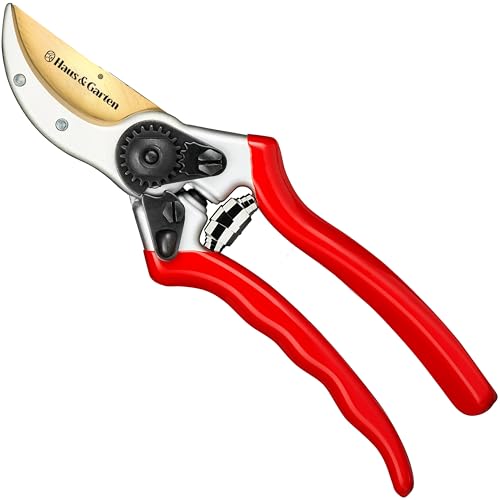
Sharp, Clean Cuts Every Time – Engineered from Japanese grade, high-carbon steel, ClassicPRO bypass pruning shears for gardening stay sharp and make precise cuts that encourage healthy growth and won’t damage your plants

DUAL CUTTING POWER: VERSATILE PRUNING COMBO --- With both Pruning Shears and Pruning Snip, this combo delivers unmatched versatility. Whether you're delicately trimming flowers and shrubs, tackling thicker tree branches, or tending to your vegetable and fruit garden, our combo pack excels in all areas. They're also perfect for landscaping projects and maintaining the health and appearance of indoor plants. With this pack, you have a versatile tool that simplifies your gardening tasks.
Assessing Damage
Start by inspecting your trees for signs of freeze damage. Look for the following indicators:
- Browning leaves: Check if leaves are wilted or discolored.
- Flower buds: Examine buds for browning or blackening.
- Bark: Look for cracks or lesions on the trunk and branches.
After identifying damaged areas, determine how extensive the damage is. Cut back only the severely affected branches if they show signs of life on healthier parts. This ensures the tree can redirect energy towards recovery.
Pruning and Restoration
Pruning is a crucial step in your post-freeze care routine. Follow these practical steps:
- Use sharp tools: Clean and sharpen your pruning shears to minimize stress on the tree.
- Make clean cuts: Trim back damaged branches just above a healthy bud or lateral branch.
- Avoid excessive pruning: Only remove what’s necessary to promote airflow and sunlight exposure.
Restoration may also involve supporting ongoing growth:
- Fertilize gently: Apply a balanced fertilizer to encourage recovery as the weather warms.
- Water properly: Maintain consistent moisture levels, especially during dry spells.
- Monitor for pests: Keep an eye out for insects and diseases that can exploit stressed trees.
With careful assessment and targeted pruning, you can help your fruit trees bounce back stronger from a hard freeze.
Conclusion
Taking the right steps to protect your fruit trees from hard freezes can make all the difference in your garden’s success. By preparing ahead of time and employing effective protective measures you can help ensure your trees survive even the harshest winters.
Don’t forget to assess any damage after a freeze and give your trees the care they need to recover. With a little effort and attention you can enjoy a bountiful harvest and the satisfaction of seeing your hard work pay off. Happy gardening and here’s to healthy trees in the seasons to come!
Frequently Asked Questions
What is a hard freeze and how does it affect fruit trees?
A hard freeze occurs when temperatures drop below 28°F (-2°C) for several hours. This poses risks to fruit trees, especially during key growth phases, leading to browning leaves, wilting flowers, and potential stem damage, which can hinder their health and productivity.
How can I protect my fruit trees from freezing temperatures?
To protect your fruit trees, consider using mulching, breathable coverings, and heat sources like string lights. Mulching retains soil temperature and moisture, while coverings shield against frost. Heat sources provide additional warmth during extreme cold and help prevent damage.
What are the signs of freeze damage in fruit trees?
Signs of freeze damage include browning leaves, wilting flowers, brown or black buds, and cracked bark. Recognizing these indicators is essential for assessing damage and adjusting your protection strategies effectively.
What preparations should I make for winter care of fruit trees?
Before winter, select cold-hardy varieties suited for your climate zone. Ensure proper planting by choosing well-drained, sunny locations, digging appropriately sized holes, and applying mulch. These steps enhance the chances of your fruit trees surviving harsh winter conditions.
How should I care for fruit trees after a hard freeze?
After a hard freeze, assess the damage by inspecting leaves, buds, and bark. Use targeted pruning techniques to encourage growth, such as making clean cuts and avoiding excessive pruning. Ensure proper watering, gentle fertilization, and pest monitoring to support recovery.
