

Have you ever wondered how to kickstart the growth of those tiny cucamelon seeds you’ve been itching to plant in your garden? Picture this: you’re excited about growing your own crisp, tangy cucamelons, but unsure where to start. That’s where we come in – with simple yet effective tips on germinating cucamelon seeds effortlessly.
In this article, we’ll guide you through the process of germinating cucamelon seeds step by step. No more guesswork or confusion; just clear instructions to help you nurture those seeds into thriving plants. Get ready to embark on a rewarding journey as you learn the secrets to successfully sprouting cucamelon seeds and kickstarting your home garden adventure.
Key Takeaways
- Cucamelons, also known as “Mexican sour gherkins,” are tiny fruits that resemble a miniature watermelon crossed with a cucumber, rich in vitamin C, antioxidants, and fiber.
- To successfully germinate cucamelon seeds, use well-draining soil rich in organic matter and choose containers with drainage holes to prevent waterlogging.
- Start with fresh cucamelon seeds by soaking them for 12-24 hours before planting about 1 inch deep in the soil kept consistently moist but not waterlogged.
- Maintain a warm environment of 70-80°F (21-27°C) for seed germination and provide adequate light exposure once sprouts emerge.
- Watch out for common issues like overwatering, underwatering, and temperature fluctuations during the germination process to ensure successful growth.
What Are Cucamelons?
Cucamelons, also known as “Mexican sour gherkins” or “Mouse Melons,” are tiny fruits that resemble a miniature watermelon crossed with a cucumber. These grape-sized fruits have a tangy, cucumber-like flavor with a hint of citrus, making them a unique addition to salads, pickles, or eaten on their own as a snack.
Origin and Characteristics
Cucamelons originate from Central America and Mexico and are part of the cucumber family. They grow on delicate vines and produce an abundance of fruit throughout the growing season. The plant’s foliage resembles that of common cucumbers but on a smaller scale, making it ideal for small gardens or containers.
Nutritional Benefits
Despite their small size, cucamelons pack a nutritional punch. They are rich in vitamin C, antioxidants, and fiber. Vitamin C boosts your immune system while antioxidants help combat free radicals in the body. Additionally, the fiber content aids digestion and promotes gut health. Incorporating cucamelons into your diet can be a flavorful way to enhance your overall nutrition intake.
Essential Supplies for Germination
When it comes to germinating cucamelon seeds successfully, having the right supplies is crucial. Here’s what you need to ensure a healthy start for your cucamelon plants:
Recommended Products

Miracle-Gro Indoor Potting Mix for Seed Starting grows stronger roots for seeding success (vs unfed when used as directed)

Includes Back to the Roots Compressed Seed Starting Potting Mix that expands to 12qt of soil. A balanced pH, which means it’s truly all-purpose. Use alone or as an amendment for anything in a pot or in the ground — vegetables, flowers, herbs, and even starting seeds.

NUTRIENT-RICH, NATURAL, AND ORGANIC SOIL: Grow a bountiful garden in your home with the Back to the Roots All-Purpose Natural and Organic Peat-Free 3-in-1 Seed Starting Mix, packed with the nutrients needed for your plants, flowers, and vegetables to thrive
Best Soil Type
For optimal growth and germination of cucamelon seeds, you’ll want to use well-draining soil that’s rich in organic matter. A mix of potting soil and compost works well. This combination provides the necessary nutrients for the seeds to sprout and develop into robust plants.
Suitable Containers
Choosing the right containers is essential for germinating cucamelon seeds. Opt for small seedling pots or trays that have drainage holes at the bottom to prevent waterlogging, which can lead to rotting of the seeds. Make sure the containers are clean and sterilized before planting to reduce the risk of diseases affecting your seedlings.
By selecting the best soil type and suitable containers, you set yourself up for success in germinating cucamelon seeds effectively. Remember, providing the ideal environment from the start can lead to healthy seedlings ready for transplanting into your garden or larger containers once they’ve grown stronger.
Step-by-Step Guide to Germinate Cucamelon Seeds
Starting with fresh cucamelon seeds is crucial for successful germination. Here’s how you can ensure the best results:
Recommended Products

12-LED GROW LIGHT PER TRAY — Each of the five seed starting trays features a full-spectrum grow light with 12 LED beads, providing supplemental light for indoor seedlings.

Pro Grow Lights with Advanced Chips: Equipped with 56 high-efficiency beads per tray, these LED strips simulate natural sunlight for optimal seedling growth. Adjustable brightness and timer functions let you customize lighting for every plant stage, promoting faster, healthier growth—perfect for herbs, flowers, and more

Graphene Seed Heat Mat for Faster Germination: Compared to traditional electric heating mats, our graphene heat mat heats up faster and more evenly, with a built-in timer for convenience. It creates the ideal environment for indoor seed starting trays, greenhouse seed germination, and hydroponic plant propagation. Designed for indoor gardening, this waterproof and reusable heat mat accelerates growth and improves seedling survival rates.
Preparing the Seeds
- Seed Selection: Pick plump, healthy cucamelon seeds for planting.
- Seed Treatment: Soak the seeds in water for 12-24 hours before sowing to soften their outer shell and promote quicker germination.
Sowing Technique
- Container Choice: Select small pots or seedling trays with drainage holes to prevent waterlogging.
- Soil Preparation: Fill containers with well-draining potting mix rich in organic matter.
- Planting Depth: Plant each seed about 1 inch deep in the soil.
- Moisture Level: Keep the soil consistently moist but not waterlogged by watering gently when needed.
- Temperature Control: Ensure a warm environment of around 70-80°F (21-27°C) for seed germination.
- Light Exposure: Place the containers in a sunny spot or under grow lights once sprouts emerge.
- Regular Monitoring: Check moisture levels daily and watch for signs of growth such as seedlings breaking through the soil.
Troubleshooting Common Issues
If you’re encountering problems while germinating cucamelon seeds, here are some common issues to watch out for:
Recommended Products

High Germination Rate: cucamelons seeds sprout in 10-14 days at 70 °F, Full sun, Start inside 4 weeks before last frost or outdoors in warm soil. Sow 1/4" deep, space 9-12" apart – perfect climbing cucumber seeds for patio or vegetable garden.

UNIQUE MINI FRUIT VARIETY - Cucamelon seeds grow grape sized fruits that look like tiny watermelons with a crisp cucumber flavor, fun to eat fresh pickle or add to salads
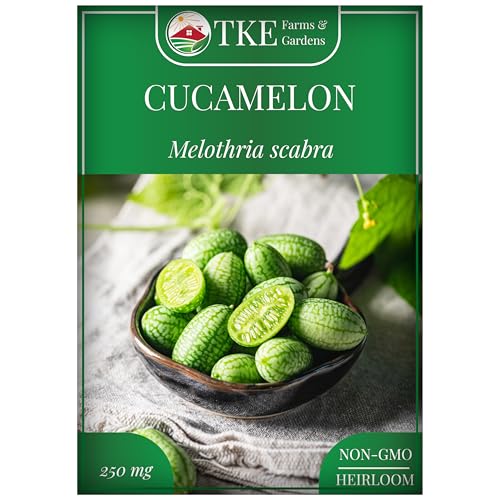
EASY TO GROW - INSTRUCTIONS INCLUDED: Perfect for both beginners and experienced gardeners, these cucamelon seeds are easy to grow. With straightforward instructions, you’ll cultivate a lush crop of bite-sized fruits—great for snacking straight off the vine or adding a twist to dishes.
Overwatering and Underwatering
Overwatering or underwatering can hinder seed germination. Ensure the soil is consistently moist but not waterlogged. Use a spray bottle to mist the soil lightly when needed rather than drenching it.
Temperature Fluctuations
Fluctuating temperatures can affect seed germination. Maintain a stable temperature around 70-75°F (21-24°C) for optimal results. Consider using a heat mat to regulate the temperature if necessary.
By addressing these common issues promptly, you can improve the success rate of your cucamelon seed germination process.
Conclusion
Now that you have all the essential tips and tricks for germinating cucamelon seeds, you’re well on your way to enjoying a bountiful harvest of these delightful mini fruits. Remember to provide the right conditions for your seeds to sprout, from fresh seeds and well-draining soil to proper moisture levels and warmth. By following these steps closely and being attentive to your growing cucamelons’ needs, you’ll soon be rewarded with a crop that not only tastes delicious but also packs a nutritional punch. Happy gardening!
Frequently Asked Questions
How do I germinate cucamelon seeds effectively?
To germinate cucamelon seeds, start with fresh seeds, soak them in water for 24 hours, plant them in well-draining soil in containers with drainage holes, keep the soil consistently moist but not waterlogged, maintain a warm environment around 70-80°F (21-27°C), and monitor growth progress closely.
What are the nutritional benefits of cucamelons?
Cucamelons are rich in vitamin C, antioxidants, and fiber. They offer a unique flavor resembling a mix of watermelon and cucumber.
Where do cucamelons originate from?
Cucamelons originate from Central America and Mexico.
Can cucamelons be grown in small gardens or containers?
Yes, cucamelons grow on delicate vines suitable for small gardens or containers.
