

Are you tired of store-bought cantaloupes that lack flavor and freshness? Picture this: you’re in your garden, surrounded by vibrant green vines, and the sweet aroma of perfectly ripe cantaloupes fills the air. Wouldn’t it be wonderful to pluck a juicy, sun-ripened fruit straight from your own backyard?
Key Takeaways
- Understanding Cantaloupe Basics: Know the key characteristics of cantaloupes and their soil and climate requirements for successful growth.
- Preparing for Planting: Choose high-quality seeds, start indoors before the last frost, and use proper planting techniques.
- Maintaining Cantaloupe Plants: Implement correct watering techniques and effective fertilization practices to nurture healthy plants.
- Protecting Against Pests and Diseases: Identify common pests like aphids and diseases like powdery mildew, and adopt strategies for prevention.
- Harvesting and Storing Cantaloupes: Harvest at the right time by observing key indicators, store properly in a cool, dry place, and consume within a few days for optimal freshness.
Understanding Cantaloupe Basics
Cantaloupes, also known as muskmelons, are sweet and juicy fruits that belong to the Cucurbitaceae family. They have a rough netted skin and vibrant orange flesh. Here’s what you need to know about cantaloupes to grow them successfully.
What Is a Cantaloupe?
A cantaloupe is a type of melon with a ribbed outer skin and sweet orange flesh. It’s rich in vitamins A and C, making it a nutritious choice for your diet. When ripe, cantaloupes emit a sweet aroma and can be enjoyed fresh or used in various recipes like fruit salads or smoothies.
Essential Climate and Soil Requirements
Cantaloupes thrive in warm climates with plenty of sunlight. They require well-draining soil with good fertility levels. Ensure the soil pH is around 6.0-6.5 for optimal growth. Adequate moisture is crucial during the growing season, but avoid waterlogged conditions as this can lead to root rot.
By understanding these basic aspects of cantaloupes, you’ll be better equipped to cultivate healthy and flavorful fruits in your own garden.
Preparing for Planting
When it comes to growing the best cantaloupes, proper preparation is key. Here’s what you need to do before planting your cantaloupe seeds:
Recommended Products

INDOOR SEED STARTING KIT: Complete growing set includes two 36-cell planting trays, one water reservoir tray, 72 super growing pellets, and a dome greenhouse cover. An easy and efficient way to start seeds indoors! Use to grow your favorite herbs, vegetables and flowers.

Graphene Seed Heat Mat for Faster Germination: Compared to traditional electric heating mats, our graphene heat mat heats up faster and more evenly, with a built-in timer for convenience. It creates the ideal environment for indoor seed starting trays, greenhouse seed germination, and hydroponic plant propagation. Designed for indoor gardening, this waterproof and reusable heat mat accelerates growth and improves seedling survival rates.
Choosing the Right Seeds
Select high-quality cantaloupe seeds from a reputable supplier or nursery. Look for varieties that are well-suited to your climate and growing conditions. Opt for disease-resistant seeds to ensure a healthy crop.
Seed Starting IndoastroGenetic Influence of Cantaloupe Growth
Start your cantaloupe seeds indoors about 2-4 weeks before the last frost date in your area. Use biodegradable pots or seed trays filled with a seed starting mix. Keep the soil consistently moist and provide warmth for germination.
By following these steps, you’ll set yourself up for success when it comes to planting and growing delicious cantaloupes in your garden.
Maintaining Cantaloupe Plants
When it comes to maintaining your cantaloupe plants, proper care is essential to ensure a bountiful harvest of delicious fruit. Here are some key tips to help you nurture your cantaloupe plants effectively.
Recommended Products

Precision Watering for Healthier Plants: This drip irrigation system kit make you easily customize your watering with 16 flexible bendable misting arms that bend to any angle or height. Deliver water exactly where it’s needed—roots, stems, leaves, or flowers—so every plant gets the care it deserves. Promote stronger growth while reducing overwatering and plant disease.
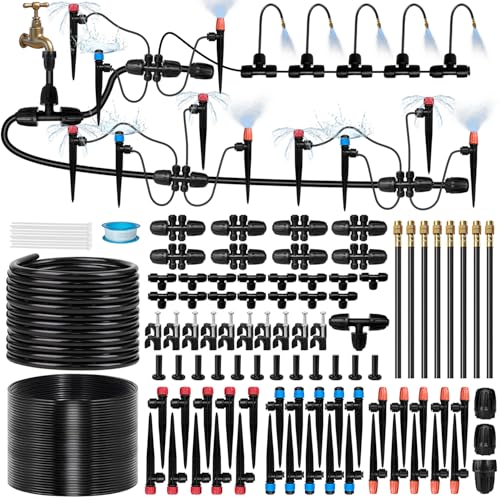
【Upgraded Tube Design & Water Saving】 Our garden watering system is upgraded to 1/2” diameter to support high water pressure. The 1/2” tee connector allows seamless splitting into 2 independent zones for customized watering schedules. By delivering moisture directly to root zones, this drip Irrigation system significantly reduces evaporation and runoff—saving more water compared to conventional sprinklers while eliminating the need for manual watering.

✔Comprehensive Drip Irrigation Kit:MIXC drip irrigation system, equipped with a versatile range of components, caters to all your garden watering needs.Includes essential parts such as 197ft 1/4'' irrigation tube, 33ft 1/2'' irrigation tube, 1/2‘’ Lock Barbed Tee connectors, drip emitter streams, vortex emitters, Blue Mist Nozzles, Quick connection tees, Faucet Connector, and more.
Watering Techniques
Watering your cantaloupe plants correctly is crucial for their growth and fruit development. Here’s how you can optimize your watering techniques:
- Consistent Moisture: Cantaloupes need consistent moisture, especially during the flowering and fruit-setting stages. Ensure the soil is evenly moist but not waterlogged.
- Deep Watering: When watering, aim to provide deep moisture to encourage root growth. Water at the base of the plant to avoid wetting the foliage, which can lead to disease.
- Morning Watering: It’s best to water your cantaloupe plants in the morning to allow excess moisture on leaves to dry off during the day, reducing the risk of fungal issues.
Fertilization and Nutrient Management
Proper fertilization is key to supplying essential nutrients for healthy cantaloupe plant growth. Follow these guidelines for effective fertilization and nutrient management:
- Soil Testing: Conduct a soil test before planting to determine its nutrient levels. Based on the results, choose a fertilizer high in potassium and phosphorus but low in nitrogen.
- Fertilizer Application: Apply fertilizer when planting, focusing on phosphorus-rich options like bone meal or rock phosphate. Side-dress with additional fertilizer as the plants grow.
- Organic Matter: Incorporate organic matter such as compost into the soil before planting. This helps improve soil structure and provides a slow release of nutrients.
By implementing proper watering techniques and adopting effective fertilization practices, you’ll be well-equipped to maintain healthy cantaloupe plants that yield flavorful fruits in your garden.
Protecting Against Pests and Diseases
Protecting your cantaloupe plants against pests and diseases is crucial for a successful harvest. Here are some essential strategies to help you maintain healthy plants:
Recommended Products

Package Contents: You'll receive 10 green melon cradles and 40 red melon hammock nets, designed to elevate melon fruits off the ground, avoiding contact with water soil while ensuring ample sunlight exposure, reducing fruit damage.

Requires full sun exposure for steady vine growth and fruit development
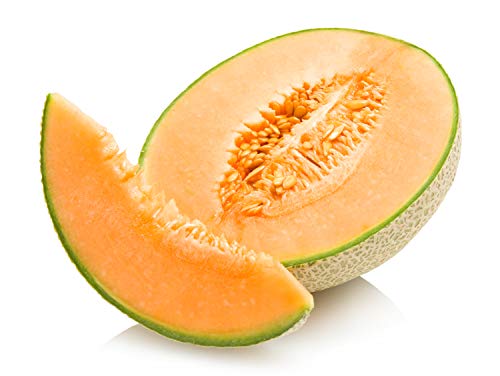
Premium non-gmo heirloom fruit seeds. Grown, harvested and packaged in the U.S.A.
Common Pests in Cantaloupe Cultivation
- Aphids: These small insects feed on plant juices, causing leaves to curl and yellow. To control aphids, introduce natural predators like ladybugs or use insecticidal soap.
- Spider Mites: These tiny pests suck sap from leaves, leading to stippling and webbing. Regularly spraying the undersides of leaves with water can help deter spider mites.
- Cutworms: These caterpillars cut through stems at soil level, causing plants to wilt and die. Place collars around seedlings or use biological controls like parasitic nematodes.
- Squash Bugs: These pests damage leaves by sucking sap, leading to wilting. Handpick squash bugs off plants or use insecticidal soap as a control measure.
- Powdery Mildew: This fungal disease appears as white powdery patches on leaves, affecting plant growth. Prevent powdery mildew by spacing plants properly for good air circulation.
- Fusarium Wilt: A soil-borne fungus that causes wilting of vines; select resistant varieties and avoid planting in the same spot year after year.
- Anthracnose: Identified by dark lesions on fruits; prevent anthracnose by avoiding overhead watering and providing adequate spacing between plants for better airflow.
Harvesting and Storing Cantaloupes
When and How to Harvest
Harvesting cantaloupes at the right time ensures optimal flavor and sweetness. You’ll know they’re ready when the stem starts to crack near the fruit, or the skin changes color from green to beige or yellow. To harvest, gently twist the melon off the vine; if it doesn’t come off easily, it may not be ripe yet.
Tips for Storing Cantaloupes
To keep your freshly harvested cantaloupes at their best, store them in a cool, dry place like a pantry or cellar. If you’ve already cut into a melon, wrap any leftover pieces tightly in plastic wrap and refrigerate them. Remember that whole cantaloupes can last longer than pre-cut ones; aim to consume within a few days for the best taste and texture.
Conclusion
Growing the best cantaloupes requires attention to detail and proper care throughout the plant’s lifecycle. By following the guidelines for ideal growing conditions, seed selection, maintenance tips, and pest management strategies outlined in this article, you can set yourself up for a successful harvest of delicious and juicy cantaloupes. Remember to keep an eye out for signs of ripeness when harvesting your melons, ensuring that they are at their peak flavor. Storing harvested cantaloupes correctly will help preserve their taste and texture for longer enjoyment. With dedication and these expert tips at your disposal, you’ll soon be savoring the sweet rewards of your labor in your own garden. Happy gardening!
Frequently Asked Questions
What are the ideal growing conditions for cantaloupes?
Cantaloupes thrive in warm climates with well-draining fertile soil and adequate moisture levels to support healthy growth.
How should I prepare for planting cantaloupes?
Select high-quality seeds and provide optimal germination conditions by planting them in nutrient-rich soil with proper spacing and sunlight exposure.
What are some tips for maintaining cantaloupe plants?
Focus on watering techniques, fertilization, and nutrient management strategies to ensure robust plant growth and fruit development.
How can I protect my cantaloupe plants from pests and diseases?
Combat common issues like aphids, spider mites, cutworms, squash bugs, powdery mildew, Fusarium wilt, and anthracnose through proactive measures like regular inspection and targeted treatments.
When is the right time to harvest cantaloupes?
Harvest cantaloupes when specific signs such as cracked stems or color changes in the skin indicate ripeness for optimal flavor and sweetness.
How should I store freshly harvested cantaloupes?
Maintain their flavor and texture by storing them in a cool, dry place. Refrigerate any leftover pieces if the melon has been cut into to preserve freshness.
