

Have you ever wondered why your lemon tree isn’t bearing fruit? You’re not alone. Many gardeners face this frustrating situation, eagerly waiting for those bright yellow lemons to appear but finding only leaves instead.
Key Takeaways
- Age Matters: Young lemon trees under three years typically focus on growth instead of fruit production; maturation around three to five years is critical for fruiting.
- Optimal Conditions: Lemon trees thrive in warm climates (70°F to 100°F) with well-draining soil (pH 5.5 to 6.5), adequate water, and at least eight hours of sunlight daily.
- Pest and Disease Management: Regularly check for pests (like aphids and spider mites) and diseases (such as citrus greening and root rot) to maintain healthy fruit production.
- Pollination Importance: Cross-pollination is essential; attract pollinators and consider hand pollination for better fruit set if bee activity is low.
- Nutrient Balance: Address potential nutrient deficiencies by using balanced fertilizers and conducting regular soil tests to promote vigorous growth and fruit quality.
- Consistent Care Practices: Implementing proper watering and soil management routines significantly enhances the likelihood of fruit development in your lemon tree.
Factors Affecting Lemon Tree Fruit Production
Several factors can impact the fruit production of your lemon tree. Understanding these elements helps ensure better yields.
Recommended Products

🛠️ RESCUE ROOTS FROM ROT, SHOCK & OVERWATERING Brown, mushy roots? Yellowing leaves? Soggy soil that never seems to dry? These are classic signs of root rot, transplant shock, or overwatering stress. Our Root Rot Repair formula targets the underlying damage, helping your plant recover quickly and rebuild stronger roots from the ground up.

Soil Conditioner Supports a healthy root-zone environment that reduces conditions associated with overwatering and poor soil drainage.

Made to Support Blossom End Rot Prevention – Formulated to help address calcium-related deficiencies in vegetables.
Age of the Lemon Tree
Age plays a crucial role in fruit production. Young lemon trees, typically under three years, often focus on establishing roots and foliage rather than producing fruit. Fruit production usually begins once the tree reaches maturity at around three to five years old. Ensure proper care and patience during this initial growing phase to encourage future bounty.
Optimal Growing Conditions
Optimal conditions significantly influence fruiting. Lemon trees thrive in warm climates, ideally between 70°F and 100°F (21°C to 38°C).
- Soil: Use well-draining soil with a pH of 5.5 to 6.5 for best results.
- Water: Water regularly, providing deep watering every one to two weeks, especially during dry spells.
- Sunlight: Ensure your tree receives at least eight hours of direct sunlight daily.
Creating and maintaining these ideal conditions promotes healthier, more fruitful lemon trees.
Pests and Diseases
Pests and diseases can hinder fruit production. Common pests include aphids, spider mites, and scale. Regularly inspect your tree for signs of infestation. Early detection allows for effective control methods.
Diseases, such as citrus greening and root rot, also threaten fruit development.
- Citrus Greening: Look for yellowing leaves and poor fruit quality.
- Root Rot: Ensure good drainage to prevent this condition.
Managing pests and diseases effectively leads to a healthier lemon tree, encouraging fruit production.
Signs That Your Lemon Tree May Bear Fruit
Identifying signs that your lemon tree may bear fruit can enhance your gardening experience. Look for the following indicators that fruit production is on the horizon.
Flowering Stage
During the flowering stage, your lemon tree produces fragrant blossoms. These flowers indicate that the tree is capable of setting fruit. Look for clusters of white or light pink flowers; healthy trees typically bloom in spring or early summer. If you notice a high number of flowers, it increases the likelihood of fruit formation. Pollination, either by bees or wind, is crucial here. You can encourage more blooms by ensuring your lemon tree gets adequate sunlight and nutrients.
Healthy Foliage
Healthy foliage is essential for a productive lemon tree. Leaves that are vibrant green and free from pests indicate that your tree is thriving. Robust leaves help the tree photosynthesize effectively, providing energy for fruit development. Monitor the leaves for any signs of distress, such as yellowing or wilting, which may signal underlying issues. Keeping the foliage clean from pests like aphids or spider mites supports growth. Regularly watering and fertilizing your tree boosts foliar health, ultimately promoting future fruit production.
Common Challenges in Lemon Tree Fruit Production
Lemon trees face several challenges that can hinder their ability to produce fruit effectively. Understanding these challenges can help you address them and encourage better fruit production.
Recommended Products

Made for Lemon & Citrus Trees – Formulated to support healthy growth in lemon and citrus plants.

Specially Formulated for Citrus & Fruit Trees & Shrubs: The 8-4-8 formula -- 8% Nitrogen; 4% Phosphorus; and 8% Potassium -- in these fertilizer plant food spikes was developed to meet the unique requirements of citrus, fruit, nut and berry trees and shrubs.

FOR USE ON: Use Citrus-tone organic fertilizer for all citrus trees, including lemon, lime, orange, Meyer Lemon Trees as well as for avocado & nut trees
Inadequate Pollination
Inadequate pollination often results in poor fruit set. Lemon trees benefit from cross-pollination, which involves transferring pollen from one flower to another. Factors like low bee activity or lack of nearby flowering plants can limit pollination success. To improve pollination rates, attract more pollinators to your garden by planting flowers like marigolds, lavender, or borage nearby. Hand pollination is another option. Gently brush a soft paintbrush or cotton swab over the flower’s stamens and stigma to manually transfer pollen.
Nutrient Deficiencies
Nutrient deficiencies can significantly impact lemon tree health and fruit production. Key nutrients include nitrogen, potassium, and magnesium. A lack of nitrogen may result in stunted growth, while insufficient potassium can lead to poor fruit quality. Regular soil testing helps identify nutrient deficiencies. Use a balanced fertilizer formulated for citrus trees, applying it according to the package instructions during the growing season. Supplementing with organic matter, like compost, will further enrich the soil and promote healthier growth.
Care Tips for Encouraging Fruit Production
To boost fruit production in your lemon tree, focus on providing optimal care. Several factors can enhance your tree’s ability to bear fruit effectively.
Recommended Products

Kindly NOTE: This soil tester can not be applied to test pH value of any other liquid. If the soil is too dry the indicator will not move, and water it before testing.

Accurate Soil Moisture Detection: The XLUX Soil Moisture Meter can tell you if the soil deep inside your pot or garden is dry, moist or wet; whereas your eyes and fingers can only determine the moisture level of the soil surface. The probe is 5.5 inches (14 cm) longer than regular styles, allowing it to measure the soil moisture at the bottom of larger and deeper flower pots.
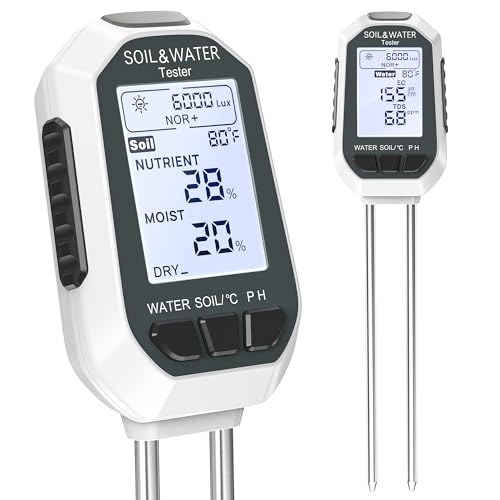
【7-in-1 Features】This is a 7-in-1 multi-function soil tester. Our soil tester quickly measures soil moisture, pH, temperature and light intensity, and its fertility function helps you take better care of your plants. With this device you can measure the soil moisture, pH, temperature and light intensity for your plants and with the EC and TDS functions you will know when it is time to water the soil.
Soil Requirements
Select well-draining soil for your lemon tree. Sandy or loamy soil works best, allowing excess water to flow away. Test your soil’s pH, aiming for a range between 5.5 and 6.5, as lemon trees thrive in slightly acidic conditions. Enriching the soil with organic matter, like compost or aged manure, can improve nutrient content and drainage.
Watering Practices
Establish a consistent watering routine to keep your lemon tree healthy. Water deeply but infrequently, allowing the top 2-3 inches of soil to dry out between watering sessions. This approach encourages deep root growth. During hotter months, your tree might require more frequent watering. Monitor your plant and adjust accordingly, especially if you notice leaf curl or yellowing, which signals stress from either over or under-watering.
Conclusion
Growing a lemon tree can be a rewarding journey filled with anticipation. While it might take some time for your tree to bear fruit you can take comfort in knowing that with the right care and conditions you’ll increase your chances of a bountiful harvest.
Keep an eye on the signs of healthy growth and be proactive about managing any challenges that come your way. With patience and dedication your lemon tree can flourish and eventually reward you with delicious fruit. Enjoy the process and happy gardening!
Frequently Asked Questions
Why isn’t my lemon tree producing fruit?
A lemon tree may not produce fruit if it is under three years old. Young trees focus on root and leaf growth rather than fruiting. Other factors can include inadequate sunlight, poor soil condition, and pest issues. Ensuring optimal growing conditions may improve fruit production.
How long does it take for a lemon tree to bear fruit?
Lemon trees typically begin to bear fruit three to five years after planting. Younger trees concentrate on establishing their roots and foliage before fruiting. Proper care during their early years can help encourage earlier fruit production.
What conditions do lemon trees need to thrive?
Lemon trees thrive in warm temperatures, with well-draining soil and plenty of sunlight. Aim for a pH range of 5.5 to 6.5 and provide regular watering while avoiding waterlogged soil. These conditions will promote healthy growth and fruiting.
How can I improve pollination for my lemon tree?
To improve pollination, attract bees by planting flowers like marigolds and lavender nearby. In areas with low bee activity, consider hand pollination techniques to increase the chances of fruit set.
What are the signs that my lemon tree will bear fruit?
Key signs include flowering clusters of fragrant blooms, typically white or light pink, and vibrant green, healthy leaves. When your lemon tree flowers in spring or early summer, it indicates that fruit production is likely to follow.
How can pests affect my lemon tree’s fruit production?
Pests such as aphids and spider mites can weaken your lemon tree, reducing its ability to produce fruit. Regularly check for early signs of infestation and manage problems promptly to maintain tree health and fruit production.
What nutrients do lemon trees need for optimal growth?
Lemon trees require essential nutrients, particularly nitrogen, potassium, and magnesium, for healthy growth and fruit quality. Conduct regular soil tests to identify deficiencies and use balanced fertilizers formulated for citrus trees to support nutrient needs.
How often should I water my lemon tree?
Water your lemon tree deeply but infrequently to encourage deep root development. Monitor the soil for dryness and signs of stress, like leaf curl or yellowing, to adjust your watering routine as needed for optimal results.
