

Have you ever wondered how to grow your own juicy, sweet cantaloupes right in your backyard? Picture this: it’s a warm summer day, and you’re savoring the taste of a freshly picked cantaloupe that you nurtured from seed to fruit. Imagine the satisfaction of harvesting your own homegrown melons.
Key Takeaways
- Cantaloupes, also known as muskmelons, are rich in vitamins A and C, making them a nutritious addition to your diet.
- Different varieties of cantaloupes like Hale’s Best, Sugar Cube, Ambrosia, and Minnesota Midget offer unique flavors and characteristics for your garden.
- Optimal soil conditions with good drainage and warm climate conditions are essential for successful cantaloupe growth.
- Plant cantaloupe seeds after the last frost date in well-draining soil mounds about 18 inches apart to ensure proper growth.
- Consistent watering, pruning off dead foliage, and managing pests like aphids and diseases such as powdery mildew are crucial for healthy cantaloupe plants.
- Harvest ripe cantaloupes by gently twisting them off the vine when they have a sweet aroma and golden color under the netting; store them properly at room temperature or refrigerated based on consumption plans.
Understanding Cantaloupe Basics
Cantaloupe, also known as muskmelon, is a delicious and juicy fruit that thrives in warm climates. Here’s what you need to know about cantaloupes.
What Is a Cantaloupe?
A cantaloupe is a type of melon with sweet orange flesh and a distinctive netted skin. It belongs to the Cucurbitaceae family, which includes cucumbers and pumpkins. Cantaloupes are rich in vitamins A and C, making them a nutritious choice for your diet.
Varieties of Cantaloupe
There are various types of cantaloupes available, each with its unique flavor profile and characteristics. Some popular varieties include:
- Hale’s Best: Known for its exceptional sweetness.
- Sugar Cube: Small-sized melons with intense sweetness.
- Ambrosia: Offers a tropical flavor with high sugar content.
- Minnesota Midget: Ideal for smaller gardens or containers due to its compact size.
Experimenting with different cantaloupe varieties can add diversity to your garden and provide you with an array of flavors to enjoy during the harvest season.
Preparing to Plant
When it comes to growing delicious cantaloupes in your backyard, preparing correctly is key. Here’s what you need to know before you start planting.
Recommended Products

PREMIUM INGREDIENTS: This specifically crafted organic compost blend has a low pH premium formulation that is naturally lightweight and contains just the right ingredients ensuring healthy growth and beautiful results.

Specially Crafted for Acid-Loving Plants: Formulated with a naturally low pH blend to improve and revitalize soil for rhododendrons, azaleas, hydrangeas, blueberries, strawberries, ferns, camellias, and other acid-loving plants.

Ready-to-Use Formula: No mixing or extra steps required. Simply pour and plant - perfect for gardeners of all experience levels.
Choosing the Right Soil
For thriving cantaloupe plants, opt for well-draining soil rich in organic matter. A sandy loam soil type is ideal as it allows excess water to drain away, preventing root rot. Ensure the pH level of the soil falls between 6.0 and 6.8 for optimal growth. Consider amending the soil with compost or aged manure before planting to provide essential nutrients for your cantaloupe plants.
Optimal Climate Conditions
Cantaloupes thrive in warm weather conditions, requiring plenty of sunlight and warmth to flourish. Aim to plant your cantaloupes when the soil temperature reaches around 70°F (21°C) for optimal germination. Ensure your chosen planting location receives at least 6-8 hours of direct sunlight daily to promote healthy growth and sweet fruit development.
Prepare your planting area by clearing any debris and ensuring proper drainage to prevent waterlogging, which can harm cantaloupe roots. By selecting the right soil type and providing favorable climate conditions, you set the stage for a successful cantaloupe harvest in your own backyard garden.
Planting Cantaloupes
When it comes to planting cantaloupes, timing is crucial. Here’s what you need to know:
Best Time to Plant
Plant your cantaloupes after all danger of frost has passed and the soil has warmed up. Cantaloupes thrive in warm weather, so aim for daytime temperatures consistently above 70°F (21°C). In most regions, this typically means planting in late spring or early summer.
Seed Planting Techniques
To plant your cantaloupe seeds, follow these simple steps:
- Prepare the Soil: Ensure the soil is well-draining and rich in organic matter. Aim for a pH level between 6.0 and 6.8.
- Create Mounds: Form small mounds about 18 inches apart in rows to provide good drainage.
- Plant the Seeds: Sow seeds about an inch deep into each mound, placing 4-5 seeds per hill.
- Water Carefully: Keep the soil moist but not waterlogged during germination.
- Thin Seedlings: Once seedlings emerge, thin them out to leave only the strongest one per hill for optimal growth.
Cultivation Techniques
Growing a bountiful cantaloupe harvest requires attention to specific cultivation techniques. Here’s how you can ensure your cantaloupes thrive in your backyard:
Recommended Products
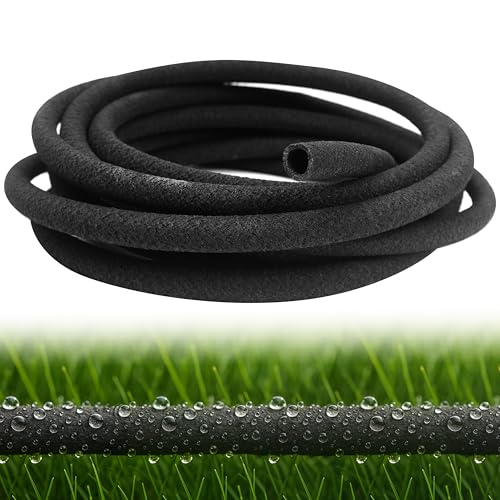
Specs: Features a 1/2" diameter and is 25ft long, providing adequate length to extend any existing watering system or drip supply.
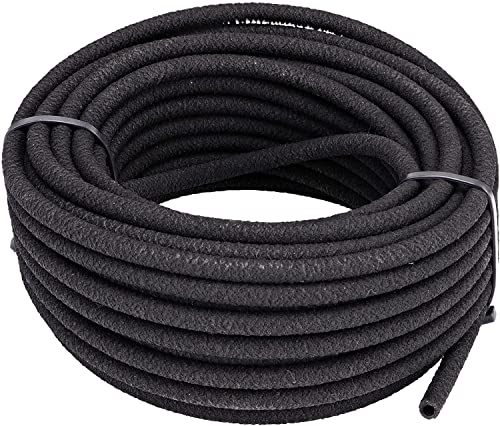
Slowly waters the soil around your plants for complete root zone hydration; Ideal for short runs on flat surfaces, such as vegetable gardens, borders, and around small plants

1/4 INCH IRRIGATION TUBING: Create a feeder line that supplies water to a low-flow, drip-watering device, or use as a main line in a small drip irrigation system; for trees, shrubs, flower beds, groundcover, vegetable gardens, and planters
Watering Requirements
When it comes to watering your cantaloupe plants, consistency is key. Cantaloupes need regular watering, especially during dry spells or when fruit is setting. Aim to keep the soil consistently moist but not waterlogged. A good practice is to water deeply around the base of the plants rather than lightly and frequently.
Pruning and Thinning Practices
Pruning and thinning are essential practices to promote healthy growth and improve fruit quality in cantaloupe plants. Regularly prune off any dead or diseased foliage to prevent the spread of diseases and pests. Additionally, thinning out excess vines and leaves helps channel the plant’s energy into fruit production, resulting in larger and sweeter cantaloupes.
By following these watering, pruning, and thinning guidelines, you can enhance the health of your cantaloupe plants and increase the chances of a successful harvest in your garden.
Pest and Disease Management
When growing cantaloupes, you may encounter common challenges related to pests and diseases. Here are some practical solutions to help you maintain the health of your cantaloupe plants:
- Aphids: These small insects can damage your cantaloupe plants by sucking sap from the leaves. To deter aphids, you can introduce natural predators like ladybugs or use insecticidal soap sprays.
- Powdery Mildew: This fungal disease appears as a white powdery substance on the leaves, affecting plant growth. To combat powdery mildew, ensure proper air circulation around the plants and apply fungicides if necessary.
- Fusarium Wilt: A soil-borne fungus that causes wilting of the plant, Fusarium wilt can be prevented by planting resistant varieties and practicing crop rotation.
- Spider Mites: These tiny pests feed on plant juices, leading to yellowing leaves and stunted growth. Regularly spraying water on the undersides of leaves can help deter spider mites.
- Downy Mildew: Another fungal disease that thrives in humid conditions, downy mildew causes yellow spots on leaves. Remove affected foliage promptly and avoid overhead watering to prevent its spread.
By being vigilant for signs of these pests and diseases and implementing appropriate management strategies, you can protect your cantaloupe plants and ensure a successful harvest.
Harvesting and Storing Cantaloupes
Harvesting ripe cantaloupes at the right time ensures optimal flavor and sweetness. You’ll want to pick them when they easily detach from the vine with a gentle twist. A ripe cantaloupe should have a sweet aroma, a golden color under the netting, and yield slightly to pressure at the blossom end.
When and How to Harvest
- Determining Ripeness: To check if your cantaloupes are ready for harvest, look for signs like a strong sweet scent near the stem.
- Harvest Technique: Gently twist the fruit off the vine; avoid pulling or tugging as this can damage both fruit and vine.
- Timing is Key: It’s best to harvest in the morning when temperatures are cooler for better fruit quality.
- Ideal Storage Conditions: Store ripe cantaloupes at room temperature if you plan to consume them soon; otherwise, refrigerate them.
- Proper Handling: Keep whole melons unwashed in a cool, dry place away from direct sunlight until you’re ready to eat them.
- Cut Melon Storage: If you’ve cut into a melon, wrap it tightly in plastic wrap or store it in an airtight container in the fridge for up to three days.
Conclusion
Growing your own cantaloupes can be a rewarding and enjoyable experience. By following the tips outlined in this guide, you’ll be well on your way to cultivating delicious, homegrown melons. Remember to pay attention to soil quality, climate conditions, and proper care techniques throughout the growing season. Managing pests and diseases proactively will help ensure a healthy crop. When it’s time to harvest, keep an eye out for key indicators of ripeness and handle the fruits with care. With a little effort and know-how, you can savor the sweet taste of success with your very own homegrown cantaloupes. Happy gardening!
Frequently Asked Questions
Q: What soil should I use for growing cantaloupes?
A: Use well-draining, fertile loamy soil rich in organic matter for optimal growth.
Q: When is the best time to plant cantaloupes?
A: Plant cantaloupes after the last frost date in warm soil, typically during spring.
Q: How should I water my cantaloupe plants?
A: Water deeply but infrequently, ensuring consistent moisture without waterlogging.
Q: How do I prevent pests like aphids on my cantaloupe plants?
A: Introduce beneficial insects or use insecticidal soap to control aphid infestations.
Q: What are signs that a cantaloupe is ready to harvest?
A: Look for a fragrant smell, yellowing under the melon, and a gentle tug-off from the vine.
Q: How can I store harvested cantaloupes to maintain freshness?
A: Store ripe cantaloupes in a cool, dry place away from direct sunlight.
