

Have you ever wondered how to properly prune your cantaloupe plants for a bountiful harvest? Picture this: you’ve planted your cantaloupe seeds, watched them sprout, and now they’re thriving vines taking over your garden. But are you unsure about the next steps to ensure a successful yield?
In this article, we’ll show you the simple yet essential techniques for pruning cantaloupe plants. By mastering the art of pruning, you’ll not only promote healthier growth but also increase the chances of sweeter and juicier fruits. Stay tuned to discover how a few careful snips can make all the difference in your cantaloupe harvest this season.
Key Takeaways
- Pruning cantaloupe plants can lead to improved fruit size and enhanced plant health by allowing the plant to focus its energy on fewer fruits.
- Proper pruning techniques promote better air circulation, reduce disease risks, prevent pest infestations, and result in healthier, more resilient plants.
- Essential tools for pruning cantaloupe include pruning shears for clean cuts and gloves for hand protection.
- Identifying which vines to prune and using selective pruning techniques are crucial steps in maximizing yield and improving plant health.
- Monitoring plant progress post-pruning, troubleshooting common issues like disease management, and dealing with pest infestations are key aspects of successful cantaloupe cultivation.
Benefits of Pruning Cantaloupe
Pruning your cantaloupe plants offers various advantages that can significantly impact the quality of your harvest. Let’s delve into how proper pruning techniques can benefit both the fruit size and overall health of your cantaloupe plants.
Improved Fruit Size
By regularly pruning your cantaloupe plants, you allow them to focus their energy on fewer fruits, resulting in larger and more robust melons. When the plant doesn’t have to spread its resources across numerous fruits, it can channel all its nutrients into fewer melons, leading to enhanced fruit size. This focused growth encourages the development of bigger and more flavorful cantaloupes for you to enjoy.
Enhanced Plant Health
Pruning plays a crucial role in maintaining the overall health of your cantaloupe plants. By removing excess foliage and overcrowded areas, you improve air circulation around the plant, reducing the risk of diseases such as powdery mildew or fungal infections. Additionally, pruning helps prevent pest infestations by eliminating hiding spots for insects and enhancing sunlight exposure throughout the plant. Overall, a well-pruned cantaloupe plant is healthier, more resilient, and better equipped to produce high-quality fruits.
Mastering the art of pruning can lead to a bountiful harvest of delicious cantaloupes that are not only visually appealing but also incredibly tasty. Stay tuned as we explore further insights into maximizing your cantaloupe yield through effective pruning practices.
Tools Needed for Pruning Cantaloupe
When it comes to pruning your cantaloupe plants effectively, having the right tools is essential. Here are the key items you’ll need:
Recommended Products

Reduce Hand Strain: These micro tip snips are made to reduces hand fatigue which makes them great for those with arthritis, carpal tunnel, hand or wrist issues; Comfortable “grip” handles will make it easy to work for long-time use without making you feel hand pain

CLEAN CUTS FOR LIVE GROWTH: Bypass blade design is ideal for pruning delicate flower stems and green growth, helping reduce crushing and plant damage while cutting stems and small branches up to 5/8” in diameter

Widely Used: 5PCS Pruning shears for gardening include 3 different blades and gloves for a variety of general pruning work. Great for trimming flowers, plants, bonsai, hydroponics, herbs, light branches and so on. Shears gardening tools are ideal for pruning needs and perfect gift for gardening friends
Pruning Shears
For precise and clean cuts when removing unwanted shoots or branches from your cantaloupe plants, a good pair of pruning shears is indispensable. Look for shears with sharp blades that can easily cut through stems without causing damage to the plant.
Gloves and Safety Equipment
Protecting your hands while working in the garden is crucial. Invest in a sturdy pair of gardening gloves to shield your hands from thorns, prickly leaves, or any potential skin irritants present on the cantaloupe plants. Additionally, consider wearing other safety equipment like eye protection if needed to ensure a safe pruning experience.
Step-by-Step Guide to Pruning Cantaloupe
Pruning cantaloupe plants is a crucial step in ensuring a successful harvest. By focusing the plant’s energy on producing quality fruit, you can maximize yield and improve overall plant health. Let’s dive into the specifics of identifying which vines to prune and the proper techniques for effective pruning.
Recommended Products

DUAL CUTTING POWER: VERSATILE PRUNING COMBO --- With both Pruning Shears and Pruning Snip, this combo delivers unmatched versatility. Whether you're delicately trimming flowers and shrubs, tackling thicker tree branches, or tending to your vegetable and fruit garden, our combo pack excels in all areas. They're also perfect for landscaping projects and maintaining the health and appearance of indoor plants. With this pack, you have a versatile tool that simplifies your gardening tasks.

Unbreakable sharpness! Japanese SK5 steel blade with titanium coating endures 100,000 cuts. Built for lifelong clean cuts

What Makes VT-C800 Unique? Jam-Proof Sealed Spring | Ever-Sharp Dual-Coated SK5 Blades | Easy Thumb Lock | Backed by Lifetime Support
Identifying Which Vines to Prune
To determine which vines to prune, look for signs of overgrowth or crowding in your cantaloupe patch. Identify any weak or diseased vines that are hindering the growth of healthy ones. Additionally, prioritize pruning vines that are not producing flowers or fruits as they may be diverting resources from productive areas.
Proper Techniques for Pruning
When it comes to pruning cantaloupes, remember these key techniques:
- Selective Pruning: Focus on removing excess growth rather than indiscriminately cutting back all vines.
- Sterilize Tools: Before making any cuts, ensure your pruning shears are clean and sharp to prevent the spread of diseases.
- Cutting Method: Make clean cuts close to the main stem using sharp shears to avoid damaging the plant.
- Remove Suckers: Eliminate suckers – small shoots growing between leaf stems and main vines – as they compete for nutrients.
- Monitor Progress: Regularly inspect your plants after pruning to assess their response and make further adjustments if needed.
Troubleshooting Common Issues
When caring for your cantaloupe plants, you may encounter some common issues that can affect their growth and fruit production. Here are some tips to help you troubleshoot these problems effectively.
Recommended Products
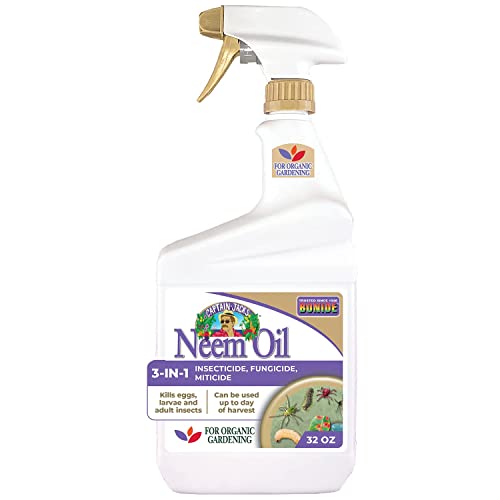
MULTI-PURPOSE BUG KILLER - Bonide Neem Oil is a perfect pest control solution for any garden dealing with mites, flies, mildew, and more. This product is a three-in-one fungicide, miticide, and insecticide.

Protect your oasis with Captain Jack’s Neem Max Ready-to-Use Spray; this multipurpose product acts as a 4-in-1 insecticide, fungicide, miticide and nematicide

PLANT DISEASE CONTROL: Natria Neem Oil acts as an insecticide and fungicide in one convenient spray; Ready-to-use trigger sprayer requires no mixing
Managing Disease in Pruned Plants
To prevent the spread of diseases in pruned cantaloupe plants, it’s essential to follow good gardening practices. Here are a few steps you can take:
- Sanitize Tools: Before pruning your plants, make sure your tools are clean and sanitized. This helps reduce the risk of spreading diseases from one plant to another.
- Remove Infected Parts: If you notice any signs of disease on your cantaloupe plants, such as yellowing leaves or unusual spots, promptly remove the infected parts. This can help contain the spread of the disease.
- Monitor Plant Health: Keep a close eye on your plants after pruning to ensure they are recovering well. Watch for any new signs of disease and take action promptly if needed.
Dealing with Pest Infestations
Pests can pose a threat to your cantaloupe plants, especially after pruning when they may be more vulnerable. Here’s how you can deal with pest infestations effectively:
- Natural Predators: Encourage natural predators like ladybugs or lacewings in your garden to help control pest populations organically.
- Neem Oil Spray: Consider using neem oil spray as a natural insecticide to deter pests from attacking your plants.
- Physical Barriers: Use physical barriers such as row covers to protect your cantaloupe plants from pests like aphids or cucumber beetles.
By following these tips for managing disease and dealing with pest infestations in pruned cantaloupe plants, you can help ensure healthy growth and maximize fruit yield in your garden.
Conclusion
Pruning your cantaloupe plants is a key step in ensuring optimal fruit production and plant health. By focusing on directing the plant’s energy effectively, you can enhance the size and flavor of your harvest. Following the step-by-step guide provided in this article, including identifying vines for pruning and using proper techniques, will set you on the path to success. Additionally, by learning how to troubleshoot common issues such as diseases and pests, you can proactively protect your plants and maximize their yield. Remember, with a little care and attention to detail, you can enjoy bountiful harvests of delicious cantaloupes from your pruned plants. Happy gardening!
Frequently Asked Questions
Why is pruning important for cantaloupe plants?
Pruning helps improve fruit size, flavor, and plant health by focusing energy on producing quality fruits. It also aids in proper air circulation and sunlight exposure for optimal growth.
How do I prune my cantaloupe plants?
Identify the main vines to prune, removing excess growth to redirect nutrients effectively. Use clean tools to prevent disease spread and make precise cuts near the base of the plant.
How can I manage diseases while pruning my cantaloupe plants?
Practice tool sanitation between cuts and remove infected plant parts promptly to prevent diseases from spreading. Consider using organic fungicides as a preventive measure.
What should I do if pests infest my pruned cantaloupe plants?
Encourage natural predators like ladybugs, use neem oil spray as a safe pesticide alternative, or install physical barriers like row covers to protect your plants from pests.
