

Have you ever wondered how those sweet and juicy cantaloupes end up on your plate? Picture this: you’re at the grocery store, picking out a perfectly ripe melon, but do you know the journey it took to get there? Understanding how cantaloupes grow not only satisfies your curiosity but also gives you a newfound appreciation for nature’s wonders.
Key Takeaways
- Cantaloupes go through seed germination and vine development stages before producing fruits.
- Essential conditions for growing cantaloupes include well-draining soil, proper pH levels, sunlight exposure, and temperature range.
- Cultivation techniques involve soil preparation, planting depth, spacing, and amending with organic matter for optimal growth.
- Common challenges in growing cantaloupes include pest management and disease control through proactive measures.
- Harvest ripe cantaloupes based on color, smell, and texture indicators for the best flavor.
Understanding the Growth Cycle of Cantaloupe
When it comes to understanding how cantaloupes grow, it’s essential to delve into the various stages of their growth cycle. Let’s explore two key phases that play a crucial role in the development of these delicious fruits.
Seed Germination
The journey of a cantaloupe begins with seed germination. Once planted in moist soil with adequate warmth and sunlight, the seeds sprout within 7-10 days. During this stage, the roots start to develop and anchor the plant into the ground, providing stability and access to essential nutrients for growth.
As the seedlings emerge from the soil, they begin producing their first set of true leaves, signaling the transition from relying on stored energy to photosynthesis for nourishment. This phase marks a critical milestone in the plant’s life as it prepares to enter its next growth stage.
Vine Development and Flowering
After establishing a strong root system, cantaloupe plants focus on vine development and flowering. Vines play a vital role in supporting the plant’s structure as they sprawl outwards, seeking sunlight for optimal photosynthesis. These vines also bear multiple lateral shoots that produce an abundance of large, lobed leaves.
As the plant matures, it starts producing vibrant yellow flowers that are essential for pollination. Bees are primary pollinators of cantaloupe plants, transferring pollen from male flowers to female flowers through their natural buzzing activity. Successful pollination sets off fruit formation where tiny melons begin to develop at each pollinated flower site.
Understanding these fundamental stages in the growth cycle of cantaloupes sheds light on nature’s intricate processes that culminate in those ripe and flavorful fruits you enjoy savoring.
Essential Conditions for Growing Cantaloupe
To ensure successful growth of cantaloupes, you need to pay attention to specific conditions that support their development. Here are the essential factors you should consider:
Recommended Products

NUTRIENT-RICH, NATURAL, AND ORGANIC SOIL: Grow a bountiful garden in your home with the Back to the Roots All-Purpose Natural and Organic Peat-Free 3-in-1 Seed Starting Mix, packed with the nutrients needed for your plants, flowers, and vegetables to thrive

Miracle-Gro Indoor Potting Mix for Seed Starting grows stronger roots for seeding success (vs unfed when used as directed)

Includes Back to the Roots Compressed Seed Starting Potting Mix that expands to 12qt of soil. A balanced pH, which means it’s truly all-purpose. Use alone or as an amendment for anything in a pot or in the ground — vegetables, flowers, herbs, and even starting seeds.
Soil Requirements
Cantaloupes thrive in well-draining soil with a pH level between 6.0 and 6.8. Loose, sandy loam soil is ideal as it promotes root growth and prevents waterlogging, which can lead to root rot. Adding organic matter like compost enhances soil fertility and structure, providing essential nutrients for healthy plant growth.
Climate and Temperature Needs
Cantaloupes are warm-season crops that require plenty of sunlight to flourish. Plant them in an area with full sun exposure for at least 6-8 hours a day. The optimal temperature range for cantaloupe growth is between 70°F and 90°F (21°C – 32°C). Ensure frost has passed before planting as cold temperatures can damage or kill young cantaloupe plants.
By meeting these critical growing conditions, you’ll set your cantaloupe plants up for success, leading to a bountiful harvest of sweet and juicy fruits.
Cultivation Techniques
When cultivating cantaloupes, it’s crucial to pay attention to the soil preparation and planting process. Ensuring the right conditions from the start will set the stage for a successful harvest of delicious fruits.
Recommended Products

This natural and organic seed starting soil mix is enhanced with peat moss, vermiculite and lime

Seed starter: Before absorbing water and swelling, the thickness of the peat soil pellet is only 12MM, easy to store and carry. The seedling block is wrapped with a degradable mesh non-woven material, which is convenient for transportation and transplanting. When the seedlings are transplanted, they can be directly planted into the soil to improve the efficiency and success rate of transplanting.

Preparing the Soil
To prepare the soil for cantaloupe cultivation, start by choosing a well-draining location with plenty of sunlight. Cantaloupes thrive in soil with a pH level between 6.0 and 6.8. Before planting, amend the soil with organic matter like compost to improve its nutrient content and structure. This helps provide essential nutrients for healthy plant growth and fruit development.
Planting and Spacing
When it’s time to plant your cantaloupes, sow the seeds directly into the amended soil once all risks of frost have passed. Plant the seeds about 1 inch deep and space them around 18-24 inches apart in rows that are 4-6 feet apart. Proper spacing allows each plant to receive adequate sunlight, water, and airflow, promoting optimal growth.
By following these cultivation techniques when preparing your soil and planting your cantaloupes, you set yourself up for a bountiful harvest of sweet and juicy fruits.
Common Challenges in Growing Cantaloupe
When cultivating cantaloupes, you may encounter various challenges that can affect the health and yield of your plants. Below are some common issues you might face and how to manage them effectively.
Recommended Products
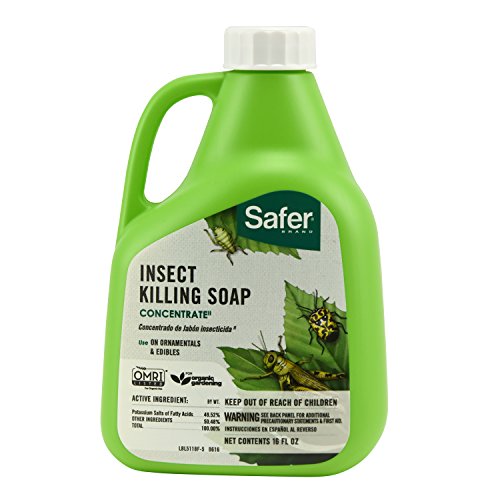
GENTLE ON MOST PLANTS - This aphid spray is ideal for use on flowers, herbs, vegetables, houseplants, lawn, tree, shrubs, and more

Insecticidal Super Soap controls species of adelgid, ant, aphid, borer, caterpillar, spider mite, cricket, chinch bug, weevil, fly, thrip, and more
Protect Plants from Insects - Kills a variety of soft-bodied insect pests, including aphids, mealybugs, whiteflies, leafhopper, spider mites, and more
Pest Management
Pests can pose a significant threat to your cantaloupe plants, impacting their growth and fruit production. Common pests that target cantaloupes include aphids, spider mites, and cucumber beetles. To manage these pests:
- Inspect Regularly: Check your plants frequently for any signs of pest infestation.
- Natural Predators: Encourage beneficial insects like ladybugs or lacewings that feed on harmful pests.
- Organic Solutions: Use organic pesticides or insecticidal soaps to control pest populations without harming the environment.
Disease Control
Diseases can also jeopardize the health of your cantaloupe crop, leading to stunted growth and poor fruit quality. Some prevalent diseases affecting cantaloupes are powdery mildew, bacterial wilt, and anthracnose. Here’s how you can control diseases effectively:
- Crop Rotation: Rotate crops yearly to prevent disease buildup in the soil.
- Proper Watering: Avoid overhead watering to reduce humidity levels that promote disease development.
- Sanitation Practices: Remove and destroy any infected plant debris promptly to prevent the spread of diseases.
By implementing proactive pest management strategies and effective disease control measures, you can safeguard your cantaloupe plants against common challenges, ensuring a successful harvest of delicious fruits.
Harvesting and Storage of Cantaloupe
When it comes to harvesting cantaloupes, knowing the signs of ripeness is crucial. Here’s what you should look for:
Signs of Ripeness
- Color: A ripe cantaloupe will have a golden or yellow color under the netting on its skin.
- Smell: The fruit should have a sweet aroma at the stem end when it’s ready to be picked.
- Texture: Gently press the blossom end – if it gives slightly, the cantaloupe is ripe.
After harvesting your cantaloupes, proper post-harvest handling is essential for maintaining their freshness and flavor.
- Cleaning: Wash the harvested fruits with water to remove any dirt or debris.
- Drying: Allow them to air dry before storing to prevent moisture buildup.
- Storage: Keep cantaloupes at room temperature initially but transfer them to the refrigerator once cut.
Conclusion
Growing cantaloupes can be a rewarding experience with the right knowledge and care. By understanding the growth cycle, essential conditions, cultivation techniques, pest management, and harvesting tips outlined in this article, you are well-equipped to nurture healthy cantaloupe plants. Remember to stay vigilant against pests and diseases, utilize natural solutions for control, and practice proper post-harvest handling to enjoy the full flavor of your harvest. With these strategies in mind, you can cultivate delicious cantaloupes while ensuring a successful growing season from start to finish. Happy gardening!
Frequently Asked Questions
What are the essential conditions for growing cantaloupes successfully?
Cantaloupes require well-draining soil rich in nutrients, full sun exposure, warm temperatures (70-90°F), and adequate water throughout the growing season.
How should I prepare the soil for planting cantaloupes?
Before planting, ensure the soil is loose and fertile by adding compost or aged manure. Test soil pH to ensure it falls between 6.0-6.8 for optimal growth.
What spacing should I maintain when planting cantaloupe seeds or transplants?
Plant seeds or transplants 36-42 inches apart in rows spaced 5-6 feet apart to allow ample room for vines to spread.
How can I manage pests while growing cantaloupes organically?
Inspect plants regularly for pests like aphids and spider mites. Use natural predators like ladybugs or introduce organic solutions such as neem oil spray.
What are some common signs of ripeness indicating that a cantaloupe is ready to harvest?
Look for a creamy yellow color on the rind, a sweet fragrance at the blossom end, and slight softness when pressed gently with your thumb.
How should I handle harvested cantaloupes to maintain their freshness?
After harvesting, clean the fruits with water, dry them thoroughly, then store them in a cool, dry place away from direct sunlight to preserve their flavor and quality.
