Close Menu
    Fruit Tree Hub
    • Home
    • Apple Trees
    • Lemon Trees
    • Mango Trees
    • Orange Trees
    • More Trees
      • Best Fruit Trees
      • Apricot Trees
      • Cherry Trees
      • Fig Trees
      • Lime Trees
      • Mulberry Trees
      • Peach Trees
      • Pear Trees
      • Plum Trees
      • Pomegranate Trees
    • Tips and Advice
      • Tools
    • About Us
      • Contact
      • Privacy Policy
    Fruit Tree Hub
    Home»Climbing Fruit»Honeydew»How Long for Honeydew to Grow: A Comprehensive Guide from Planting to Harvest
    Honeydew

    How Long for Honeydew to Grow: A Comprehensive Guide from Planting to Harvest

    Lucy SmithBy Lucy SmithJuly 24, 20247 Mins Read
    Share Facebook Twitter Pinterest WhatsApp Email
    Share
    Facebook Twitter LinkedIn Pinterest Telegram Email

    Curious how long it takes for honeydew to grow? Picture this: you’re at the grocery store, eyeing a plump, juicy honeydew melon. Ever wondered about the journey it took from seed to fruit? In this article, we’ll walk you through the timeline of a honeydew’s growth, so you can appreciate that sweet, refreshing taste even more.

    Contents show
    1 Key Takeaways
    2 Understanding the Growth Cycle of Honeydew Melons
    2.1 Factors Influencing Growth Duration
    2.2 Key Stages in Honeydew Development
    3 Planting Honeydew Seeds
    3.1 Optimal Soil Conditions
    3.2 Best Season for Planting
    4 Caring for Honeydew Plants
    4.1 Watering and Fertilization Techniques
    4.2 Pest and Disease Management
    5 Harvesting Honeydew Melons
    5.1 Signs of Maturity
    5.2 Harvesting Techniques
    6 Conclusion
    7 Frequently Asked Questions
    7.1 1. What are the key growth stages of honeydew melons?
    7.2 2. How important are environmental factors for honeydew melon growth?
    7.3 3. What care techniques should be used for honeydew plants?
    7.4 4. How can pests and diseases be managed in honeydew plants?
    7.5 5. When is the right time to harvest honeydew melons?

    Have you ever picked up a honeydew at the market and wondered about its ripening process? Understanding how long it takes for these fruits to reach perfection can enhance your shopping experience. Stay tuned as we uncover the stages of growth that lead to that perfectly ripe honeydew on your plate.

    Key Takeaways

    • Factors such as temperature, water supply, sunlight, and soil quality influence the growth duration of honeydew melons.
    • The key stages in honeydew development include germination, vegetative growth, flowering, fruit setting, and maturation.
    • Optimal soil conditions with good drainage and organic matter are crucial for planting honeydew seeds successfully.
    • Plant honeydew seeds in spring after the last frost for quick germination and strong root establishment.
    • Water deeply but infrequently, use balanced fertilizer high in potassium during flowering, and manage pests for healthy honeydew plants.
    • Harvest ripe honeydew melons based on color, texture, smell, and sound indicators using twisting or cutting techniques.

    Understanding the Growth Cycle of Honeydew Melons

    When it comes to the growth cycle of honeydew melons, understanding the various factors that influence their development timeline and recognizing the key stages in their growth is essential for appreciating the journey from seed to fruit. Let’s delve into the details to gain insight into how these delicious melons reach your plate.

    MUST READ
    Are Honeydew Melon Seeds Good for You? Discover Their Surprising Health Benefits

    Recommended Products

    Gardeners Basics, Honeydew Seeds for Planting - Green Flesh Melon Heirloom, Non-GMO Fruit Seed Variety- 2 Grams Seeds Great for Summer Honey Dew Melon Gardens
    Gardeners Basics, Honeydew Seeds for Planting - Green Flesh Melon Heirloom, Non-GMO Fruit Seed Variety- 2 Grams Seeds Great for Summer Honey Dew Melon Gardens

    TRUSTED VARIETY - Popular honeydew seeds used by gardeners for years. Yellow/Tan rind at maturity with a beautiful green colored flesh.

    VIEW LATEST PRICE

    As an affiliate, we earn on qualifying purchases.

    50 Honeydew Melon Seeds for Planting 1.5 Grams of Seeds Heirloom and Non GMO Harvested in USA
    50 Honeydew Melon Seeds for Planting 1.5 Grams of Seeds Heirloom and Non GMO Harvested in USA

    Honeydew seeds

    VIEW LATEST PRICE

    As an affiliate, we earn on qualifying purchases.

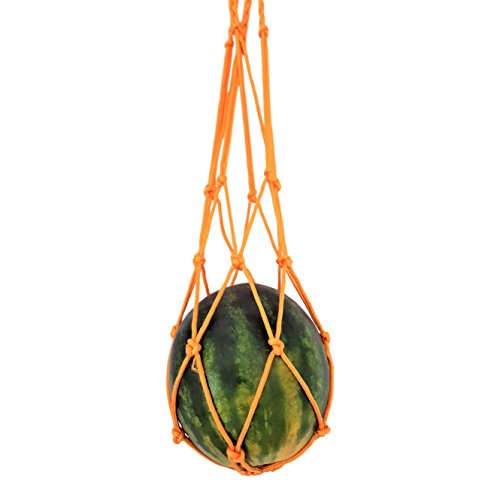
    YimeBand 50 Pack Watermelon Nets 17.7 Inches Red Onion Mesh Bags Reusable Honeydew Melon Nets Melon Hammock Hanging Bags for Supporting Garden Growing Cantaloupes Vegetables Honeydew (7-22lbs)
    YimeBand 50 Pack Watermelon Nets 17.7 Inches Red Onion Mesh Bags Reusable Honeydew Melon Nets Melon Hammock Hanging Bags for Supporting Garden Growing Cantaloupes Vegetables Honeydew (7-22lbs)

    Sufficient Package: 50 reusable plastic watermelon nets in a pack, nylon fruit nets with drawstrings for sealing to prevent the fruits from falling out

    VIEW LATEST PRICE

    As an affiliate, we earn on qualifying purchases.

    Factors Influencing Growth Duration

    To comprehend how long it takes for honeydew melons to grow, several factors come into play. These include:

    • Temperature: Warmer temperatures typically accelerate growth, while cooler conditions can slow down the process.
    • Water: Sufficient water supply is crucial for healthy plant development and optimal fruit maturation.
    • Sunlight: Honeydew melons thrive in full sunlight, which aids in photosynthesis and overall plant vigor.
    • Soil Quality: Nutrient-rich soil provides essential minerals and vitamins necessary for robust growth.

    Understanding these factors can help you create an environment conducive to successful honeydew cultivation.

    Key Stages in Honeydew Development

    The growth of honeydew melons progresses through distinct stages before they are ready for harvest:

    1. Germination: This marks the beginning of a honeydew plant’s life when a seed sprouts and develops into a seedling.
    2. Vegetative Growth: During this phase, the plant focuses on leaf production and root establishment to support future fruiting.
    3. Flowering: The emergence of flowers indicates that pollination has occurred, setting the stage for fruit formation.
    4. Fruit Setting: After successful pollination, small fruits begin to develop from the flowers.
    5. Maturation: As time passes, the fruits grow in size, undergo color changes, and attain sweetness until they are ripe for picking.
    MUST READ
    How Many Honeydew per Plant: Maximizing Yield and Overcoming Cultivation Challenges

    By recognizing these key stages in honeydew development, you can better appreciate the intricate process that leads to a delectable honeydew on your table.

    Planting Honeydew Seeds

    When planting honeydew seeds, it’s essential to create the optimal conditions for their growth. Here’s what you need to know:

    Recommended Products

    Back to the Roots 3-in-1 Seed Starting Mix 6 Quarts, 100% Organic & USA Made for Herbs, Veggies, Flowers, w/Nutrient Rich Plant Food, Worm-Castings, & Moisture Controlling Yucca Brown
    Back to the Roots 3-in-1 Seed Starting Mix 6 Quarts, 100% Organic & USA Made for Herbs, Veggies, Flowers, w/Nutrient Rich Plant Food, Worm-Castings, & Moisture Controlling Yucca Brown

    NUTRIENT-RICH, NATURAL, AND ORGANIC SOIL: Grow a bountiful garden in your home with the Back to the Roots All-Purpose Natural and Organic Peat-Free 3-in-1 Seed Starting Mix, packed with the nutrients needed for your plants, flowers, and vegetables to thrive

    VIEW LATEST PRICE

    As an affiliate, we earn on qualifying purchases.

    Honeydew Melon Seeds for Planting, Heirloom Variety - 1 Pack
    Honeydew Melon Seeds for Planting, Heirloom Variety - 1 Pack

    REFRESHINGLY SWEET MELONS – Classic honeydew flavor with smooth light green flesh that’s juicy and fragrant for sweet summer enjoyment straight from your own home garden vines

    VIEW LATEST PRICE

    As an affiliate, we earn on qualifying purchases.

    Miracle-Gro Indoor Potting Mix for Seed Starting, 8 qt. (2-Pack)
    Miracle-Gro Indoor Potting Mix for Seed Starting, 8 qt. (2-Pack)

    Miracle-Gro Indoor Potting Mix for Seed Starting grows stronger roots for seeding success (vs unfed when used as directed)

    VIEW LATEST PRICE

    As an affiliate, we earn on qualifying purchases.

    Optimal Soil Conditions

    For successful honeydew growth, ensure that the soil is well-draining and rich in organic matter. A sandy loam soil type with a pH level between 6.0 and 6.5 works best for honeydew plants. Adding compost or aged manure before planting can improve soil fertility and provide essential nutrients for healthy seedling development.

    MUST READ
    How to Plant Honeydew Seeds: A Complete Guide for Growing Sweet Melons at Home

    Best Season for Planting

    The ideal time to plant honeydew seeds is in the spring after the last frost has passed and when the soil temperature reaches around 70°F (21°C) or higher. This ensures that the seeds have warm soil to germinate quickly and establish strong roots. Planting in cooler temperatures may slow down seedling growth, so timing your planting season correctly is crucial for a successful harvest of sweet, juicy honeydews.

    Caring for Honeydew Plants

    When caring for your honeydew plants, you need to pay attention to watering and fertilization techniques as well as pest and disease management.

    Recommended Products

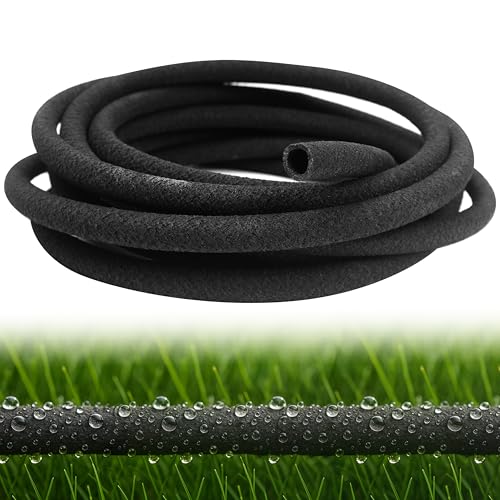
    Raindrip 015005T 1/4-Inch by 50-Foot Soaker Hose Tubing for Drip Irrigation, Use in Vegetable Garden, Planters, and Borders, 50-Foot, Black
    Raindrip 015005T 1/4-Inch by 50-Foot Soaker Hose Tubing for Drip Irrigation, Use in Vegetable Garden, Planters, and Borders, 50-Foot, Black

    Slowly waters the soil around your plants for complete root zone hydration; Ideal for short runs on flat surfaces, such as vegetable gardens, borders, and around small plants

    VIEW LATEST PRICE

    As an affiliate, we earn on qualifying purchases.

    Upgraded 230FT Drip Irrigation System with 1/4" Soaker Hose -Weeping Technology for Deeper Root Watering,Garden Watering System for Raised Beds, Greenhouse, Lawn - Save Water
    Upgraded 230FT Drip Irrigation System with 1/4" Soaker Hose -Weeping Technology for Deeper Root Watering,Garden Watering System for Raised Beds, Greenhouse, Lawn - Save Water

    【Even & Consistent Root Watering】Features micro-pore seepage technology that distributes water evenly along the entire hose, transforming spot watering into uniform line watering directly to plant roots. Unlike traditional drip irrigation systems with clog-prone emitters, this soaker hose creates a continuous moisture band for healthier, deeper-rooted plants

    VIEW LATEST PRICE

    As an affiliate, we earn on qualifying purchases.

    1/4 inch Soaker Hose Tubing for Drip Irrigation, 100FT Garden Beds Soaker Irrigation Tubing Hose with Various Accessories Rubber Longer Lasting Drip Irrigation Save 70% of Water for Garden and Yard
    1/4 inch Soaker Hose Tubing for Drip Irrigation, 100FT Garden Beds Soaker Irrigation Tubing Hose with Various Accessories Rubber Longer Lasting Drip Irrigation Save 70% of Water for Garden and Yard

    Higher Cost Performance Provide: enough length soaker hoses to get higher cost performance,and our 1/4 " diameter soaker hose set not only include 100 Ft length soaker hose but also include a rich range of accessories for a variety of uses,help you make custom length soaker hoses cheap & easy.

    MUST READ
    How Does Honeydew Melon Grow: A Complete Guide to Cultivating Sweet Success
    VIEW LATEST PRICE

    As an affiliate, we earn on qualifying purchases.

    Watering and Fertilization Techniques

    To ensure optimal growth of your honeydew plants, water them deeply but infrequently. Aim to keep the soil consistently moist but not waterlogged. Consider using a soaker hose or drip irrigation system to deliver water directly to the roots, reducing the risk of fungal diseases on leaves. When it comes to fertilization, apply a balanced fertilizer high in potassium every 2-3 weeks once the plants start flowering. This will promote fruit development and enhance the sweetness of your honeydews.

    Pest and Disease Management

    Protecting your honeydew plants from pests and diseases is crucial for a successful harvest. Keep an eye out for common pests like aphids, spider mites, and cucumber beetles. You can introduce beneficial insects like ladybugs or lacewings to help control these pests naturally. Additionally, practice crop rotation each season to reduce the buildup of diseases in the soil. If you notice any signs of powdery mildew or bacterial wilt, promptly remove affected plant parts to prevent further spread.

    By following these watering and fertilization techniques along with effective pest and disease management strategies, you’ll be able to nurture healthy honeydew plants that yield delicious fruits for you to enjoy.

    Harvesting Honeydew Melons

    When it comes to harvesting honeydew melons, there are specific signs of maturity you should look for before picking them. Understanding the right techniques for harvesting ensures that you enjoy sweet and ripe fruits at their best.

    Signs of Maturity

    To determine if your honeydew melon is ready for harvest, pay attention to these indicators:

    • Color: A ripe honeydew melon typically has a creamy yellow color on the bottom where it touched the ground.
    • Texture: The skin should feel slightly waxy and firm but not rock hard.
    • Smell: A fragrant aroma near the stem end indicates ripeness.
    • Sound: When tapped, a mature honeydew produces a hollow sound rather than a dull thud.

    Harvesting Techniques

    When it’s time to harvest your honeydew melons, follow these simple steps to ensure they’re picked at their peak:

    1. Twist Method: Gently twist the fruit; if it separates easily from the vine, it’s likely ripe and ready for harvest.
    2. Cutting Technique: Use sharp shears or a knife to cut the stem about an inch above the fruit. Avoid pulling or tearing as this can damage both the melon and the plant.
    3. Timing: Harvest in the morning when temperatures are cooler to prevent heat stress on plants and maintain fruit quality.
    4. Storage: Store harvested honeydews at room temperature until fully ripe; then refrigerate them for extended freshness.
    MUST READ
    Are Honeydew Melon Seeds Edible? Discover Their Benefits and Culinary Delights

    Conclusion

    Growing honeydew melons is a rewarding journey that requires attention to detail and care. By understanding the growth stages, providing proper care, and knowing when to harvest, you can enjoy the sweet fruits of your labor. Remember to create an optimal environment for your honeydew plants by ensuring they receive adequate sunlight, water, and nutrients. Combatting pests and diseases promptly will help maintain plant health. When it’s time to harvest, look for key indicators of maturity and handle the melons with care. With patience and dedication, you can cultivate thriving honeydew plants that yield delicious results. Happy gardening!

    Frequently Asked Questions

    1. What are the key growth stages of honeydew melons?

    Honeydew melons go through germination, vine growth, flowering, fruit set, and maturation stages.

    2. How important are environmental factors for honeydew melon growth?

    Environmental factors like temperature, water, sunlight, and soil quality play a crucial role in the successful growth of honeydew melons.

    3. What care techniques should be used for honeydew plants?

    Deep watering and using potassium-rich fertilizers during flowering are essential care techniques for honeydew plants.

    4. How can pests and diseases be managed in honeydew plants?

    Combat common pests like aphids and diseases such as powdery mildew with appropriate pest management methods.

    5. When is the right time to harvest honeydew melons?

    Harvest honeydew melons when they exhibit signs of maturity like color, texture, smell, and sound to ensure optimal sweetness and flavor.

    Share. Facebook Twitter Pinterest LinkedIn Tumblr Email
    lucy smith
    Lucy Smith
    • Website

    Lucy Smith is a highly experienced horticulturist with a passion for fruit tree cultivation. She holds a degree in Horticulture from the University of California, Davis, and has worked in various roles in the industry. With over 10 years of experience, Lucy is dedicated to using eco-friendly methods for sustainable gardening practices.

    Related Posts

    Do Honeydew Melons Grow on Trees? Cultivation, Nutrition, and Culinary Delights Explained

    July 27, 2024

    Can You Grow Honeydew Melons from Seeds? Tips for Successful Home Harvesting

    July 27, 2024

    How to Grow Honeydew Melon from Fresh Seeds: A Complete Backyard Gardening Guide

    July 27, 2024

    Can You Eat Honeydew Seeds? A Guide to Health Benefits and Preparation Tips

    July 27, 2024

    Are Honeydew Seeds Good for You? Exploring Nutritional Benefits and Safety Tips

    July 27, 2024

    Ultimate Guide: How to Grow Honeydew Melons on a Trellis Like a Pro

    July 27, 2024
    Leave A Reply Cancel Reply

    Affiliate Disclosure

    As an Amazon Associate I earn from qualifying purchases.

    Recommended Reading

    How to Store Black Raspberries: Tips for Freshness and Flavor All Year

    What Season Do Lemon Trees Fruit and How to Maximize Your Harvest Success

    Growing Apple Trees in New York City, NY: Urban Backyard Tips

    When to Add Compost to Fruit Trees for Optimal Growth and Enhanced Yields

    How Many Years Before an Olive Tree Bears Fruit: Essential Tips for Healthy Growth

    How to Pot a Fruit Tree: A Step-by-Step Guide for Homegrown Harvests

    Cherry Trees in West Virginia: Appalachian Mountain Success

    Mulberry Trees in a Pot in Connecticut (New England Potted Success)

    Will a Single Plum Tree Produce Fruit: Essential Tips for Successful Cultivation

    How Long Until a Lime Tree Bears Fruit: Tips for Faster Growth and Optimal Care

    Fruit Tree Hub

    Fruit Tree Hub is a website dedicated to providing you everything you need to grow fruit trees successfully at in your own yard.

    Contact us at: [email protected]

    - AFFILIATE DISCLOSURE: As an Amazon Associate I earn from qualifying purchases.

    Latest Posts

    21 Colorful Halloween Crochet Motifs Featuring Pumpkins Bats and Black Cats

    23 Smart Halloween Crochet Ideas to Sell as Keychains and Coasters

    22 Fun Halloween Crochet Ideas Built Around Treat Bags and Hats

    23 Adorable Halloween Amigurumi Ideas Featuring Ghosts and Black Cats

    22 Compact Halloween Crochet Decorations for Shelves and Small Spaces

    19 Practical Halloween Crochet Decorations Designed for Tabletop Displays

    24 Cozy Halloween Crochet Decor Ideas Built Around Mantel Garlands

    19 Playful Kawaii Halloween Crochet Ideas Featuring Smiling Spooky Characters

    Categories
    • Almond Trees
    • Apple Trees
    • Apricot Trees
    • Best Fruit Trees
    • Blackberry
    • Cantaloupe
    • Cherry Trees
    • Crochet Ideas
    • Crochet Ideas for Beginners
    • Cucamelon
    • Easy Crochet Ideas
    • Easy Knitting Projects
    • Fall Crochet Ideas
    • Fig Trees
    • Grapefruit Trees
    • Grapes
    • Guava Trees
    • Halloween Crochet Ideas
    • Honeydew
    • Jujube Trees
    • Kiwi
    • Knitting For Beginners
    • Knitting Ideas
    • Knitting Inspiration
    • Lemon Trees
    • Lime Trees
    • Loquat Trees
    • Mango Trees
    • Mulberry Trees
    • Nectarine Trees
    • Olive Trees
    • Orange Trees
    • Papaya Trees
    • Peach Trees
    • Pear Trees
    • Persimmon Trees
    • Planting
    • Plum Trees
    • Pomegranate Trees
    • Quince Trees
    • Raspberry
    • Reviews
    • Small Crochet Ideas
    • Star Fruit Trees
    • Summer Crochet Ideas
    • Tamarind Trees
    • Tangerine Trees
    • Tips and Advice
    • Tools
    • Uncategorized
    • Walnut Trees
    © 2026 Fruit Tree Hub
    • Home
    • About Us
    • Contact
    • Privacy Policy
    • Terms and Conditions
    • Disclaimer
    • Editorial Policy
    • Affiliate Disclosure

    Type above and press Enter to search. Press Esc to cancel.